
Over two years ago, I formed a partnership with Dr Vicki Bowes, avian vet/ pathologist in which we get together on a regular basis to look at cases that I collect and present to her for a diagnosis, or sometimes ‘best guess’ based on the limitations we’re dealing with. Regardless of the results I always learn a lot and hope that you do as well.
Beak Injury (photo: Michael Cates)
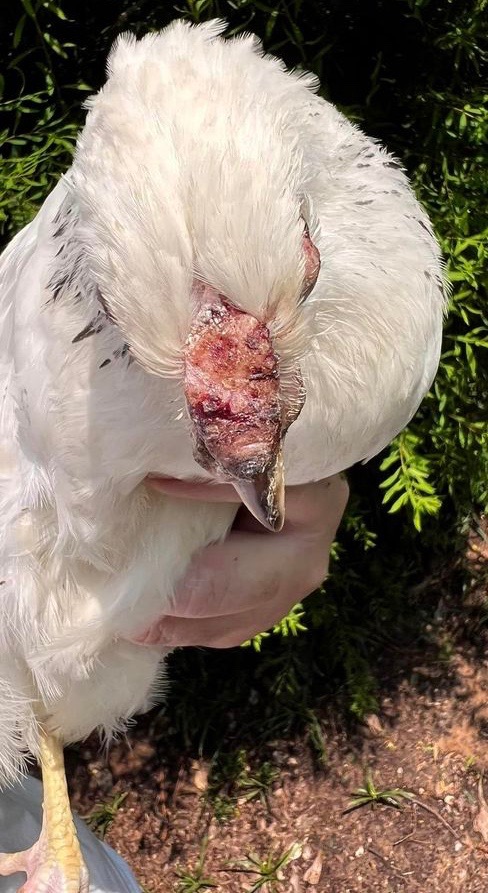
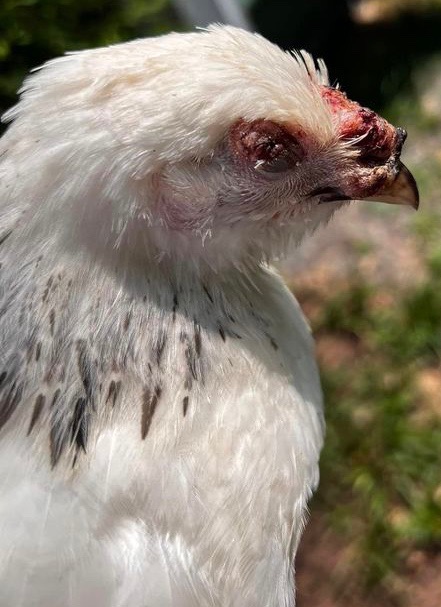
Dr Bowes: This could be a traumatic injury caused by pecking or if the bird had damaged its beak on a fence. The second option would be Fowl Pox. I’d like to know what the comb looked like prior to this.
Beak Injury
This is a 4-year-old Brahma hen who has had ocular Marek’s Disease for at least 2 years. What’s going on with her beak? It looks like it’s rotting. It’s not squishy, more flaky. Her comb is redder, but when I hold her and she falls asleep, it becomes paler. – Megan Maher
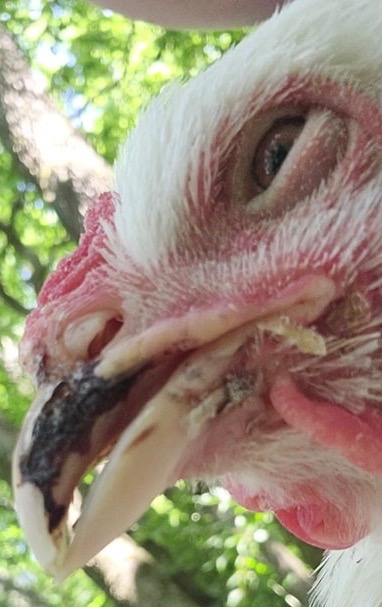
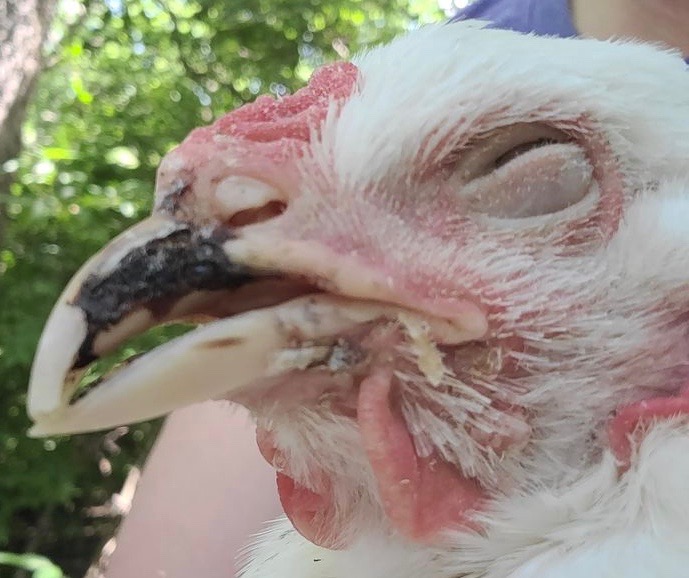
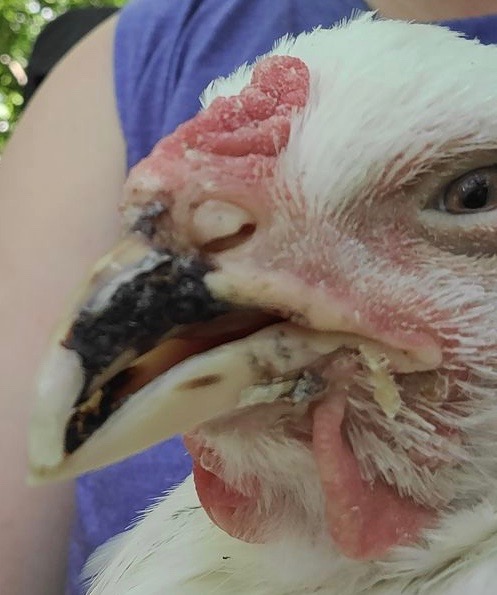
Dr Bowes: That is not the ocular form of Marek’s. If it were, that bird would have tumour development in the brain and internal organs like the liver and progressed to death within @6 weeks. The issue with the beak could be the result of a traumatic injury, but the flaky areas might also be a fungal infection. The margins of her lips appear abnormal as well.
That condition requires aggressive treatment: debride the beak, clean the area with an antiseptic and apply an antifungal and antibacterial cream.
Beak (photo: Beckie Kovnesky Giese)
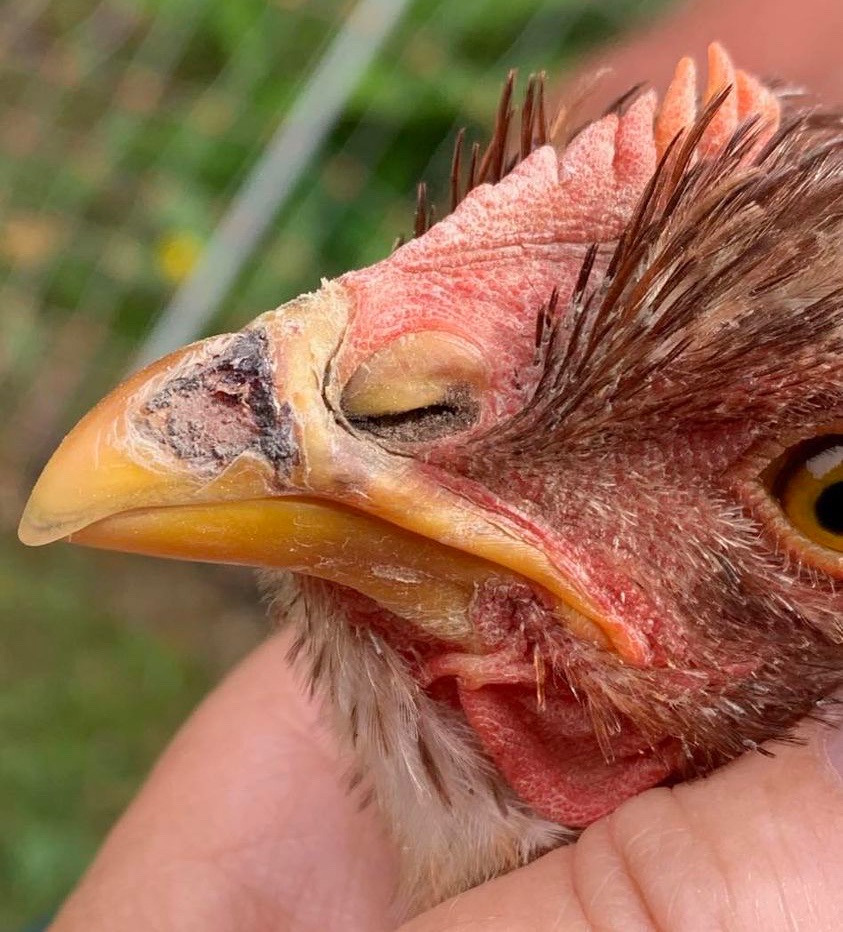
Dr Bowes: That injury is in a difficult place. Treat as a wound by cleaning it with an antiseptic wash.
Duck Bill
My 18-month-old Cayuga Duck developed a lump similar to one you posted ‘Bump On Duck Bill‘. My duck developed something similar, but the bump cracked on one side and seeped some blood. It feels like touching a hard coating like a blister pack for pills? It collapses slightly when touched like it’s empty. There is only slight bubbling with hydrogen peroxide so don’t believe it’s infected. I have separated him and applied Polysporin antibiotic cream. If you have any insight you can offer on what it is or what to do I would appreciate it. – Cheryl Fountain
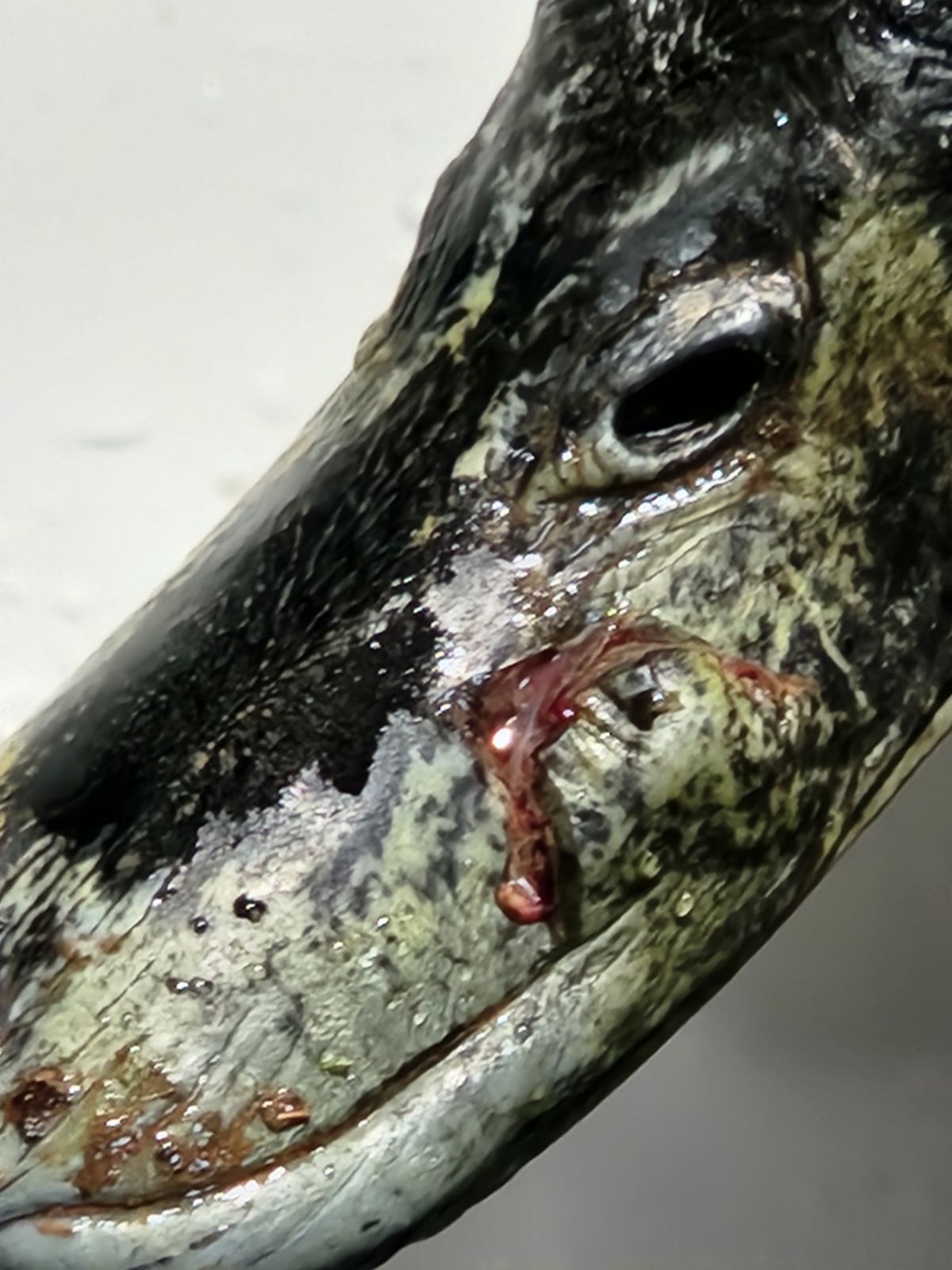
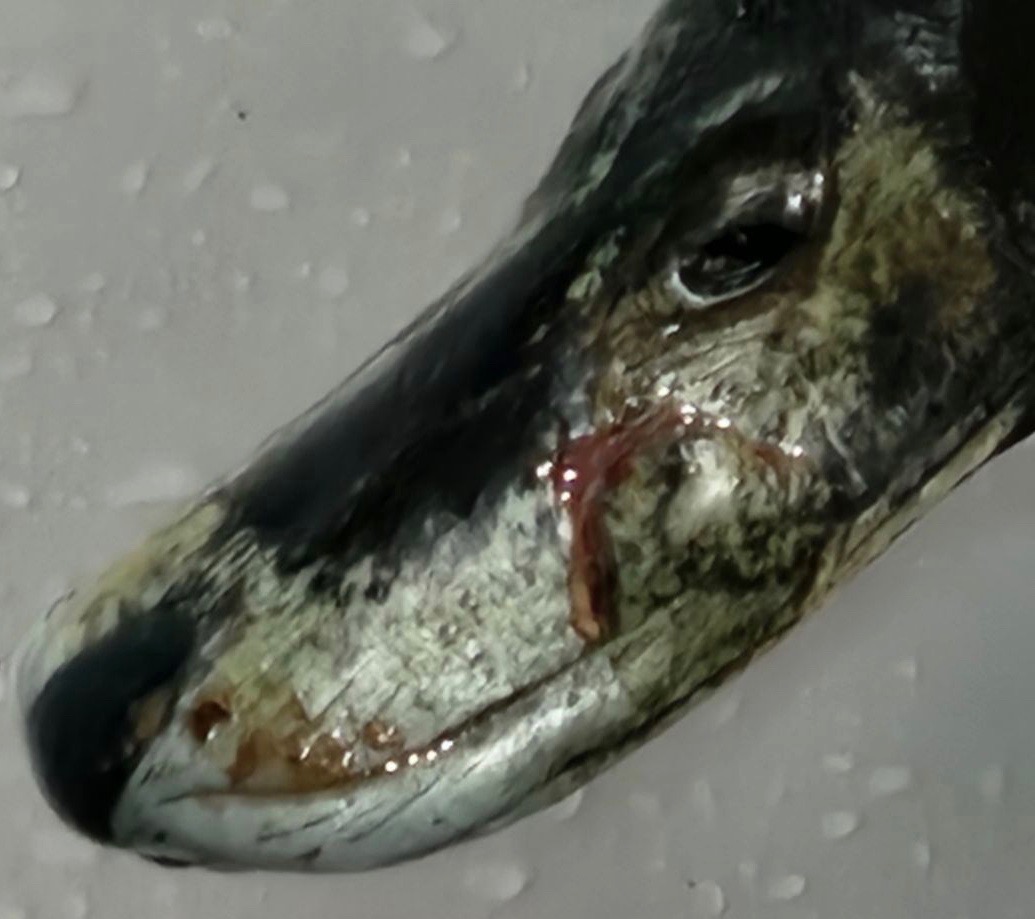
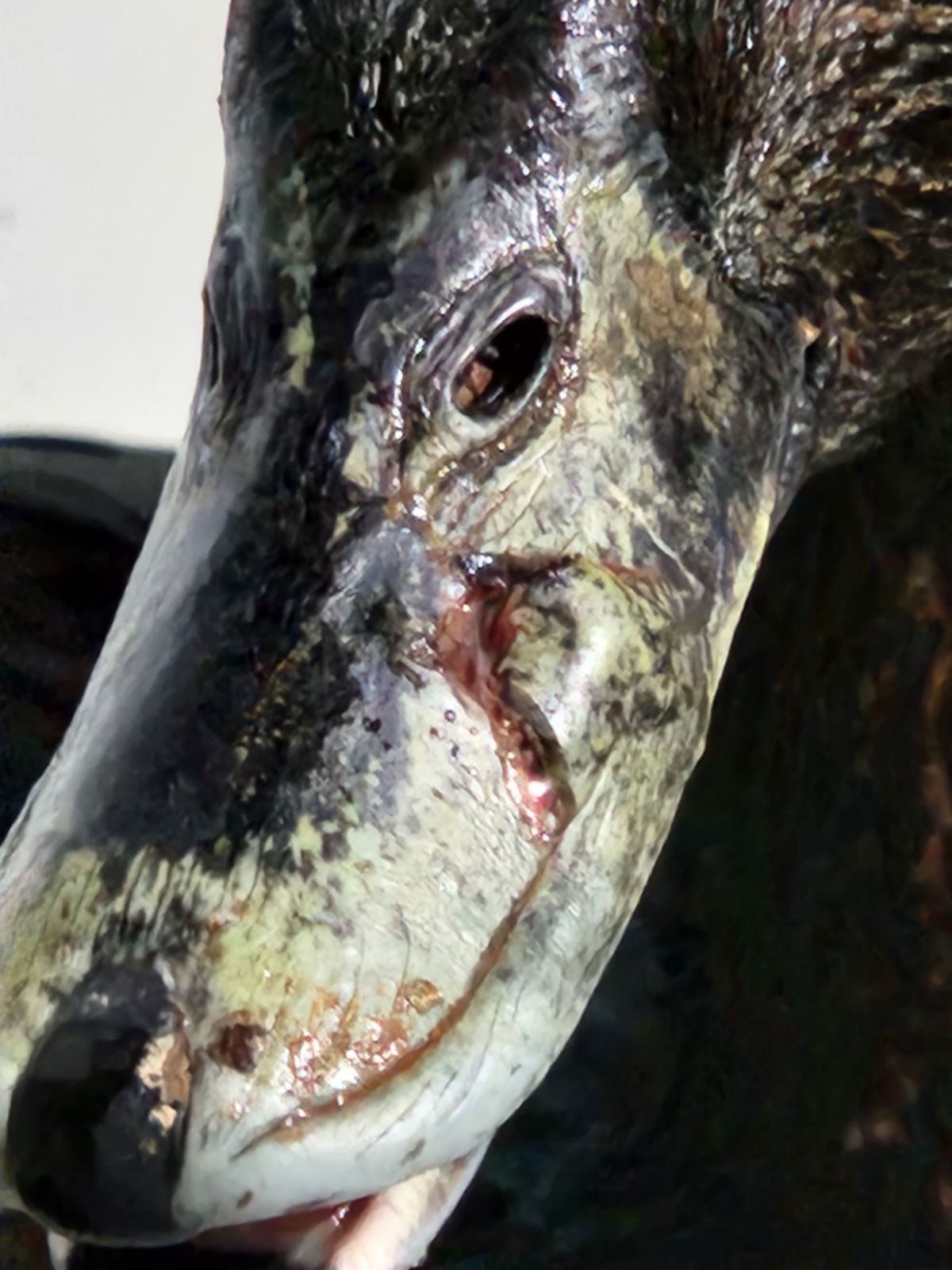
Dr Bowes: Due to its location I would examine the inside of the bill to see if there is an impaction from food. I’d like to know what caused the small cracks on the lower part of the bill.
I would debride the bill and treat with an antiseptic soap, an antifungal, and continue with Polysporin.
Blind Chick
I was given a free Silkie at a swap. I knew soon after getting this chick home that something was wrong. She is blind and after about two days, something began to form over each eye. It looks like a white blister on each eye. What is the prognosis for this chick? – Arleen Reinhardt
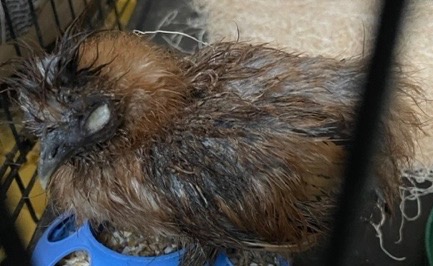
Dr Bowes: The white blister is inflammatory exudate. The eye is recessed; is it still there? A vet would treat it by surgically cleaning the eye and sewing the eyelids together to prevent debris from entering the socket. They could also do a PCR test for the presence of Mycoplasma gallisepticum. If a vet is not an option, then humanely euthanize the bird.
Bitchin’ Chickens: This is another reminder of the importance of examining birds prior to purchase, and keeping good biosecurity and quarantine practices.
Iris Melanosis
I have two 18-week old hens that have this strange brown coloring in their eyes. Their eyes are clear, not hazy or cloudy but there is a brown overlay of color within the eyes that look weird. I have done internet searches on what could cause this and the only thing about eyes that I can find is Marek’s Disease. – Angela Higdon
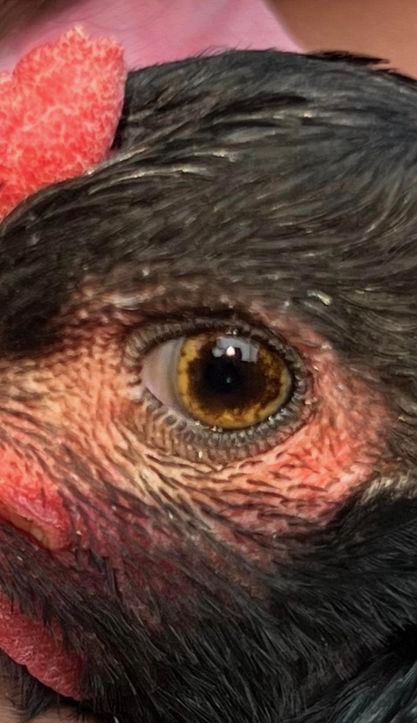

Dr Bowes: This isn’t Marek’s, but melanin pigment called iris melanosis. As long as the eye functions normally there is nothing to worry about.
Marek’s Disease (photo: Lee Shields)
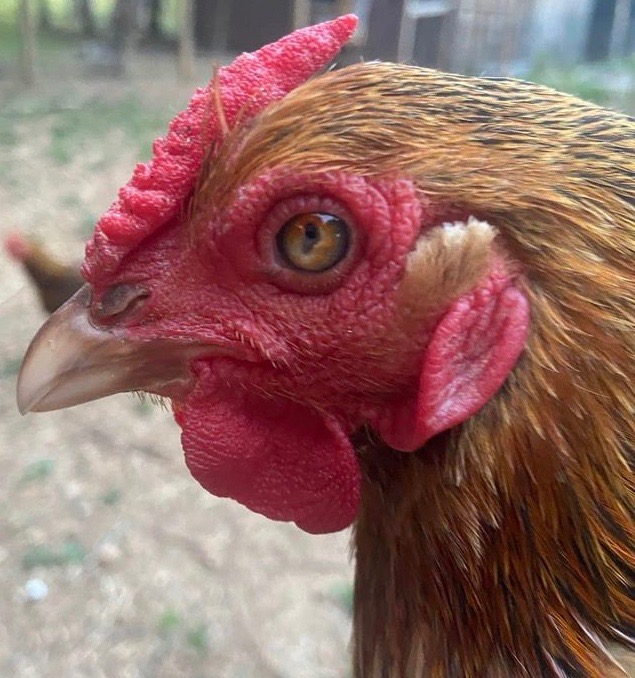
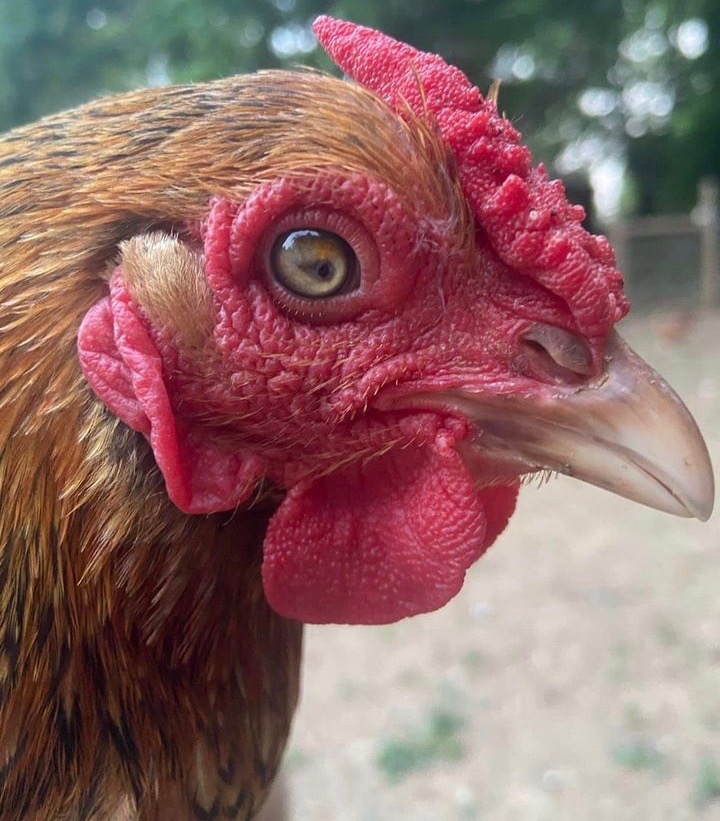
Dr Bowes: This is typical of the ocular form of Marek’s Disease. It often affects only one eye, but can affect both and presents as infiltration, changing the shape of the iris. Prognosis: the development of lymphosarcoma tumours in the brain and internal organs within six week, resulting in premature death.
Well that wraps up another edition of Show & Tell With Bitchin’ Chickens and Dr Bowes. I hope that it’s been a learning experience for you.
If you’d like help with a case drop me a line using the ‘contact’ button on my home page. Remember to wear gloves, take good close up photos from several angles and supply us with plenty of information (e.g. timelines, symptoms, medications, general flock health, etc) so we’re able to more accurately pinpoint what’s going on.
Thanks again to Dr Vicki Bowes for her willingness to share her wealth of knowledge and experience to build capacity and skills in small flock keepers.
 Bitchin' Chickens
0 comments on “Avian Pathology Cases: 35”