
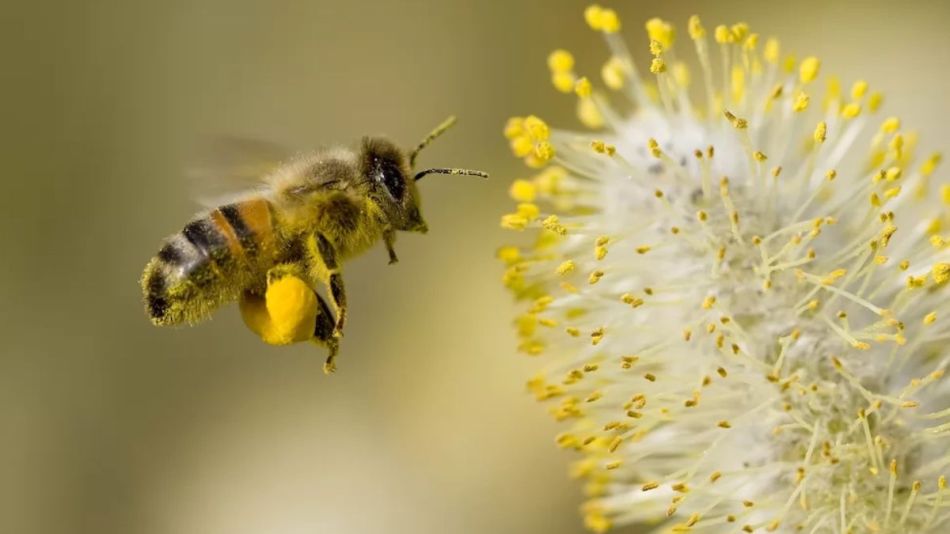
I’ve always been fascinated by bees: from their ability to create complex maps of potential food sources within their territory to working together collaboratively to creates amazing hives and, of course, producing honey. I’ve dabbled with the idea of raising bees but have never gotten around to it.
I’ve written a post about the health benefits of honey in chickens but two other products are also beneficial – pollen and propolis – which can be used as both a superfood and in some cases as a natural remedy and first aid product.
I once knew a beekeeper and music aficionado whose club name was DJ Propolis. I wasn’t really knowledgeable about what that substance was or how it was used, but he gave me a mini-class on the benefits of bee by-products.
Pollen
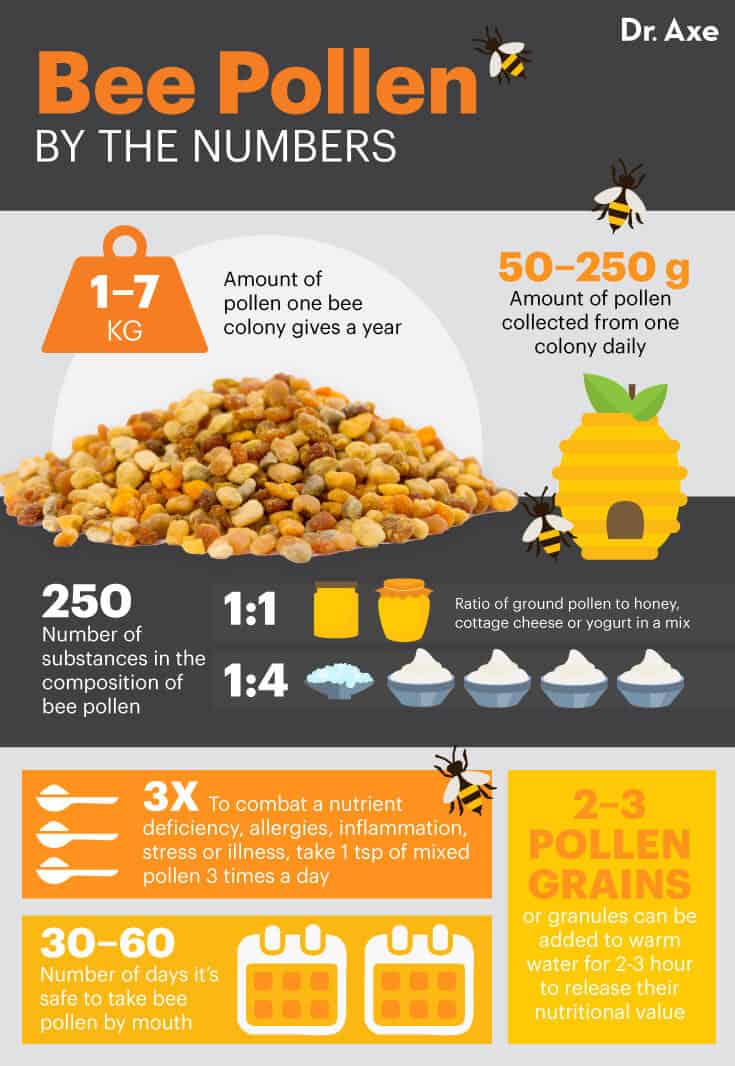
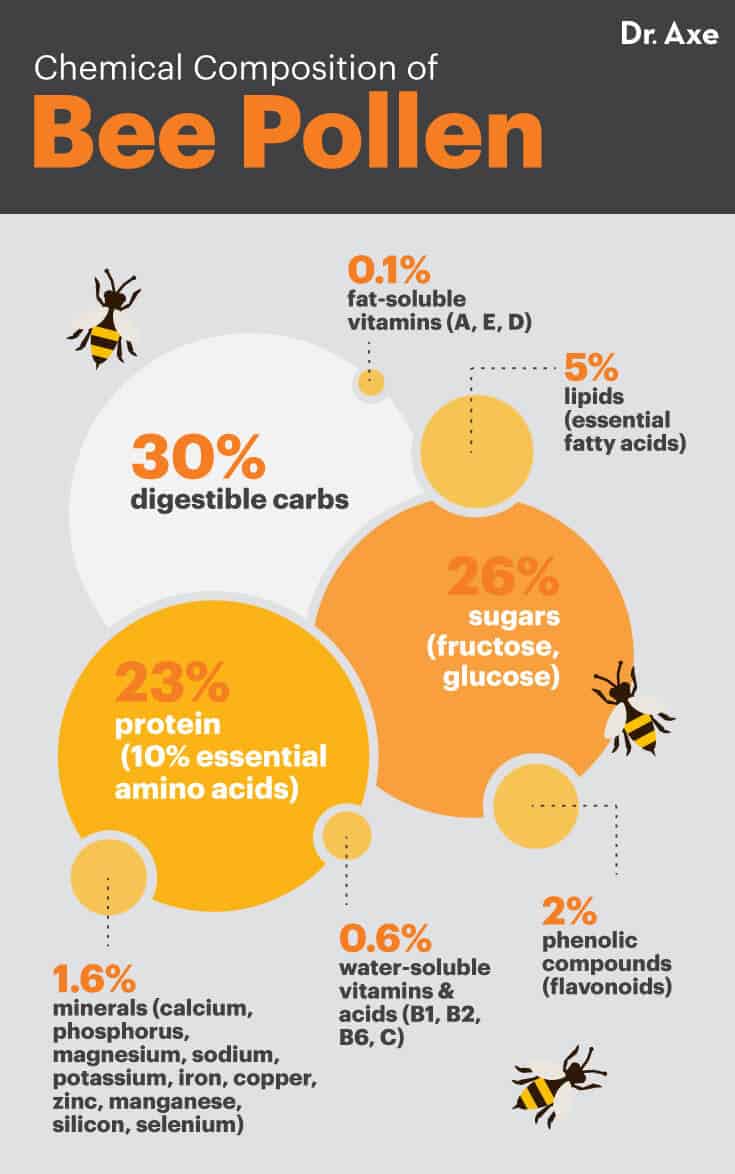
Bee pollen is made up of flower pollen, nectar, enzymes, honey, and wax collected by bees. It is a nutrient-dense superfood which contains:
- Vitamins: B-complex, vitamins A, C, D, and E, minerals, amino acids
- Antioxidants and immune-boosting compounds that help protect the body from infection
- Anti-inflammatory properties
Propolis
Propolis (bee glue) is a resinous product that honey bees produce by mixing their saliva, beeswax and exudate gathered from tree buds, sap or other botanical sources used to seal and protect their hives. The name comes from Ancient Greek própolis, literally meaning the outskirts of a city, which was originally used to describe the structure around the entrance to a hive and later applied to the glue itself.
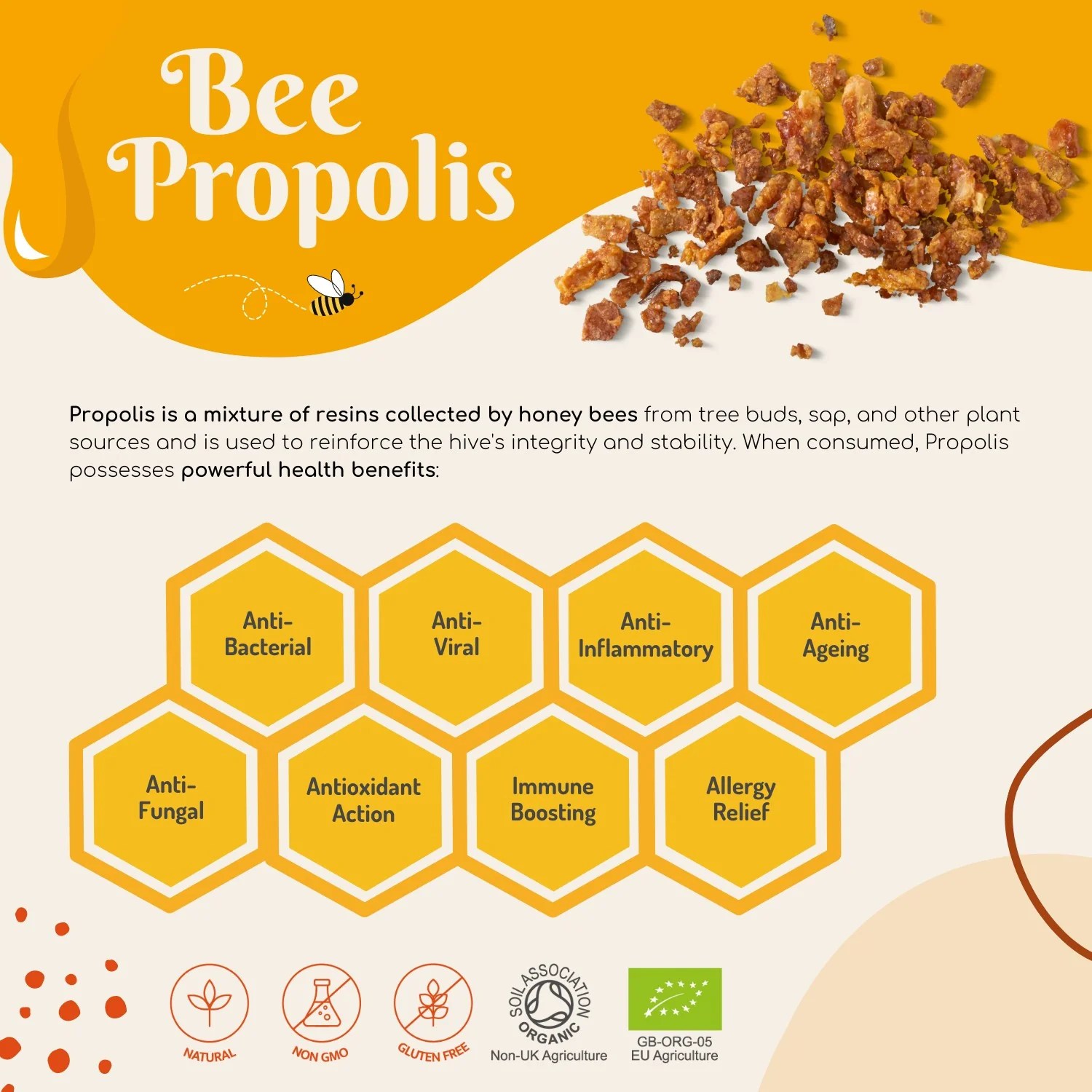
It’s uses include:
- As an antimicrobial effective against bacteria, viruses, and fungi, which makes it useful for wound care
- Immune booster rich in flavonoids and antioxidants that help strengthen the immune system.
- Speeds up the healing process for cuts, burns, and other skin injuries due to its antimicrobial and anti-inflammatory properties
Use In Chickens
- Studies have shown that including bee pollen (12 g/kg) in the starter diets of meat birds can positively impact growth and carcass yield
- Pollen is a highly nutritious substance, containing essential nutrients that can supplement a chicken’s diet. It provides proteins, amino acids, vitamins (like B-complex vitamins), minerals (like zinc and magnesium), and fatty acids. Including bee pollen in chicken feed may help improve the overall health and vitality of the flock.
- When fed to chickens, it may help strengthen their immune system, making them less susceptible to diseases. This is particularly beneficial for maintaining flock health during stressful periods or in environments with higher pathogen exposure.
- Studies support that it is a promising alternative to antibiotics and coccidiostats (dosage: 400- 800 mg/kg feed).
- Improves nutrient absorption and overall gut health, feather health and weight gain.
- Some studies suggest that bee pollen has mild antibacterial properties, which could help reduce the likelihood of bacterial infections in chickens. While not a substitute for proper veterinary care, it may help in preventing mild infections or illnesses.

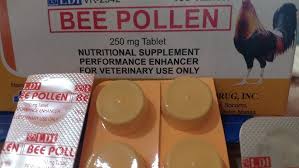
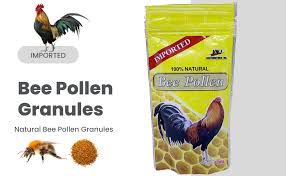
Application
- Pollen and propolis can be sprinkled over feed in small amounts (i.e. 1 tsp/bird per day)
- Use high-quality bee pollen from a reliable source to avoid contamination with pesticides or other harmful substances.
“The (study) results proved that propolis contains different chemical bioactive or inorganic compounds and amino acids that possess many biological properties, including growth promotion, antioxidant, anti-stress, anti-inflammatory, antimicrobial, immuno-potentiation, and blood parameters modulation activities. These indicate the impacts of propolis on the general health conditions, performance, and welfare of livestock. Dietary propolis is promising for further investigation into its applications in commercial livestock and poultry production. An effective collaboration between researchers and industry is needed to encourage the producers to implement such natural products.” – Wafaa El-Ghany, Sciendo
Credits: Dr Axe, National Institute Of Health, Wafaa El-Ghany Featured photo credit: Dreamtime
 Bitchin' Chickens
0 comments on “Superfood For Chickens: Bee Pollen & Propolis”