
I’ve kept chickens for more than 15 years but have no experience with other types of poultry. In partnership with my mentor Dr Vicki Bowes, avian vet/pathologist I’ve written some case studies featuring a wide range of domesticated species: ducks, geese, emu, turkeys, ostrich, peacocks and yes, a couple of times, quail.
Lots of chicken keepers also have other types of livestock and poultry so I wanted to feature some other options for the folks that might want to expand the types of birds they have.
I know nothing about domesticated quail except for watching Bernard Henry’s Fat Hen Farms reels featuring his adorable button quail. A few months ago I was interviewed by Poultry Nerd podcasters Jennifer Bryant and Carey Blackmon, both whom keep chickens and quail. I asked if I could adapt some of their posts about basic quail care, some of which I’ve incorporated here.
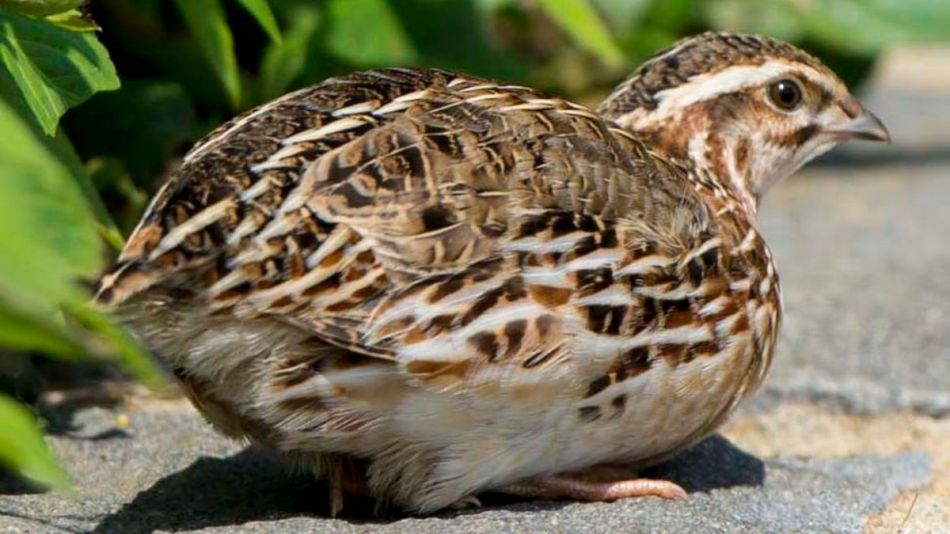
Japanese quail (Coturnix japonica) are small, ground-dwelling birds native to East Asia. Members of the pheasant family, they are closely related to the common quail (Coturnix coturnix) and have become popular for their meat and eggs.
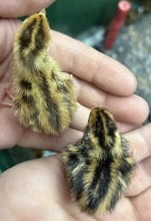
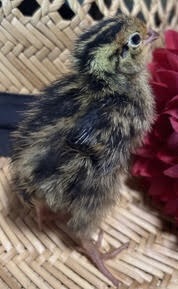
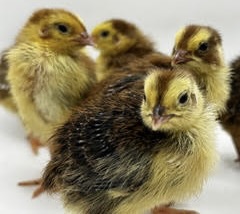
Photo credits: Jennifer Bryant
Similar to chickens, Japanese quail have several breeds with variations in colour, size and egg production.
- Size: 5”–8” long
- Weight: 3.2–5.3 ounces
- Lifespan: 2–3 years (longer in captivity)
- Mottled brown with streaks, with males having a reddish breast and females having a speckled, lighter-coloured breast
- Egg production: up to 200–300 eggs/year
- They are small, fast and able to fly short distances so need to kept in predator proof enclosures.
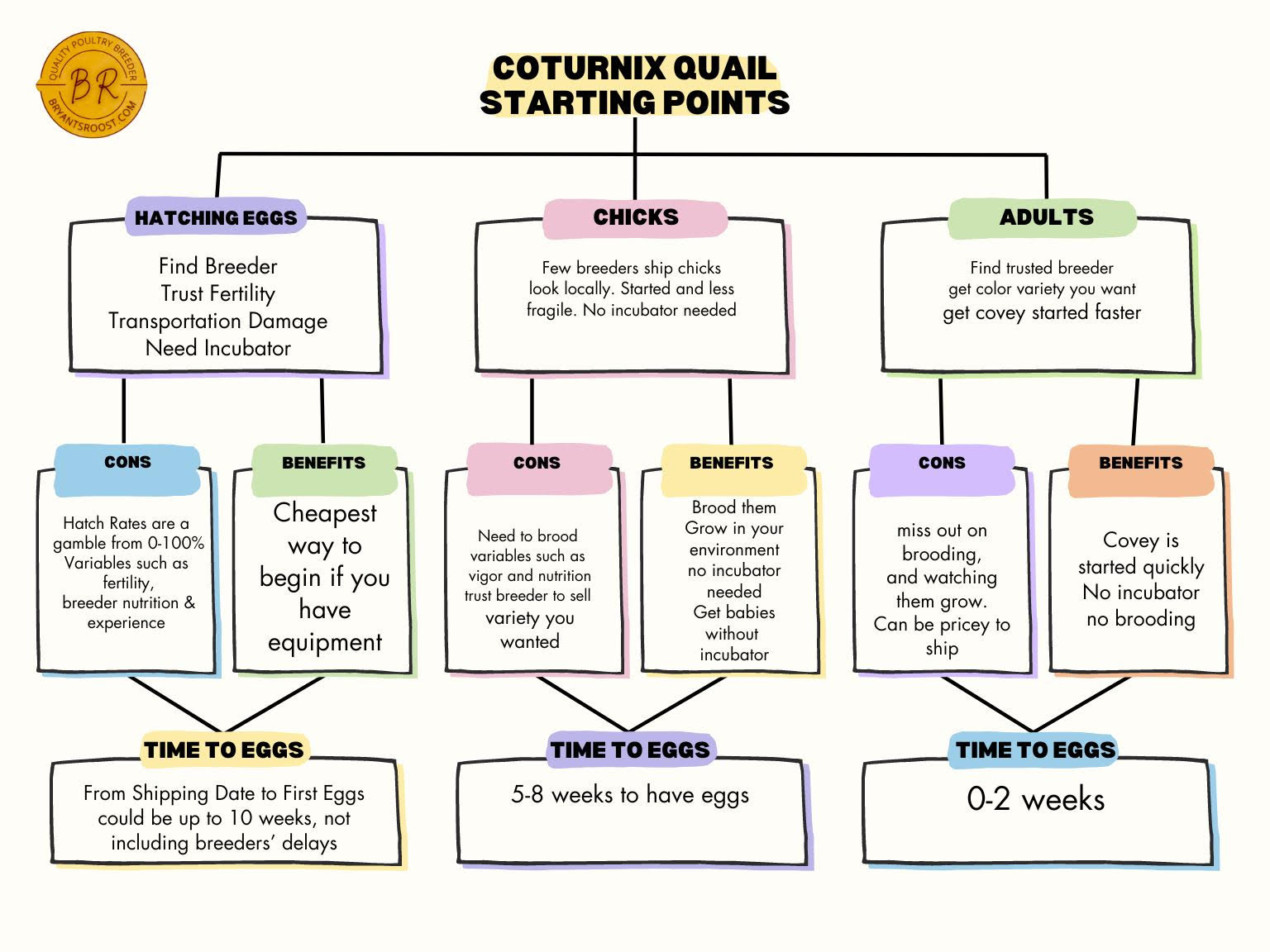
There are three ways to get started: eggs, chicks and adults. Try finding some locally to see if you like them, then try them out for a few months to see how they fit into your lifestyle. There are as many ways to keep them as there are people, and no two will do it exactly the same.
Depending on your needs, you might only want hens for eggs and pets. Or if you’re looking at meat birds they are a versatile bird to grow, keep and harvest and are a good source of protein for people, dogs and reptiles.
You may want a steady supply and can use an incubator to hatch chicks. Maybe you want to raise them from chicks but don’t have an incubator. Find what works for you. If you decide to get shipped birds, find a reputable breeder. USPS Express is the only way to ship live birds.
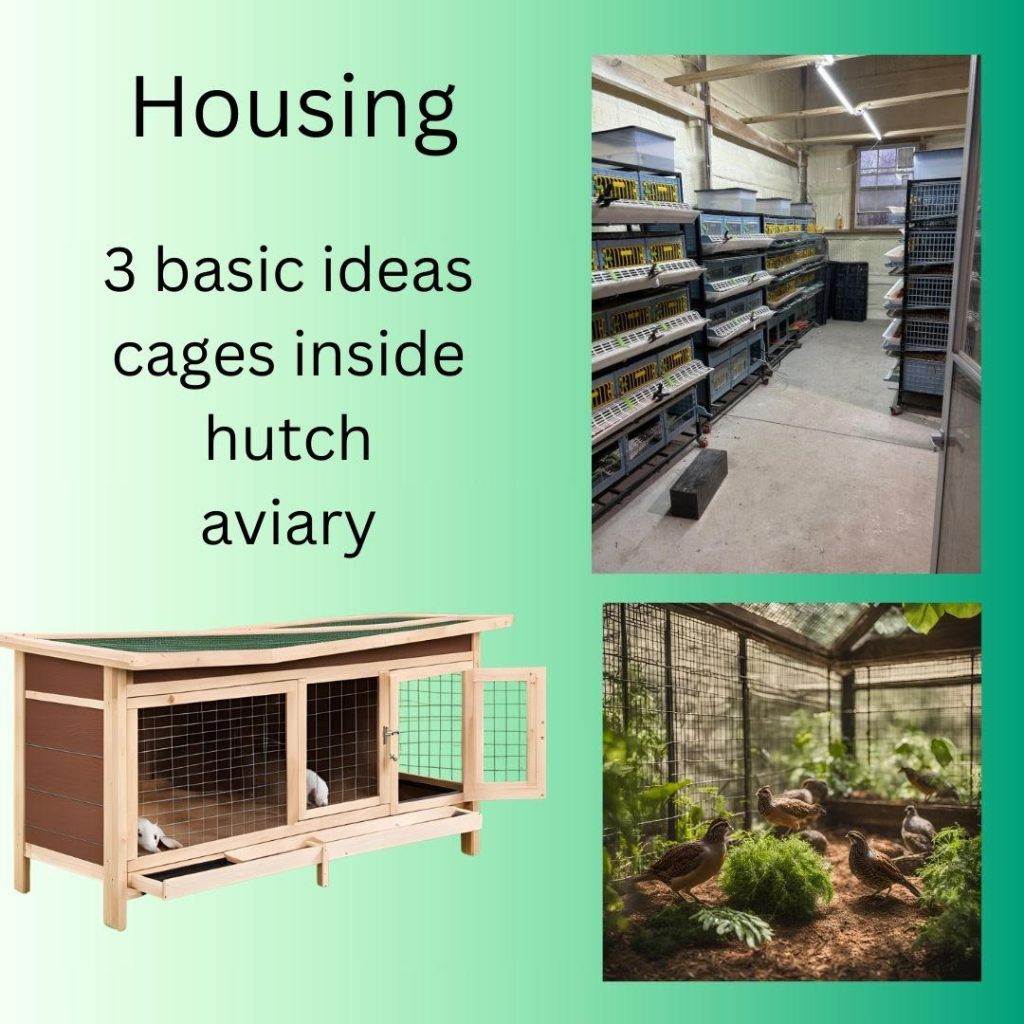
Care
- Quail, like chickens, are foragers and need space. They may be small but adequate housing is important so they are not overcrowded or stressed.
- Housing choices will vary widely. For people raising for personal meat and eggs, a rabbit hutch can work really well. For pets and eggs, an aviary can work.
- Make a list of what you want and how much work you want to do. Every set up has pros and cons: cages have poop trays, aviaries contain deep litter and eggs can be overlooked.Hutches can be moved and manure can fall on the ground.
- Their enclosure/aviary should consist of 7mm square wire or solid flat galvanized metal sheet to prevent injury to their feet and to prevent predators from getting in. At least half of the roof should be covered to protect from the elements and one wall should be solid.
- Quail are easily startled so a double door or higher door should be used to prevent escaping.
- They enjoy hiding, so include some boxes, tunnels, or plants (safe for birds) to encourage natural behaviours.
- Quail don’t bathe in water but use a dust bath which could be directly on the ground or in a separate container like a litter box. All poultry are predisposed to bumblefoot if kept on surfaces that might abrade their feet. Avoid wire floors. Cover a concrete floor with clean dry sand and a layer of dry leaves, shavings.
- They’re naturally shy and skittish but can be acclimated to human interaction over time. Approach them gently and avoid sudden movements.
- They are social birds and do best in small groups (at least 2-3 birds). However, be cautious when keeping males together, as they may become territorial and aggressive.
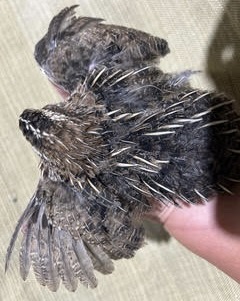
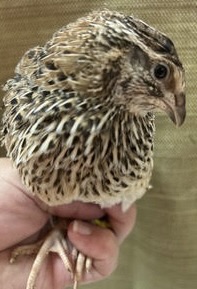
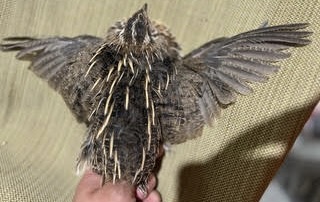
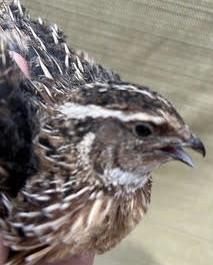
Photo credits: Jennifer Bryant
Temperature
- Coturnix quail prefer temperatures between 65°F (18°C) to 75°F (24°C). They are quite hardy but should be kept in a draft-free area.
- Keep their environment dry and avoid excessive humidity, which can cause respiratory issues or lead to mold in their enclosure.
Diet
Quail feed requirements vary depending on their age and the season:
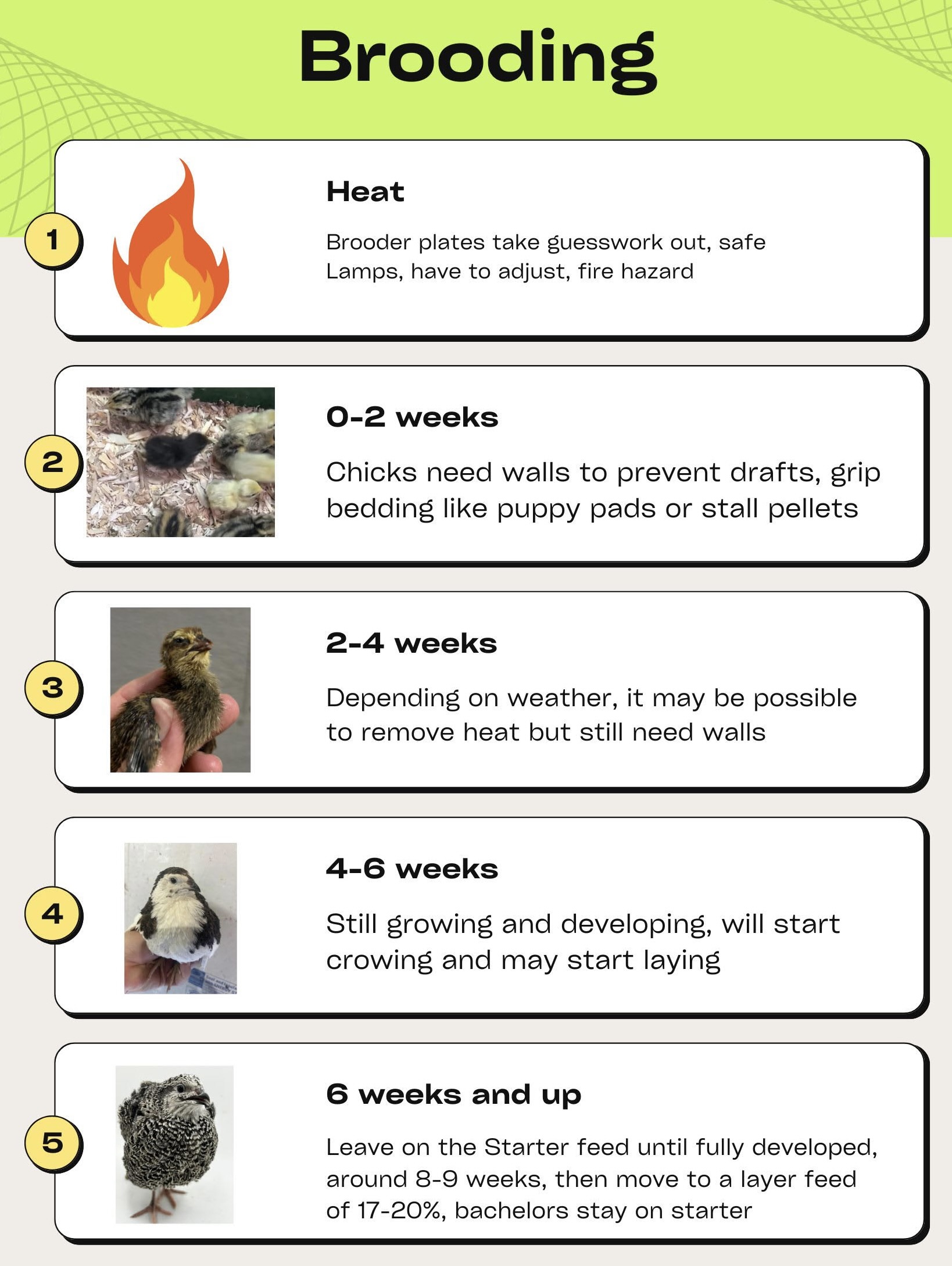
- Young birds (6 weeks and under) require 25% protein and 1% calcium.
- Adult Coturnix eat about 18–20 grams of commercial game bird crumbled feed per day
- Most commercial starter ration for game birds or turkeys contains 25-28% protein. If unavailable, chick starter (20-22% protein) can be substituted.
- Mature birds require similar protein and calcium as chicks, but require more calcium and phosphorus. Crushed oyster shell or ground limestone can be offered.
- Laying hens’ diet should contain about 24% protein.
- Fresh vegetables, seeds, grains, mealworms and other small insects as well as safe table scraps can also be offered to supplement the diet. They should have access to clean fresh water at all times.
- The stress from being deprived of feed/water can lead to cannibalism.
Breeding and Hatching
- Coturnix quail reach sexual maturity between 6-8 weeks of age.
- If you’re breeding, ensure there is a ratio of 1 male to 3-4 females to prevent aggression.
- Provide nest boxes for the hens, where they can lay their eggs. Quail lay one egg/day during the breeding season.
Egg Collection and Incubation
- If you’re keeping them for eating, collect eggs daily to prevent them from becoming dirty or broken.
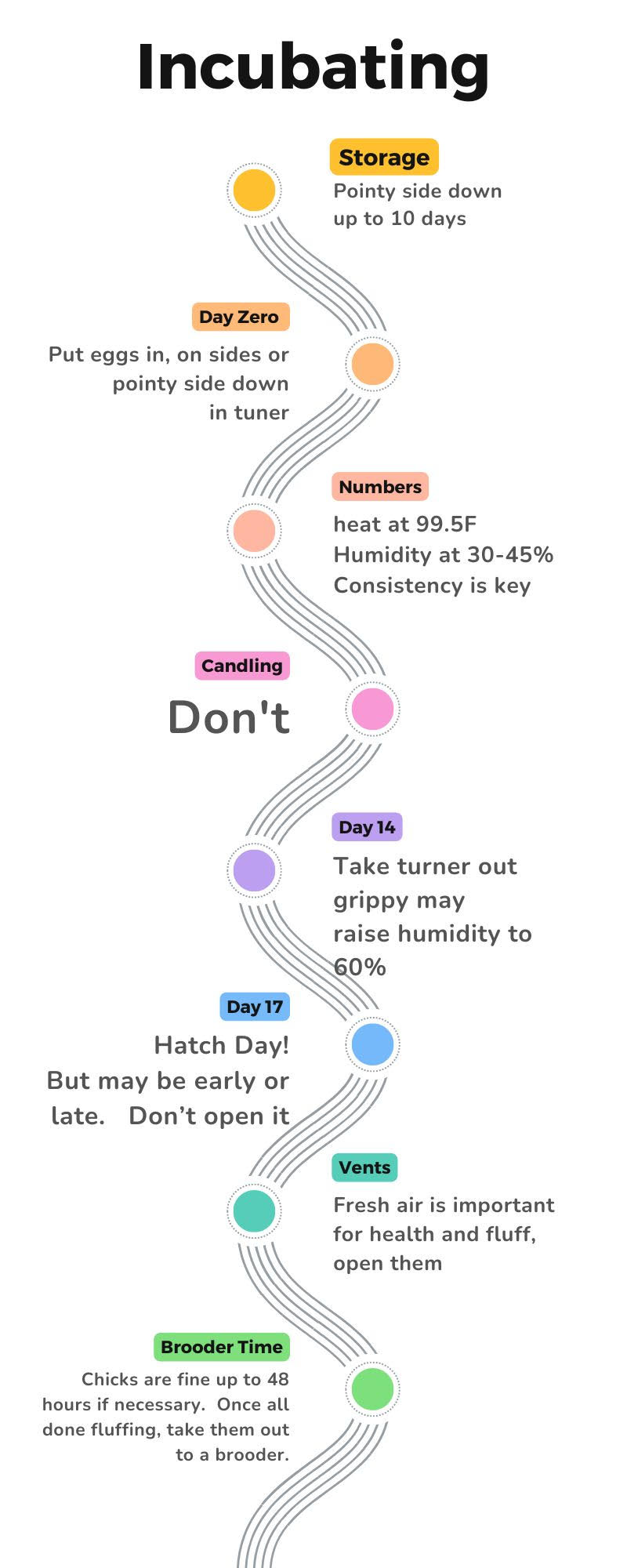
- If you plan to hatch chicks, a humid incubator set at 99-101°F (37-38°C) is ideal. The eggs require 16-18 days of incubation.
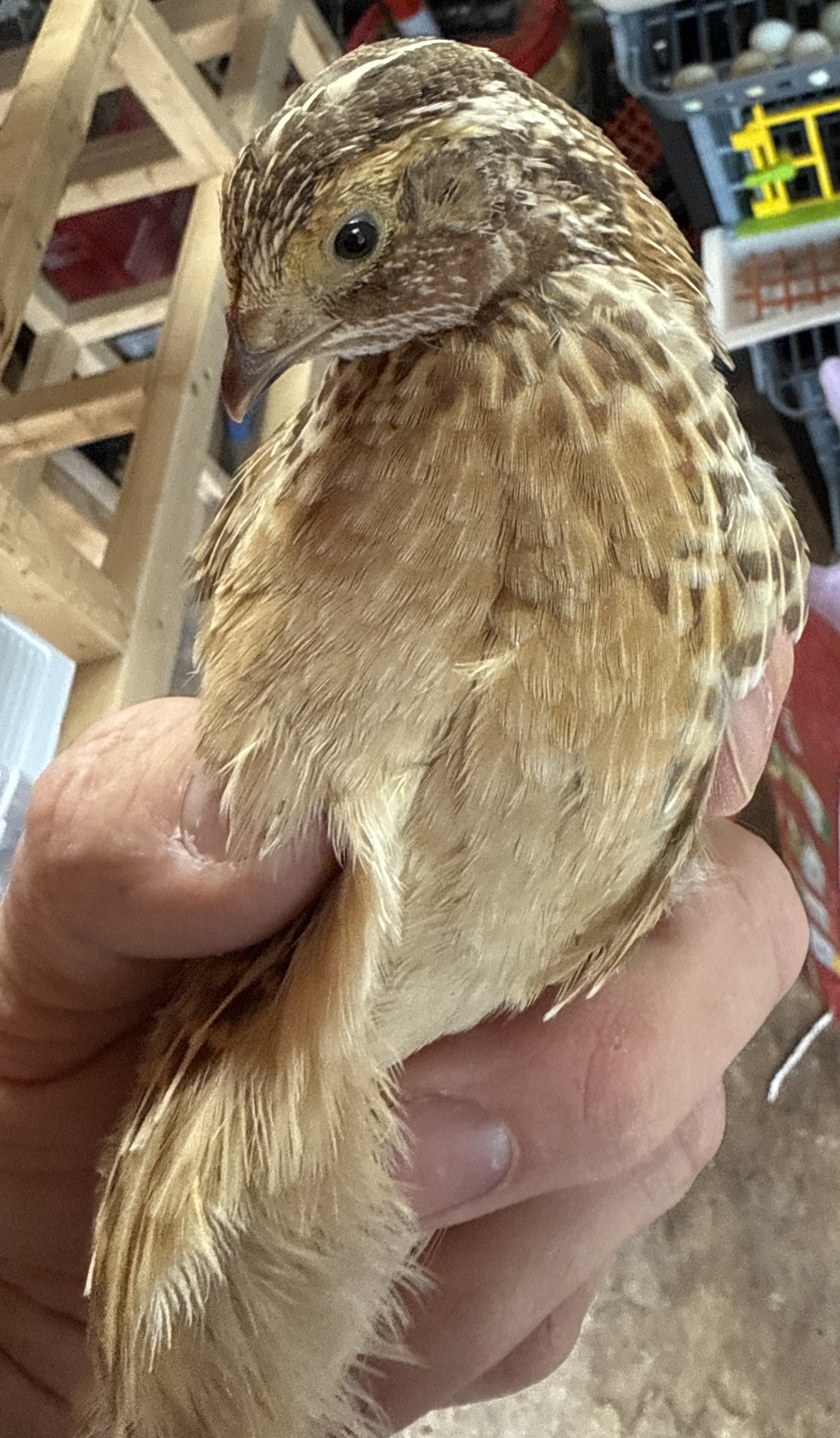
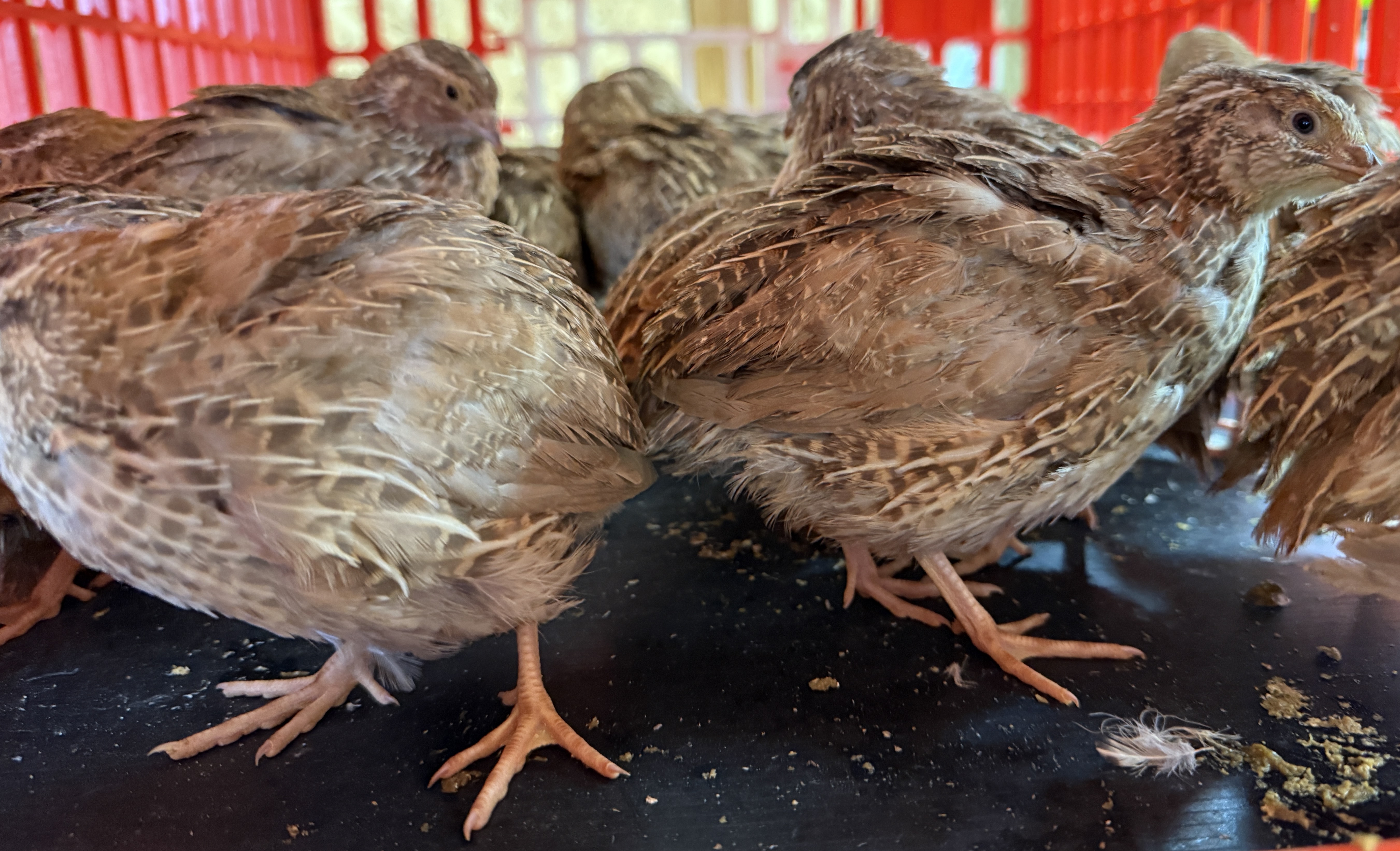
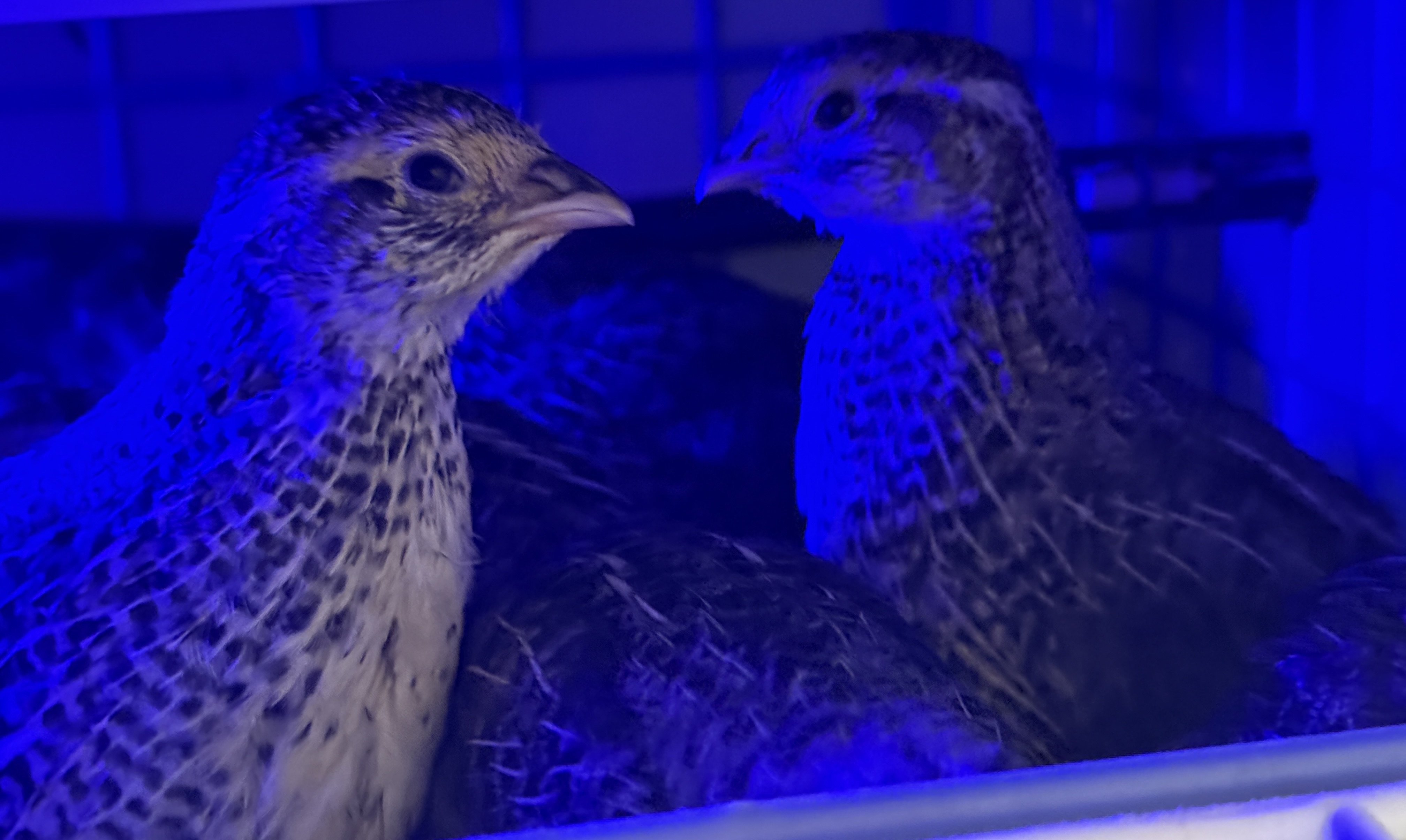
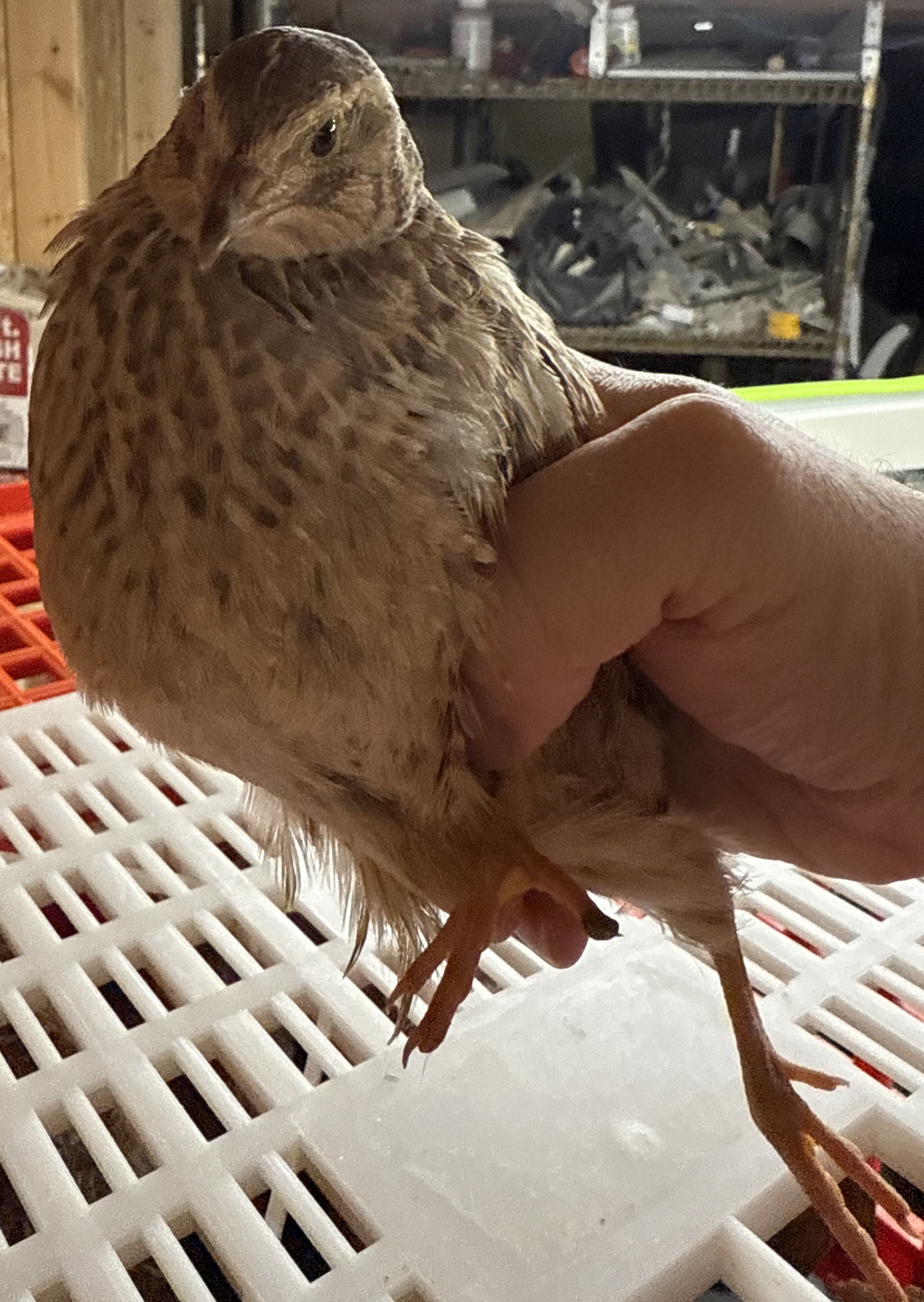
Photo credits: Carey Blackmon
Common Issues
- Incorrect ratio of male to female (less than 1:4) can contributes to fighting between males and excessive mating of the females which may lead to injuries and/or death.
- Injuries, including broken toes and wings, from being startled and flying into the side or roof of the cage are quite common.
- Expect to see some of the same health issues in quail as you do in chickens: 1- Internal parasites are common in most poultry that are kept on soil or sand; both of which provide a good environment for worms to breed. They are also vulnerable to external parasites (lice or mites); 2- Quail are susceptible to a range of viruses that can cause symptoms including skin lesions and respiratory disease; 3- Reproductive diseases are common in hens.
The best advice I can give you is enjoy the journey. You will make mistakes, but don’t get discouraged. Once you get through the first eight weeks, you should see the big picture and can make adjustments to suit what you need.
Thanks to Jennifer Bryant of Bryant’s Roost and Carey Blackmon of Alabama Feed & Supplies for sharing their expertise, photos and graphics, used with permission.
 Bitchin' Chickens
0 comments on “Keeping Japanese Quail 101”