
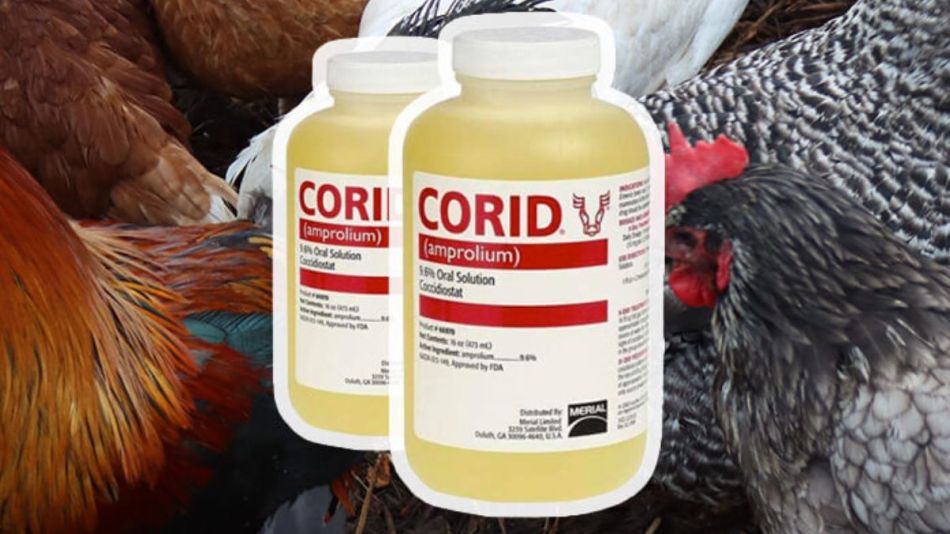
Amprolium (Corid) is a widely used medication in poultry for the treatment and prevention of coccidiosis, a parasitic disease caused by Eimeria protozoa. While highly effective, amprolium’s works by interfering with thiamine metabolism raising important concerns about potential vitamin B1 (thiamine) deficiency in treated birds. Understanding the balance between treating disease and maintaining nutritional health is essential for responsible poultry management.
Amprolium is a thiamine analog used to control coccidiosis by inhibiting thiamine uptake in Eimeria parasites. It works by competing with thiamine at absorption sites, effectively starving the coccidia and disrupting their ability to multiply and cause intestinal damage. It’s typically administered via drinking water at either a preventive or treatment dosage, depending on the severity of the infection.
The Role Of Thiamine in Chickens
Thiamine (Vitamin B1) is a water-soluble vitamin essential for normal nervous system function, carbohydrate metabolism and overall energy production. Chickens cannot synthesize thiamine on their own and must obtain it through their diet. A deficiency can result in:
- Neurological symptoms (e.g., head tremors, stargazing, incoordination)
- Poor growth and weight loss
- Lethargy and general weakness
- Digestive issues due to impaired metabolism
How Amprolium Can Lead to Thiamine Deficiency
Because amprolium mimics the molecular structure of thiamine, it can inhibit the absorption of actual thiamine not just in protozoa, but also in the chicken’s own cells. When used as prescribed for a limited duration, this competitive inhibition is typically safe. Issues can arise when:
- High or prolonged doses are used
- Birds are already marginally deficient in thiamine
- The flock is fed low-thiamine rations, such as heat-processed or moldy feed
The risk of deficiency increases in young chicks, who have higher metabolic needs and are more vulnerable to both coccidiosis and vitamin imbalances.
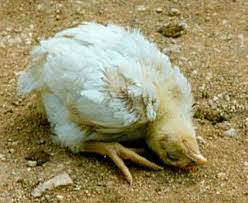
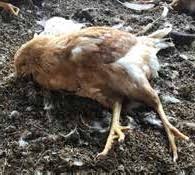
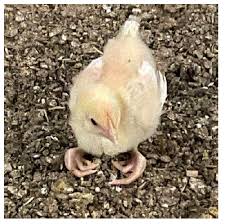
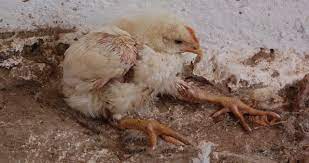
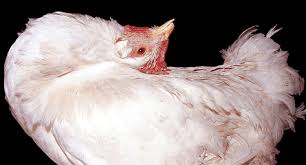
Symptoms
- Wryneck
- Paralysis or ataxia
- Muscle weakness
- Poor feathering
- In severe cases, sudden death
Best Practices
Use Correct Dosage: Follow the label instructions or a veterinarian’s guidance for either preventive or curative use. Typical treatment: 5–7 days.
Avoid Overuse: Do not extend treatment beyond recommended duration unless under veterinary supervision.
Supplement Thiamine After Treatment: Once the course of amprolium is complete, consider supplementing the flock with vitamin B complex, especially thiamine, for 3–5 days to restore balance. The highest food sources of thiamine are Brewer’s yeast, wheat bran, cereal grains, beans and nuts.
Avoid giving thiamine during treatment, as it may counteract the drug’s efficacy.
Feed a Balanced Diet: Use quality, properly stored feed formulated for poultry. Avoid stale or moldy grains, which can degrade B-vitamin content.
Monitor for Deficiency Symptoms: Keep an eye on birds’ behaviour and energy levels during and after treatment.
A Veterinarian’s Perspective
I recently did a necropsy on a rooster that was experiencing neurological signs. There were several other chickens in their flock experiencing similar signs and dying within a matter of days. The owners were devastated and thought they had a bad case of Marek’s Disease. The necropsy of the rooster revealed absolutely no abnormalities to any organs or signs of disease.
The same owners brought me one of their live chickens the next day for an exam. Ataxic, difficulty walking, head tremors, reduced appetite, lack of proprioception. After getting a lot of history from the owner, it turns out that their chickens were experiencing intermittent diarrhea. They were given advice, on a Facebook group, to give a treatment of Corid to treat coccidia. These owners were never given a diagnosis of coccidia or parasites. The diarrhea went away, so they assumed that the diarrhea was because of parasites. Anytime their flock had diarrhea, they used Corid.
An important thing to know about using Corid or any medicated feed with Amprolium is that it decreases Vitamin B1, aka thiamine. Thiamine deficiency in adult chickens causes all of the clinical signs listed above. In young birds/chicks, you may see wry neck or stargazing. These chickens were getting sick and then dying, because of thiamine deficiency. The Corid was depleting their bodies of an essential vitamin.
I share this case because of my concern of people giving advice without knowing the history of an animal, the lifestyle, food, deworming protocols, or diagnostic results. Veterinarians order certain diagnostics and treat diseases appropriately according to those diagnostics. There is a small percentage of non-vets that know a great deal about chickens and other poultry, but no one, except a veterinarian should be diagnosing or offering medical advice, especially when it comes to giving medications. -Dr. Nicole M. Headlee, DVM
Amprolium (Corid) is a valuable tool in the fight against coccidiosis, a potentially fatal disease in poultry. However, its thiamine-blocking action means that careful use is required to prevent unintended thiamine deficiency in chickens. Poultry keepers should aim for precision in dosage, limited treatment duration, and post-treatment nutritional support to ensure birds stay healthy and resilient.
By understanding the relationship between amprolium and thiamine, backyard and small-scale poultry keepers can make informed decisions that safeguard both the immediate health and long-term vitality of their flock.
Credits: Dr Nicole Headlee, DVM Featured photo credit: Chicken Fans
 Bitchin' Chickens
So, if you have to treat for Coccidia, how long after treatment stops before you can begin to replace the thiamine with supplements? Would you supplement immediately or wait until you got a negative fecal result? Excellent information by the way!!
LikeLike
I would wait until you had evidence that the coccidia were under control. I have treated with Corid with no issues so didn’t supplement with thiamine post-treatment.
LikeLike