
I imagine that many of you are familiar with “What To Expect When You’re Expecting“, a book recommended to pregnant women about various scenarios that a woman could encounter regarding the health of her baby. I’m sure the author’s intention wasn’t to scare the sh*t out of expectant parents, but some folks might have reacted that way.
It seems like advice to new chicken ‘parents’ is quite the opposite: birds are simple, low maintenance pets that once you’ve secured a decent shelter all you have to provide is food and water. From years of chicken keeping, and far too many hours spent in online poultry groups, I can attest to the fact that chickens are vulnerable to pathogens and predators and plain old ignorance from their well meaning keepers. And the difference between human parents and chicken keepers is we may not have access to reliable professional help.
New parents are coached on kid-proofing their home, car and environment to protect their little charges from innumerable potential dangers lurking around every corner. I wish that chicken keepers were as vigilant and aware of everyday risks that could affect their flock: attacks by dogs, being run over by cars, injured by unsecured coop doors or ramps, stepped on by other livestock, to name just a few.
I’ve put together a handy checklist for fellow poultry keepers to keep you on your toes and looking out for potential dangers so you can avert them.
Coop & Brooder Fires
One of the perennial debates in online chicken groups is the question of whether chickens need heat or not and if so, from what source?
Chicks need a heat source until they are fully feathered around 6-8 weeks of age. When using a heat lamp make sure it is well secured, has a wire cage attachment to protect the bulb and is out of reach from chicks that could fly up and bump it. Don’t trust the clamps. They can slip, causing the bulb to fall and set bedding on fire. Or touch a wooden wall which is an ideal fire starter.
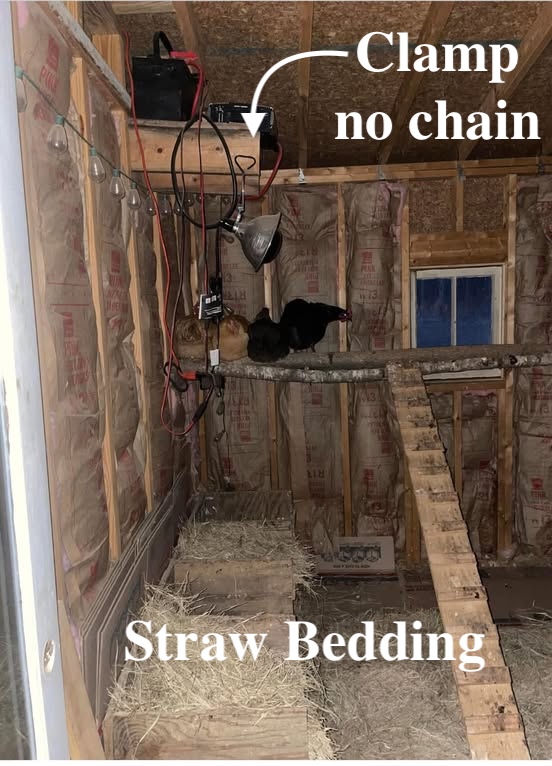
Some folks who live in very cold places use supplemental heat in the winter to keep the chickens warmer. Feathers are an ideal insulator. By heating the coop you are acclimating them to higher temperatures, which make it more difficult when they are outside away from the heat or if there is a power outage. Of greater concern than keeping your birds warm is protecting their combs, wattles and feet from frostbite.
If you are providing a lamp for your hens to encourage them to maintain their egg production, make sure the bulb is protected with a wire cage and put on a timer so they don’t get more than 14-16 hours/day.
Alternatives to heat lamps are heat plates or pads. Heat plates are a bit more expensive than heat lamps, but they are built to last longer and you won’t have bulbs to replace. Most heat plates come with adjustable legs so you can raise the plate as your chicks grow.
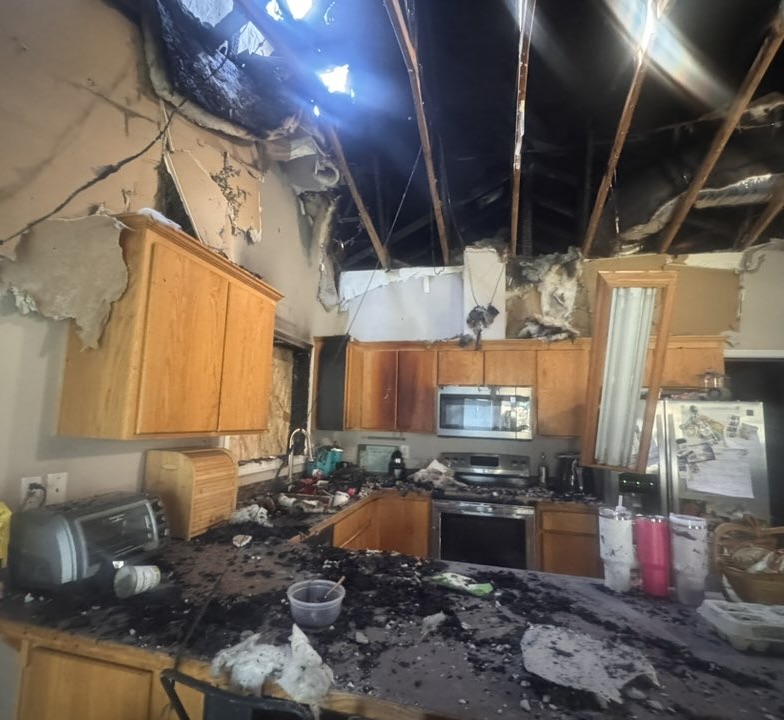
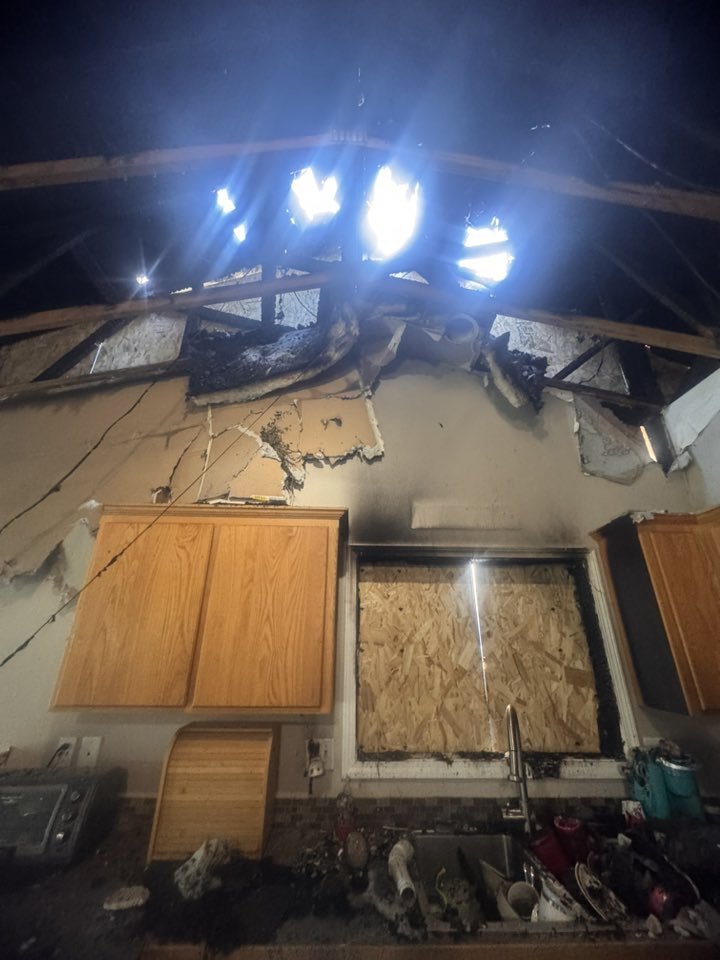

“I think I win (or lose) for most expensive eggs. The heat lamp outside the house caught my shed and then my house on fire. I’ve seen the heat lamp posts, you think you take precautions and it won’t happen to you. Use a heat plate and get rid of those heat lamps.” – Anonymous


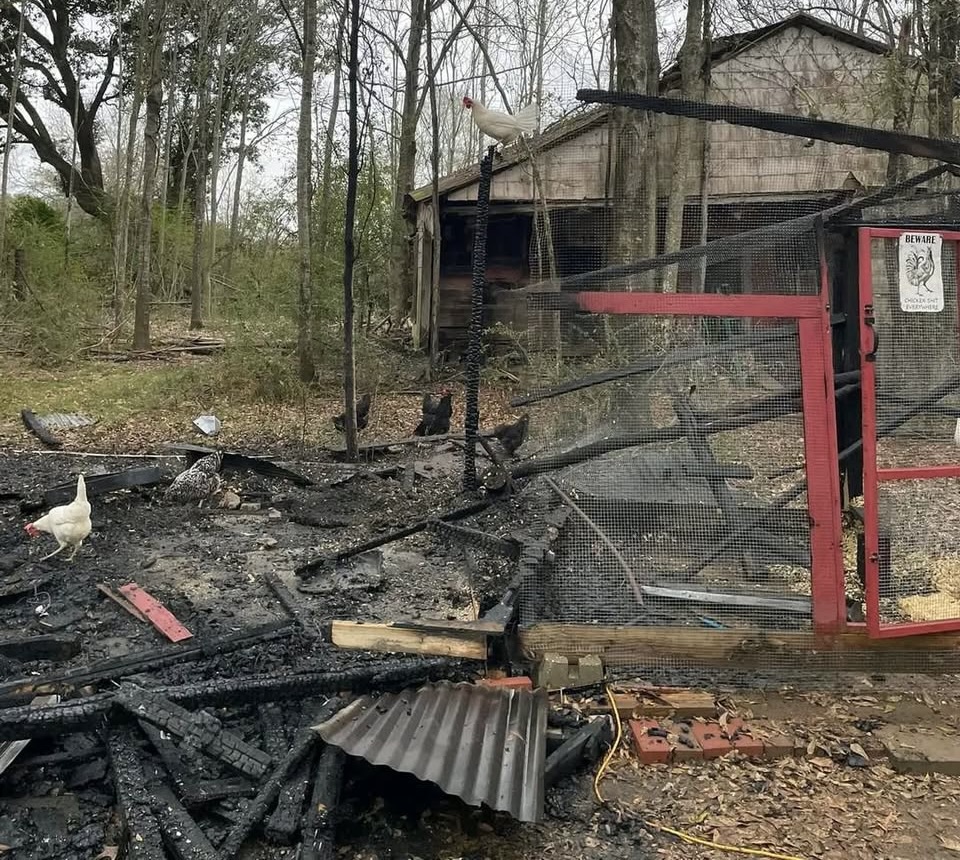
“The chick brooder plates are not safe as you think. All but one chicken got out. Normally we aren’t a heater family but we had a few small Silkies that needed a little extra help. Next time I’ll just bring them inside.” – Backyard Chickens
Entanglement
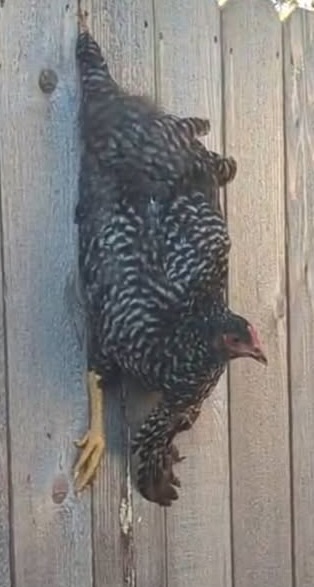
Chickens can easily get caught up in plastic netting or metal fencing. If they end up hanging upside down it can cause dislocation, fractures, nerve damage and even, death. If you’ve got a rooster trim (not remove) his spurs to prevent potential injury. I have half a dozen hens with spurs, smaller than my rooster’s, but still able to get caught in fencing. Last year, one of my hens did get caught in the pen netting. Luckily, she was lying on the ground, but unfortunately that made her a target of pecking from the panicked flock. (She made a full recovery after a few days in the infirmary). – Adam Zaragoza
Foreign Body Ingestion (Pica)
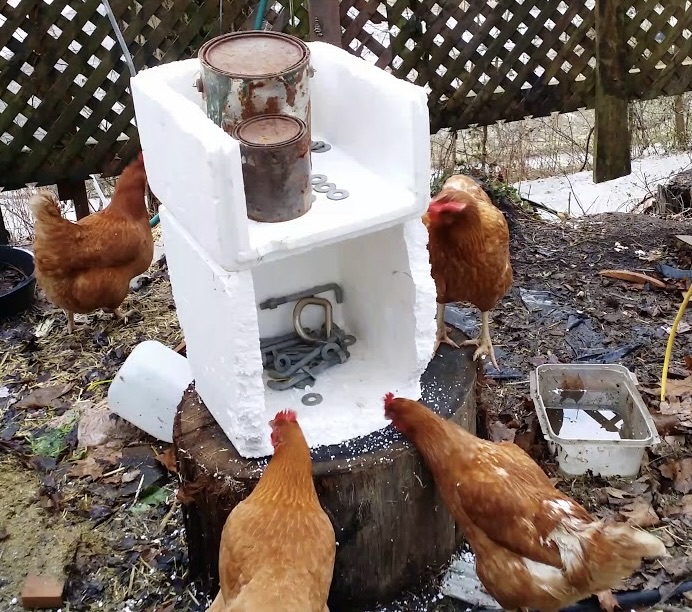
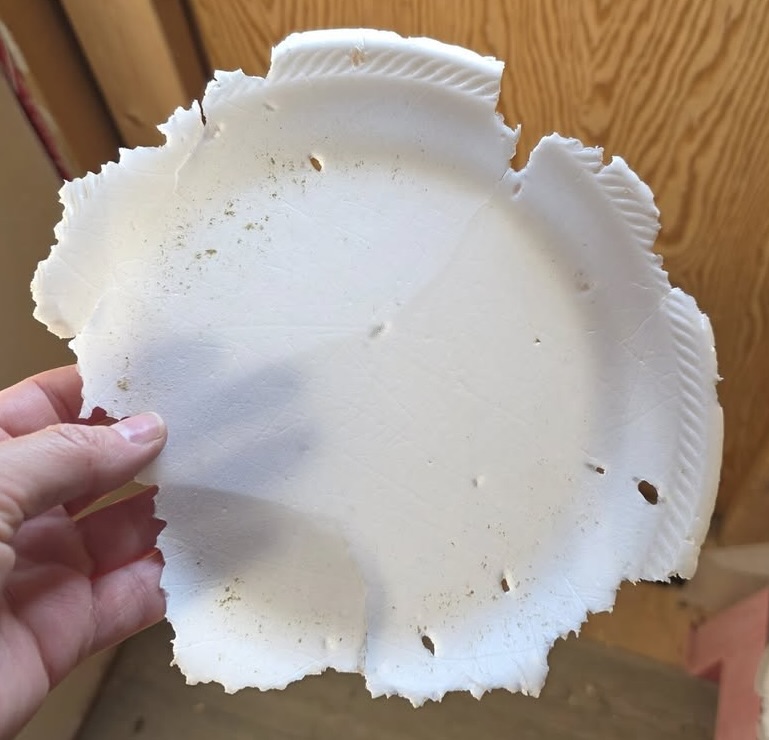
Chickens explore their world beak first and often peck at things that aren’t edible or healthy. I don’t eat my own birds, but I’ve heard a number of stories from folks who’ve found an interesting array of metal, rubber and glass in their birds’ gizzards when butchered.
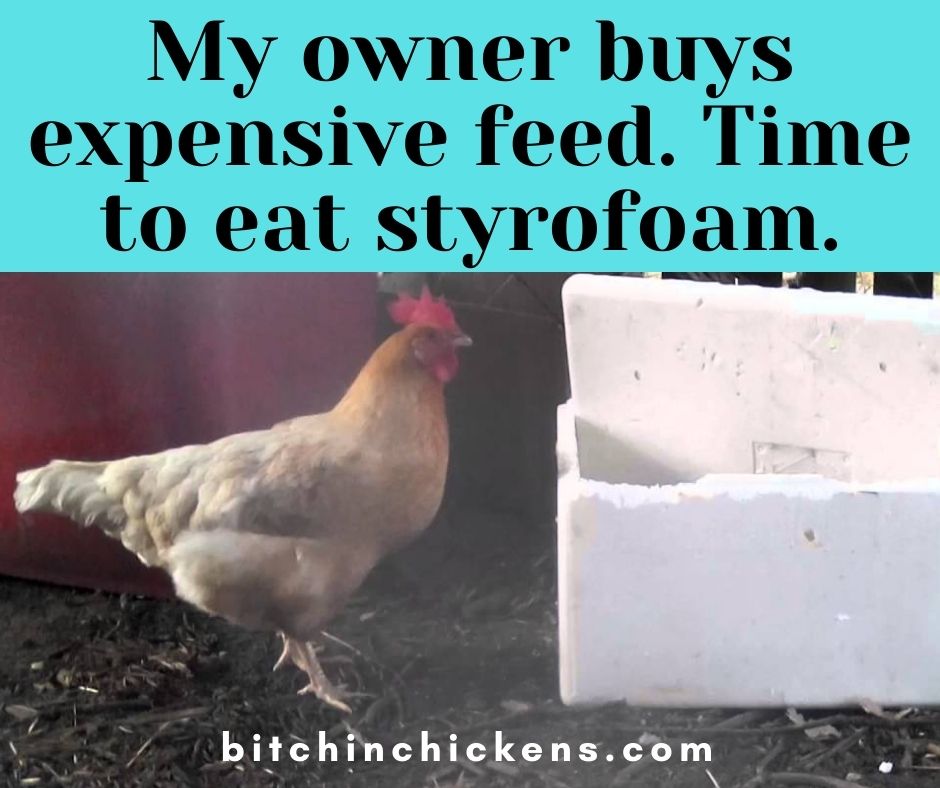
They say diamonds are a girl’s best friend, but apparently chickens like them too. I’ve read of cases in which owners are holding their chickens close to their face and the birds, attracted by shining things, peck out earrings and nose studs in no time. They also love bits of plastic, cigarette butts, hair bands, styrofoam … you get the picture. They’re fast, so make sure to keep anything of potential interest out of sight/reach. Styrofoam, apparently, is a particular favourite.
Rat Trap Injuries
If you’ve got chickens you’ve probably dealt with mice or rats – I’ve got both.
From my experience, once they get into your buildings, whether it’s a house or coop, they can cause damage by chewing insulation, wiring and plumbing. Damaged wires are a fire hazard. And once inside the walls it’s harder to eradicate them. They can eat chicken feed and eggs. I once watched an online video of a rat stalking and killing a bantam chicken at night.
Rats are carriers of pathogens that affect both chickens and people. They carry diseases on their feet and in their droppings, which can contaminate bedding, coop floors, feeders and waterers.
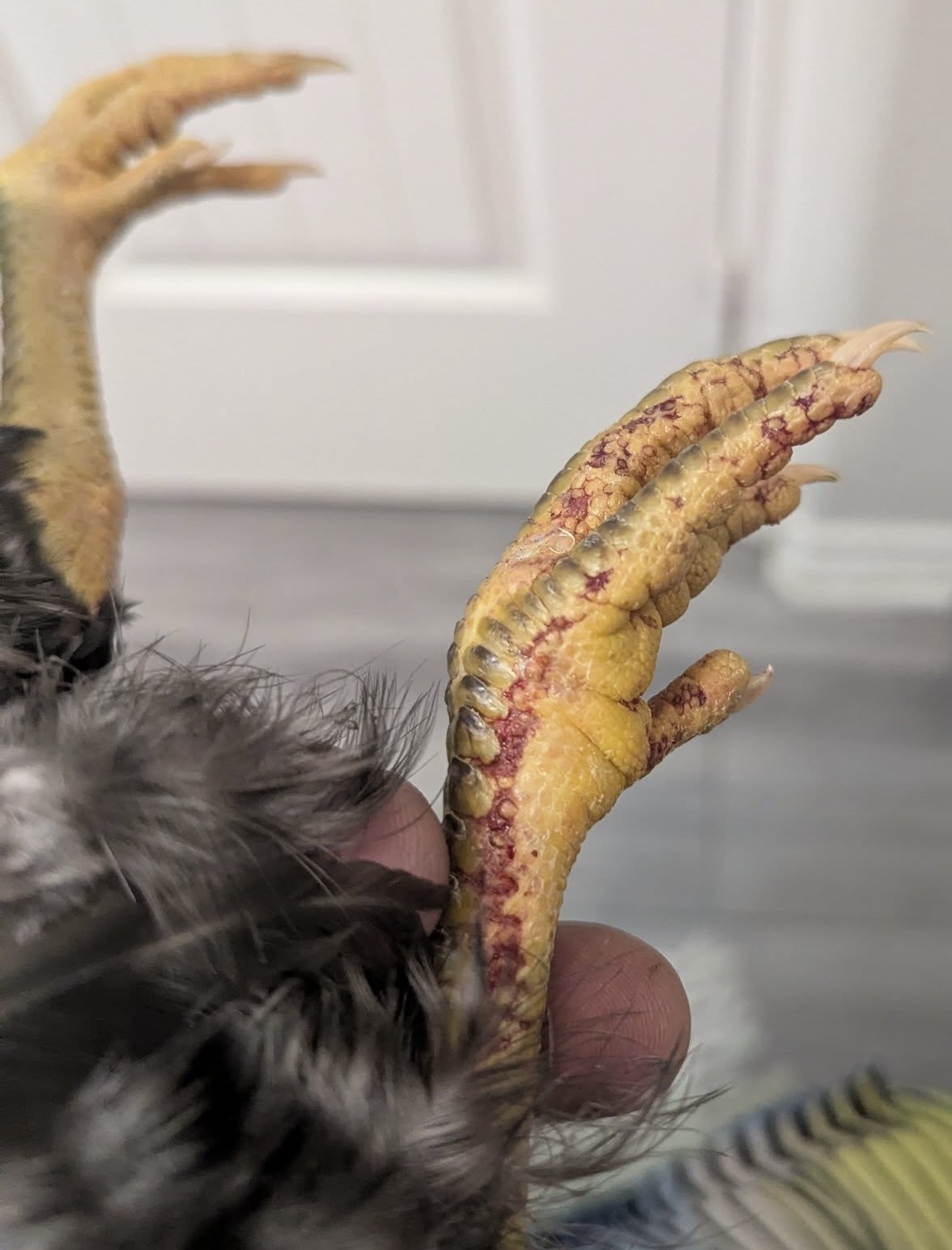
I’ve been contending with rats in my coops for the last couple of years. Everyone has their favourite ways of eradicating rodents but, for the most part, I haven’t had success with bucket or electronic traps. I refuse to use poison. My go-to are snap traps and have tried to be vigilant not to place them where wild birds or my flock can get into them. Recently my hens followed me into the area of the coop where I placed the traps. I thought they were well protected, but a moment later I heard a snap and realized one of my hen got caught. Luckily, it was just one toe and there was no lasting damage. Some birds, especially chicks or those who have a leg involved can suffer greater injuries.
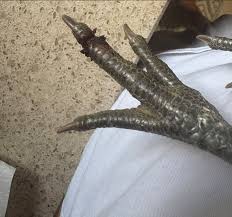
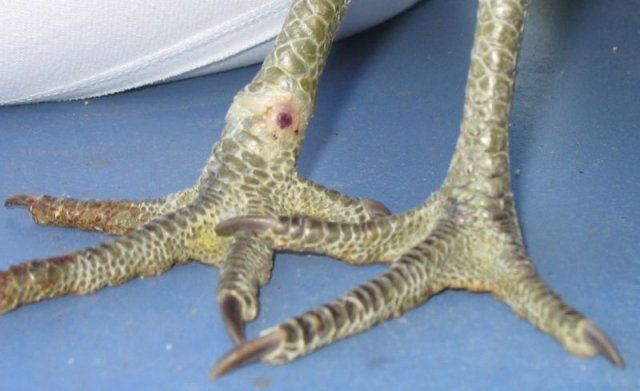
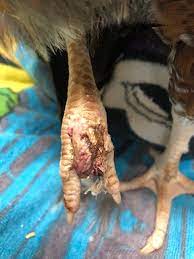
Photo credits: Jessica Legen; Unknown; Nifty Chicken
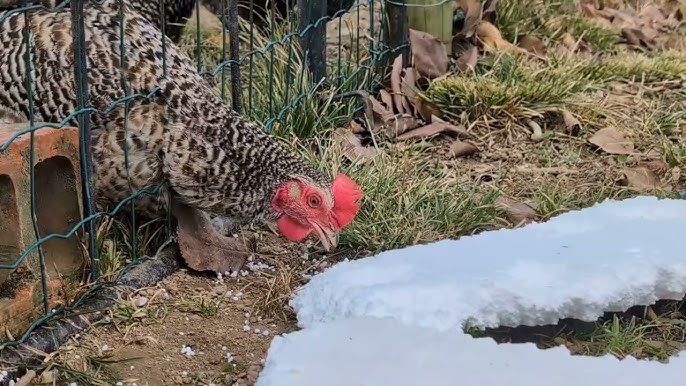
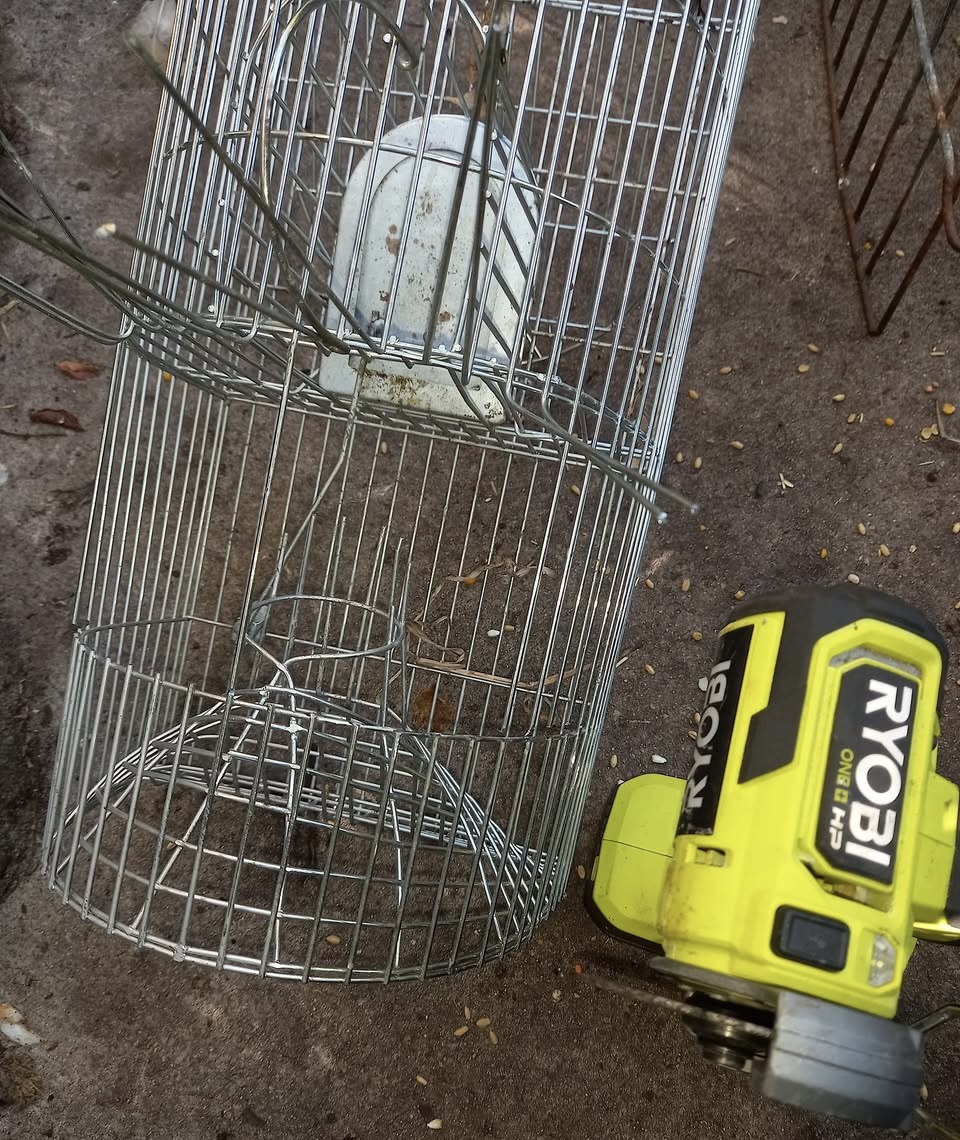
I got this supposedly chicken-safe trap. After 18 months it never caught any rats but this morning I found our hen stuck. I thought she was dead. She was still breathing so I cut the trap into pieces in extricate her. Surprisingly she seemed okay, so it must have just happened. If I hadn’t noticed, the outcome would have been different. Her beak was caught in the trap door and her neck by the spikes. I could not release the trap door, and the spikes were not accessible until I cut the cage. – Lida Simon
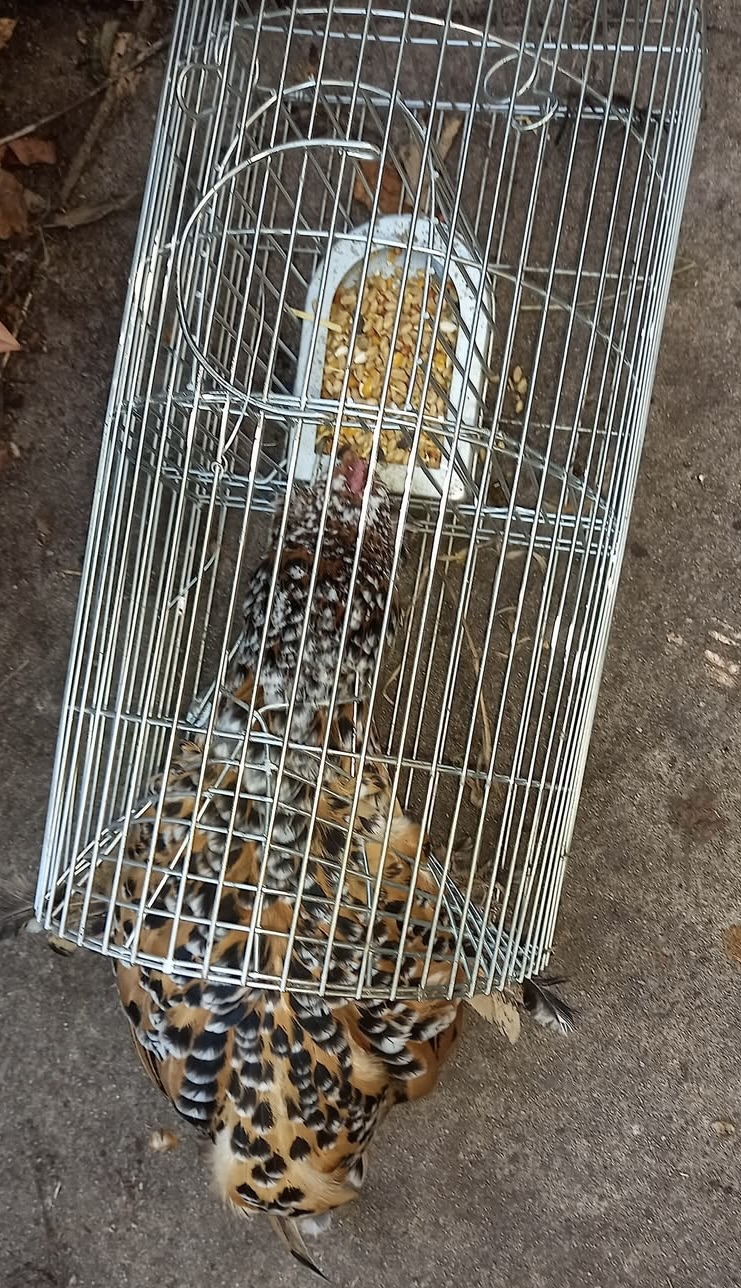
Thanks to everyone who shared their stories and photos.
“Smart hens, messy coops, and the truth about keeping chickens.”
 Bitchin' Chickens
0 comments on “Beware: Hazards That Await Your Chickens 5”