
I’m an educator by trade, experienced with curriculum development and public speaking. I’ve learned over the years that as much as I know about a subject I’m by no means an expert. I’m always looking for ways to learn more and to be better at what I do. When I started blogging about chickens I’d already had birds for almost a decade but I still wanted to explore the world of poultry keeping.
When the Covid-19 shutdown first hit I had more time on my hands since I was allowed to work at home. In addition to writing full length science-based articles for this blog, I started posting small snippets of information on my Facebook page, a platform more appropriate for folks scrolling through competing sites.
These posts consisted of short stories, photos of health issues and quizzes. I stumbled across my ‘minis’ file and thought I would post some of them here.
This is a chicken ear and that little tuft of feathers above the earlobe is protecting the opening to the chicken’s ear canal.

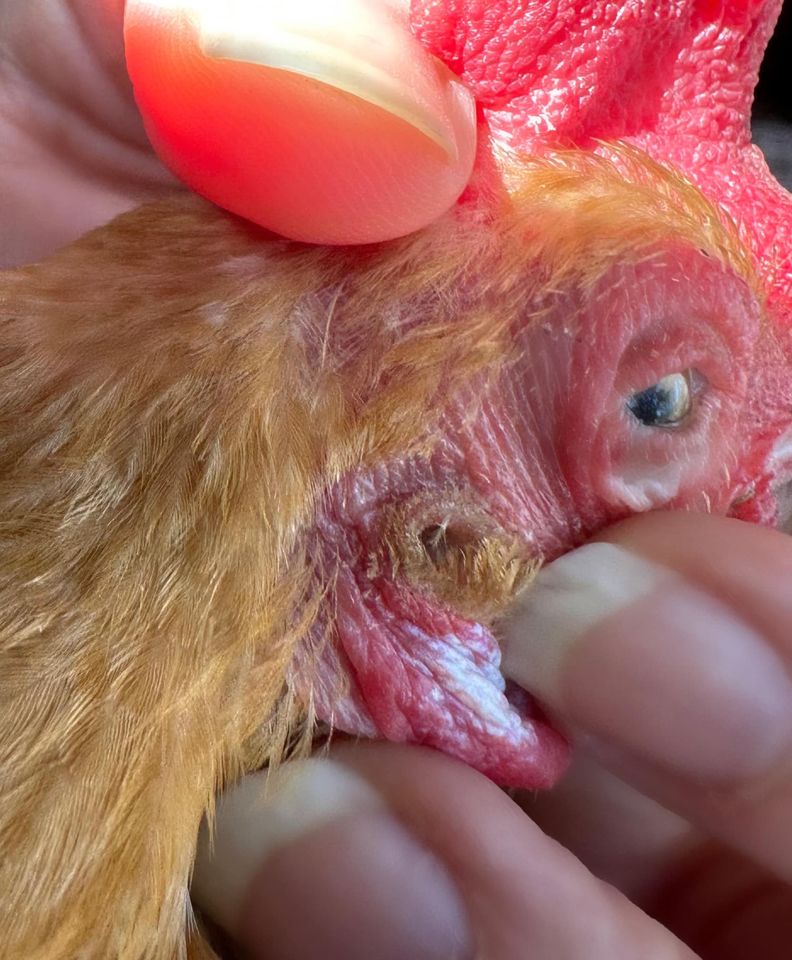

Ever wonder if your rooster’s crowing might affect their hearing? Nature is a wondrous thing. Your boys have built-in sound protectors, which prevent them from damaging their hearing when they crow.
Micro-CT scans of rooster and hen heads show that in roosters the auditory canal closes when the beak is opened. In hens, the diameter of the auditory canal only narrows but does not close completely.
If you ever take a look in your chicken’s mouth you’ll notice a few interesting things: they don’t have a soft palate, just a hard palate; their tongue is triangular in shape and there is a slit in the roof of the mouth. The choanal slit connects their trachea to the sinuses and nares (nostrils). At the base of the tongue is the glottis, a valve that closes to prevent food or liquid from passing into the trachea. When a bird’s mouth is closed, the glottis fits into the slit making a continuous tube from the nares through the slit and into the glottis and trachea allowing air to pass directly into the trachea without entering the rest of the mouth. This anatomical interconnection is one of the reasons that upper respiratory infections often result in inflammation around the face, eyes and nares.

It took me awhile to figure out how to pronounce ‘choanal’. I’ll give you bonus points if you know the correct pronunciation without googling it (because of course, that would be cheating). Check the answer below.
Have you ever questioned why no matter how many nestboxes you have your hens crowd into just one or two?

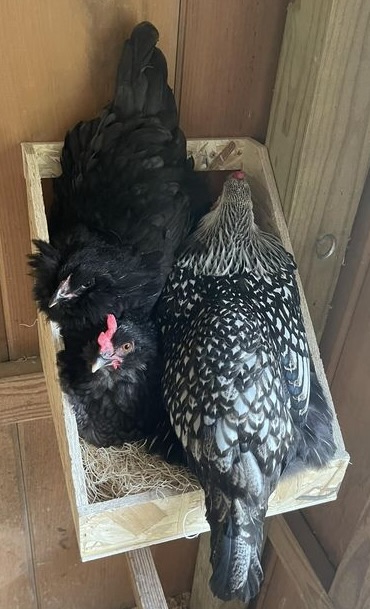
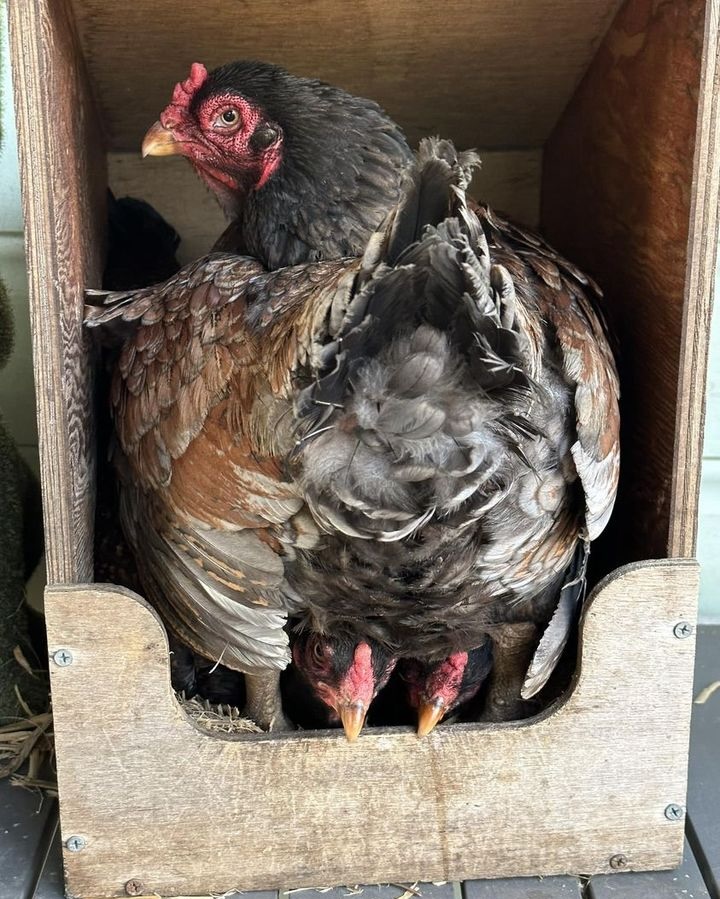
From an evolutionary perspective, as flock animals, a hen increases the odds of her own offspring hatching by laying her eggs under another hen. If a hen isn’t broody she hopes that her eggs will be incubated, and chicks taken care of, by one of her flock mates. Very smart strategy.
Of course, that doesn’t explain all the bitchin’ that takes place over competition for the best nestbox.
Did you know chickens dream when they sleep?
Chickens, like humans and other mammals, have an REM (rapid eye movement) phase of sleeping, which signifies dreaming. However, they also have another sleep phase that humans lack, called USWS (unihemispheric slow-wave sleep), where one half of the brain is sleeping while the other half is awake.
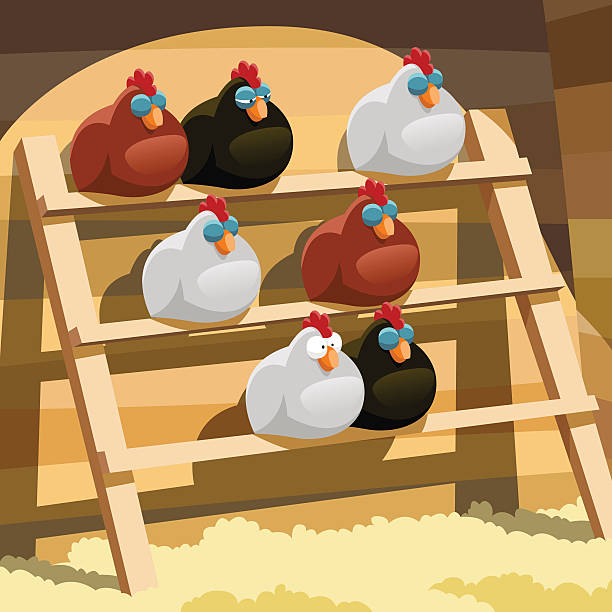
Chickens can literally sleep with one eye open, an evolutionary adaptation that lets them watch for predators while they sleep.
A feature located in the same anatomical area as the alula thumb (more on that later) is the carpal spur or wing claw, which looks like a small toenail located at the carpal joint. It’s now a vestigial trait leftover from bird species who used them to climb foliage, slide down tree trunks and as a form of defence when fighting. Natural selection has significantly decreased the size of the claw over time as they have become unnecessary. In most birds, they have disappeared altogether.

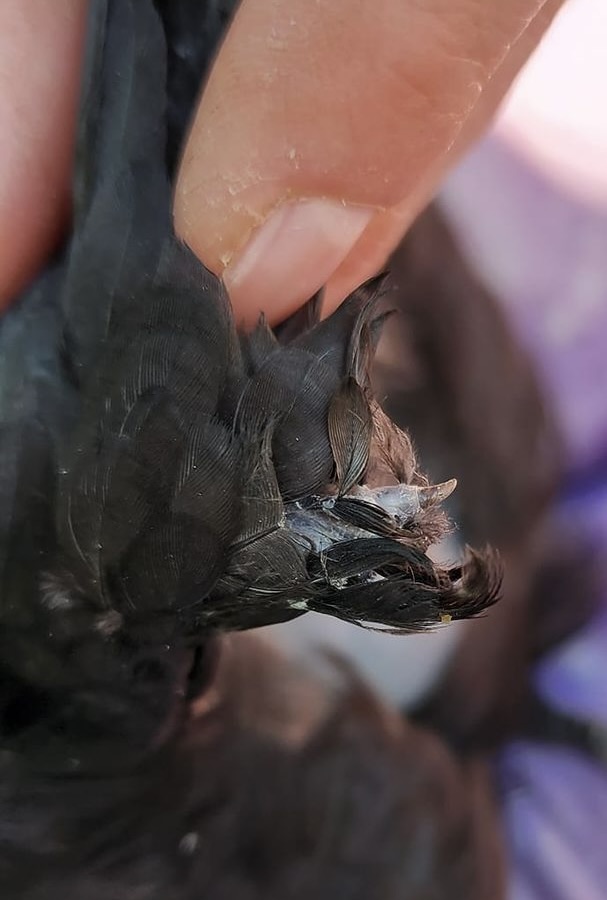
Photo credits: Unknown; Nikki Wright
Quiz Answer: Choanal is pronounced: KO-a-nul
“Where nerds and hens flock together.”
 Bitchin' Chickens
I love your newsletters. I’m a suburban chicken mom and make no apologies. My hens are my pets and they live out their full little lives. My oldest chicken died at age 12. Her name was Hannah Banana and she was adorable. So far I have one hen that is nine years old and still going strong.
Always look forward to your next newsletter as I know I’ll learn more.
LikeLike
Thanks for the feedback. I’m glad you’re finding my work helpful. You can use the ‘search’ box on my homepage to find almost 900 articles.
LikeLike