
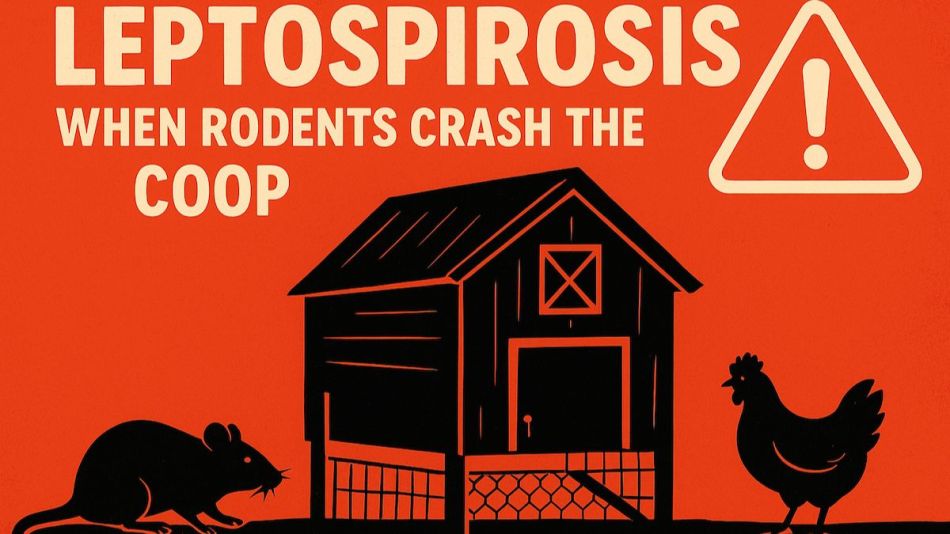
I see the occasional post on Facebook chicken groups in which someone relates their symptoms of their illness and asks if it could have been transmitted by their chickens. Most of the time the answer is a clear ‘no’. There are, however, some things that you can pick up from your birds and I’ve written about them here. This post, however, is not about pathogens spread by your flock but by another species that is often closely related to keeping poultry: rodents.
If you keep chickens, you’ve probably seen the signs of unwanted nighttime visitors: droppings, gnawed feed bags, mysterious holes in the run or worse, the culprits themselves. Besides consuming chicken feed or chewing entry points in your coop, rodents can also carry serious diseases. One of the most concerning for chicken keepers is leptospirosis, a bacterial infection that can quietly move from rodent urine to your coop and, eventually, to you.
What Is Leptospirosis?
- Caused by spiral-shaped bacteria of the genus Leptospira.
- It infects a wide range of mammals, especially rodents, which shed the bacteria in their urine.
- The bacteria thrive in warm, damp environments, surviving for weeks in moist soil, puddles, or bedding.
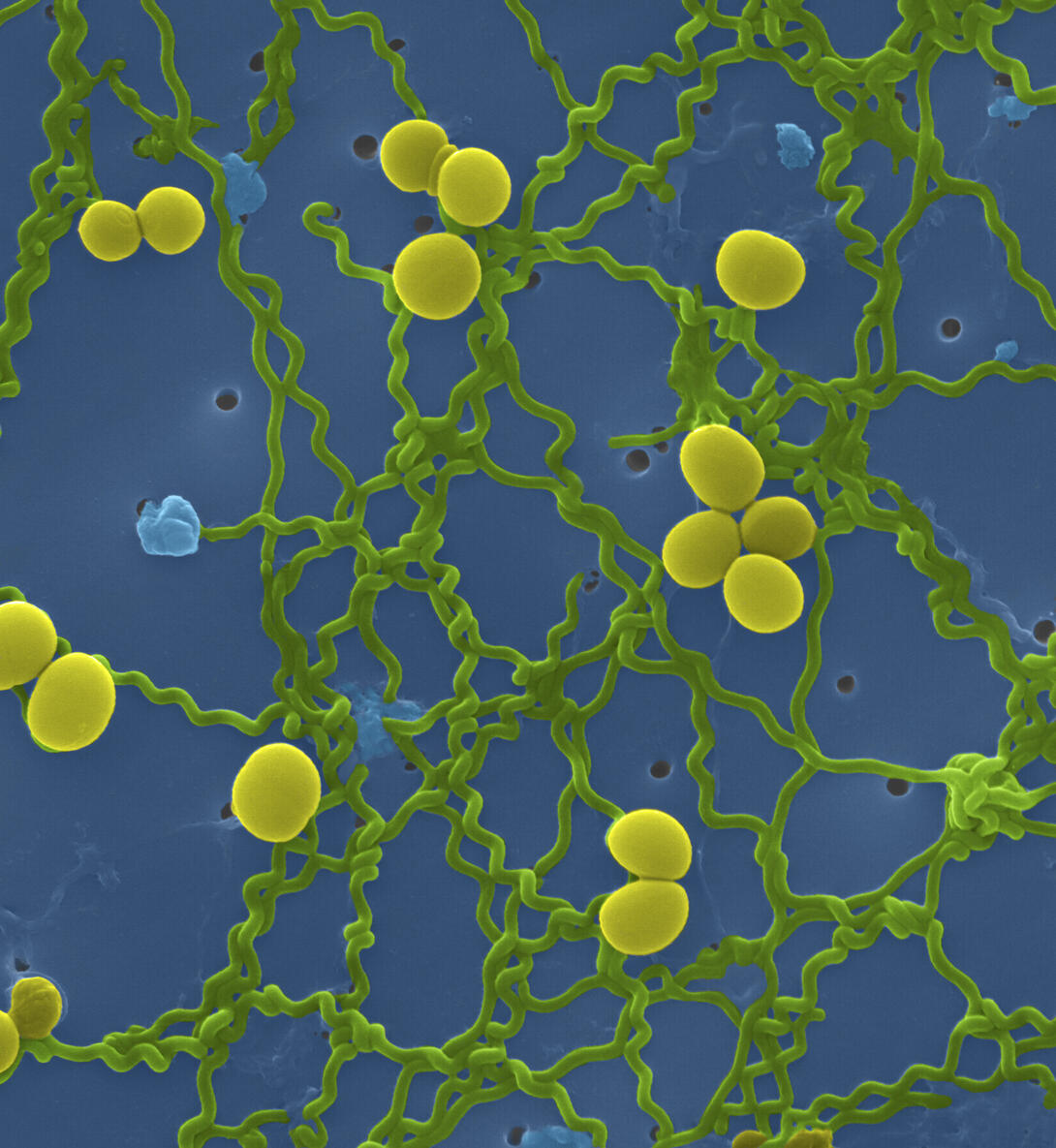
Image Credit: Natural Institute Of General Medicine
Leptospira In Rodents
- Rodents infected with Leptospira often show no symptoms but shed bacteria constantly in urine.
- When they contaminate feed, waterers, or bedding, Leptospira can remain viable for days or weeks.
- Chicken keepers may come into contact with contaminated material while cleaning coops, collecting eggs, or handling feed.
Transmission To People
- The bacteria enter the body through cuts, abrasions, or mucous membranes (eyes, nose, mouth).
- Infection can occur through: handling contaminated litter or feed; walking barefoot in wet areas of the run; cleaning out coops without gloves; contact with contaminated water after heavy rain or flooding; and even seemingly minor exposures like touching a contaminated surface and then rubbing your eye can be enough.
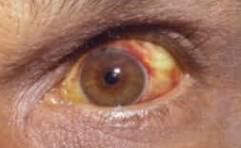
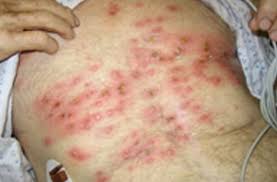
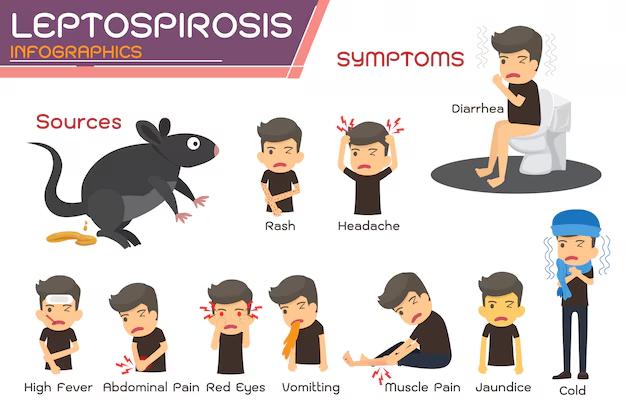
Image Credits: Wikipedia; Premium Vector; Yoga Vana Hills
Symptoms In People
- Early symptoms often mimic the flu: fever, chills, muscle aches, headache.
- More severe cases can progress to Weil’s disease, with liver or kidney damage, jaundice, and potentially fatal complications.
- It’s treatable with antibiotics but can cause lasting damage, if not caught early.
Public Service Announcement For Poultry Keepers
“This is my personal experience after rescuing a dumped rooster and a hen about a year and a half ago. They’re still very healthy and doing well, but about two weeks ago I was not. I’d become very ill, in bed for days, not able to eat. Eventually I went to the hospital, was admitted and then transported to a bigger hospital where I stayed for five days on IV fluids, antibiotics and pain medication. I became mildly jaundiced and my bloodwork consistently came back abnormal, but with each day in the hospital I improved. I’d been diagnosed with Leptosporosis (Weil’s syndrome). The worst kind of Lepto a human can get.”
“Knowing how important it was to use good hygiene, I wore disposable gloves and washed each time I was out with the chickens and removed my dedicated shoes before coming back on the house. Now I use Germ-X. I keep everything out there spic and span. That said, no matter how clean your coop or chicken area may be, there are rats. As fast as you remove them, they trickle back. While the rats may be healthy, they are carriers. For poultry keepers, it would be virtually impossible to prevent some contact short of maybe wearing a hazmat suit. This is a rare disease in the USA and even more rare in the Pacific Northwest where I live. I’m sharing this to make people aware of the risks we are taking by keeping chickens and ducks.” – Unknown
What About Chickens?
- Chickens are not known to develop leptospirosis themselves, but their environment can become a source of infection for humans and other animals.
- Rodents drawn to spilled feed and nesting materials can turn the coop into a bacterial reservoir.
Protecting Yourself and Your Flock
- Store feed in rodent-proof metal or heavy-duty plastic containers.
- Clean up spilled feed promptly and seal any holes or burrows.
- Wear gloves and closed-toe shoes when cleaning the coop or handling litter.
- Disinfect tools and surfaces regularly.
- Wash hands thoroughly after any coop work, especially before eating or drinking.
- If you develop flu-like symptoms after heavy rain or rodent exposure, see a healthcare provider and mention possible leptospirosis exposure.
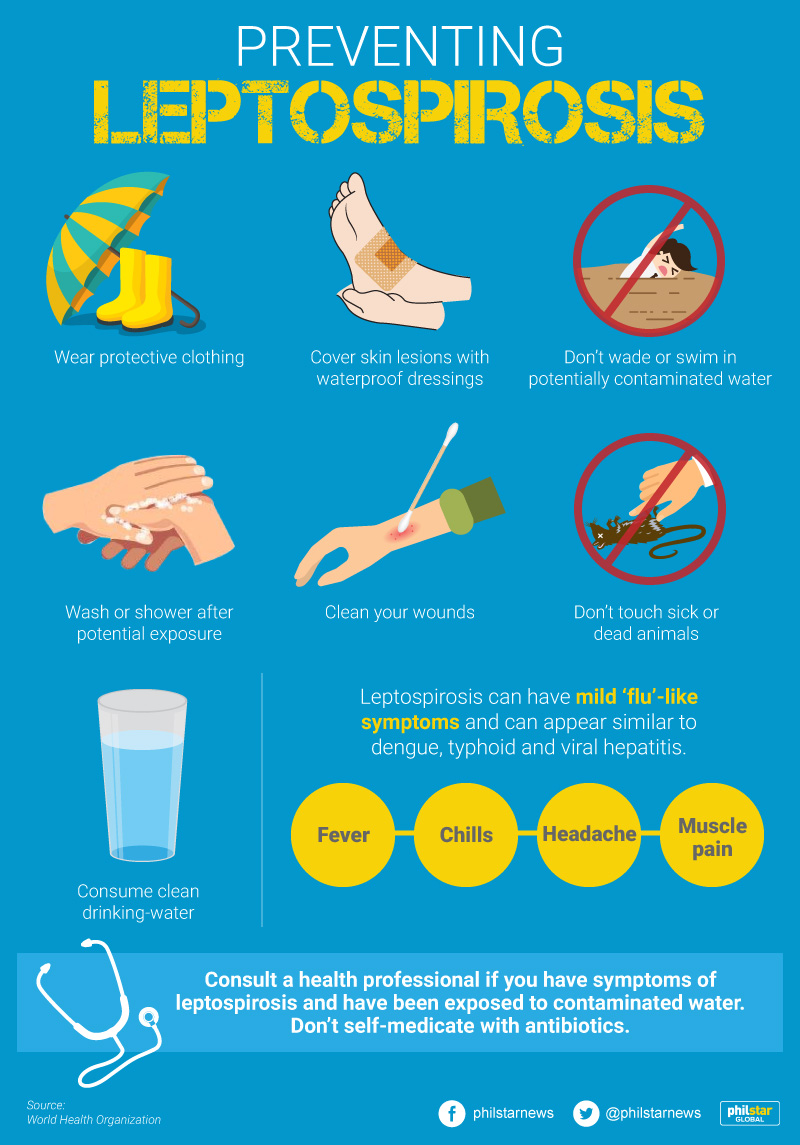
Rodent control can be arduous, but it’s essential. Every spilled scoop of feed is a buffet invitation to rats and mice and with them, a microscopic threat that doesn’t care how safe looking your coop is. Keeping things dry, sealed, and clean protects both your flock and your own health.
Citations:
- Centers for Disease Control and Prevention (CDC). “Leptospirosis.” https://www.cdc.gov/leptospirosis/
- Adler, B., & de la Peña Moctezuma, A. (2010). “Leptospira and leptospirosis.” Veterinary Microbiology, 140(3–4), 287–296.
- Haake, D. A., & Levett, P. N. (2015). “Leptospirosis in humans.” Current Topics in Microbiology and Immunology, 387, 65–97.
- World Health Organization (WHO). “Human leptospirosis: guidance for diagnosis, surveillance and control.” (2003).
“Where nerds and hens flock together.”
 Bitchin' Chickens
Thank you for this informative article!
LikeLike