
Many of of us probably first became aware of vitiligo when rumours speculated that the singer Michael Jackson was bleaching his skin. It turns out he actually had an underlying condition that affected his skin pigment.
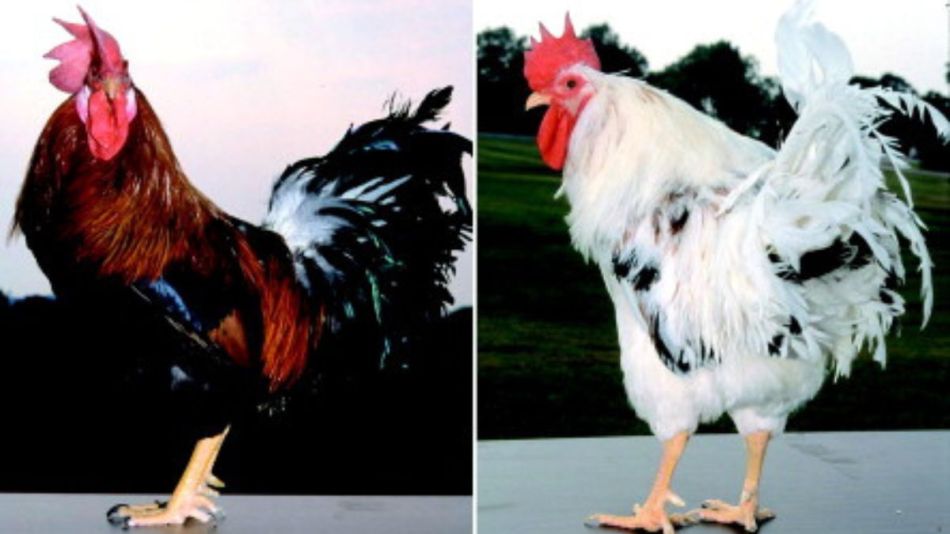
If you’ve ever noticed your chicken’s once-deep red comb turning pale or glossy black feathers slowly turning white, you might be seeing evidence of vitiligo. Yup, chickens can get vitiligo just like in humans. It’s a condition in which the body’s immune system mistakenly attacks melanocytes (pigment-producing cells) leading to progressive lightening and complete depigmentation in affected areas.
The condition is not contagious, infectious or related to pain, itching or poor health. While the exact cause is not fully understood, vitiligo is believed to be immune-mediated, as the body mounts an inappropriate immune response targeting the melanocytes.
Beyond the aesthetic changes, there’s fascinating (and sometimes worrying) biology underneath. Here’s the science and a little bit of the mystery behind it.
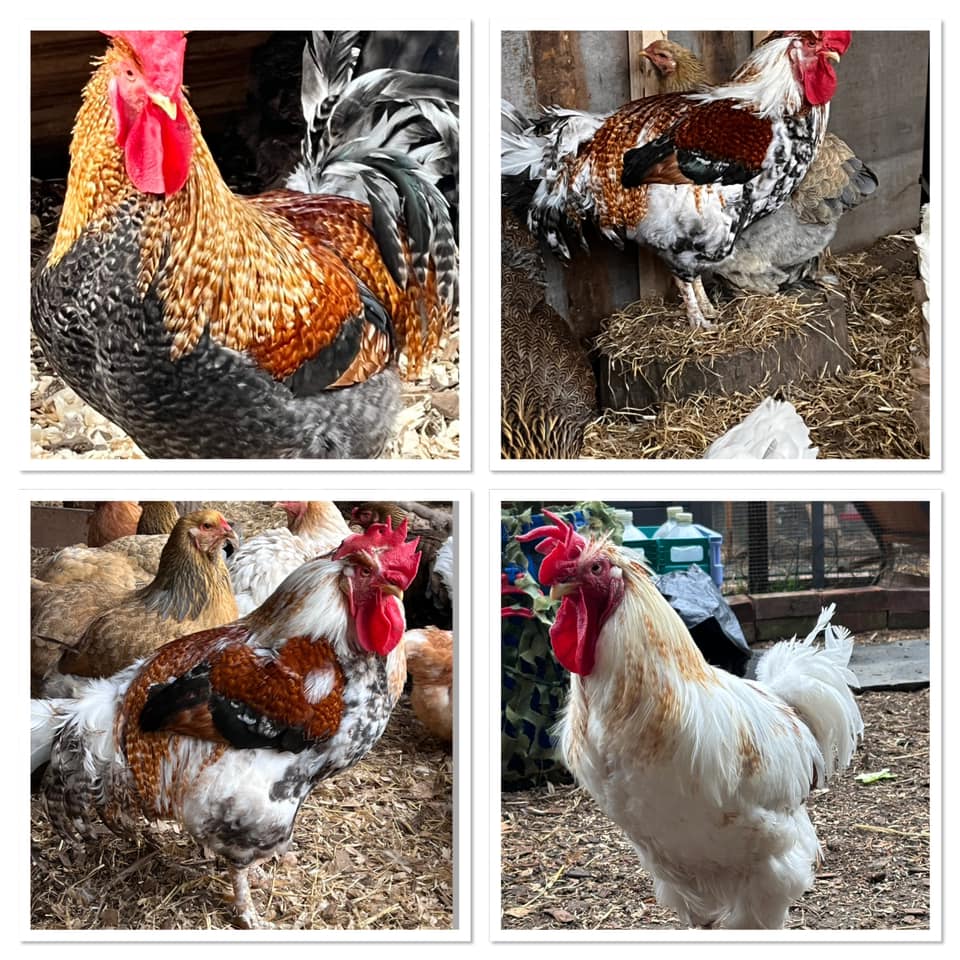
Photo credit: Evie Martin
What’s Happening Beneath the Feathers
Vitiligo isn’t just about changing colours; it’s an autoimmune or oxidative-stress-related condition. Chickens with the disorder may produce antibodies that attack their own melanocytes, or pigment cells may be damaged by oxidative stress in the skin.
- Pigment loss can occur in feathers, wattles, combs, and even the legs.
- New feathers may grow back white or pale, even if they were originally dark.
- The condition is typically painless and doesn’t reduce egg production, but ongoing oxidative stress may signal deeper immune imbalances.
Vitiligo in chickens isn’t a random fluke. According to poultry genetics researcher Sigrid von Dort, the condition is inherited through polygenic factors, meaning multiple genes work together to influence whether pigment loss shows up.
- Unlike simple dominant or recessive traits, vitiligo has a complex inheritance pattern, likely involving genes that regulate melanin production and immune response.
- Certain breeds, such as Silkies, White Leghorns and Fayoumis are more likely to show depigmentation over time.
- The onset can be gradual, often appearing after the first moult or during hormonal changes such as sexual maturity.
- In some breeding lines, the trait seems to ‘skip’ generations, suggesting recessive or modifier genes at work.
Health Implications & Related Concerns
Although vitiligo is often considered cosmetic, van Dort’s data and experimental models suggest there can be deeper health interactions.
Possible Associations With Autoimmune Stress
- Because vitiligo in chickens appears to have autoimmune elements, birds may have heightened susceptibility to other immune or inflammatory conditions (though this is still speculative).
- Immune activation is strong in depigmented tissues, meaning local inflammation is real and ongoing.
Pigment Loss As Warning Sign
- Sudden depigmentation (especially of the comb or wattles) could signal underlying stress, disease, or immune dysregulation, not just vitiligo.
- Watch carefully for secondary symptoms: lethargy, weight loss, poor appetite, skin lesions, or concurrent infections.
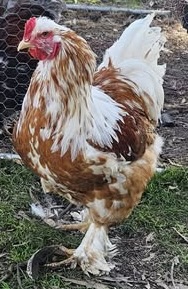
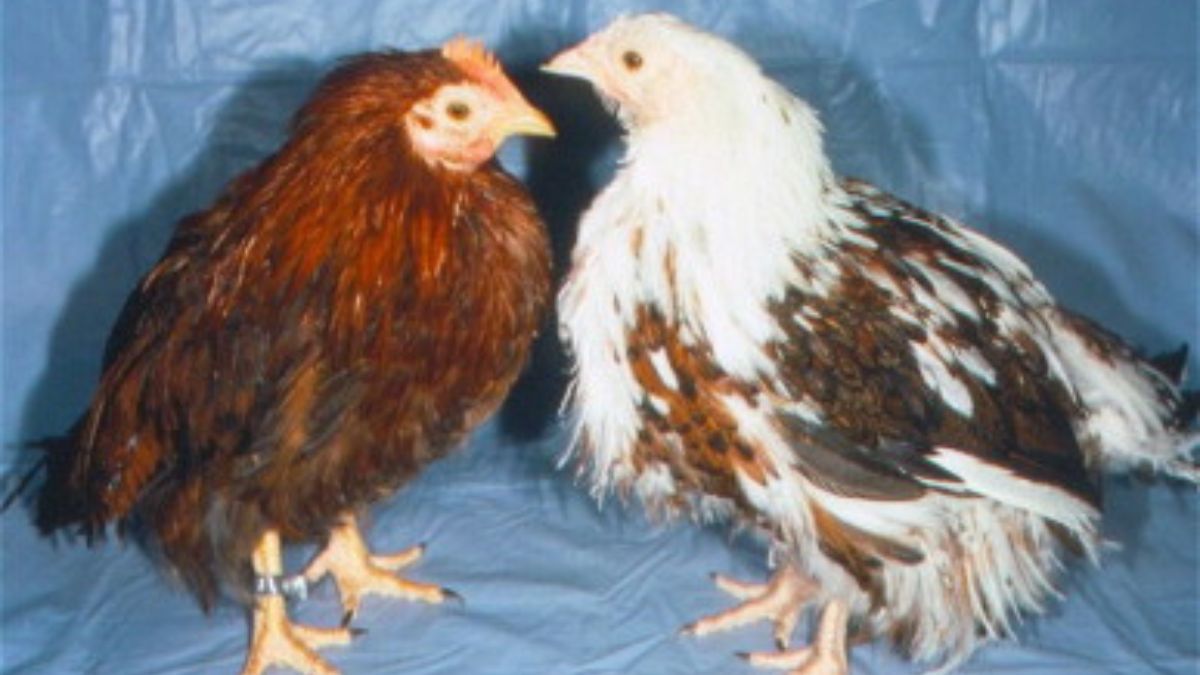
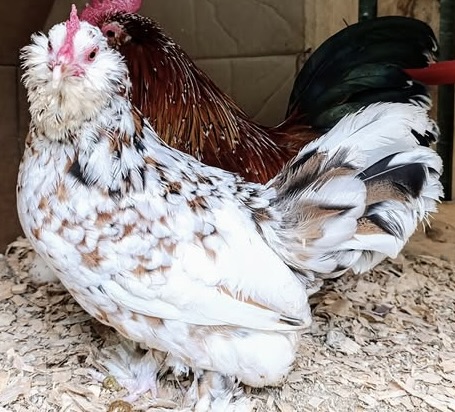
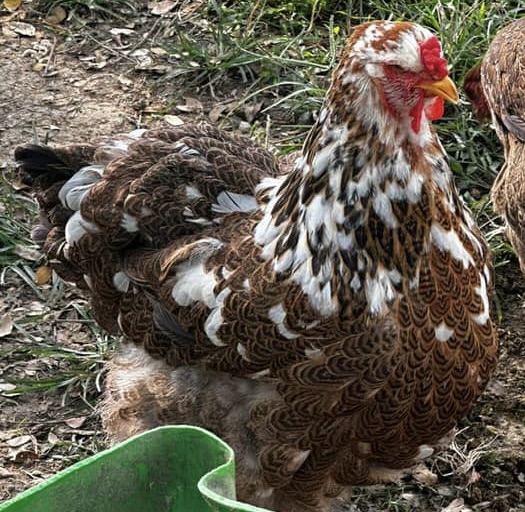
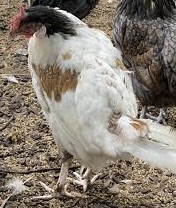
Photo credits: Brendan Larkin; Science Direct; Fran Lo; Yeison Saavedra; Unknown
Case Study
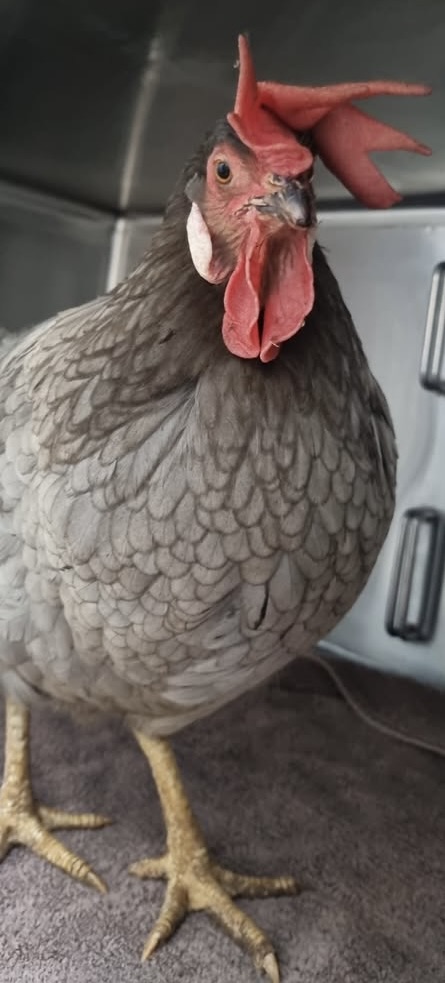
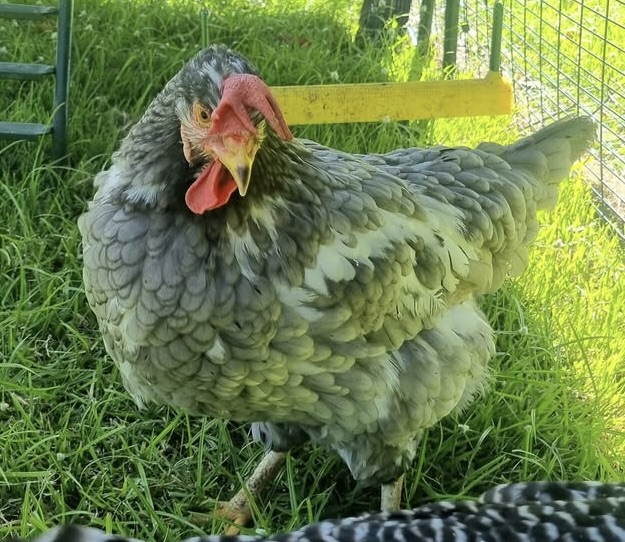
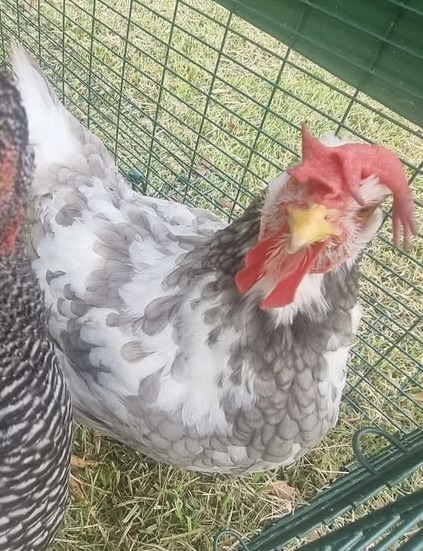
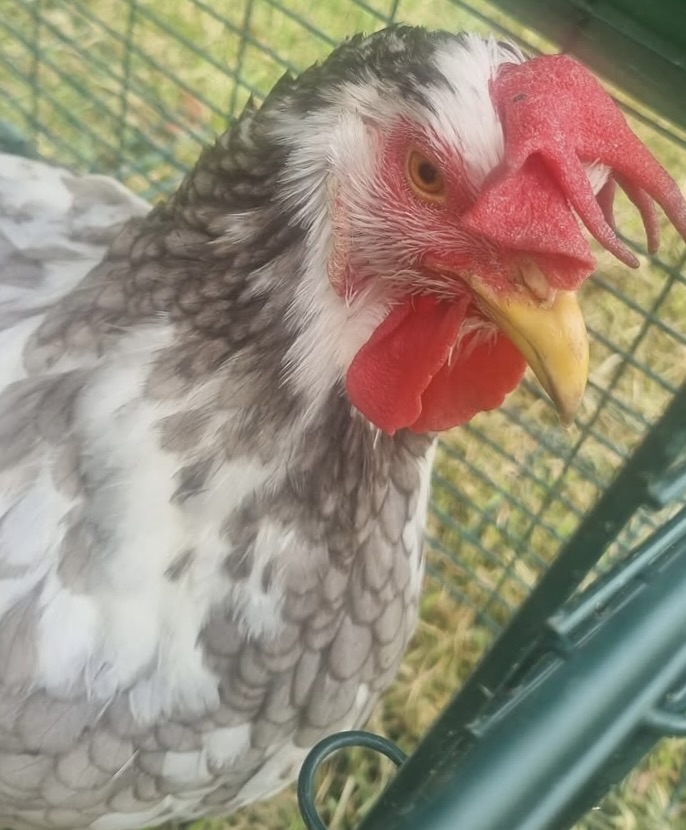
Barb is my Blue Leghorn, who became incredibly unwell in the span of a couple days back in March. This happened at the start of a heavy moult and when we had a cyclone, it seemed to make her symptoms worse.
I took her to work with me (I’m a veterinary nurse) and the x-rays showed she was egg bound. There was no way she would have survived surgery so we gave her oxytocin. She passed the egg and made the most unremarkable recovery with one course of antibiotics and anti-inflammatories. Since then, Barb has changed colours. The crazy part is her beak has changed colour as well. – Emily Randhawa
Feather And Skin Integrity
- Vitiligo and alopecia are both autoimmune diseases that often coexist, and they share several connections, including overlapping genetic factors and similar pathogenic mechanisms like T-cell-mediated immunity and oxidative stress.
- Both people and chickens with vitiligo have an increased risk of developing the alopecia (i.e. hair loss in humans, feather damage in poultry).
- Depigmented skin/feathers might be more prone to sun damage, abrasions, or pathogen penetration, since melanocytes provide some defence.
- In humans, areas of vitiligo are more vulnerable to UV damage; in chickens, UV exposure and skin injuries might become more problematic in depigmented zones.
Vision Issues
- There is a connection with vitiligo and vision impairment due to the destruction of pigment cells at the back of the eye. In some breeding lines, up to 40% of birds experience blindness.
Most chickens with vitiligo live normal, healthy lives, but the condition can occasionally point to broader health vulnerabilities:
- In most documented flocks, vitiligo doesn’t significantly decrease egg production or survival.
- In marginal birds (poor nutrition, disease load), pigment loss could tip the balance. Good husbandry is critical.
- Research in both chickens and mammals link vitiligo with thyroid and adrenal issues, likely due to shared autoimmune mechanisms.
- Keep an eye out for changes in appetite, feather texture, or energy levels alongside pigment loss.
- Diets rich in vitamin E, selenium, and carotenoids can help buffer oxidative stress and support pigment cell health.
Practical Advice Built on Genetics & Health Data
- Track onset timing and progression in your birds, which helps you correlate with stress events, vaccination, or environmental changes.
- If you have a line with a history of vitiligo (or predisposed breeds), use selective breeding to favour birds that aren’t affected by pigment loss.
- Minimize oxidative stress: manage nutrition (antioxidants, trace minerals), avoid overcrowding, reduce cold or heat stress.
- Monitor immune challenges: vaccinations, respiratory diseases, parasites could stress susceptible birds
- If a bird shows sudden pigment loss, run a health check: blood parameters, parasitology, organ health.
- Share data. Breeders and flock keepers often publish or keep logs. Collective data can refine our understanding of genetic risk factors.
Vitiligo in chickens is more than feathers turning white. It’s a genetic-immune-stress interplay, a lesson in biology unfolding on your backyard flock. The more we observe, document, and cross-validate the closer we get to understanding – and possibly influencing – how, when, or whether vitiligo shows itself in our birds.There’s something special about chickens whose feathers tell a story. Whether the shifting colours come from age, genetics, or stress, it’s a vivid reminder of how complex and resilient these birds really are.
- von Dort, S. (2023). Vitiligo in Chickens. Poultry Genetics Notes, May 2023.
- Smyth, J.R. (1989). The Smyth Line Chicken: A Model for Autoimmune Amelanosis. Pigment Cell Research, 2(1), 77–85.
- Fraser, D.C. & Jefferies, L. (2006). Autoimmune Pigment Disorders in Poultry. Avian Pathology, 35(2), 93–102.
“Science-Based Flock Files”
 Bitchin' Chickens
0 comments on “Vitiligo in Chickens: The Genetics Behind Patchy Plumage”