
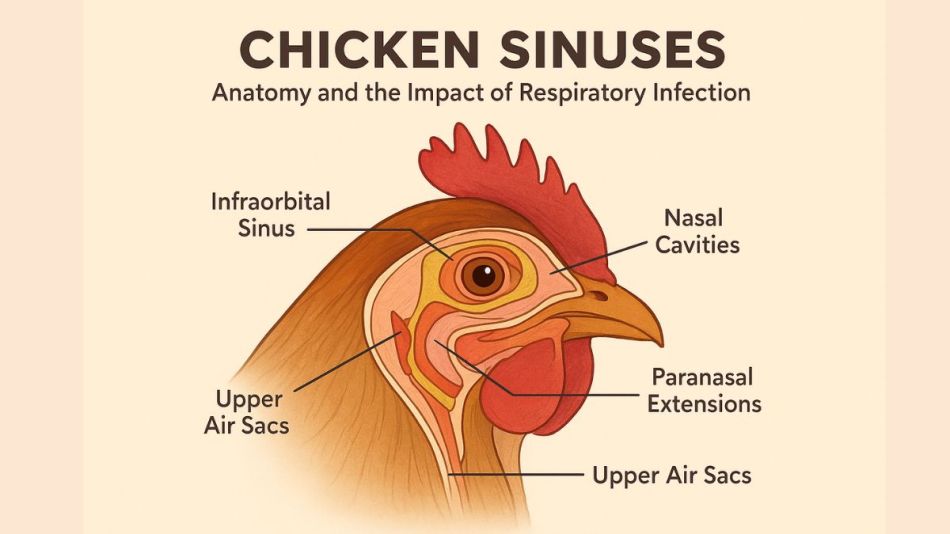
When a chicken starts sneezing, rattling or has swelling around the eyes, the trouble often starts in an overlooked place – the sinuses. These small air-filled cavities play a big role in a chicken’s breathing and overall health. Understanding their structure and what happens when they get infected can help backyard keepers spot and treat problems early.
The Anatomy of Chicken Sinuses
Chickens, like all birds, have a complex respiratory system designed for efficiency. Instead of a diaphragm, they rely on a series of air sacs and sinuses to move air through their bodies in one continuous flow.
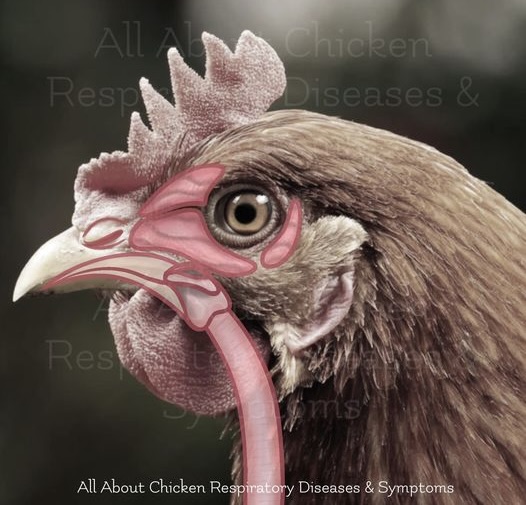
The sinuses are part of this system and include:
Infraorbital Sinus The largest and most clinically significant sinus in chickens. It sits below and behind the eye, connecting to the nasal cavity and the upper beak. When infected, it often causes visible swelling around the eyes and face.
Nasal Cavities The front part of the sinus system, lined with fine cilia and mucous membranes to filter dust and pathogens from inhaled air.
Paranasal Extensions These connect the sinuses to the ear canal and other skull cavities, which is why ear infections or swollen faces sometimes accompany sinus issues.
Communication with Air Sacs The sinuses link with the upper air sacs and trachea, meaning infections can easily spread deeper into the respiratory tract.
How Respiratory Infections Affect the Sinuses
Because the sinus system is interconnected, even a mild respiratory infection can quickly become a big problem.
Inflammation and Fluid Build-Up
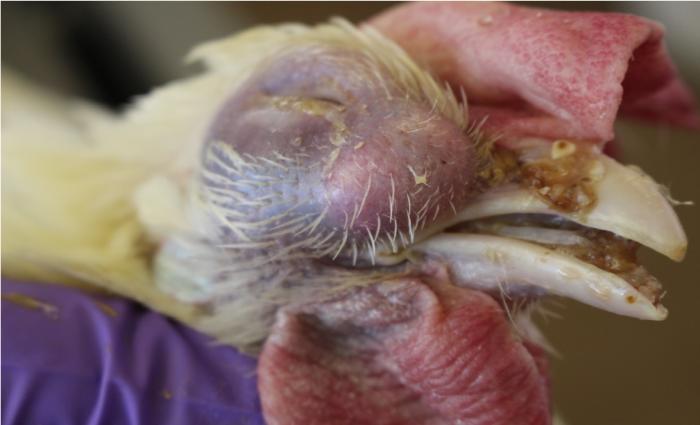
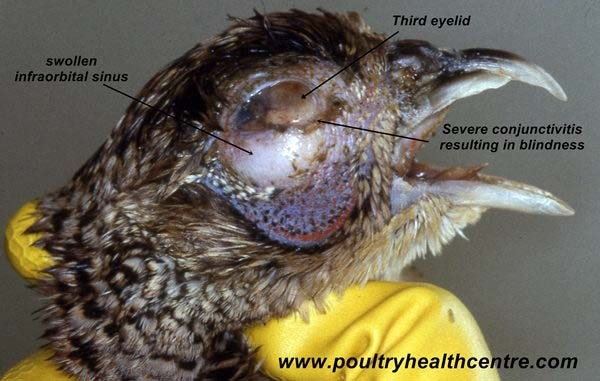
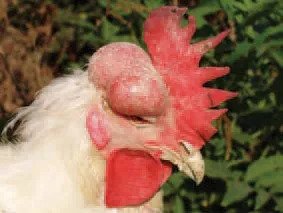
- Pathogens cause the sinus membranes to swell and produce mucus. This leads to congestion, pressure, and the classic ‘puffy eye’ appearance.
Bacterial and Viral Invaders
- Common culprits include Mycoplasma gallisepticum (MG), Avibacterium paragallinarum (infectious coryza), E. coli, and respiratory viruses like infectious bronchitis or Newcastle disease. Once established, these organisms can persist in the sinus cavities, creating chronic carriers.
Reduced Oxygen Exchange
- Inflammation and blockage prevent proper airflow through the upper respiratory passages. This limits oxygen intake and increases the work of breathing, especially stressful for active or laying hens.
Secondary Infections and Abscesses
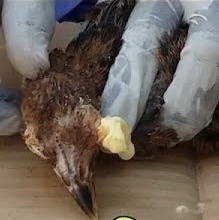
- If pus or caseous (cheese-like) material accumulates in the infraorbital sinus, the swelling can become firm and painful. In severe cases, surgical drainage may be needed.
Symptoms
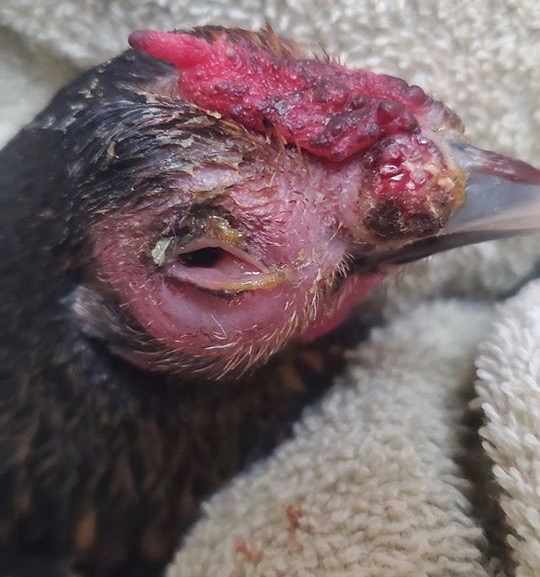
• Swelling around one or both eyes
• Foamy or watery discharge from the eye
• Nasal discharge or crusting
• Open-mouth breathing or gurgling
• Head shaking or scratching at the face
• Reduced appetite or egg production
Because the sinuses connect with the eyes, ears, and nasal passages, multiple symptoms may appear at once.
Treatment and Prevention
• Isolation and Sanitation: Remove affected birds from the flock and disinfect feeders, waterers, and surfaces to prevent spread.
• Antibiotic or Supportive Therapy: In bacterial infections like MG or coryza, antibiotics (under veterinary supervision) may reduce symptoms, though birds often remain carriers.
• Drainage and Care: For abscessed sinuses, a veterinarian may lance or flush the area.
• Reduce Dust and Ammonia: Good ventilation and dry litter reduce respiratory irritation.
• Vaccination: Some people use vaccines for MG and coryza in endemic flocks.
The chicken’s sinus system may be small, but it’s vital for breathing, temperature regulation, and vocalization. When infection hits, those delicate cavities can become clogged, inflamed, and painful, turning a minor sniffle into a major flock issue. Early detection, good biosecurity, and proper ventilation go a long way in keeping those sinuses (and your chickens) clear and healthy.
Citations
- Fletcher, O. J., & Barnes, H. J. (2010). Avian Respiratory System Anatomy and Diseases. In Diseases of Poultry (13th ed., pp. 181–240). Wiley-Blackwell.
• Hafez, H. M. (2011). Respiratory diseases in poultry. Poultry Science, 90(5), 1101–1108.
• Glisson, J. R. (2003). Mycoplasma gallisepticum infection. In Saif, Y. M. (Ed.), Diseases of Poultry (11th ed., pp. 722–744). Iowa State University Press.
• Saif, Y. M., & Fadly, A. M. (2008). Poultry Diseases and Management of Respiratory Health. Avian Pathology, 37(6), 445–460.
• University of Georgia College of Veterinary Medicine (2020). Respiratory Diseases in Poultry – Recognition and Management.
“Because chicken science is cooler than you think.”
 Bitchin' Chickens
0 comments on “Chicken Sinus Anatomy & The Impact Of Respiratory Infection”