
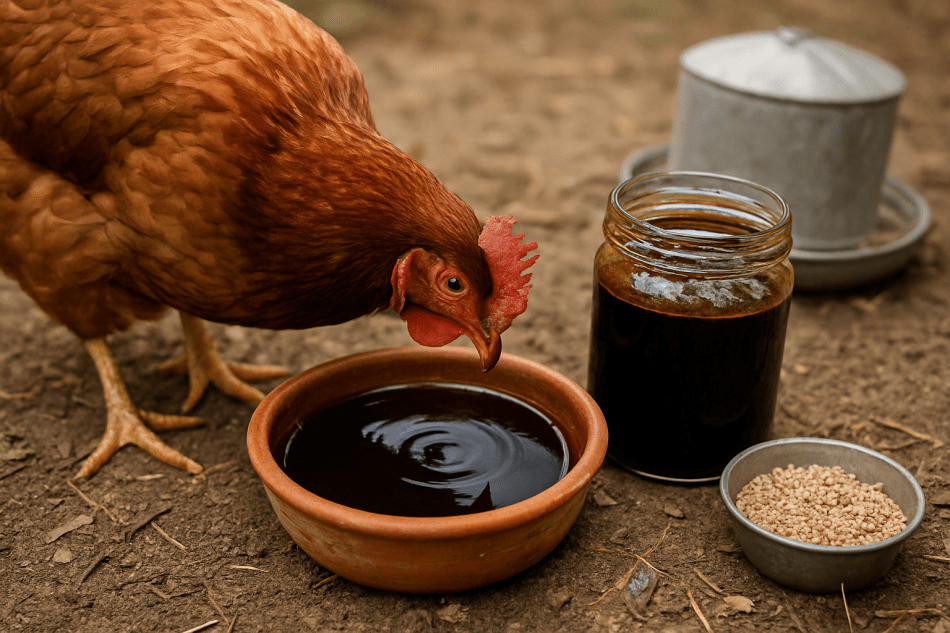
Molasses, the dark, sticky byproduct of sugar refining, has been a staple in livestock care for centuries. It’s sweet, mineral-rich, and easy to mix into feed or water. Backyard chicken keepers sometimes reach for it as a natural pick-me-up, but like all ‘miracle’ supplements, it’s not without drawbacks. Here’s what you need to know before adding molasses to your flock’s health routine.
Natural Energy Boost
Molasses is high in simple sugars, making it a quick source of energy for weak or recovering birds. After illness, transport, or moulting, a small dose can help restore vitality.
Mineral Support
Blackstrap molasses, in particular, is rich in iron, calcium, magnesium, and potassium. These minerals support healthy red blood cell production, bone development, and electrolyte balance – especially beneficial for birds under stress or recovering from anemia.
Mild Laxative Effect
Molasses acts as a gentle laxative, helping to clear out the digestive tract. It’s sometimes used therapeutically after a worming treatment or toxin exposure, as part of a ‘flush’ to remove residual medications or spoiled feed.
Encourages Hydration
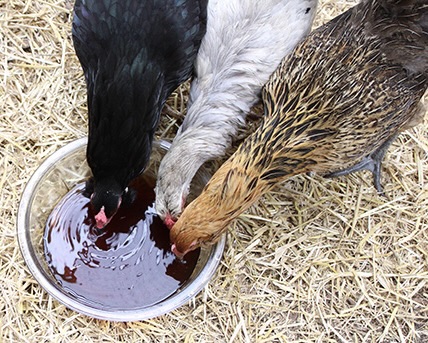
While chickens can taste bitter, sour, salty, and umami they lack receptors for sweet and spicy flavours. Adding a small amount of molasses to water may entice reluctant drinkers to rehydrate more out of novelty rather than motivated by their taste buds. Increased water intake is critical in hot weather or while recuperating from an illness or injury.
When Molasses Can Backfire
Diarrhea and Dehydration Risk
Too much molasses can cause diarrhea, leading to dehydration and electrolyte imbalance. The same laxative property that’s useful in moderation becomes dangerous in excess.
High Sugar Load
Regular use of molasses as a feed additive can disrupt gut flora, promote yeast overgrowth, and contribute to obesity in confined or low-activity birds. Chickens don’t need added sugars in their diet.
Short Shelf Life and Mold Risk
Molasses mixed into feed or water spoils quickly in warm weather. Contaminated mixtures can harbour mold or bacteria, posing a health risk to your flock.
Iron Overload Potential
While rare, frequent use of molasses can contribute to excessive iron intake, especially if birds already receive mineral-fortified feed. Iron toxicity can damage the liver and reduce overall health.
How and When to Use It Safely
• Mix no more than 1 tablespoon of molasses per gallon of drinking water as a short-term tonic (24 hours max).
• Offer as a one-time ‘flush’ after medication or toxin exposure, not as a daily supplement.
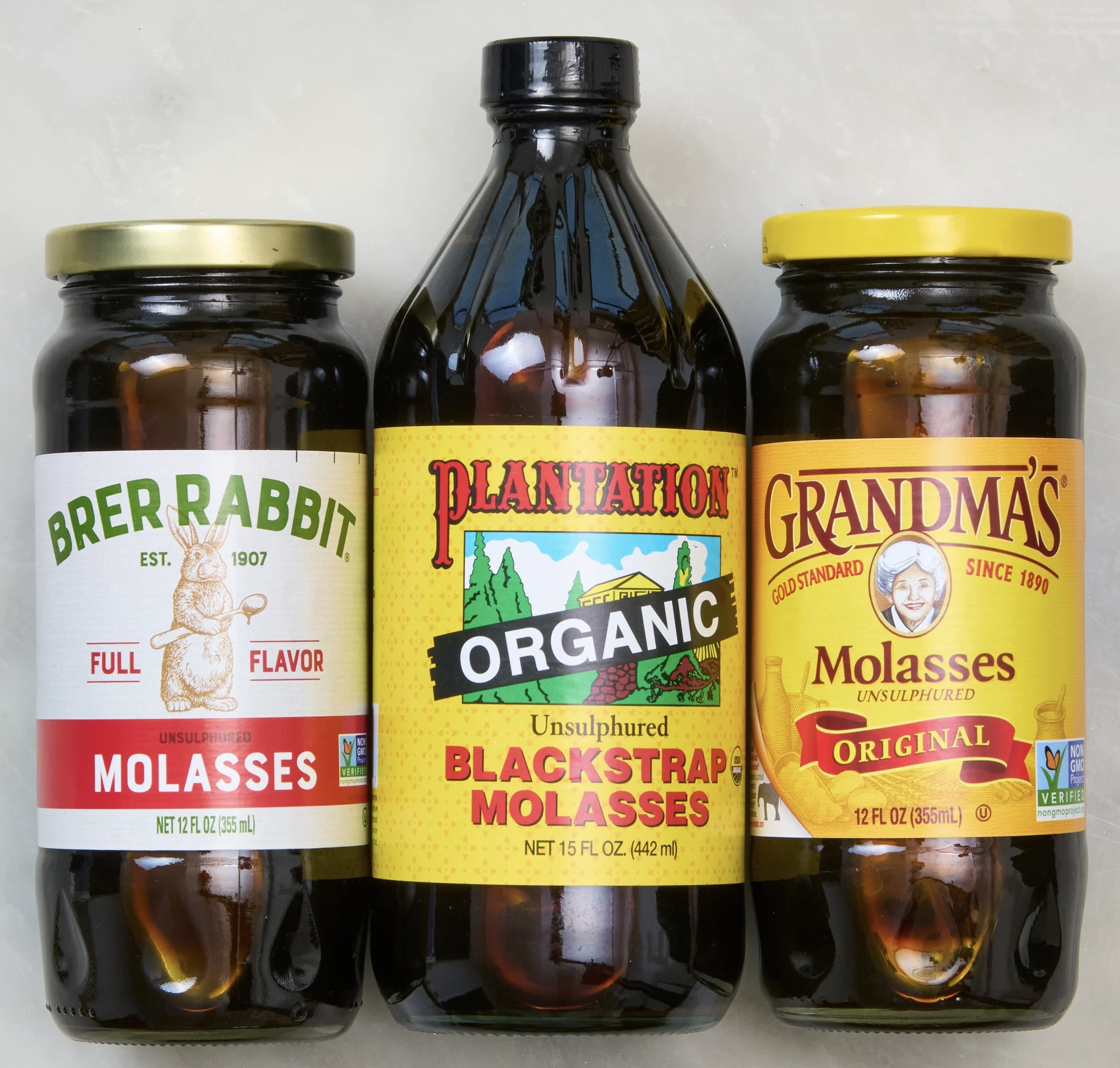
• Use unsulfured blackstrap molasses – it’s more nutrient-dense and free from chemical preservatives.
• Discard any uneaten or unconsumed molasses mixtures after a few hours, especially in warm conditions.
Molasses can be a useful, short-term tonic for chickens recovering from stress, illness, or toxin exposure. It provides quick energy, key minerals, and hydration support. It’s not a cure-all, and overuse can do more harm than good. In small, controlled doses, molasses is a sweet way to help your flock bounce back, but moderation is key.
Citations
• Chute, M. B., & Richards, A. L. (2015). Nutritional management of backyard poultry. University of Maine Cooperative Extension.
• Ritchie, B. W., Harrison, G. J., & Harrison, L. R. (1994). Avian Medicine: Principles and Application. Wingers Publishing.
• University of Kentucky Cooperative Extension (2020). Feeding Backyard Chickens.
• North Carolina State University Extension. (2017). Common feed additives and supplements for small flocks.
• Larbier, M., & Leclercq, B. (1994). Nutrition and Feeding of Poultry. Nottingham University Press.
“Practical science for chicken keepers who care.”
 Bitchin' Chickens
0 comments on “Natural Remedy For Chickens: Molasses”