
I got my first microscope, accompanied by a package of slides and covers, when I was in grade 5. The first slide I made was of a flea I found on my dog. In order to kill it, I squished it between my fingernails. I still remember the line separating each half appeared huge under magnification.
One of the things I dislike about keeping animals (i.e. dogs, cats and chickens) has been dealing with external parasites. Fleas, in the case of mammals and various kinds of mites with my birds. Thankfully I’ve yet to encounter lice and I don’t think fleas are commonplace in my area.
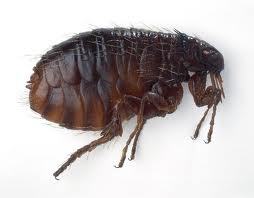
The most common flea found on chickens are sticktight fleas (Echidnophaga gallinacea) and European chicken fleas (Ceratophyllus gallinae). Both species are found in tropical, subtropical, and temperate zones worldwide. Sticktight fleas are the most likely candidate for infecting chickens in North America.
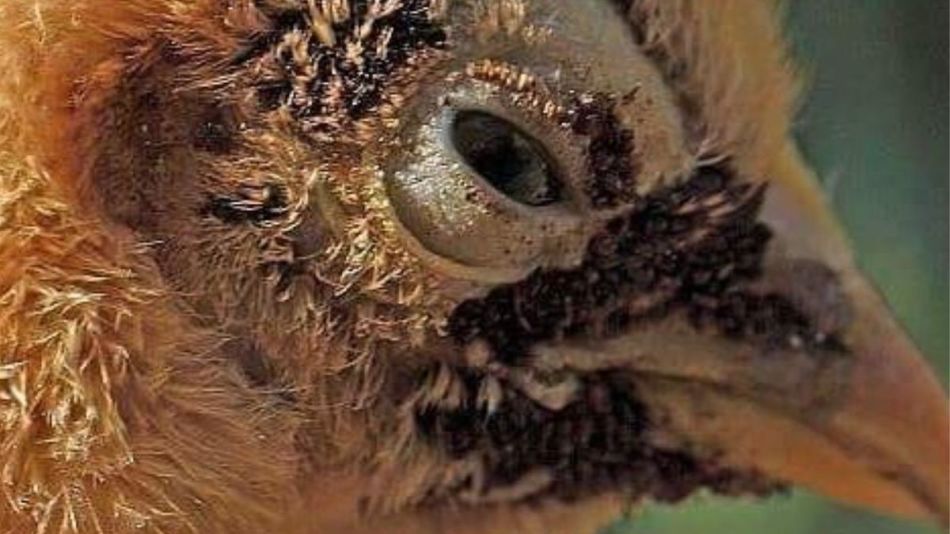
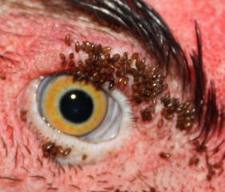
Adults are small (1.4-4 mm long), dark, wingless, blood-sucking insects that embed their heads into the skin of the host and feed on blood for up to 19 days. They’re found on fleshy areas without feathers around chicken eyes, comb, and wattles. The bites are painful and irritating and can lead to inflammation, blisters, weight loss, anemia, and death. Young chickens are most vulnerable to fatal infestations.
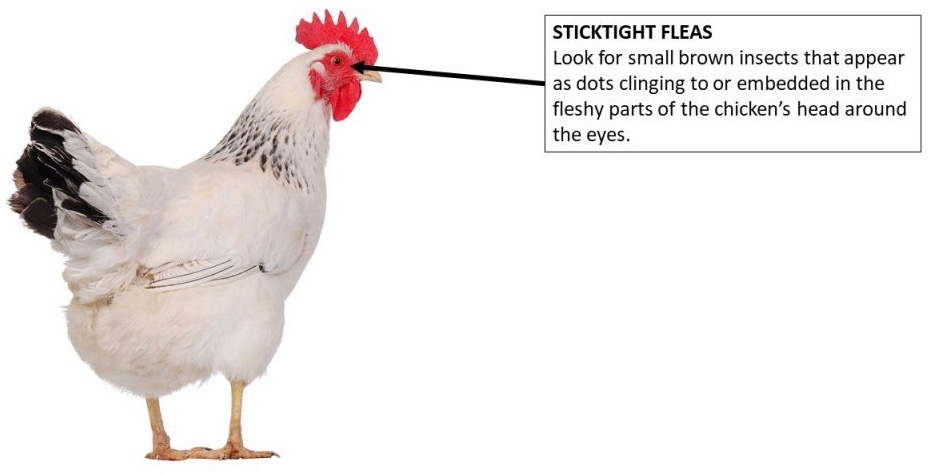
Although poultry are the primary host of sticktight fleas, they are found on dogs and cats and less commonly, on other farm animals, rabbits, rodents and people.

The sticktight flea lifecycle can take 1 to 2 months, depending on the temperature. Adult females lay their eggs at night while attached to the bird. The eggs drop to the ground beneath where chickens roost and four days later, small worm-like larvae emerge from their eggs. Larvae feed on organic material and poop from the adult fleas and hide underneath bedding or soil. They molt several times before burrowing down into the soil and cocoon themselves where they will mature into adult fleas, which takes about two weeks. Once the adults emerge, they are on the hunt for a host to feed on.
Symptoms
- Small black, unmoving spots around the face
- Skin irritation
- Crusted lesions
- Pale comb/wattles
- Anemia
- Swollen eyelids
- Scratching face
- Restlessness

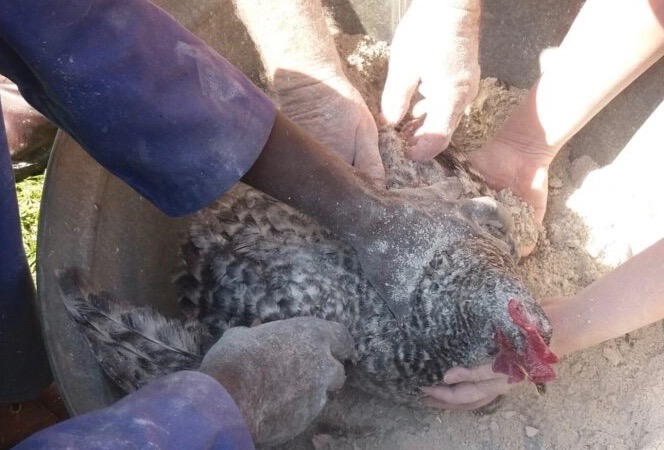
Treatment
- Remove adult fleas using tweezers or with your fingers
- Bathe birds using a dog flea shampoo OR use a topical spray, drops or powder such as Pyrethrin, Permethrin, Ivermectin or product designed for dogs
- Apply a topical antibiotic ointment (e.g. Polysporin or Neosporin) to minimize the risk of secondary infections
- Clean your coop and nest boxes thoroughly. All bedding materials (litter, straw, shavings, etc.) should be completely removed, replaced, and disposed of where your flock can’t access them
- Use a pesticide inside your coop: Elector PSP spray or dust with Pyrethrin, Permethrin, Diatomaceous Earth (DE) or sulfur
- Monitor your flock for two months for reinfestation by newly developed fleas
Featured photo credit: African Farm Resource Centre
 Bitchin' Chickens
Oh boy did I ever need this article! So many questions answered. Thanks so much for all your hard work.
LikeLiked by 2 people
I wrote it months ago, but thought summer would be the time to post it. Glad it was helpful.
LikeLiked by 1 person
Ooh, I hope I never have to deal with these nasty little things!
LikeLiked by 2 people
Dealing with this now. It sucks! We are 10 days in since discovering those nasty little things. Everyday we are examining them and putting ointment around their head area and using essential oils and permethrin. Cleaning the heck out of the coop and putting DE and lime down.
LikeLiked by 2 people