
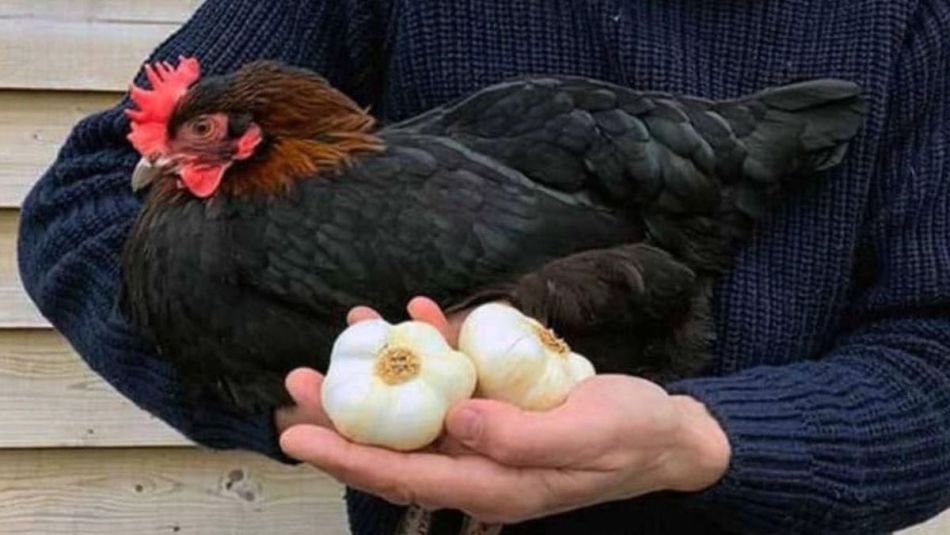
The Allium family includes garlic, onions, shallots, chives and leeks. Each garlic bulb contains 10 or more segments called cloves. Throughout history, the main use of garlic was for its health and medicinal properties used to combat fungal, bacterial and microbial infections.
I once had farming friends who consumed raw garlic daily as a health aid. Their employer, a hospital in the city, complained about the garlic smell that followed them through the wards. Personally, I love that smell, but I also love the waft of curry and spices, which some people find overwhelming. So why were they munching down on all that garlic?
There are all kinds of assertions on the internet about the wonders of garlic. Many of those claims are prefaced with ‘may’ or ‘might’ and are often unproven and speculative. Scientists now know that most of garlic’s health benefits are caused by sulfur compounds formed when a garlic clove is chopped, crushed, or chewed.
Perhaps the most well-known is allicin, an unstable compound, that is only briefly present in fresh garlic after it’s been cut or crushed.
Those compounds enter the digestive tract and boost the immune system because they stimulate white blood cells that provide protection from infection and antioxidants that protect immune cells.
In addition to being a good source of sulfur, garlic contains high levels of amino acids, selenium, zinc, phosphorus and potassium as well as manganese, vitamins B6 and C, calcium and iron. Allicin and allicetoins are antibacterials, and prebiotic inulin aids digestion by increasing good bacteria in the gut.
Benefits For Chickens
- Prebiotic: which becomes food for beneficial bacteria colonies (including probiotics) and helps to increase the number of friendly bacteria in the gut that are associated with better immune system health, reduced inflammation and disease risk.
- Mites and Lice: Spraying birds with a mixture of 10% garlic juice in water or adding crushed garlic to their drinking water is a natural, effective way to decrease the presence of biting ectoparasites. Some commercial anti-parasitics contain garlic.
- Red Mites: Garlic extract is effective as a repellent against red mites, demonstrating a 96% success after two successive sprays.
- Improved Egg Quality: Supplementing laying hens’ diets with 1-3% garlic powder is beneficial for egg quality, increased albumen and overall egg weight (Note: over 3% dietary garlic can adversely affect egg flavour)
- Anticoccidial: Garlic powder has been shown to fight off Eimeria.
- Ascites: Adding 5 garlic into the diet of chickens may help prevent ascites syndrome in chickens.
- Lowered Cholesterol
- Rooster Fertility: Sperm count and motility in roosters increased
- Snake-repellent: I’m not sure how accurate this is or how sensitive snake sense of smell is, but garlic is said to contain chemicals which act as a natural snake repellent. Add six crushed garlic cloves to a spray bottle filled with water and use in the areas where you want to repel snakes.
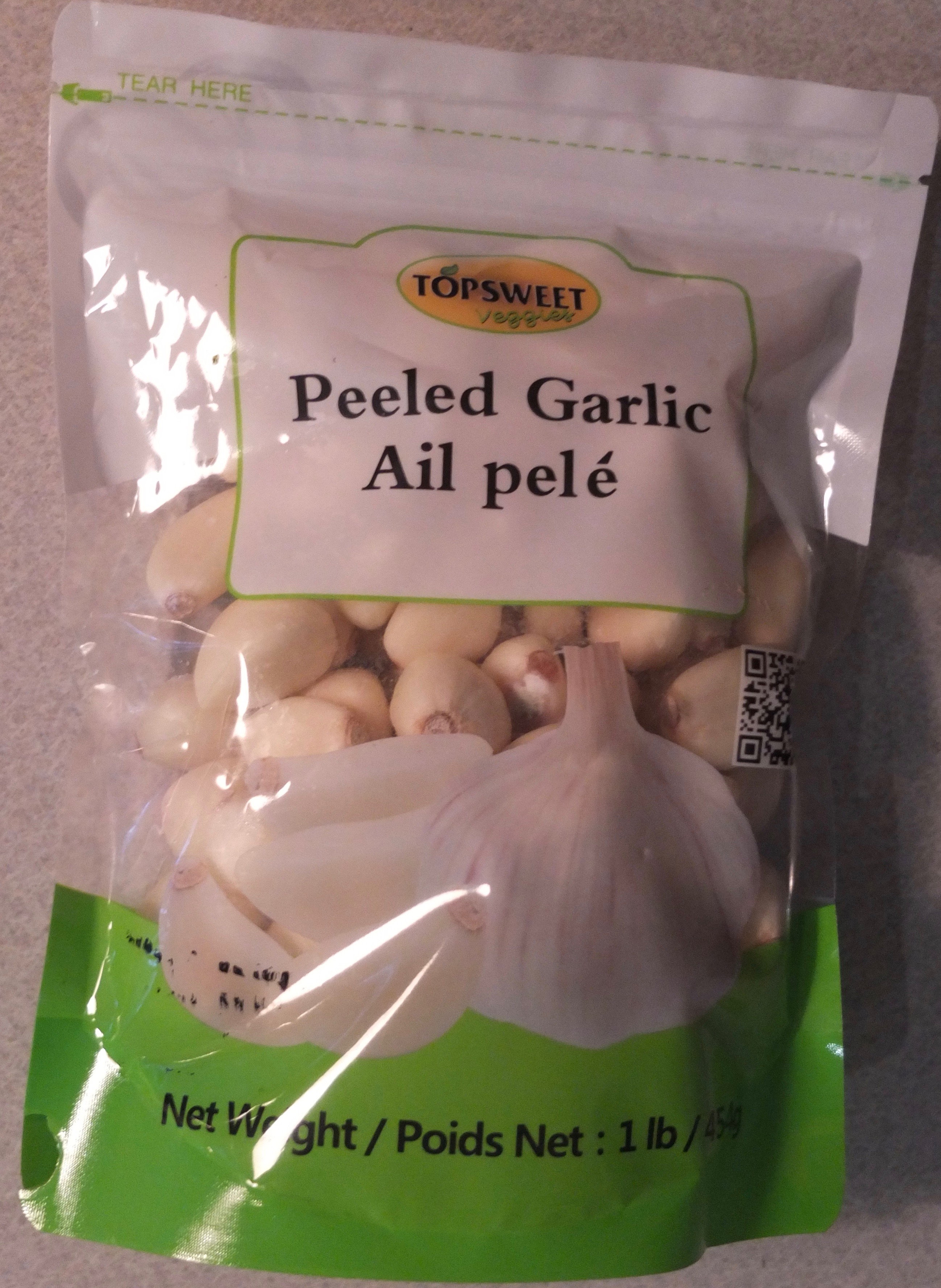
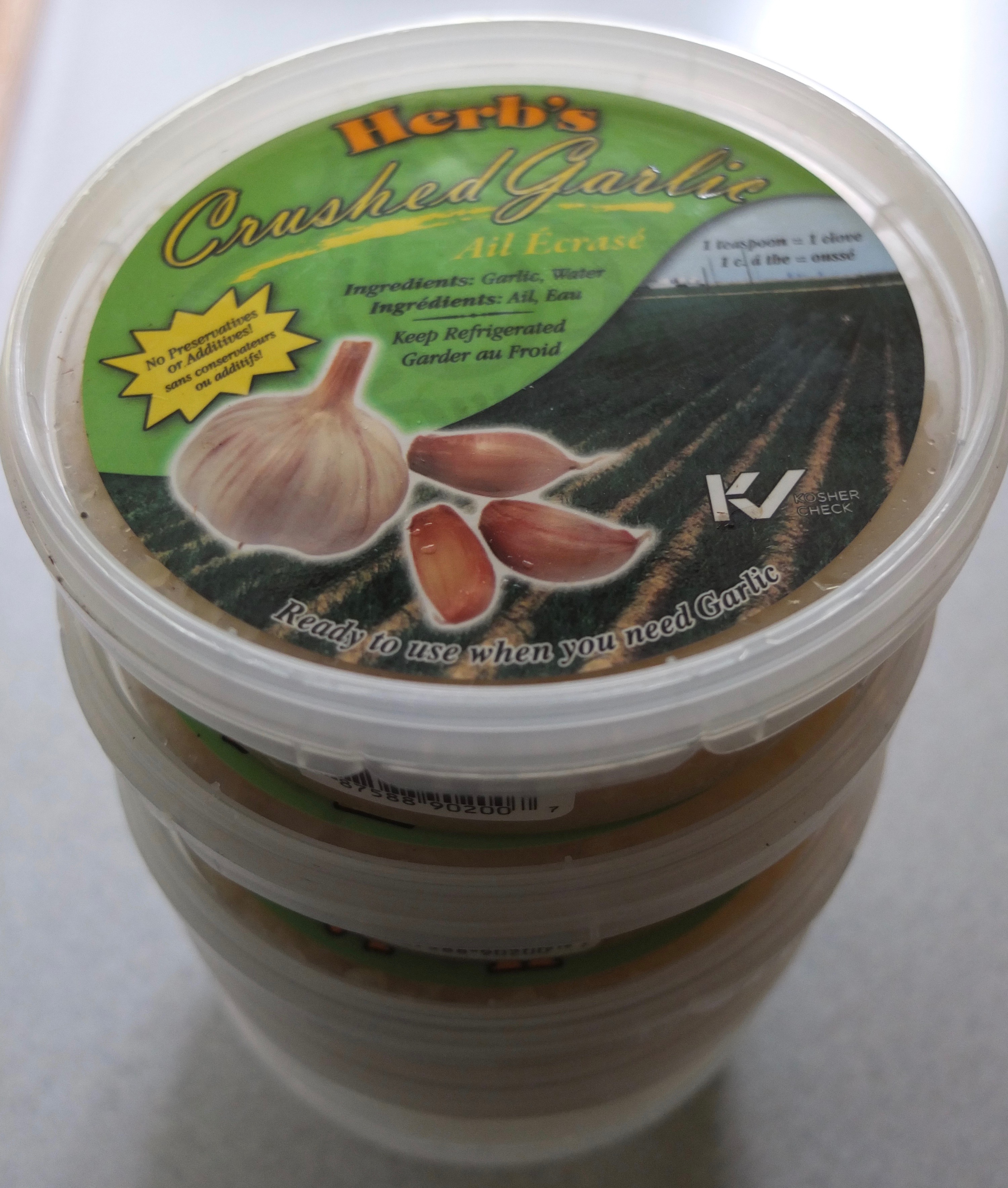
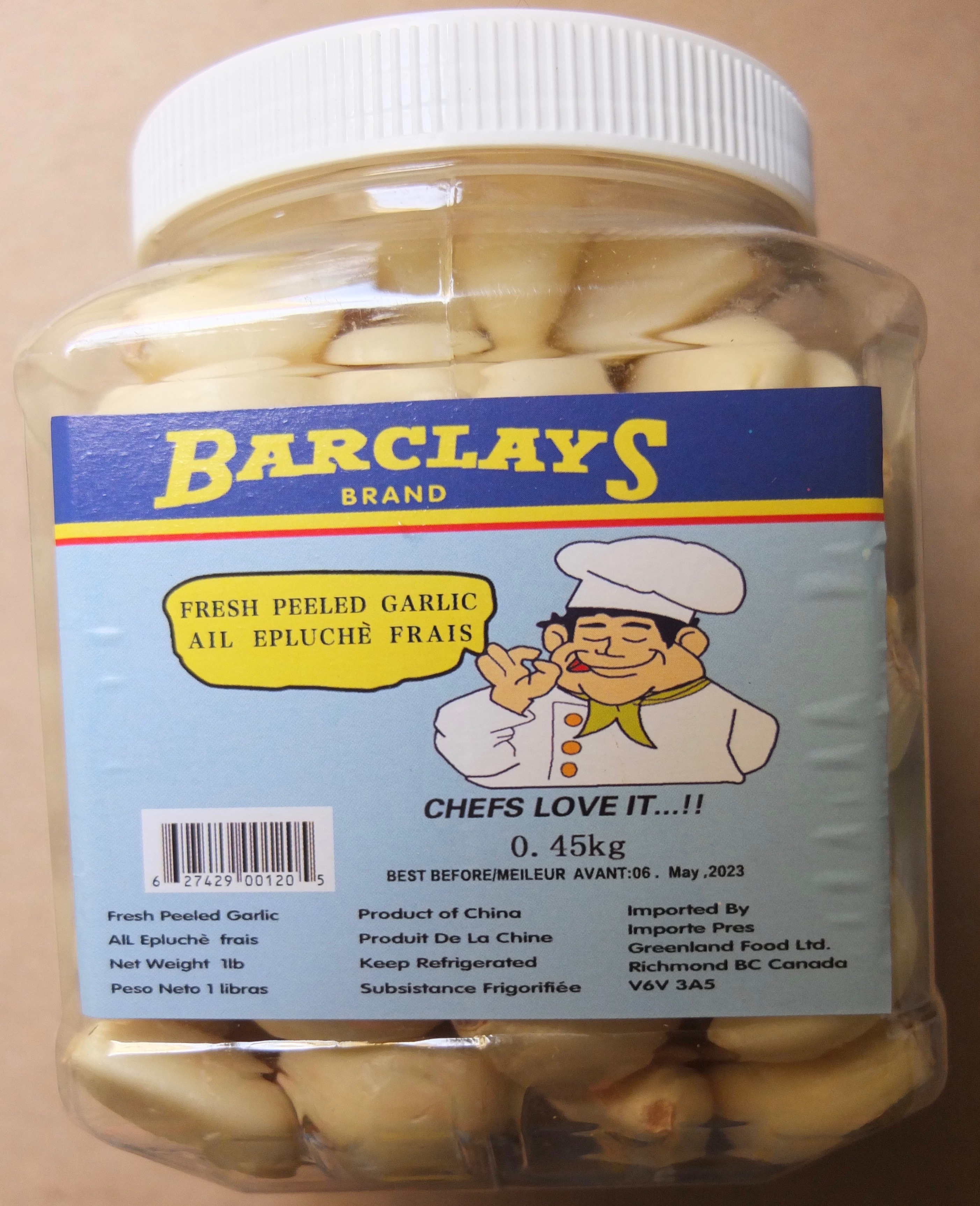

I’m fortunate to have access to a food recovery program in which our local grocery store donates unsold produce to an organization that has staff and volunteers sort and distribute salvageable food for people, animals or compost. I often get garlic products: fresh whole garlic, peeled cloves, puréed or crushed with no additives. It’s easy to add it to my flock’s water containers or give it directly to them to eat several times each month.
Dosage: 2-4 crushed cloves in a one gallon water container. I do give them Apple Cider Vinegar (ACV) for one day, once or twice month.
Credit: National Institutes of Health, Poultry DVM All photos: Bitchin’ Chickens except the featured photo: Poultry Keeper
 Bitchin' Chickens
0 comments on “Natural Remedy For Chickens: Garlic”