

A few months ago, I posted about Fresh Start For Hens, a rescue organization in England. As I was working on it one of my guest contributors, Rhonda Gable Hammons, touched base to chat about her ideas about matching rescue hens with folks requiring therapy animals. She mentioned connecting with Hadassah who runs an animal rescue in Oregon, USA and suggested I reach out to her. I did, and asked Hadassah, founder of Tikkun Olam if I could interview her for Bitchin’ Chickens. I scrolled through two years of history on their Facebook page to get an idea of the scope of what they do and then asked her a number of questions to fill in the gaps.
The result, I hope, is a sneak peak into their philosophy and what’s required to care for animals that have been abused and neglected in order to offer them a better life. As you can imagine it’s hard work, both physically and emotionally, not to mention trying to come up with the funds to keep their project going from day to day. They are a charitable organization that relies on donations and grants, as well as several volunteers. Hadassah works there full-time as well as has a side hustle to help cover the cost of feed.
Tikkun Olam Farm Sanctuary (TOFS) is a healing community whose mission is to repair the world through animal rescue, community building, transitional housing, and wellness services.



Their name Tikkun olam (Hebrew: תִּיקּוּן עוֹלָם, ’repair of the world’) comes from the concept in Judaism, which refers to various forms of action intended to repair and improve the world. The term was first used in connection to social action work in the 1950s and over the decades has also referred to charitable giving, acts of kindness and progressive Jewish approaches to the pursuit of social justice. The phrase “tikkun olam” remains connected with human responsibility for fixing what is wrong with the world.
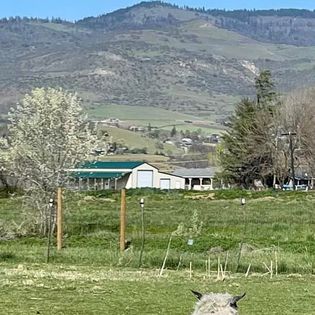
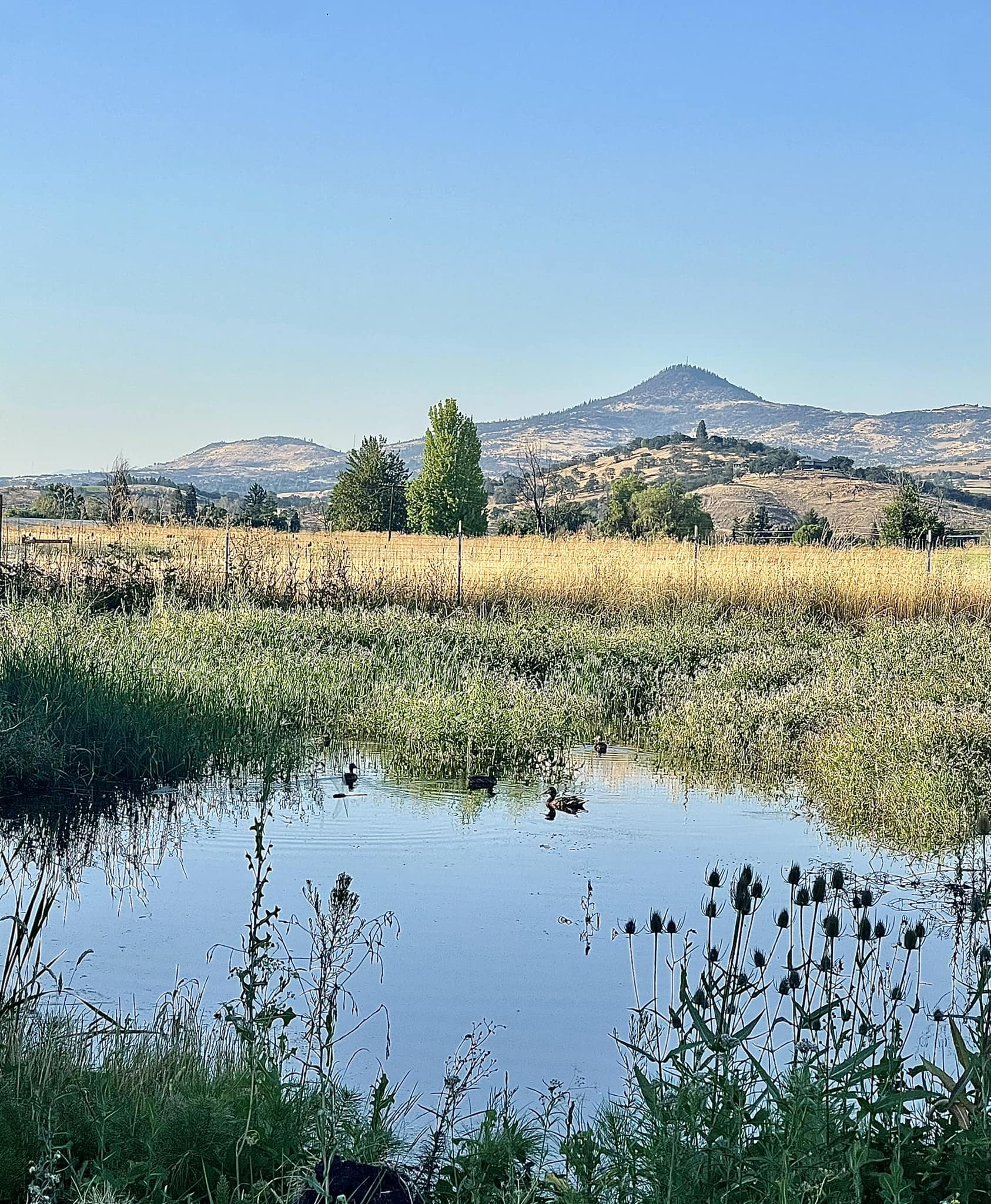
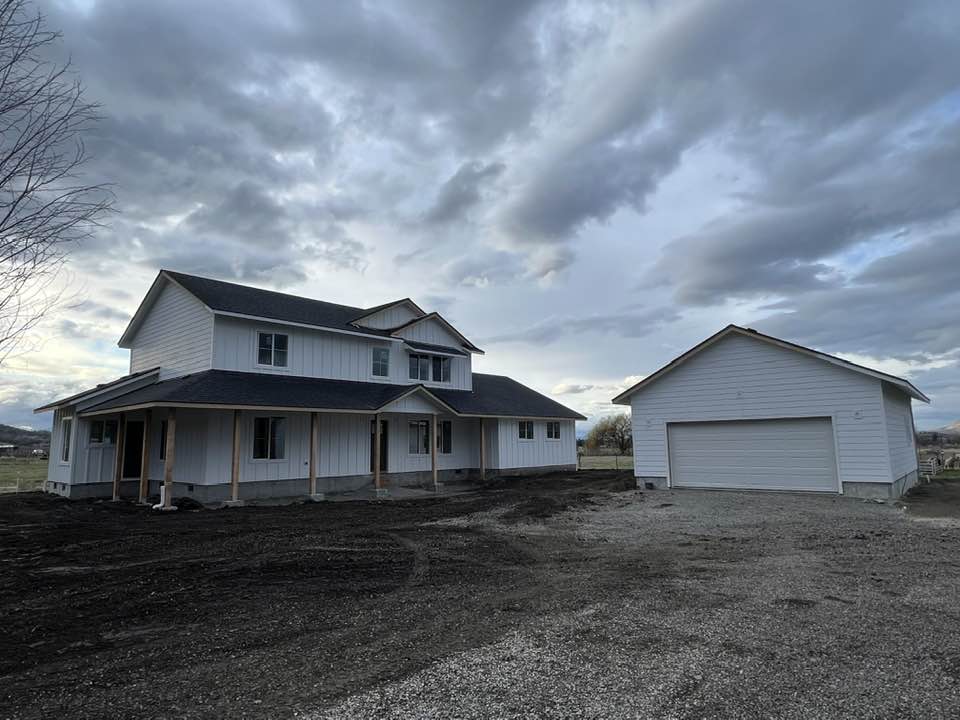
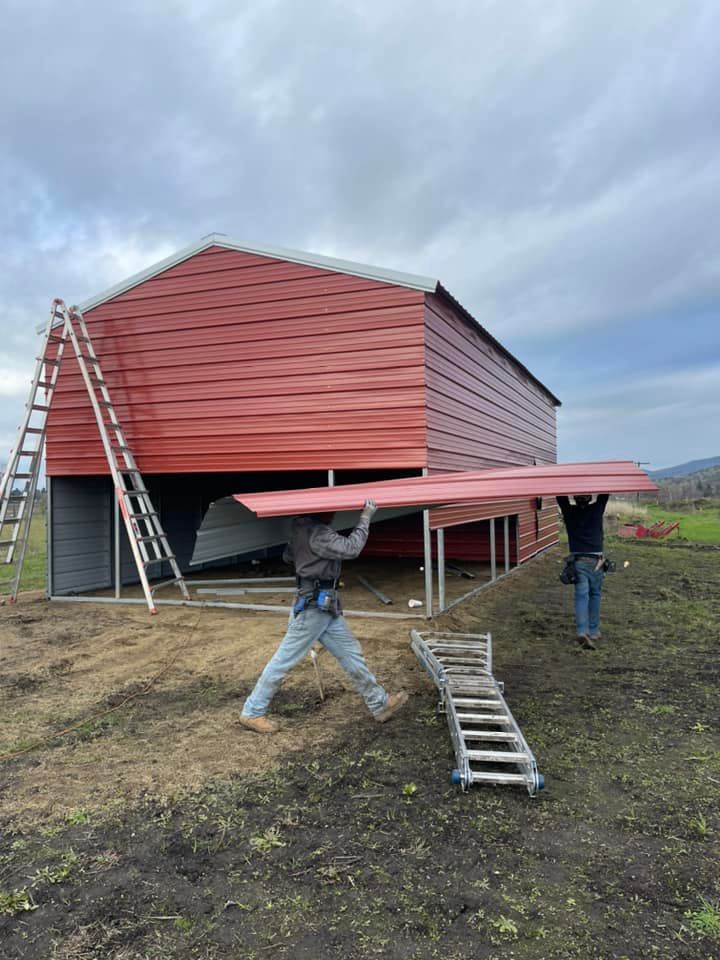
TOFS includes nine acres of fully irrigated pasture and buildings that house about 130 farm animals: all species of goats, sheep, cows, pigs, donkeys, horses, chickens, ducks, turkeys, peafowl. The property burned during the Almeda fire in 2020 and they are building everything, including fencing and barns, from the ground up.
Their specialty is chickens and have rescued a large variety, mostly high production hens (e.g. ISA and Lohmann brown) and Cornish crosses from factory farms, as well as dumped roosters, ex-fighters, and a number from cruelty cases they have worked on.
Tikkun Olam Farm Sanctuary Stories
Chicks
More farm store chicks. Four more, but sadly one didn’t survive the night. All have special needs.
One has splayed legs and will need a brace for a short time. I tighten it a little each day until her legs are where they should be.
One has a crossbeak and is missing an eye. She will need hand feeding for a bit. Hopefully she will be able to eat on her own without assistance but it is too soon to tell.
One was born missing both eyes.


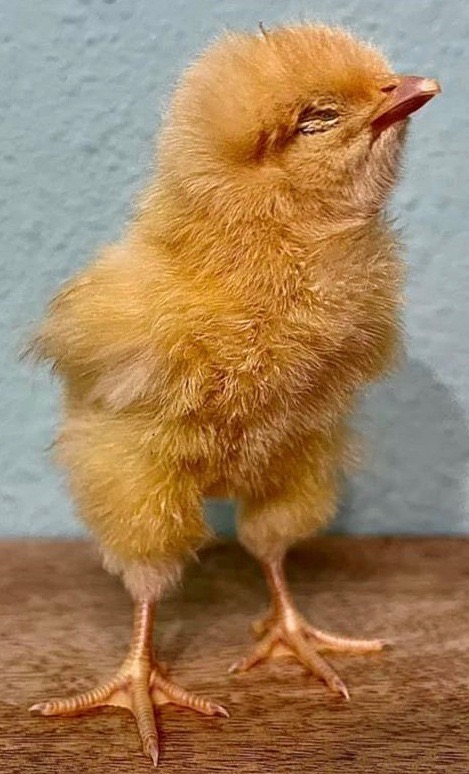
Anytime there a chick is born differently-abled, their chance for survival is guarded. Fortunately, our local farm store contacts us when these babies arrive to give them a chance. We are grateful that their staff cares enough to try and save them.
Not all farm stores do this. In fact, most don’t. They are written off as damaged merchandised and are killed or left to die in a back room without heat, food, or water.
This is an emotionally difficult time of year and it helps to have the extra support and encouragement.
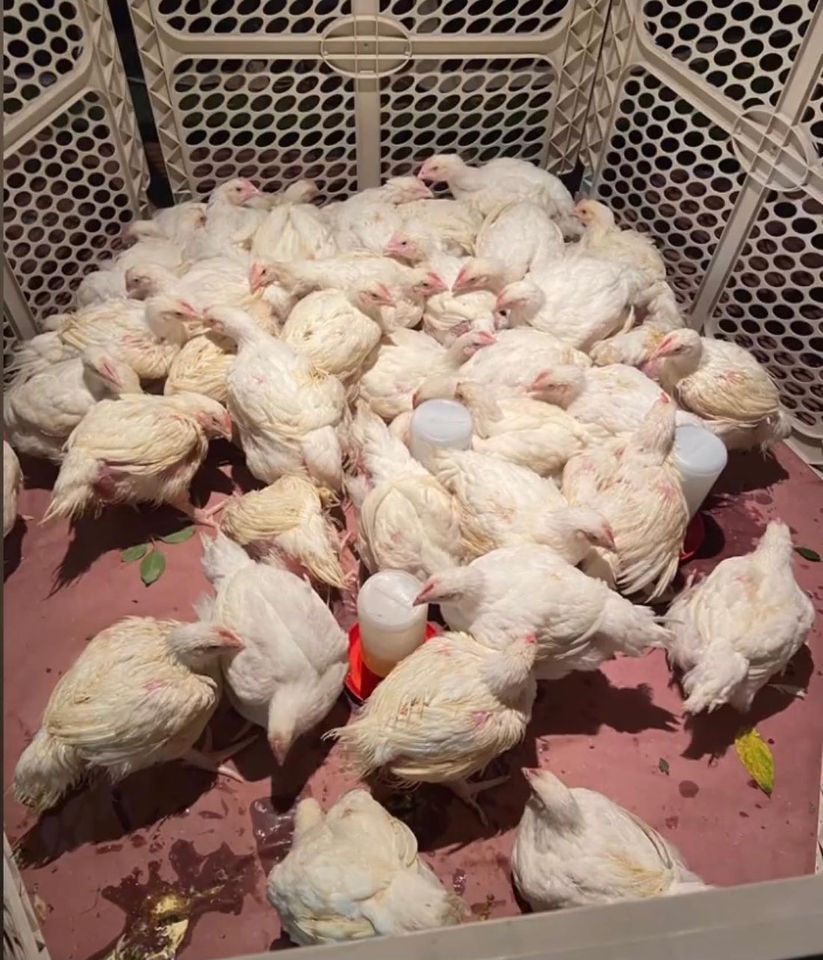
It’s spring and all of the farm stores are receiving weekly shipments of baby chicks in the mail. When chicks don’t arrive in the morning post delivery, it means they spent even more time in a cramped shipping box without food or water.
This little one came in the afternoon shipment. She was buried under dead babies that didn’t survive the grueling trip. Her eyes were sealed shut. She was covered in feces, blood, and the entrails of her siblings who had been cannibalized by the other babies (they hadn’t eaten in over 24 hours), but she was still peeping.
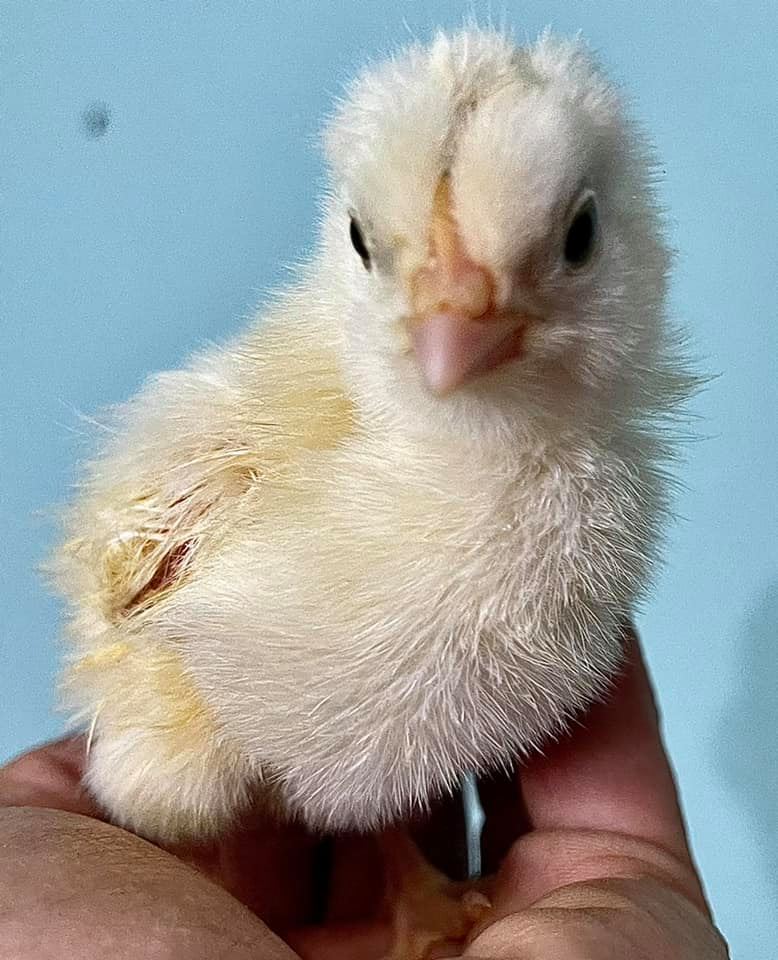

The wonderful staff member who sends us the sick, injured, and weak arrivals rushed to save her. She cleaned and warmed her up and gave her electrolytes and vitamins. She didn’t call me that evening because she thought this one wouldn’t pull through and didn’t want me to watch yet another die.
This little fighter didn’t die. She was weak and had wry neck, a condition caused by a vitamin deficiency, but she was alive and fighting. We picked her up yesterday. Needless to say, I am completely in love with this little floof. Her name is Malala.
She is a Cornish cross, which means had she been healthy, she would have been sold and her body fattened for 5-6 weeks until she gained so much weight she couldn’t walk. Then she would have been killed. Today she is safe and we will do all that we can to help her live a long and happy life.
If you love chickens, please don’t buy them from farm stores or mail order. It is a cruel practice that must end. Please think of Malala and adopt.
Debeaking Hens
I know you’re not supposed to have favorites but this little bird has my heart.
Pop Tart was brutally debeaked as an older chick. She and 50 other chicks had their beaks cut off by a farm store worker. Half of the chicks starved to death and the other half were saved by the work of four sanctuaries.

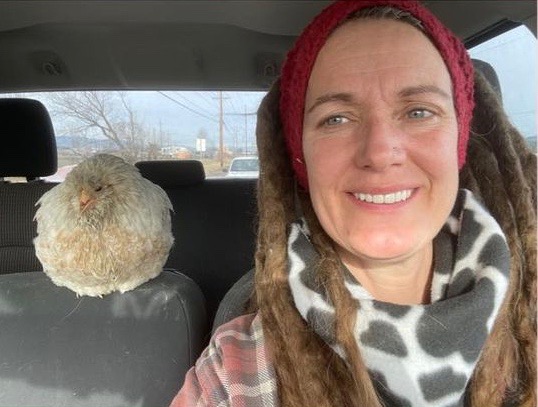
She is one of three birds we took in from this rescue. The other two girls are able to eat regular food but Pop Tart needs mash prepared a few times a day. She is much smaller than her sisters and struggles to keep her weight up.
I know that due to the damage she sustained that she may not be destined for a long life, which somehow makes me love her harder. I want her to know that for the rest of her life she is safe and loved.
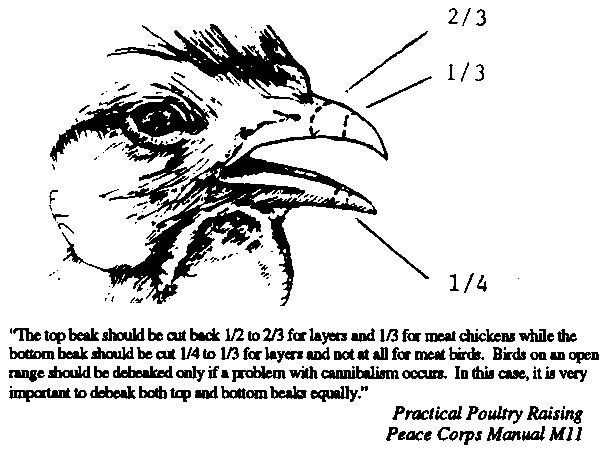
Debeaking usually take place shortly after chicks hatch and is used in the poultry industry to prevent hens from pecking injuries due to stress.
The practice uses a hot blade to knife off and remove the top beak of a chick. Even certified humane egg producers use this practice. Severe debeaking can result in the inability to eat solid food. Some hens no longer have nasal passages, leaving their tongues constantly exposed and at increased risk of bacterial infection and other health issues.
Laying Hens
TOFS and a group of dedicated volunteers saved over 200 hens from an egg farm.
These birds, ages 1-3 years old, were going to be killed because the farm was closing their egg business. We were alerted to the situation and were able to negotiate the release of these sweet hens and one rooster. We are grateful to have saved so many but mourn the ones we had to leave behind. We could only take as many as we had space, resources, and homes for.


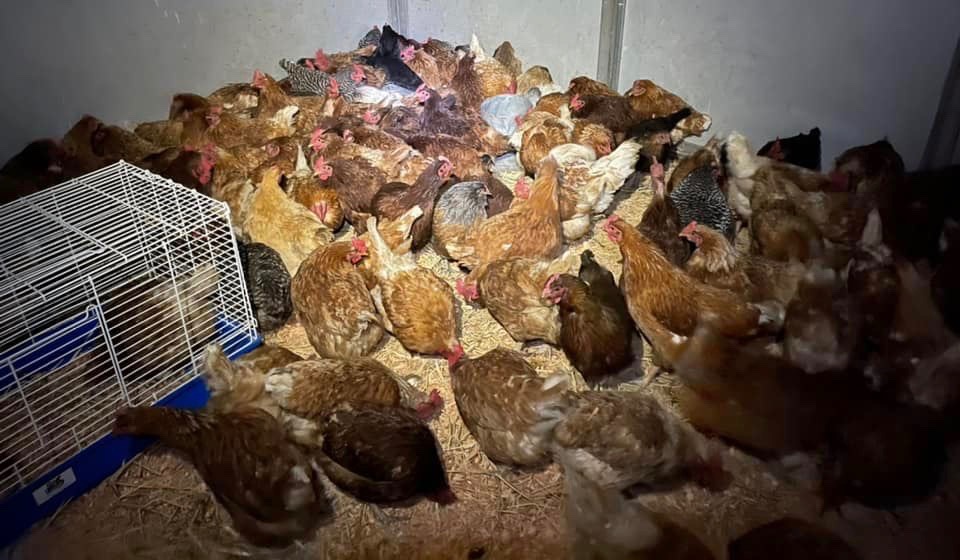
If you haven’t been to a commercial egg-laying farm, it is hard to describe the experience. Birds do not receive medical treatment and many have illnesses, parasites, and injuries that are left untreated. The coops are cleaned infrequently and smell so strongly of ammonia that it burns your eyes. Finding dead birds in these facilities is a heartbreaking reality. This is what our volunteers experienced to help bring these chickens to safety.
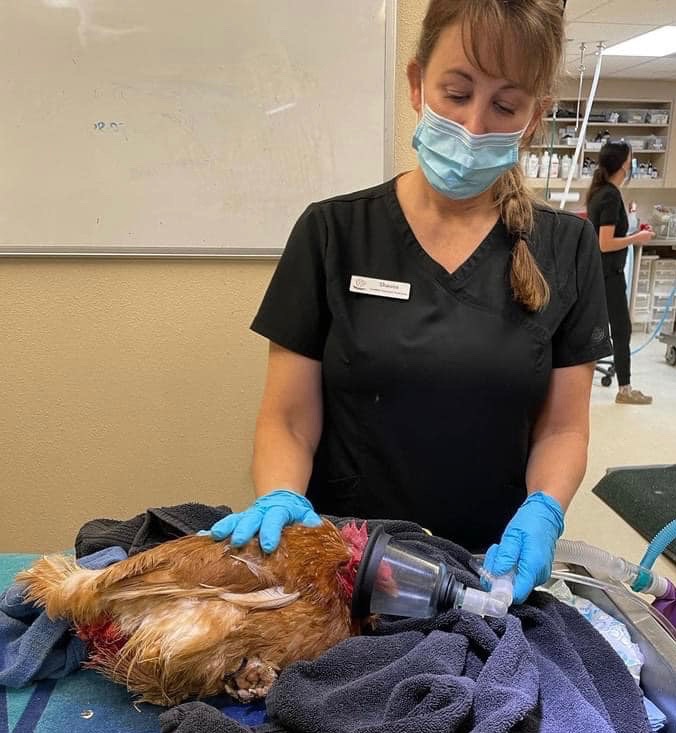
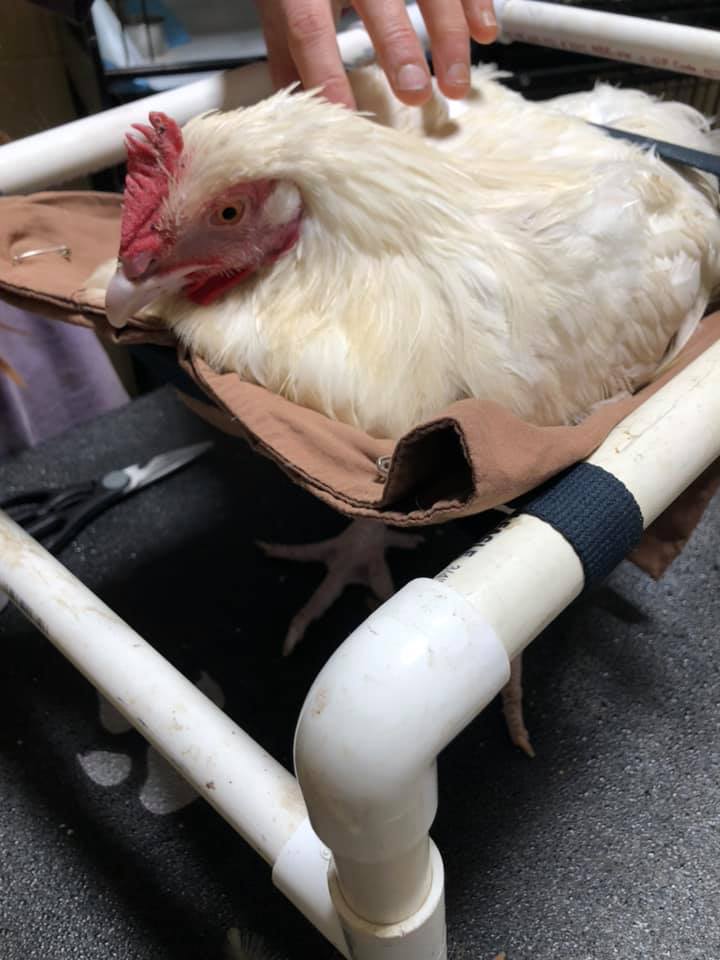
Triage


Health Issues



Dumped Rooster
About a week ago, on one of my early morning walks, this little chicken appeared at an abandoned house, no other houses around. My instincts knew someone tossed him out. He’s young, probably a rooster. With predators around, I knew I wanted to catch him. I consulted my friend Hadassah at TOFS for guidance. She has a huge heart, willingness to help, knowledge and love for all animals, and offered to help me rescue this elusive bird. Several times a day, early sunrise mornings, late dusk evenings we were out trying to convince this beautiful chicken we only were trying to save his life.

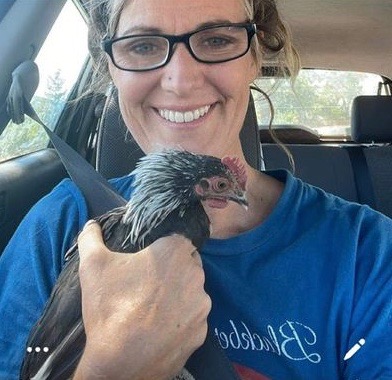
After a few more visits and frustrations, my wonderful sweet determined friend got him! Maybe some of you won’t quite understand, but this is one of the best things that has happened to me all year. He gets to live out his life at the sanctuary. I am so grateful. – Lori Sinner- Slate
Turkeys
Thanksgiving is always such a sad time of year for me. Over 46 million birds are slaughtered for this single day. We wanted to save another turkey this year but decided that the timing was not best due to the huge transition we are in.
Then these two showed up. Starving, abused, and days away from being killed, I knew as soon as I saw them they were coming home to TOFS. In spite of their rough beginning, they are friendly and inquisitive. We are grateful to be able to provide them with a forever home. Clydene wasn’t sure if she agreed, but I found them cuddling together last night.

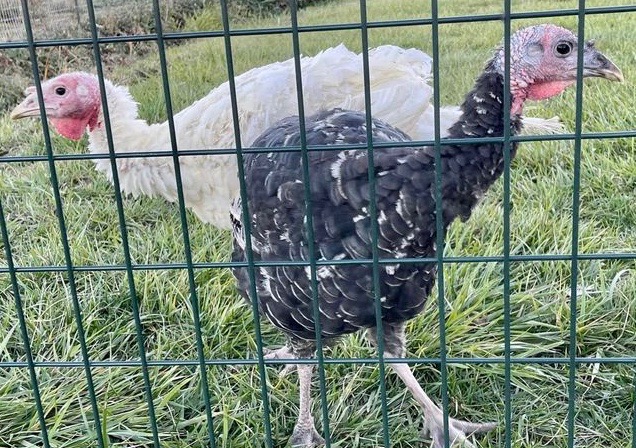


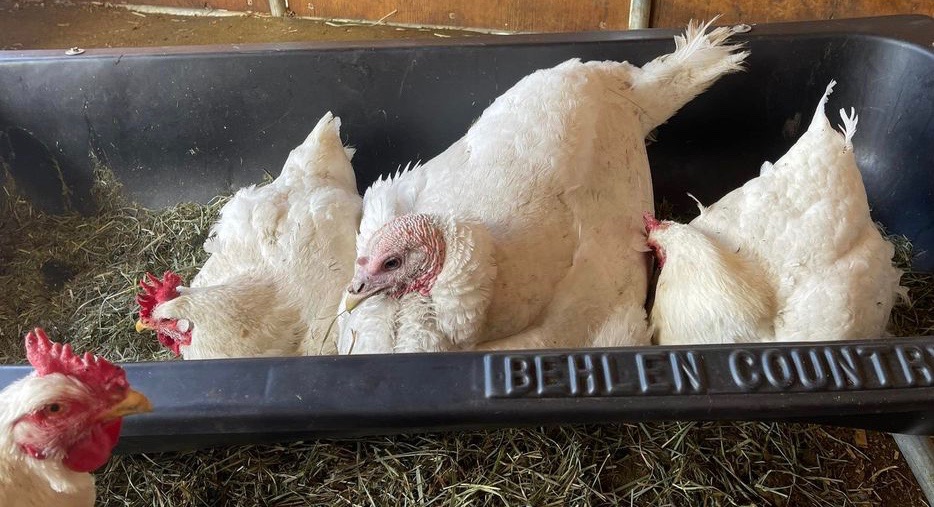


As you all know, I am no fan of eggs. The health issues that chickens experience as a result of them makes me so sad. That said, seeing Cornish cross chickens and a broad breasted white turkey nesting in a hay trough makes me smile. These birds almost never live beyond 42 days (turkeys a little longer.) They are killed long before they would ever begin laying. Seeing them nesting like this is bittersweet. I love the one photo of our turkey, Clydene biting at the hen nesting next to her.
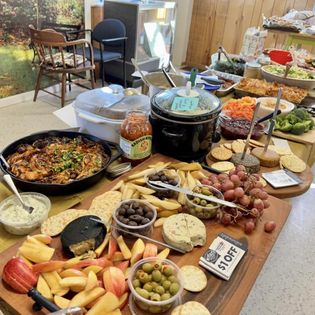
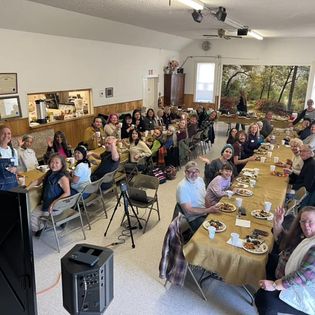
Vegan Thanksgiving
Chuck & Oren
Chuck and Oren are male Pekin ducks and a bonded couple. It was love and first sight and from the moment they met they’ve been inseparable. Love knows no boundaries.

Leila
Leila, our little one eyed girl, has been isolated from the main flock for over six months. She had Trichomoniasis, a protozoal infection that causes lesions most commonly in the mouth and throat. It can be passed to other birds through sharing food and water and if not managed, can be fatal.
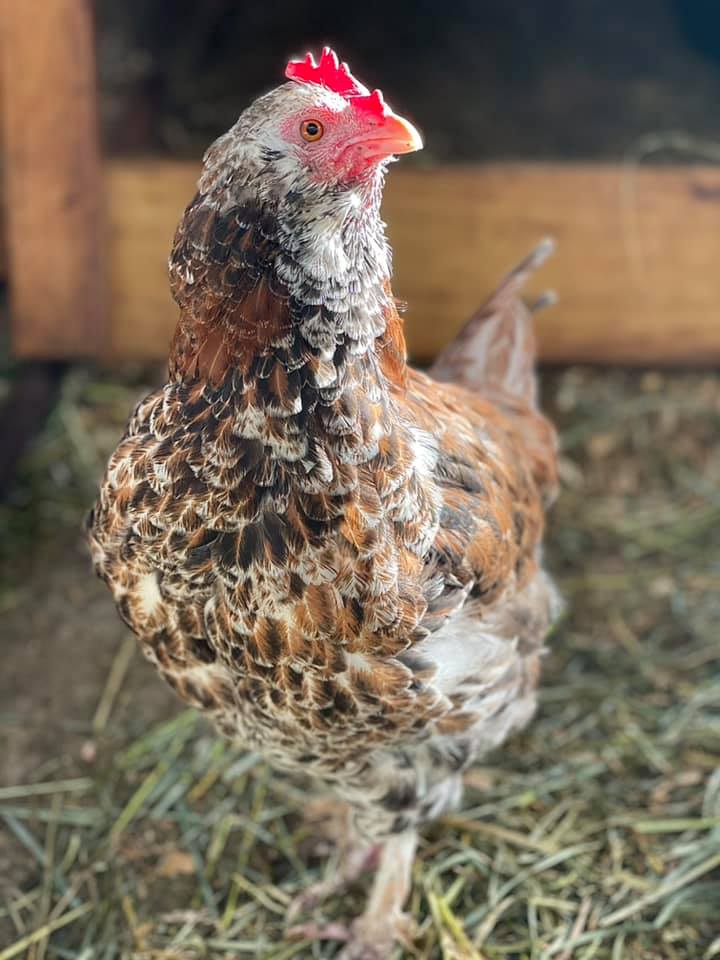

After several rounds of different medication and months of flushing and debridement of the cankers in her mouth, Leila has finally recovered and is happily spending time with the special needs crew where she can be closely monitored.
I love this talkative, funny, little weirdo and am grateful that she is living her best chicken life.
Losses
Those of us who run sanctuaries use social media to post stories and pictures of our animals. We share uplifting stories, stories of rescue, fundraisers for medical care, photos of happy sanctuary animals living their best life. What we don’t share is the stories of when something goes wrong. When we make a mistake that results in injury, illness, or worst case, a loss of life.
This morning I lost one of my most beloved roosters. He was a Cornish cross rescued from kaporot over three years ago. He died because of my poor judgment. He died because I didn’t trust my intuition and made the obviously wrong choice.
I’m not sharing this story for sympathy or support- I deserve neither. I’m sharing this story because I want to be transparent. Sanctuary life isn’t all bucolic pictures of grazing cows, cute sheep, and happy endings. Sometimes it is a horrible mistake that costs an animal the ultimate price. Sometimes we fail them. These are the stories most of us never share.

I hope by sharing this I can find some forgiveness for being a fallible human. I’m pretty sure I’m not alone. I also hope this story can help others recognize that regardless of what you see on social media, we all have these experiences even if we aren’t sharing them.
I’m more than a little sad that in our society, the non-human animal’s life matters less than the human animal’s life. Intellectually I understand our social conditioning around this, but at my core I just don’t understand how people think it is acceptable to use animals for personal benefit. It makes for a lonely existence at times because it is hard to be in relationship with people who share such a vastly different worldview on a subject that shapes my entire existence.
Many thanks to Hadassah Nicole DeJack-Reynolds for sharing TOFS’s story and photos and for all the work she does to bring more compassion to our world. All material used with permission.
 Bitchin' Chickens
What an emotional rollercoaster. After reading, you just want to give Hadassah a hug and say, thank you!
LikeLiked by 1 person
We have a chicken supply store in our area. Are you suggesting we not purchase chickens from them?
LikeLiked by 1 person
Most chicken supply stores don’t hatch their own chicks; they purchase from large hatcheries that ship the chicks. That works for some folks, but in many cases those fragile chicks endure difficult conditions, especially if the delivery is delayed. In many cases, chicks are just a commodity that are cared for by staff that, all too often, lack training on proper care. My preference would be to source chicks closer to home.
LikeLike