
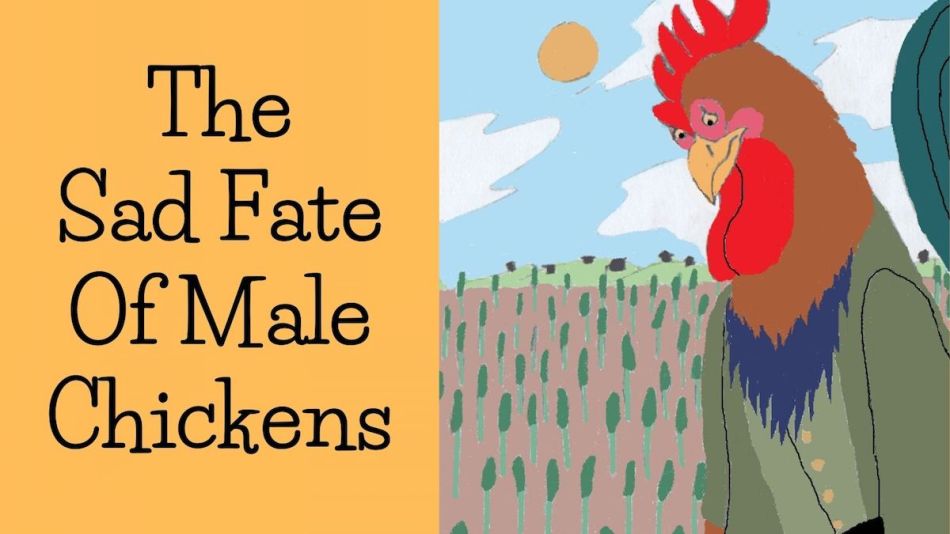
Most species, ours included, favour offspring of one sex over the other. The reasons may be embedded in culture but arise from pragmatism.
If you observe wild animals some live in packs like wolves, usually consisting of a dominant couple, other females and subordinate males. Once those males reach maturity they often move on to start their own group because competition over resources and the right to mate can lead to conflict. Other species live communally in which adolescent males leave to form bachelor groups. The latter is true of the ancestors of the modern chicken and even with feral chickens.
Everyone knows that the role of roosters is to protect the flock, mediate conflict, find food and reproduce, but that doesn’t require a 1:1 ratio of males to females. In fact, it works against group cohesion to have too many males. I’ve got one rooster and about 30 hens. I could probably accommodate one more male, but it’s not necessary and would surely result, at the very least, in more crowing. Statistically male and female chicks hatch in equal numbers, so what happens to those surplus to requirements cockerels?
Chickens are the most populous bird species on the planet – a whopping 34 billion in 2023 – and are raised for meat and eggs. Males provide meat, but hens are dual purpose in that they can do both. The bottom line is most roosters, however pretty or friendly, are superfluous to both commercial operations and small flock keepers alike. The dilemma, then, is how to deal with them. Sadly many are used for cock fighting, dumped to fend for themselves or killed.
During the Covid pandemic there was a rush on adopting cats and dogs, but once folks were back at work and busy with their lives as things returned to normal many of those family pets were rehomed or surrendered to the SPCA. Similarly, with the increase in the number of backyard chickens in the last few years, there’s also been an increase in chickens – mostly roosters – ending up in shelters and at rescues.


I’ve previously written about a British battery hen rescue and a farm animal sanctuary. This time around, I reached out to a rooster rescue for their perspective on the subject.
Jewel Johnson runs a 501c3 registered charity funded by donations in Bennett Colorado, 45 minutes from Denver. They take in turkeys, geese, ducks, pheasants, peafowl, horses, cows, sheep and goats and, of course, chickens (most of them survivors of cockfighting).
In 2010, I bought a foreclosed property of 40 acres and one tiny tree, far from the mountains I call home, with the purpose of helping roosters.


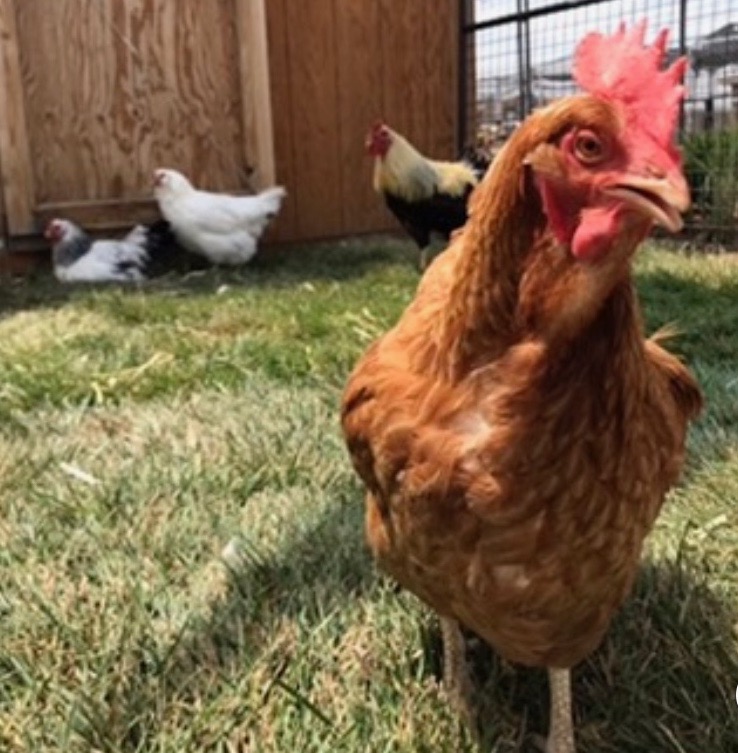
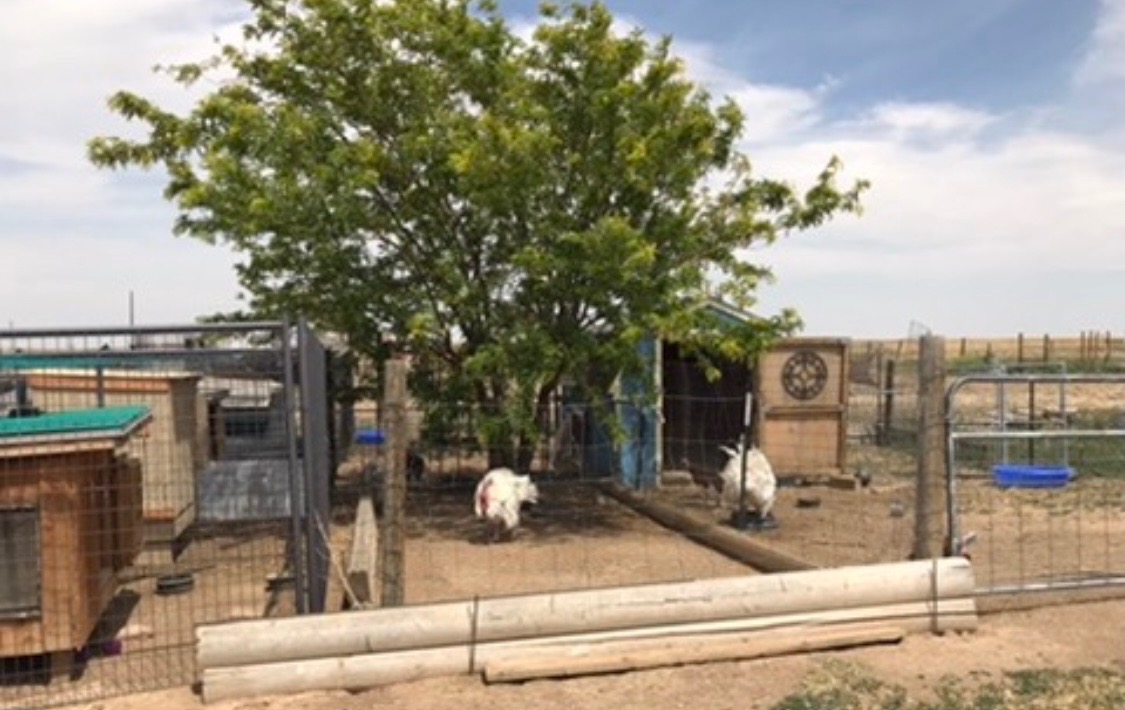
Why roosters? They’re the real underdog. Of all of the birds on earth, chicks are hatched by the millions each year, and half of the ones hatched male in the egg industry and for backyard flocks, are killed. For the male chicks that don’t get destroyed on their hatch day, their lives are at risk as well just as soon as they start to crow at 4 months old. No other bird on earth is pumped out by the millions like this just to be shredded shortly after hatching. Of all land animals on Earth, chickens have it the worst in numbers alone and they need help the most. We need all hands on deck to help these birds.
We cannot save them all, in fact, we can save only a few each year. Each day, especially in August and September, I get phone calls and emails saying the same things, sometimes word for word. It goes like this: “Hi, are you accepting roosters? We bought chicks in the spring and they were supposed to be hens, but now one is crowing. We are not allowed to have roosters where we live. Can you take him? I would hate for something bad to happen to him, and I don’t have the heart to kill him”.
I then tell them the news that they’re really not alone. I bring up the ordinances that allow for female chickens and not male ones, yet feed stores and hatcheries are legally selling them for a few dollars each to anyone no matter where they live. The city is going to come knocking to confiscate their rooster when the municipality allows people to raise chicks knowing full well if the chicks are sexed, there is a 10-20% chance some are male. It’s a poor design that leaves that lucky four month old rooster, at risk once again.
I tell people “no” over and over again, and I suggest they broaden their search for a good home to different kinds of rescues. Unfortunately there are places that will take these young little guys and butcher them or just throw them into bachelor flocks without quarantine or integrating them properly. Those flocks are sadly diseased and the hierarchy leaves the new guys out in the cold, sometimes with injuries. Situations get out of hand when people keep taking bird after bird like that. This is one reason we say no so often.
One day, a man called regarding a beautiful Barred Rock rooster he had named Han Solo. His HOA didn’t allow roosters. I gave him some suggestions to find placement for him and we hung up. A few days later, while I was in the parking lot of our bird vet clinic, our veterinarian approached me and told me someone brought him a beautiful, sweet rooster for euthanasia. He said the man couldn’t find a home for the rooster and his HOA didn’t allow roosters. Our vet didn’t have the heart to euthanize this perfectly healthy bird. Being the most generous and kind person who always helps our animals, I said “yes” to him. The vet brought this gorgeous, Barred Rock rooster named Han Solo, out to the car. I was awash with different emotions, mostly sadness and relief.
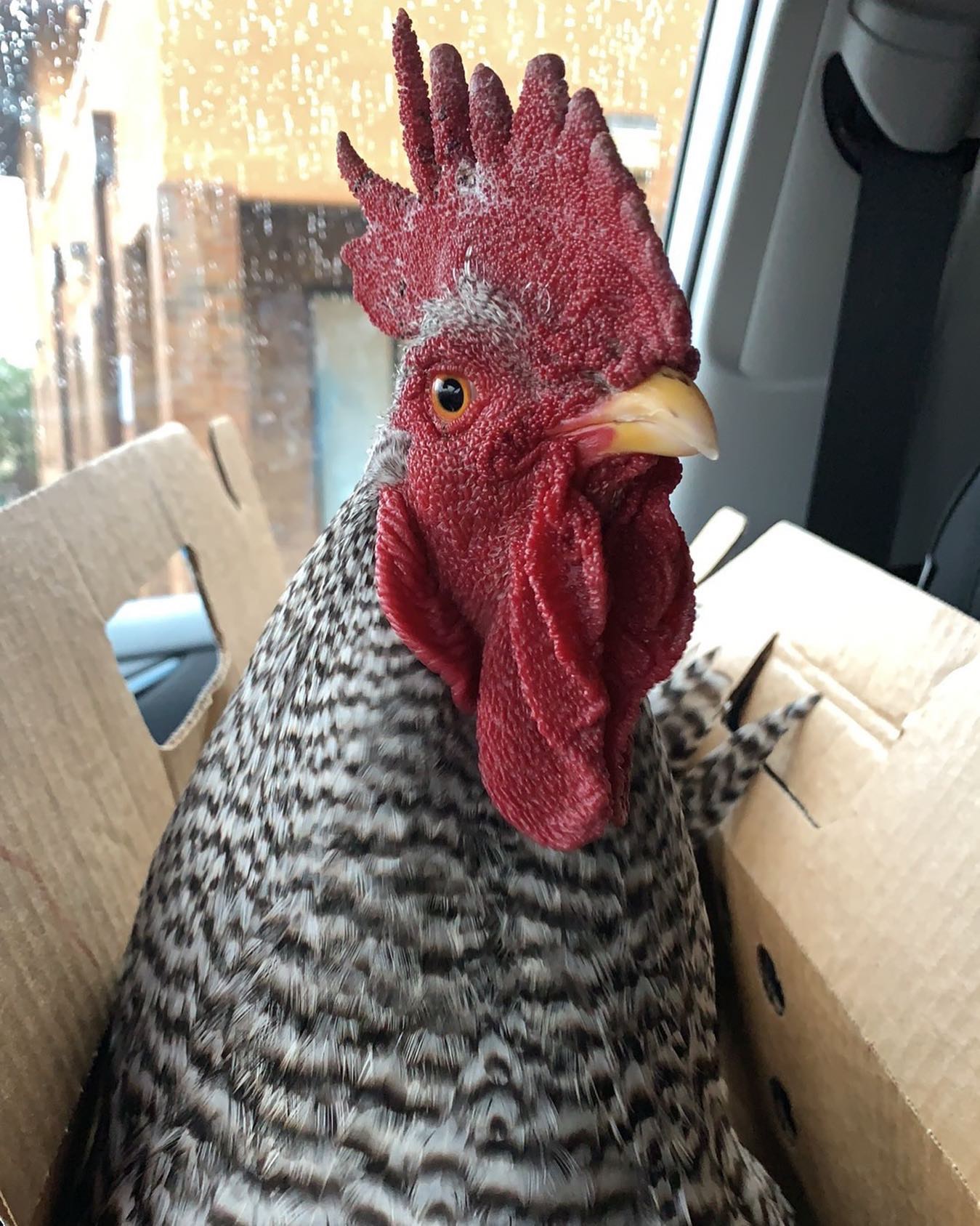


Han Solo came home to the sanctuary to live with us. He followed humans around, was great with his hen friends, and loved to sit in people’s laps. I was so grateful he made it here. One night he passed away suddenly after showing no signs of illness. We have many of our birds necropsied for cause of death or illness when they pass away here or when they are euthanized. Han Solo’s results showed possible cardiac issues. At our elevation in Colorado, many of our roosters do have cardiac issues, no matter the size of the breed.
Most of the birds that we do say yes to come to us from animal control directly. Occasionally we do get calls from other rescues, like we did for a rooster we named Matilda.
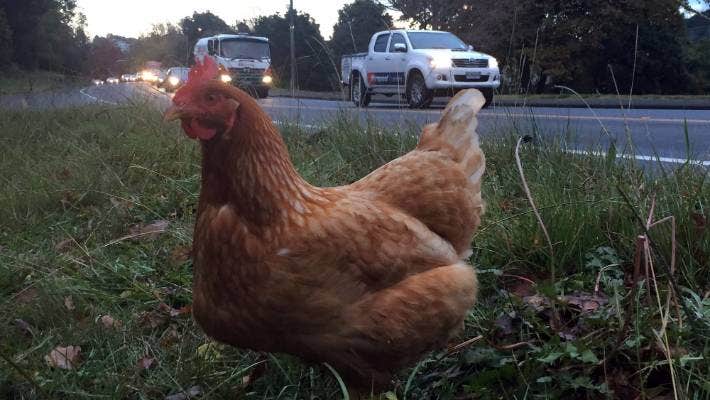
A wildlife rescue called us to ask if we could offer any help to a young chicken who was thrown out of a car on a busy road, and was then crushed by oncoming traffic. Remember that generous vet mentioned above? That vet is exactly why I was able to tell the wildlife rescue yes, we will take that chicken. He’s retired now, but vets like him are how rescues like ours can be effective.
When I picked the bird up from the volunteer, and held his young, golden-feathered body in my arms, his legs flopped down like cooked noodles. He had been crushed. His feet were smashed, his legs were smashed, and his sweet face was trusting, innocent and showing pain.
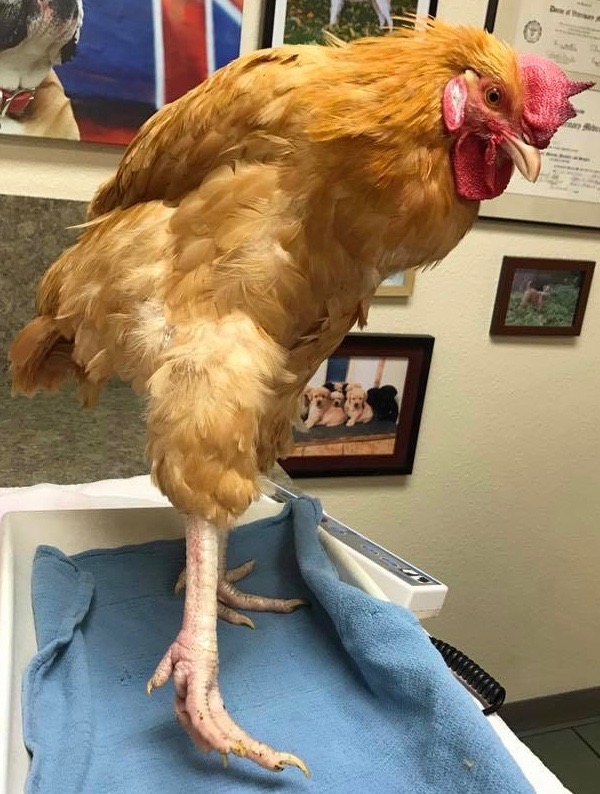
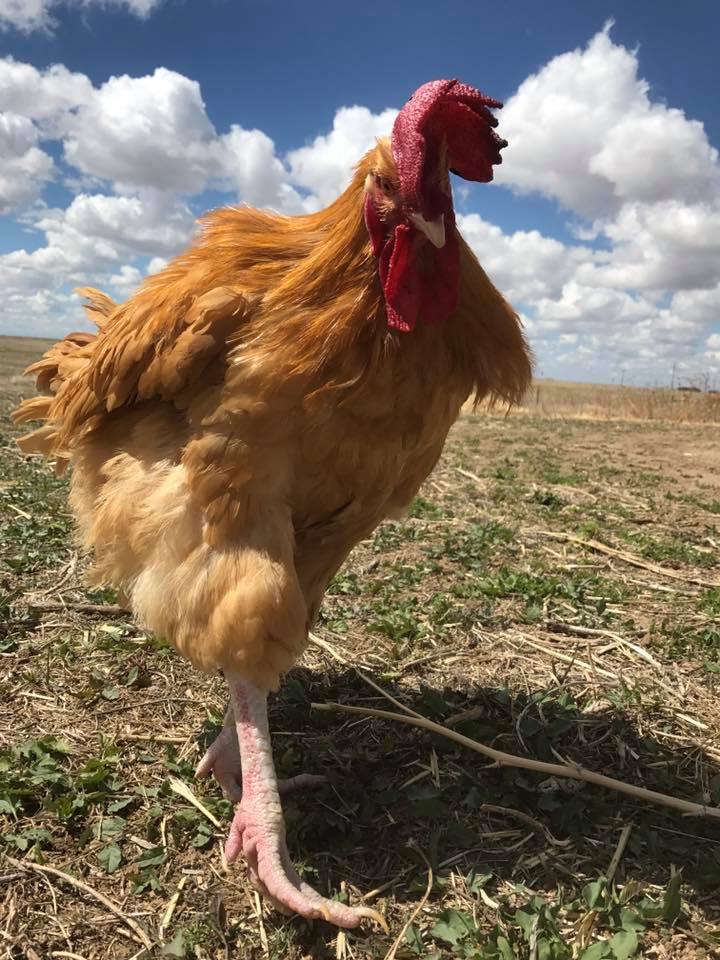
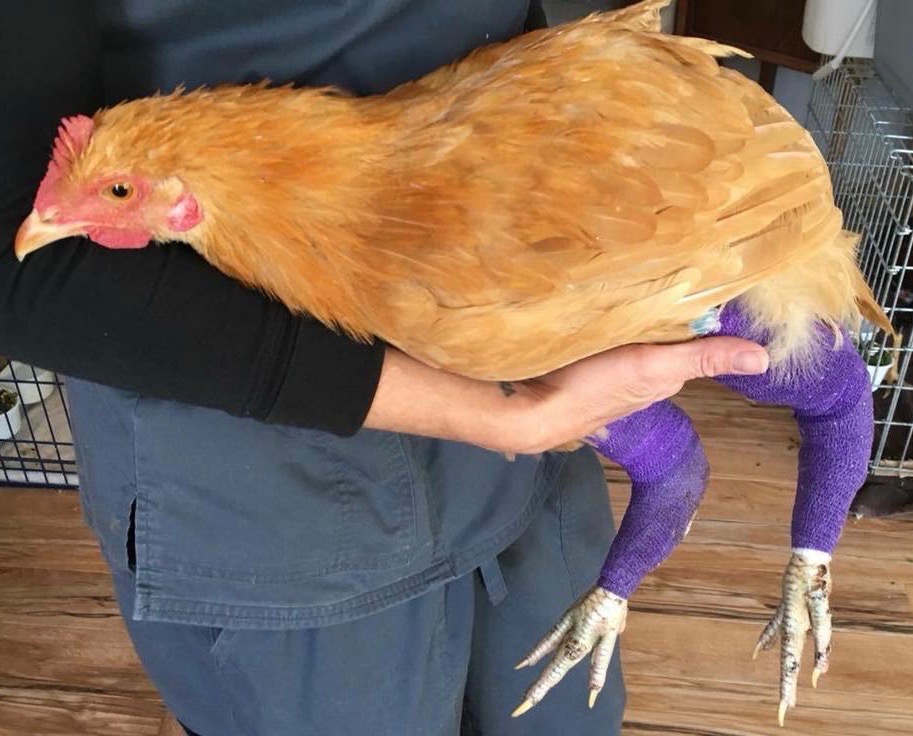
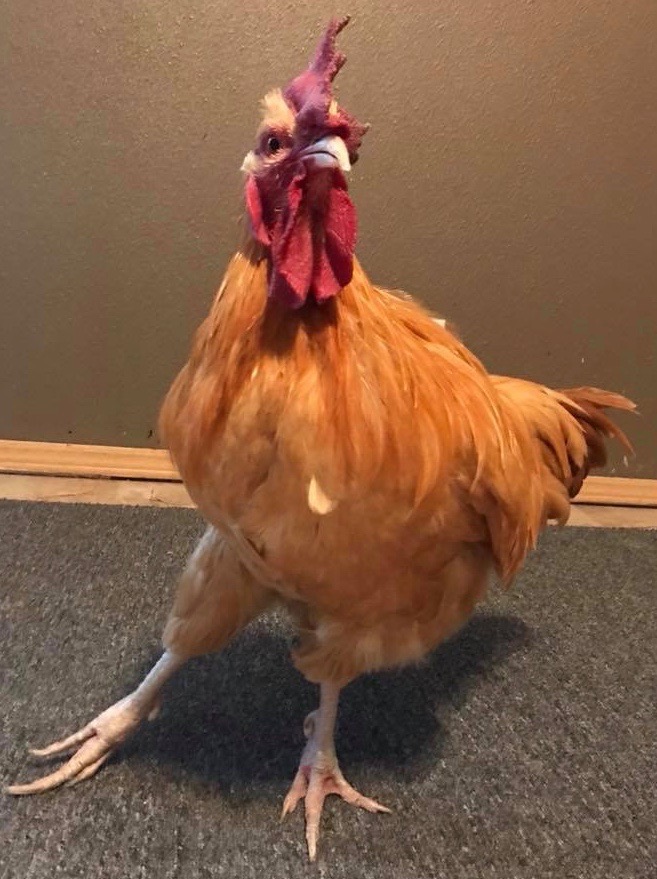
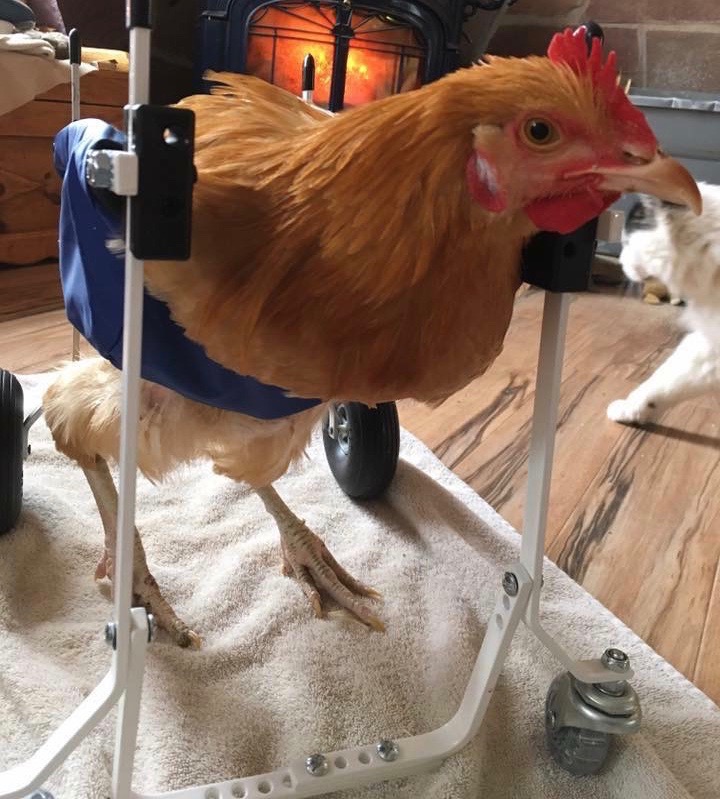
Matilda required extensive surgery with pins and an external fixator and casts. As he healed, we ordered him a custom cart with wheels, specially made for him. He got his pins out of his legs and had supportive soft casts for a while. He started to stand in his cart, and eventually he began to propel himself a little in his cart. He graduated to standing on his own without the cart, and then he started walking on his own, and he eventually began to run! Matilda made many friends here and always had the best spirit and attitude about life.
We currently are home to 90 roosters. Most of our guys have been rescued from animal control after being seized from cockfighting. That’s not our most common call, but one would think that the animal cruelty is in blood sports when, in fact, the most common cruelty we see is from people tossing out roosters from backyard flocks.
I could go on with rooster story after rooster story, but you get the point. It’s a hard world for a bird nobody wants.
Much appreciation to Jewel from Rooster Sanctuary at Danzig’s Roost for sharing her story and photos, used with permission. Additional rescue photos courtesy of: Mr Trendiest; stuff.co.nz; AlCom; Emma Smith/CBC Featured photo credit: goodtimesroll44
 Bitchin' Chickens
Sad fate indeed. You’d think we could do better.
LikeLiked by 1 person
Beautifully written. The sad fate of roosters makes me cry. They are such beautiful, intelligent, and empathetic pets, and so vulnerable. Thank you to Jewel for rescuing so many roosters and to you for helping raise awareness.
LikeLiked by 1 person
Thank you for sharing your compassion and love of animals. It’s a good reminder for all humans to be a good shepherd to all living creatures we are graced with.
LikeLiked by 1 person
I also have a rooster and hope he will remain nice and not run after me. The last one I had to place on a farm. I am trying very hard to keep him. I also have 30 hens. Any advice you can give me to keep him from not turning on me?
Sandi G.
LikeLiked by 1 person
Take a look at this post written by my guest contributor, Sara Franklin: https://bitchinchickens.com/2022/04/28/understanding-responding-to-rooster-behaviour/ She and her husband Jacob have a Facebook page Rooster Allies and a YouTube channel Roovolution. They are very knowledgeable and will give you good advice. I’ve had several roosters myself, all of them nice. I think part of keeping your flock cohesive is to understand the pecking order and minimize stress.
LikeLike