
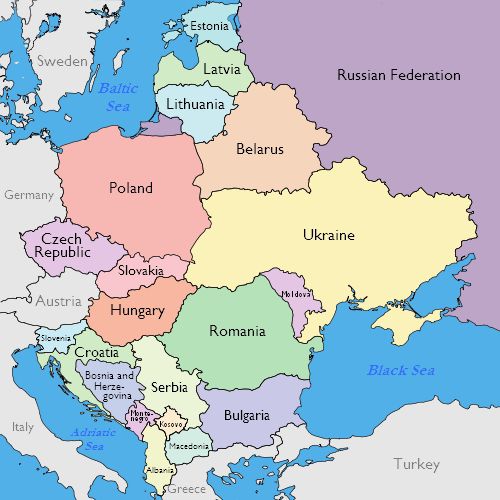
If you weren’t abreast of the geopolitics of Europe you probably became more well informed post-February 2022 when Russia escalated its aggression with its western neighbour by invading Ukraine, the largest attack of a European country since the Second World War. Canada became a new home for some of those refugees, as it did after both the First and Second World Wars. It now boasts the second largest diaspora of Ukrainians (after, ironically, Russia).
When I think of Ukraine, images of wheat and sunflower fields, plates of pierogies, bowls of beet borscht, and of course, their iconic decorated chicken eggs come to mind.
A couple of years ago I started the series, When Art Meets Chickens, profiles of artists, crafters and writers that are inspired by chickens in their work. So far I’ve featured dozens of folks in 25 posts.
One of my local chicken friends, Laurie, asked if she could write an article on pysanky, the Ukrainian tradition of decorating eggs, as part of that series. At first I thought it was a bit of a stretch, thinking that egg shells are really just the medium for the work, rather than the inspiration. But once I did a bit of reading on the history of pysanky I discovered that the first Ukrainian culture that decorated eggs worshipped the sun. Birds were believed to be the sun god’s chosen creations as they were the only beings who could get close to him. Eggs were seen as a source of life and considered magical. Many of the designs placed on them represent spring rituals and images of nature.
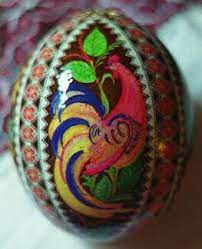
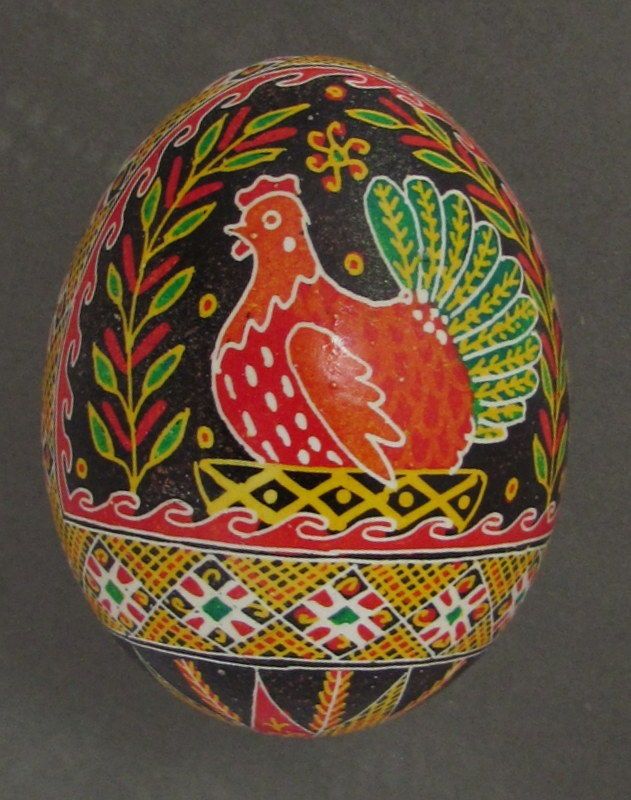
I was happy to find some pysanky that actually depicted the purveyors of those eggs.

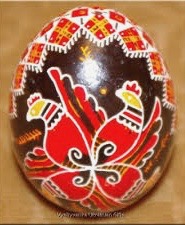

I have so enjoyed the Bitchin’ Chickens’ posts about chickens and art, but alas, as a total non-artist felt I had nothing to contribute. Then one night it came to me that we could also celebrate chicken egg art. Although once again, I am not the talent but am lucky enough to have several of my cousin’s and godmother’s beautiful works.
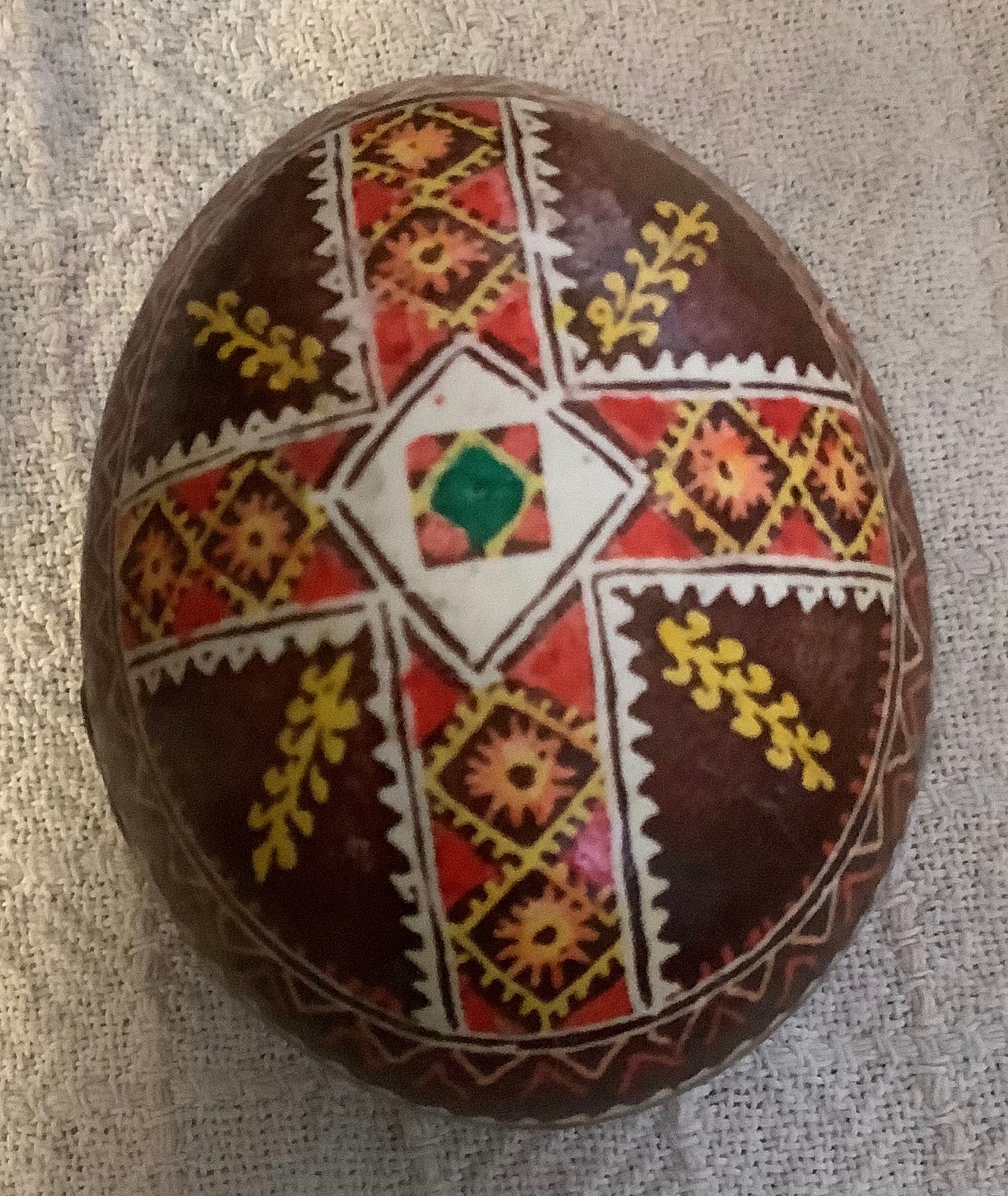
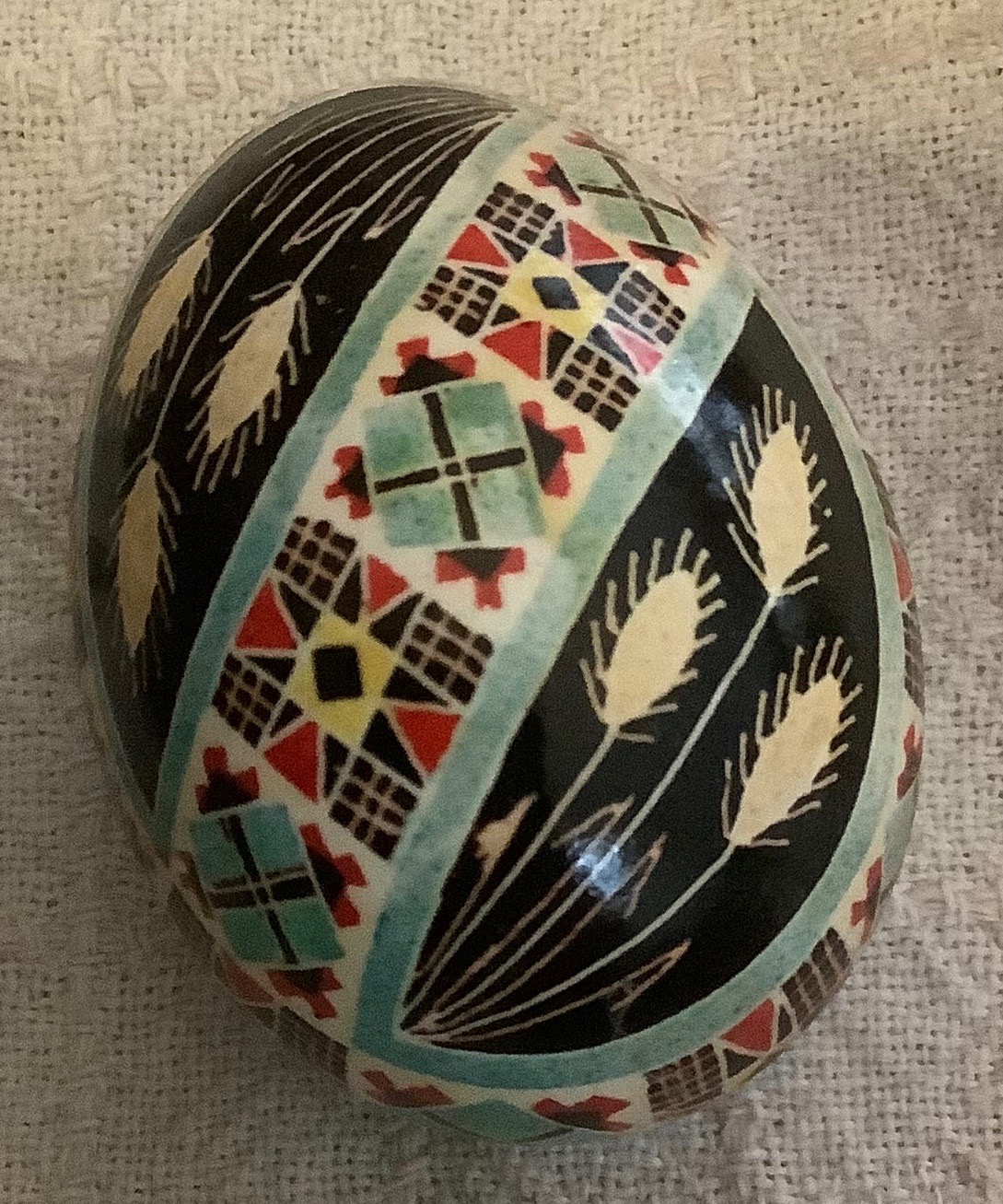
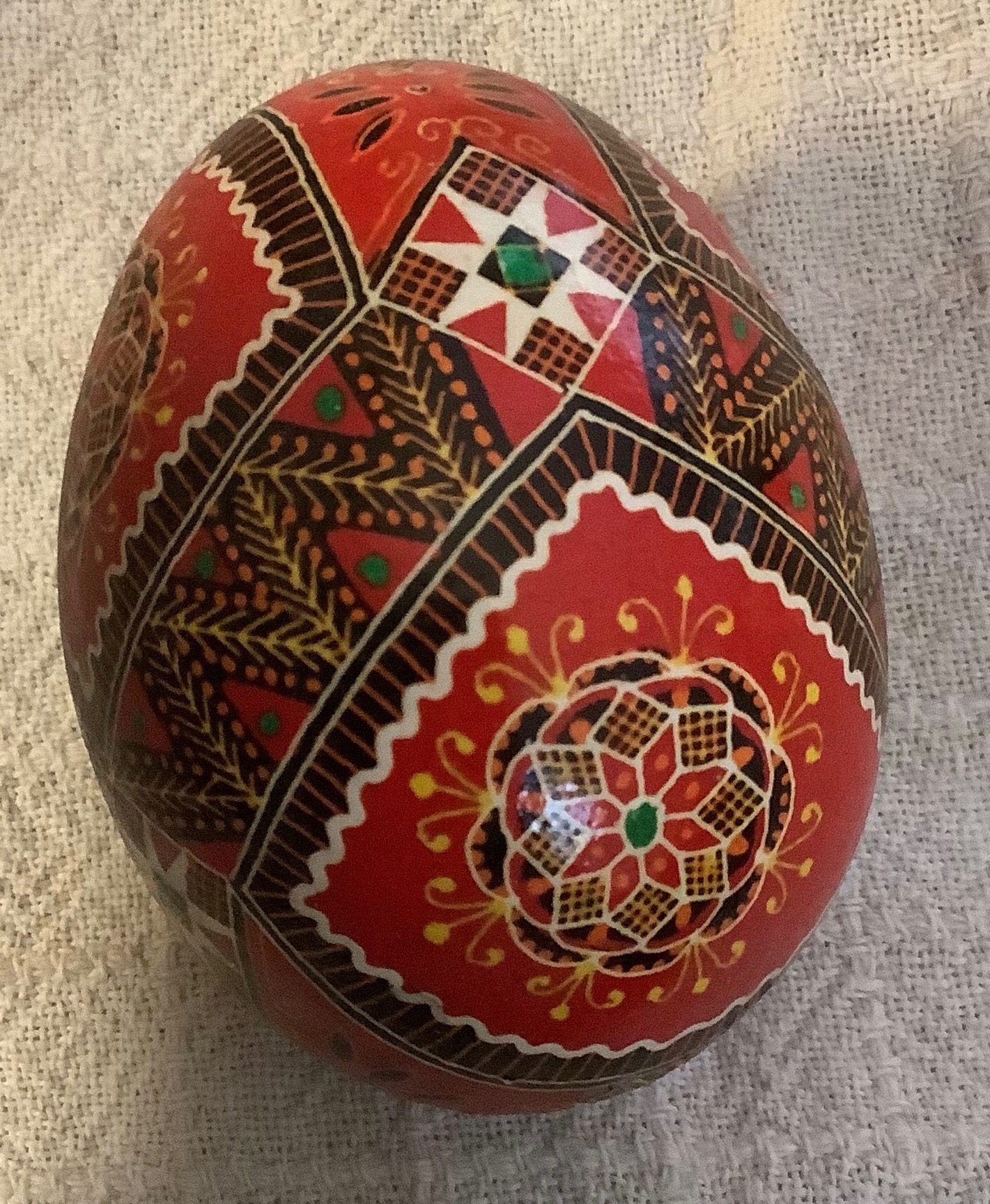
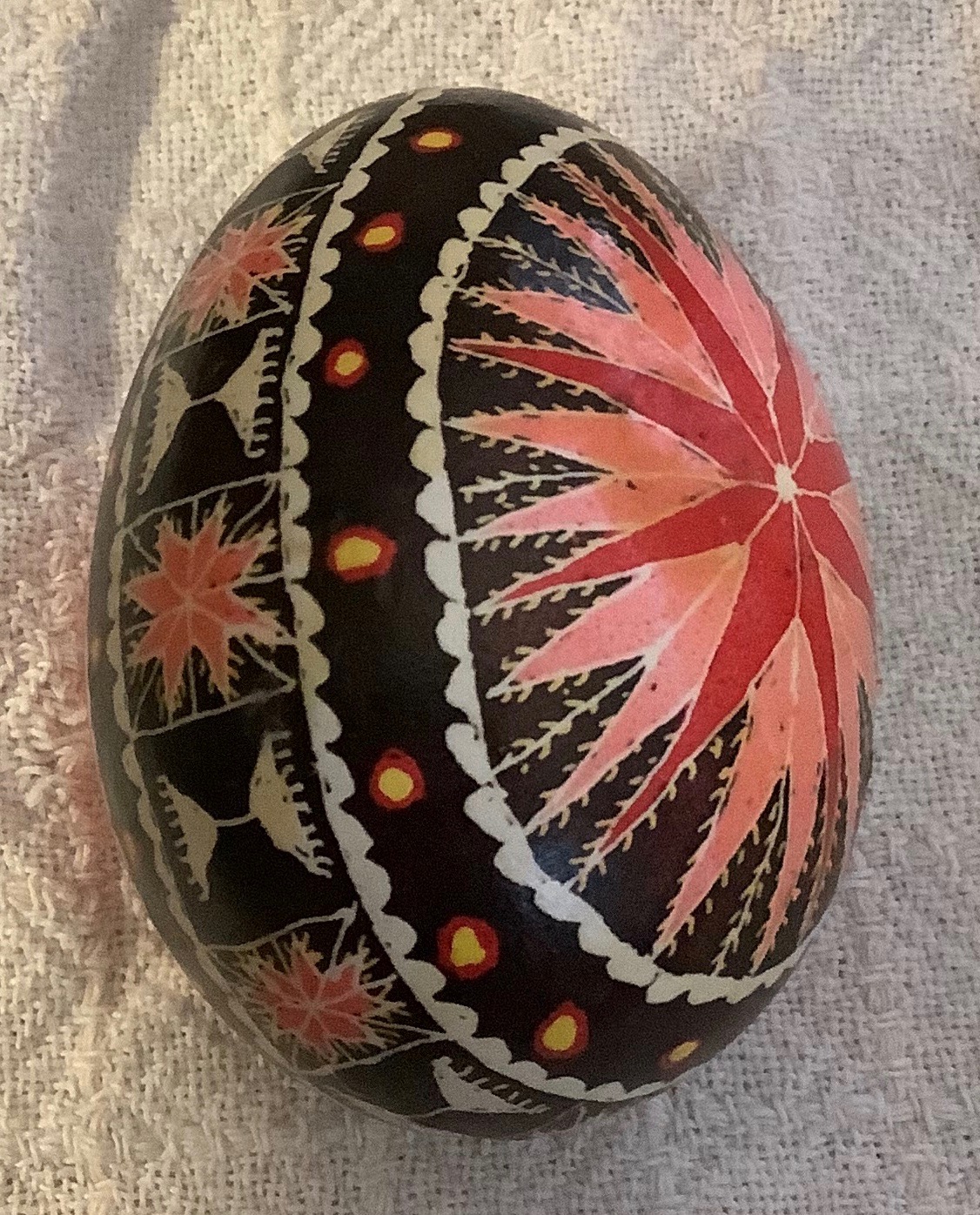
The Ukrainian Easter egg (pysanka, singular) is a tradition many thousands of years old, dating from pre-Christian times to celebrate spring. They have always been made by women and symbolize fertility and new life. Designs traditionally included images of nature and later, Christian symbols such as crosses.
Although they look like they are painted, in fact the process is more like batik. A white egg is first drawn with a stylus and beeswax applied on everything that is desired to remain white. The stylus, or ‘kista’ (literally ‘bone’), has a little metal cup where the beeswax is held and heated by candle. Today, there are electric ones, but many women, my godmother included, use the traditional method. Once all the white areas are covered, the egg is dipped in dye – perhaps yellow. Then all areas of the design requiring yellow are covered in the wax and the egg is dyed the next darker shade. Different designs will include orange, red, purple, blue, green, or combinations. Traditionally, natural dyes from nature were used.
Once the entire egg has been designed and dyed, it is heated to remove the wax and behold, the full design is revealed. The egg is then blown out, which is a daunting task, especially after painstaking hours of drawing and dying. At Easter they are brought to church to be blessed. The art is fragile, so some choose to mount them in a frame, or to display them in a glass bowl.
It is a symbol of love and good luck to give, or to receive, a pysanka. They were once thought to protect a house from evil spirits or catastrophe. According to Wikipedia, the Hutsuls (highland Ukrainians) believe that the fate of the world depends on the continuation of the custom of pysanky art.
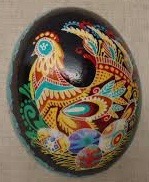
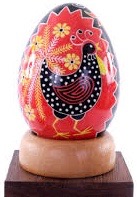
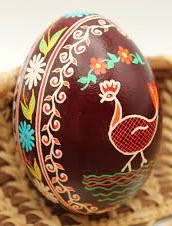
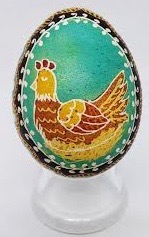
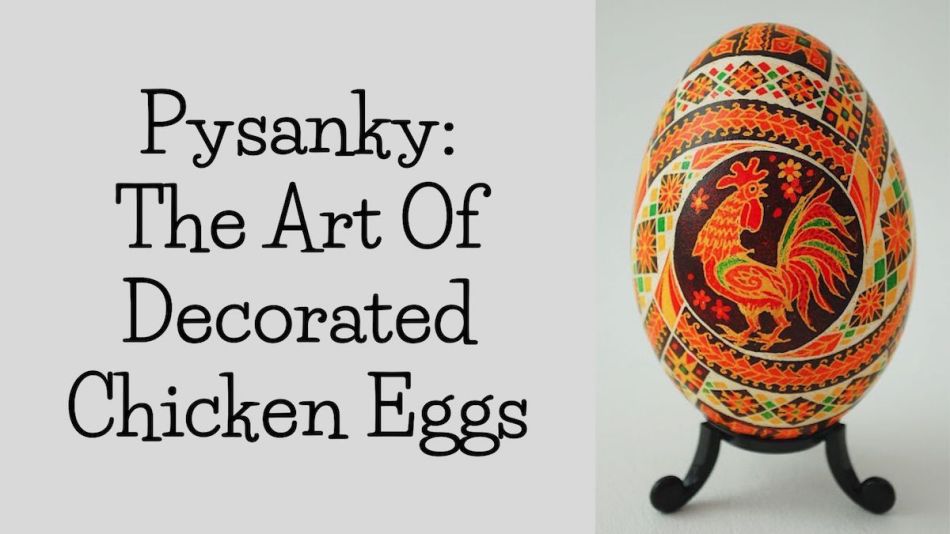
Many thanks to Laurie Jackson for sharing her family tradition and heritage, used with permission. Images of eggs decorated with images of chickens found on the internet with no attributions. Featured photo credit: Anna Perun
“Celebrating the intersection of creativity and chickens“
 Bitchin' Chickens
0 comments on “Pysanky: The Art Of Decorated Chicken Eggs”