
I imagine that many of you are familiar with “What To Expect When You’re Expecting“, a book recommended to pregnant women about various scenarios that a woman could encounter regarding the health of her baby. I’m sure the author’s intention wasn’t to scare the sh*t out of expectant parents, but some folks might have reacted that way.
It seems like advice to new chicken ‘parents’ is quite the opposite: birds are simple, low maintenance pets that once you’ve secured a decent shelter all you have to provide is food and water. From years of chicken keeping, and far too many hours spent in online poultry groups, I can attest to the fact that chickens are vulnerable to pathogens and predators and plain old ignorance from their well meaning keepers. And the difference between human parents and chicken keepers is we may not have access to reliable professional help.
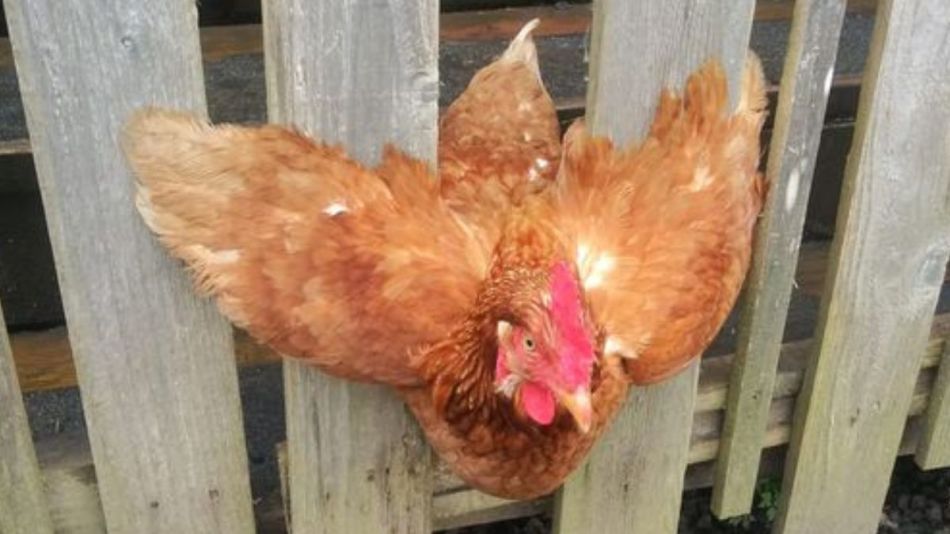
New parents are coached on kid-proofing their home, car and environment to protect their little charges from innumerable potential dangers lurking around every corner. I wish that chicken keepers were as vigilant and aware of everyday risks that could affect their flock: attacks by dogs, being run over by cars, injured by unsecured coop doors or ramps, stepped on by other livestock, to name just a few.
I’ve put together a handy checklist for fellow poultry keepers to keep you on your toes and looking out for potential dangers so you can avert them.
Beak & Spur Injuries
Beaks, nails and spurs are all made of keratin, a type of protein. A normal beak is comprised of two parts that fit together, so that the top slightly overlaps the bottom. The hard outer portion protects the inner soft tissues, skin and bone.
Chickens explore their worlds through their beaks, which function as a part of their sense of touch. There are a number of things that can damage beaks including fights, getting them caught in fencing, small spaces or rodent snap traps, or from predator attacks.
Think of a beak like your fingernails. The tips are not attached and have no blood supply if they were broken. However, injuries to the nail bed itself can be painful and suffer permanent damage (i.e. some nails can’t regrow). Similarly, injuries to the tip of a beak are considered relatively minor and are usually easy to fix, whereas those at the base can result in damage to the bone and a permanently amputated beak.
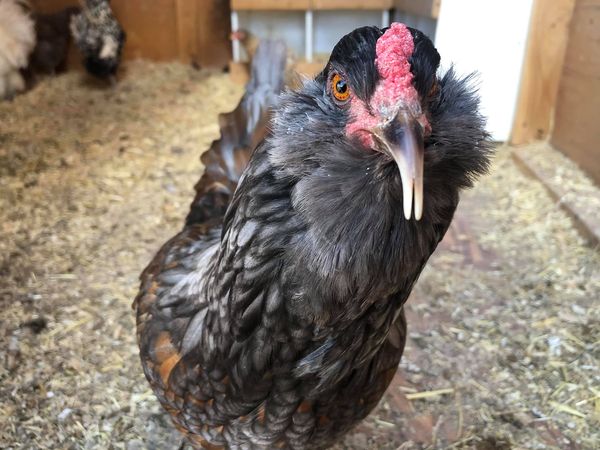
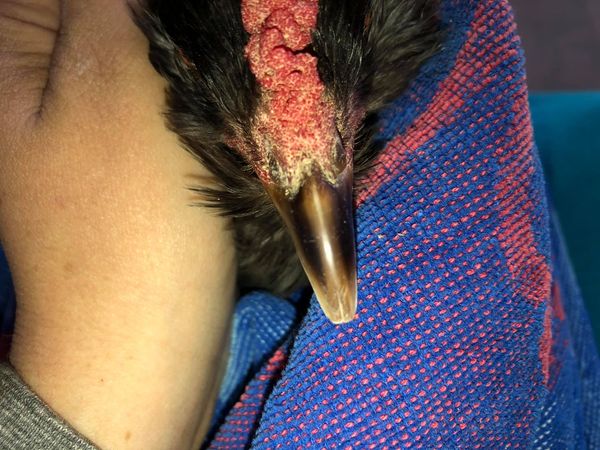
Photo credit: Jaimee Markham
Spurs are synonymous with roosters, but females can grow them too. I have three hens with spurs, which are sharp but much smaller than my rooster’s.
Spurs are part of your rooster’s leg anatomy and just like beaks and toenails they are covered in keratin. Spurs are like a hard nail, which can grow quite long and sharp throughout a rooster’s lifetime. And just like nails there is underlying bone and a quick within them.
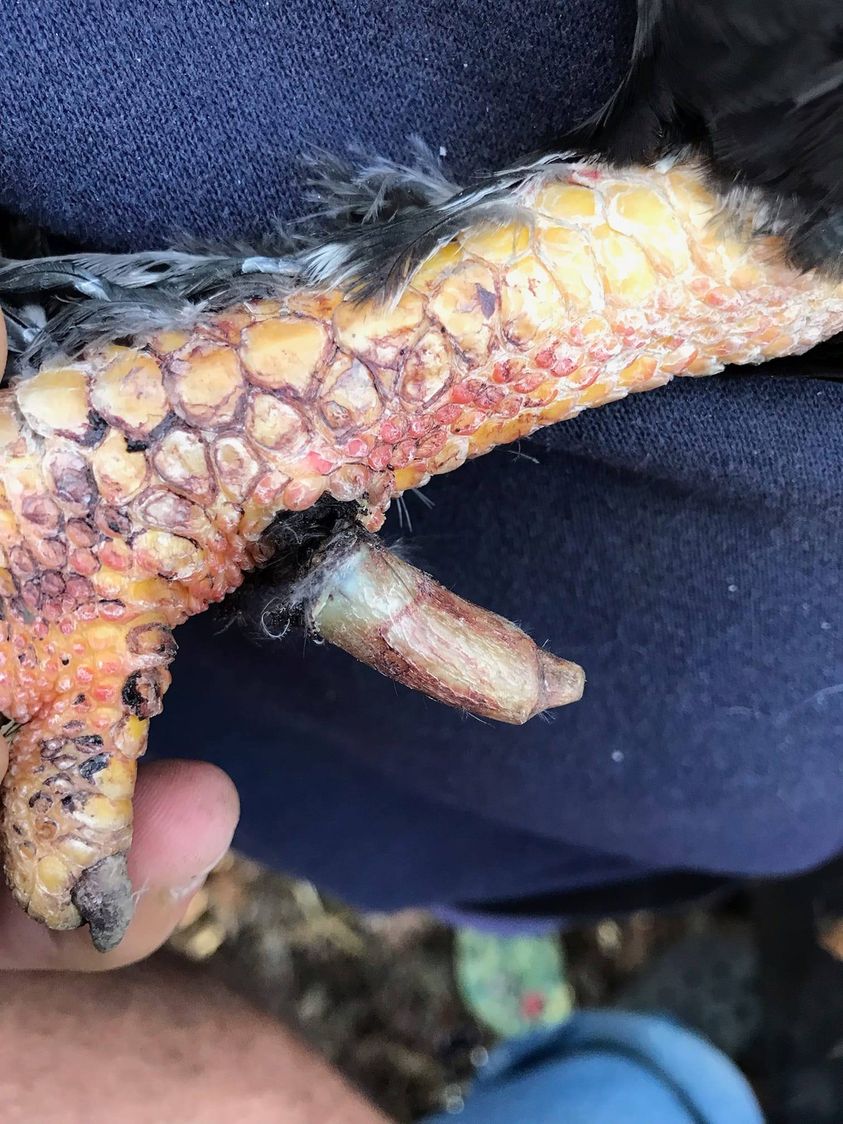
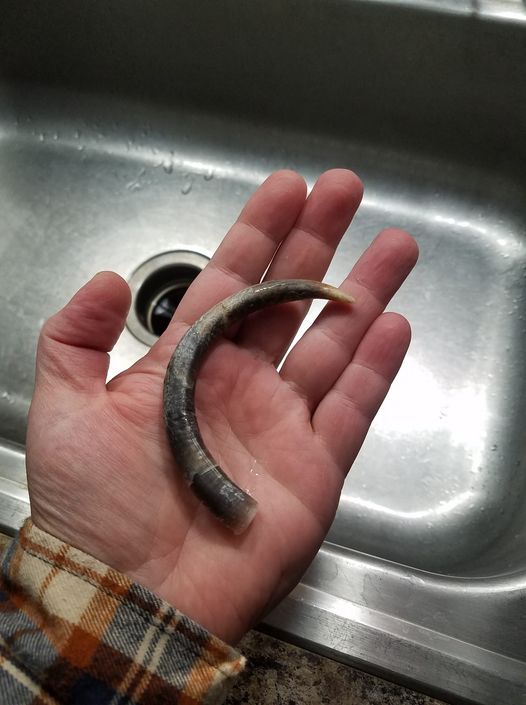
Photo credits: Kelley Inman and Ben Coster
Defective Equipment
Frigid northern New England temperatures mean frozen water buckets even in the barn (an absolute no for animal health) and so, like so many other farms, we have long used heated flatback buckets to provide our rescues the “warm” water the need to stay hydrated. We have never had even the hint of a problem, even in my many years of farm chores – that is until this. Known for keeping water ice-free during below zero conditions, these buckets have a built in thermostat, a hidden heater (it is in the walls of the bucket) and a storage area for the cord (we run the cord out of the stall through a hole to a plug that sits directly on the other side of the wall).
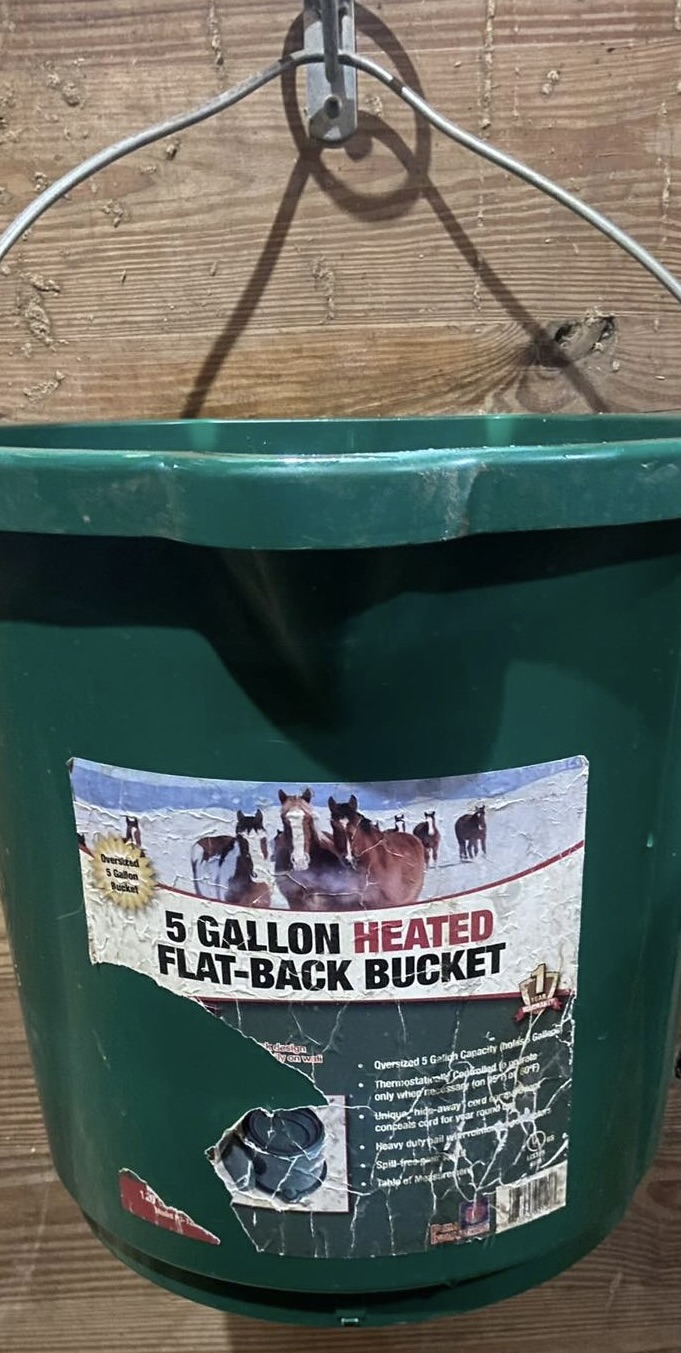
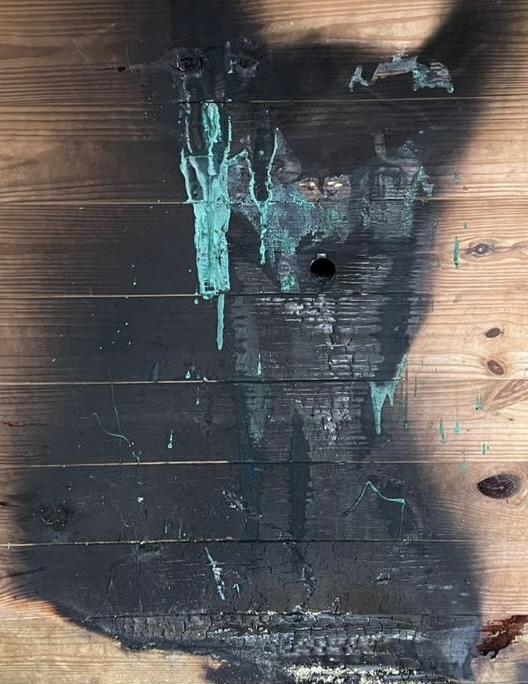
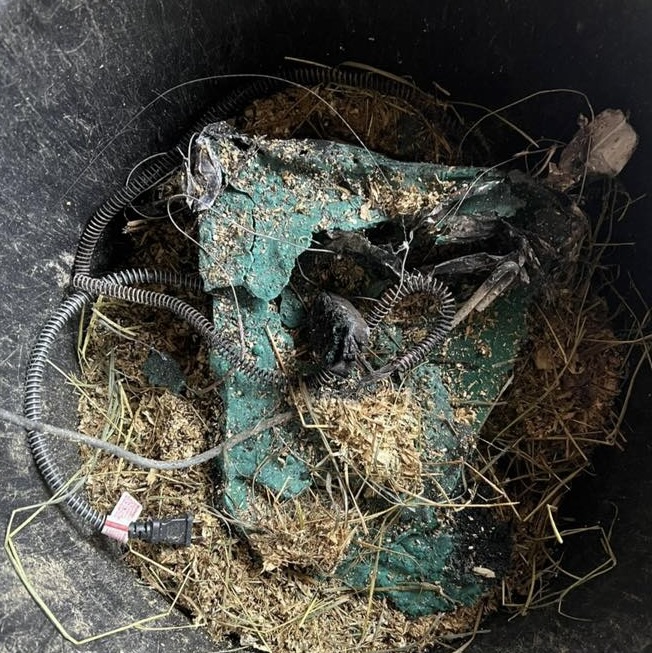
We are well aware they are plugged in and we check the plugs constantly as well as handle and get our eyes on the buckets regularly when anyone is in the stalls. These buckets are dumped daily, not to mention they are topped off several times a day and if anything looks off they are immediately replaced. In this case, there was nothing to see until morning when we walked in the barn. Thankfully, the bucket had been topped at night check and we suspect the water is what led to a charred wall and not a full out barn fire. Thank goodness! Likewise our outlet did its job and shut itself off as well as flipping the circuit breaker for the entire aisle. Our electrician has been here and our outlets are fine, up to code and worked as they should. – Tomten Farm & Sanctuary
Dogs
“I thought hardwire cloth was supposed to be predator proof? Our chicken run is covered in chicken wire, but then we predator proofed it with hardwire cloth but my kids left my golden retrievers favorite toy in the chicken run, and he tore a hole in the hardwire cloth and got through in a matter of minutes. Thankfully there was no chickens in there, but it showed me that if an animal is determined enough, not even hardwire cloth will stop them.” – Hannah Stowers
Drowning
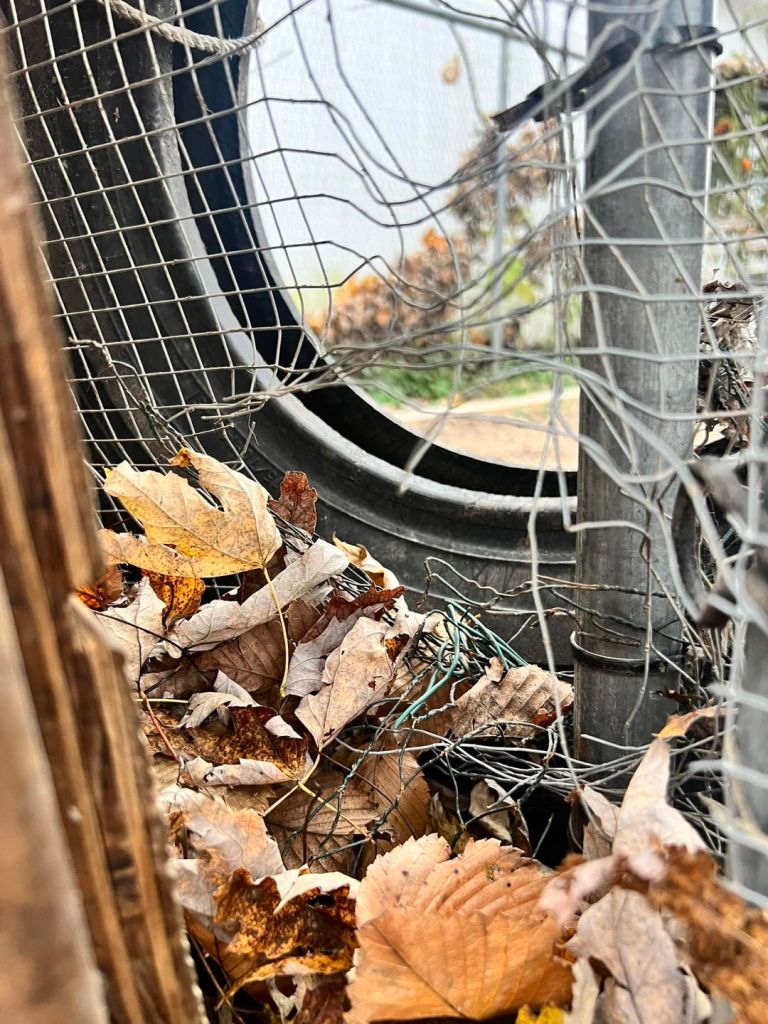
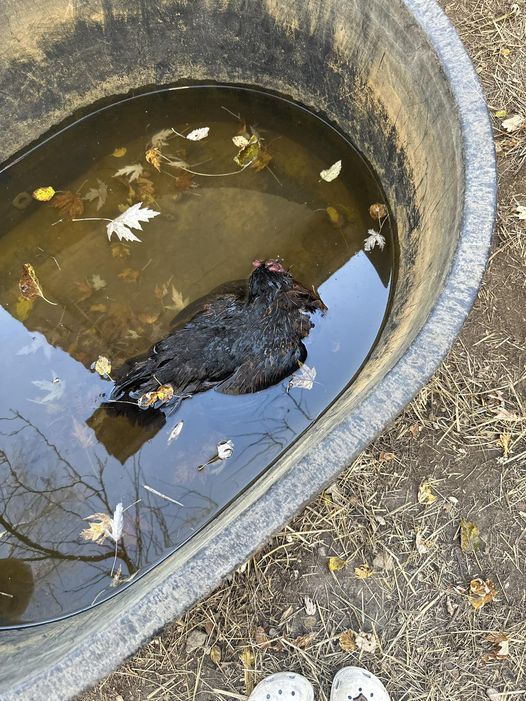
Drowning can occur in very young chicks that can fall into adult sized waterers. My recommendation is to provide a chick-sized water container, or place marbles in the reservoir so they have reduced access to the shallow water. Many of us have probably seen images of swimming chickens, but not all of them are so adept. They can fall into water troughs, kiddie pool or ponds without a way to get to safety. Be aware of those dangers and provide a means for your flock to get out if they do happen to fall in.
Foreign Body Ingestion (Pica)
They say diamonds are a girl’s best friend, but apparently chickens like them too. I’ve read of a number of cases in which owners are holding their chickens close to their face and the birds, attracted by shining things, peck out earrings and nose rings in no time. They also love bits of plastic, cigarette butts, hair bands … you get the picture. They’re fast, so make sure to keep anything of potential interest out of sight/reach.
“Warning: I found two pieces of glass in this bag of mealworms. I’m about to text the company. Make sure to check your bag if you buy this brand.” – Jennifer O’Neill
Gizzard Contents
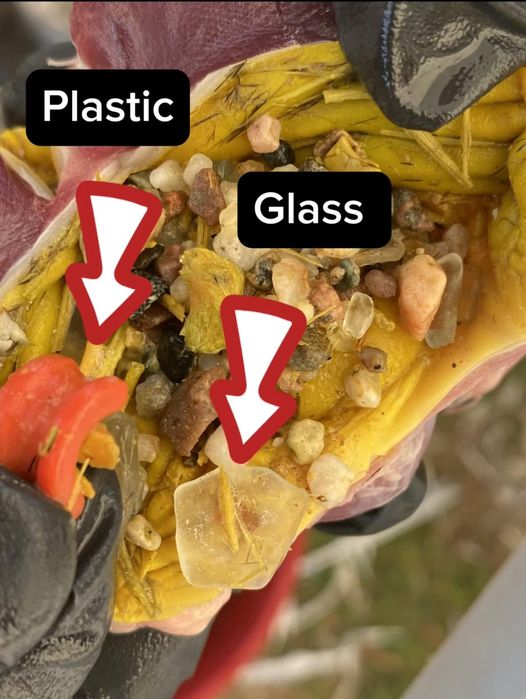
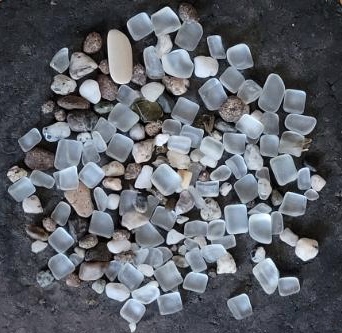
Photo credits: JC Ocampo and Bitchin’ Chickens
“Don’t use sand in the coop and run. Learn from my $500 mistake! I finally took my sweet hen to the vet to confirm what I already know: she has coarse river sand clogging her crop. The vet flushed it with water but nothing came out. I went home $500 lighter but having the same issue. I’m going to spend the day taking out all the sand from the coop, no matter how easy it was to clean up the poop. I suggest you do the same and avoid my nightmare!” – SM Mehedi Hasan
“My chicken had impacted crop. I tried a lot of remedies and nothing seemed to work. When she died I wanted to see what was in there. It was sand. All sand. Strange. All our property has this kind of sandy dirt, so all my chickens must eat it.” – Deborah Maisonet
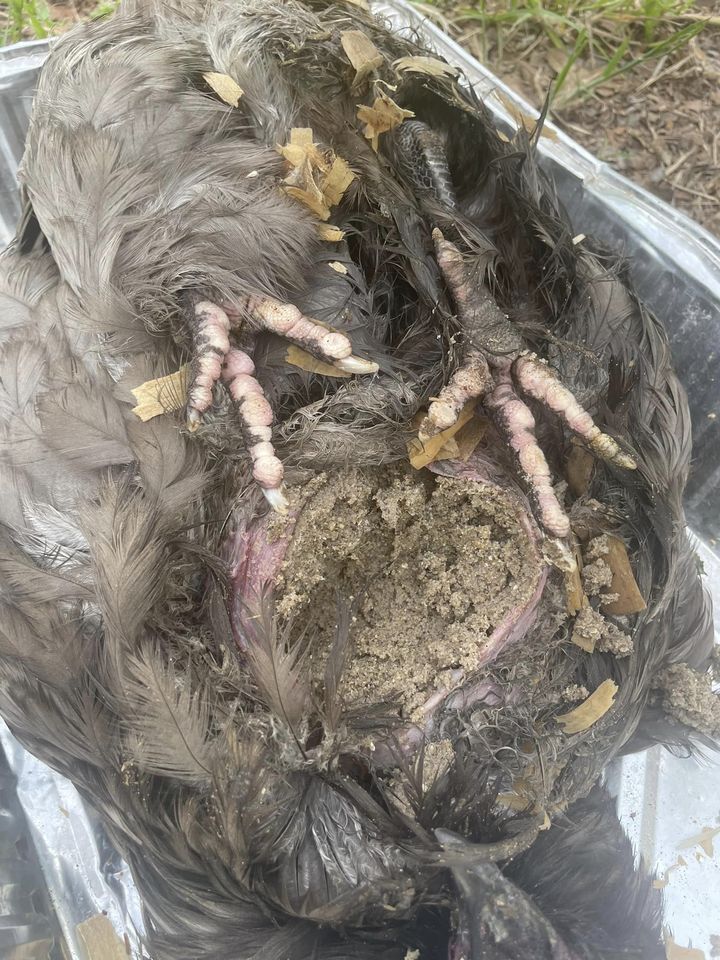
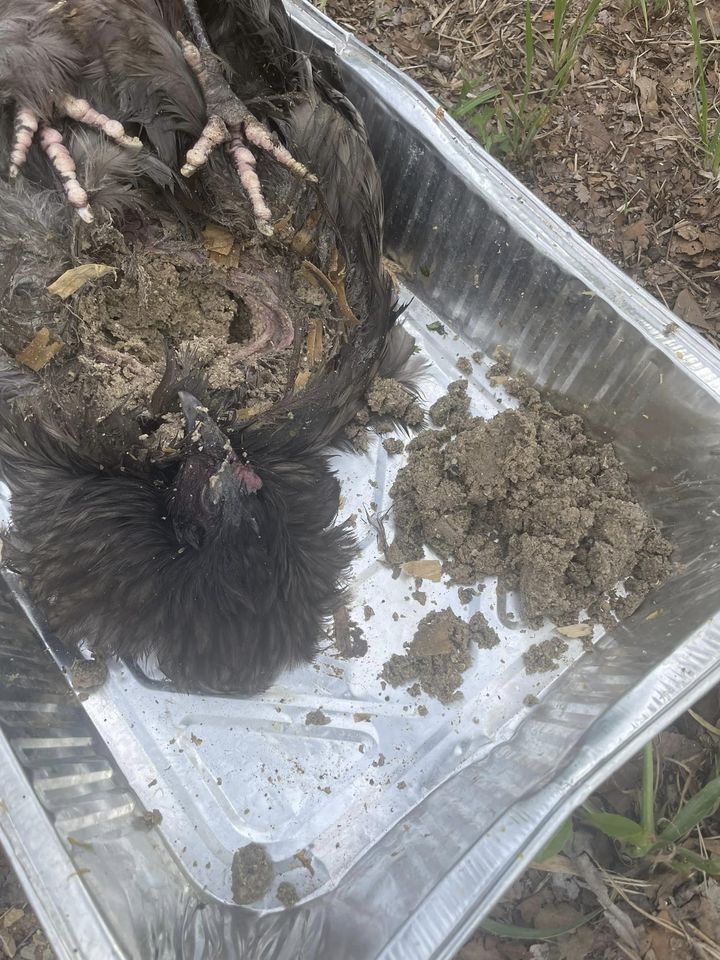
“I was tube-feeding my sick hen, Ren. The tube slipped off of the syringe and went down her throat. I rushed her across town to the vet. By the time the vet saw her, the tube had passed through her crop, so the vet couldn’t get it out with her tools. She said she didn’t think Ren could pass (poop) it out, but she doesn’t do surgery on chickens. I’m giving her water, coconut oil and olive oil hoping she can pass it.” – Gabrielle Lennon
Toxins
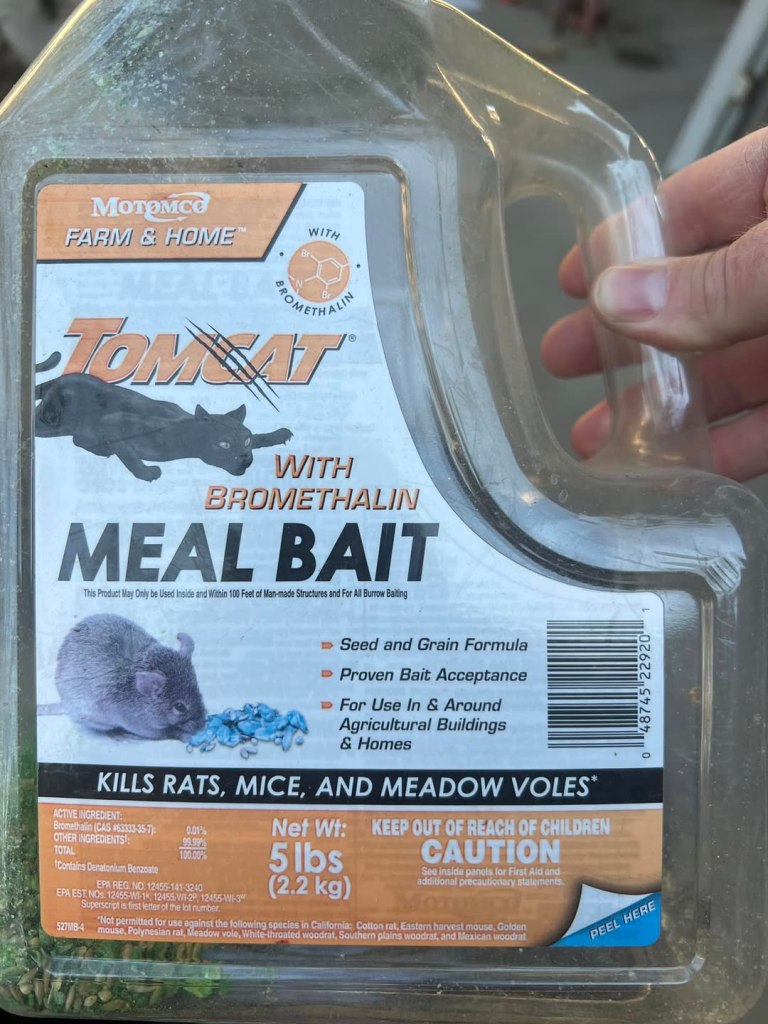
Substances that put chickens at risk include ammonia, anticoagulants (rodent killers); neurotoxins (using gasoline as a dip to treat scaly leg mites; rodent killers); antifreeze; some pesticides, fungicides and insecticides; tea tree oil; lead, zinc, mercury; and carbon monoxide.
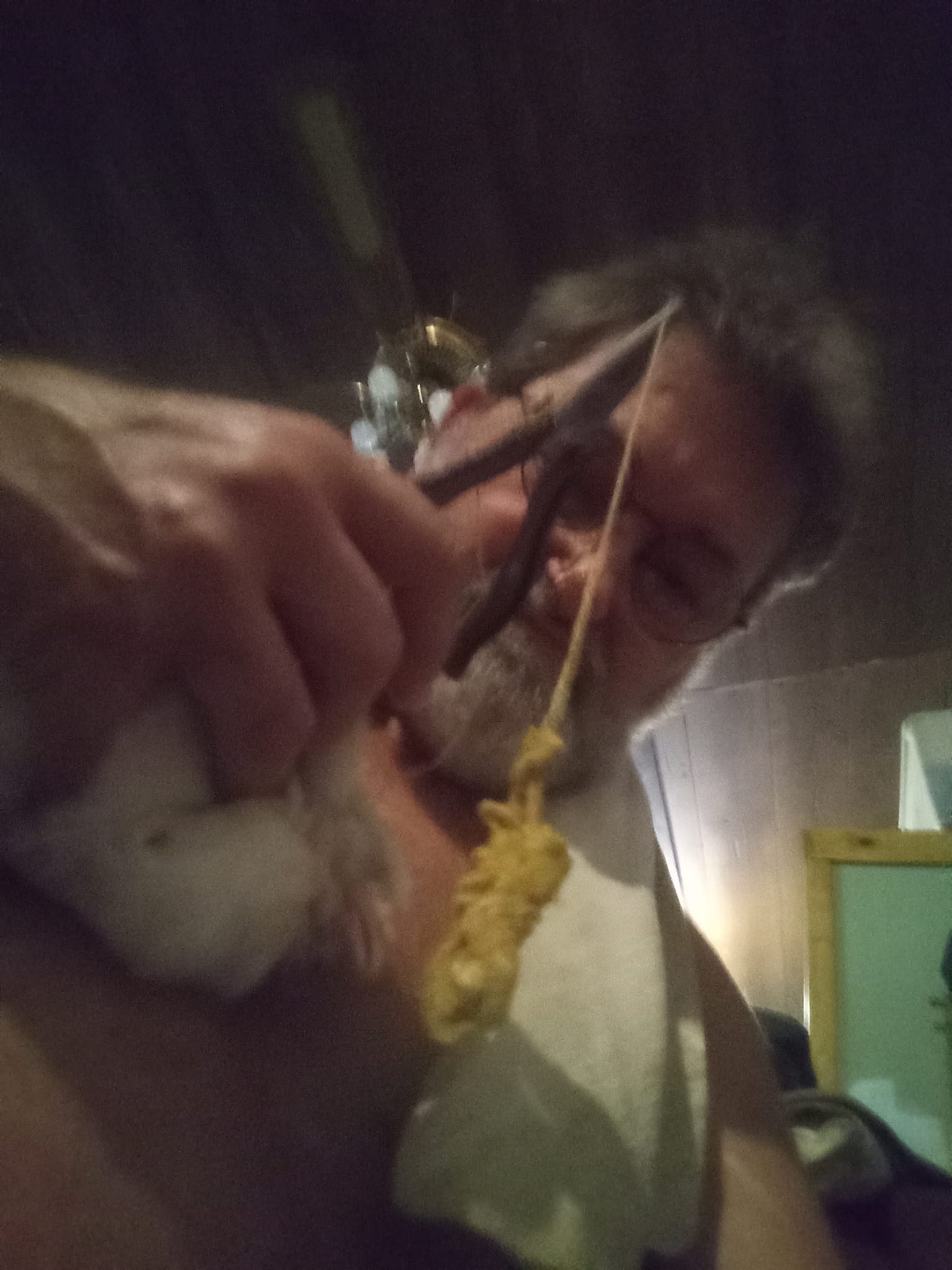
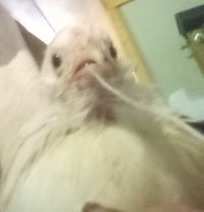
Strangulation is defined as the compression of blood or air-filled structures, which impedes circulation or function. If you’re a fan of television crime shows you’re probably well versed in the most common form of strangulation: asphyxia caused by hanging, manual or ligature injuries. In the poultry world it involves things in the environment – feedbag string, monofilament and binder twine – that can cause loss of blood circulation to various body parts resulting in serious trauma. I’ve posted about strangulated leg and foot, as well as a case involving the tongue. Make sure to pick up every bit of string, elastic band, and hair ties that might be interesting to your flock.
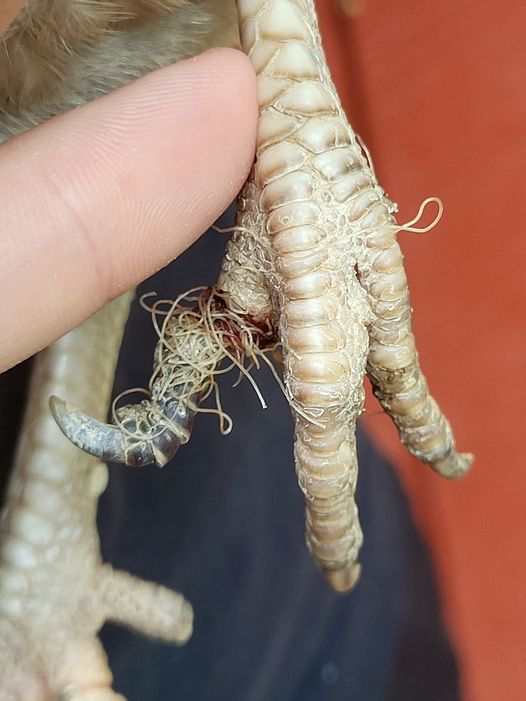
Photo credit: Tabatha Bryant
“I entered my coop and heard a few distress chirps from one of my young pullets. I found her in a corner, and saw a feed bag string tangled around her foot. I’ve dealt with this before, so I untangled the leg/foot. But the other end went up into her mouth!! I tried gently pulling it, but it wasn’t budging. Into the house we went, where I sat down in my favourite operating room recliner with small pointy nosed pliers. I held her beak open with one finger and gently unwrapped the string from her little tongue, only to find it kept going down. I left her rest, then proceeded to pull gently on the string and could feel her crop moving too. She is fine now and enjoying my lap with the air conditioning.” – Donald Hochstein
Suffocation
Several years ago one of my young chicks went missing. I found her a short time later under an inverted stainless steel feed dish. The emergency was averted because I found her in time. Some time later, I had a group of 5-week-old chicks. This time, having learned my lesson about using a lightweight feed dish, I opted to use a heavy ceramic one confident it would be safe. By some freak accident those chicks managed to overturn it, trapping one of them underneath. Unfortunately, he suffocated and died in the short time he was there. Since then, I’ve been vigilant about the risks of objects that can trap a curious bird, hiding them from help and potentially becoming a death trap: feeders, buckets and flowerpots.
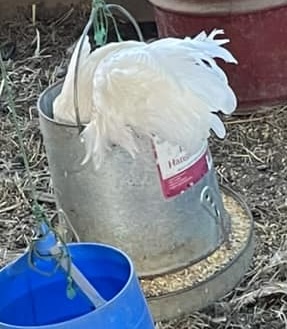
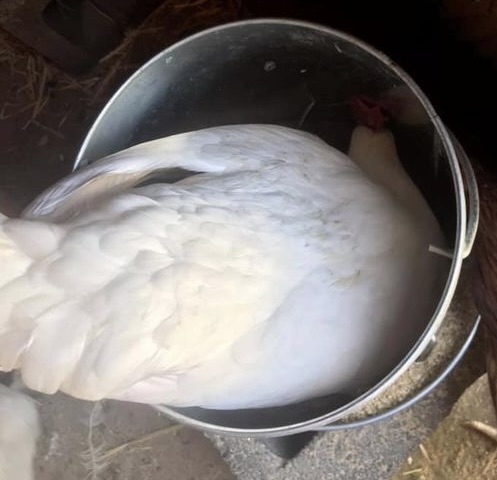
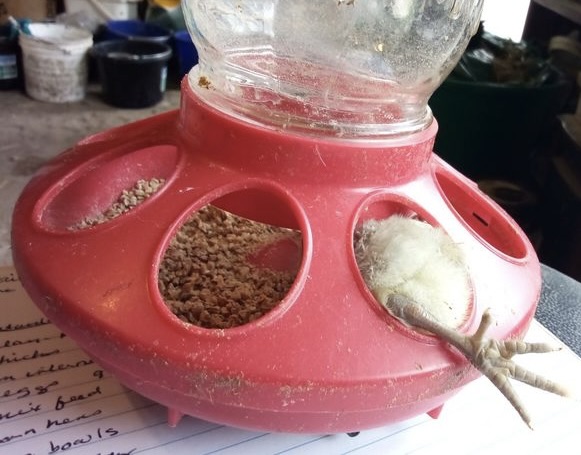
Photo credits: Jennifer Hill, Brenda Scott and Anonymous
Thanks to everyone who shared their stories and photos.
If you’ve got something to share drop me a line using the ‘contact’ button on my homepage.
 Bitchin' Chickens
Excellent post. I was going to put sand down in my run this spring but am now thinking twice about that.
LikeLike