
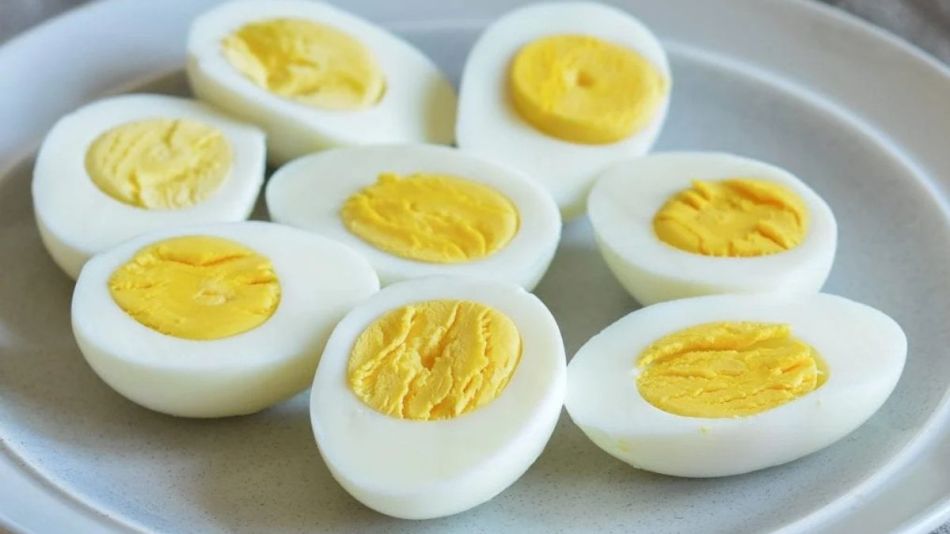
Not surprisingly for a chicken keeper I love eggs and pretty much eat them in any form. My partner, on the other hand, has a complicated relationship with eggs consequently we don’t eat them as often as I’d like. I do sneak in the occasional scrambled egg dinner or egg salad lunch. I haven’t really experimented with all the ways one can hard boil eggs and usually employ my tried and true method. I set the eggs in a pot of cold water, bring to a boil, simmer for six minutes, turn off the burner and leave them for a bit before rinsing in cold water. The trick is to use eggs that hadn’t been recently laid. Older eggs are easier to peel because the air pocket inside the egg expands with age and the egg white becomes more alkaline, making it less likely to stick to the shell’s membrane.
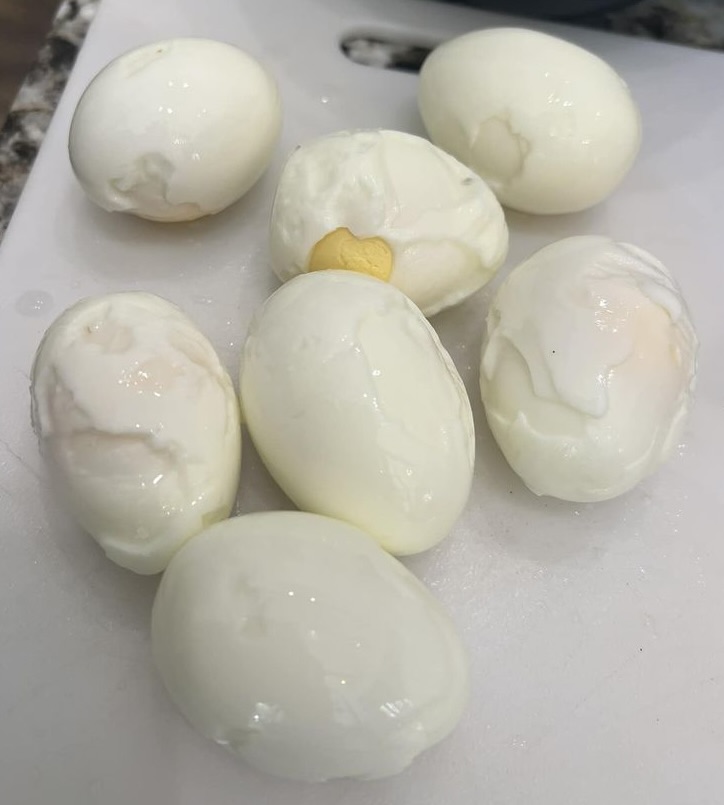
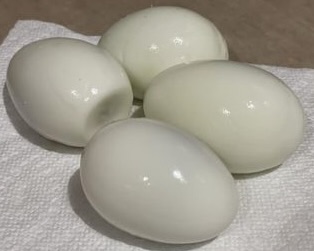
Recently laid vs older eggs
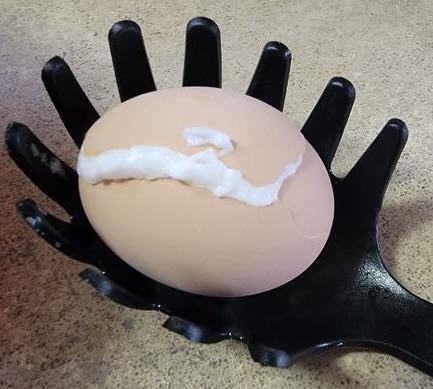
If eggs are too cold, they can often crack when boiled because the expansion from heat happens too fast.
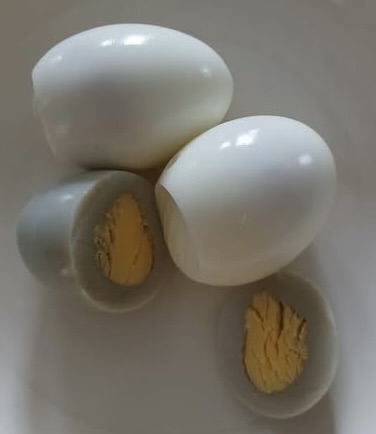
When eggs are cooked for too long, or at a temperature that’s too high, a chemical reaction occurs. The sulphur in the egg white reacts with iron in the egg yolk to form iron sulphide, which gives the eggs a greenish-grey colour.
For those who are searching for the various – and maybe the best – ways to hard boiled eggs I’ve compiled a few different methods for you to try.
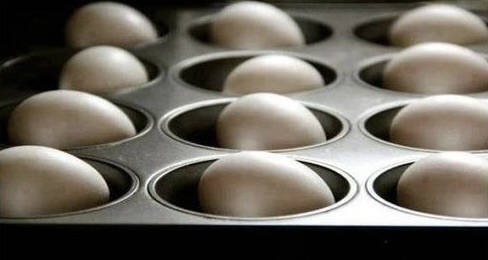
- Place the eggs in a muffin try, bake in a 325F degree oven for 25-30 minutes and remove.
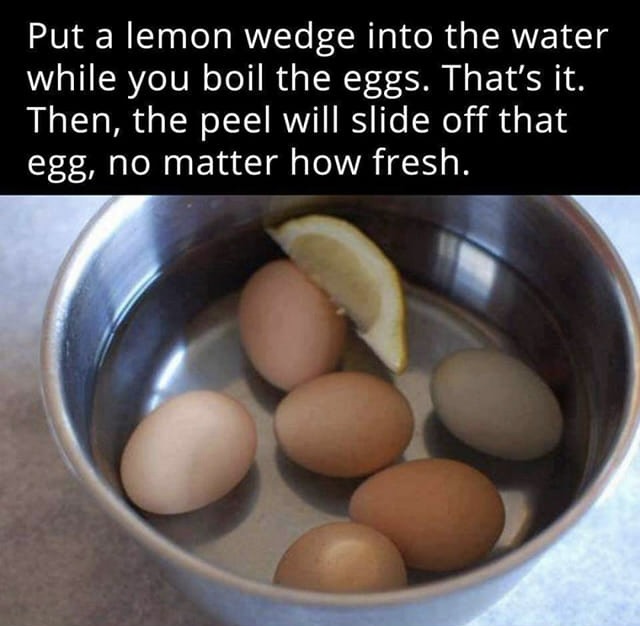
- Add 1/2 teaspoon of baking soda to each quart of water and a teaspoon of salt
- Use a Ninja pressure cooker and fresh or older they peel like a dream 5-5-5 rule: 5 minutes in a pressure cooker, 5 minutes rest and 5 minutes in an ice bath.
- Put in an air fryer at 275F for 15-17 mins and stick them in a 5 minute ice bath and they peel right off.
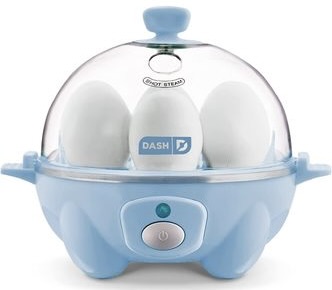
- I use the Mini Dash egg steamer. As soon as it is done, I dunk in ice water.
- Once boiled, drain them and let them cool for a couple minutes. Put them in ice water then place individually in a glass (not plastic) and shake the heck out of them, which will loosen the entire shell.
- Bring water to a rapid boil, add your eggs. Boil for eight minutes. Let them sit in the water for another seven minutes. Crack your egg shells, let them sit in cool water for a minute and then peel.
- Steam, never boil, them. Once they’re steamed for about twenty minutes, turn them off and blanch them in cold ice water.
- Boil them with LOTS of salt. Make the water salty and it dissolves that membrane. The shell will just slide right off.
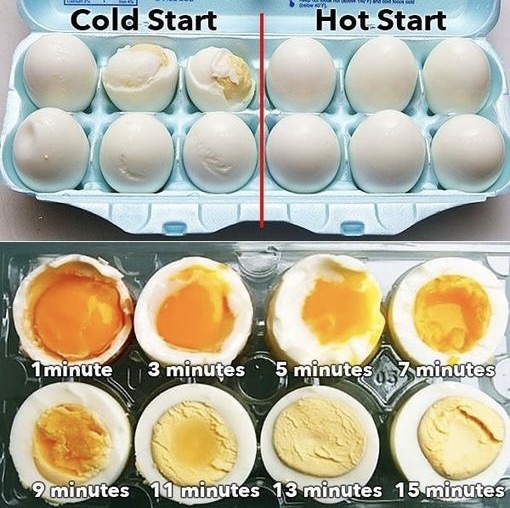
- I boil mine then run cool water on them just enough to be able to hold one then crack all over and peel when they are still really warm. I don’t add anything to my water. I just let them cool after they’re peeled.
- Add a splash of vinegar in with the eggs while boiling, then peel with a spoon.
- Boil your water, add eggs for ten minutes. Go straight from boiling into ice cold and peel as soon as all of them are in the ice.
- Whether fresh or weeks old, tap the air pocket end of the egg gently on a pan and start them in cold water. Bring water to a boil, shut off, cover and wait 10 – 15 minutes. Then put them in cold water. Give a squeeze to loosen shell and peel away. The secret is the tap the egg to let the water loosen the membrane from the shell.
- I steam them instead of boiling and immediately put them into an ice water bath when they’re finished. I do 15 minutes for large eggs. This method works great for fresh eggs! I also use it for duck eggs (17- 19 minutes depending on size ) which are notorious for being hard to peel once they’re boiled. Crack them on the large end so you can easily separate the membrane. It works every time.
- My wife puts them in a steamer basket for 3-4 minutes. It doesn’t matter if the egg was laid that day or a month old, they always peel easy.
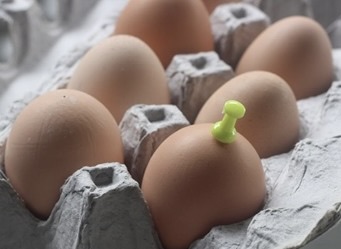
- Make a tiny pin hole in the small end of the egg. Boil the eggs, then put them in ice water for a few minutes and peel.
- Add baking soda to the water, then boil for 10 mins or so.
- Pour out hot water while adding cold water until the eggs are cool. Crack the shells and roll them in your hands before peeling.
- I boil mine for five minutes. Let them sit for five. Dump the water. Fill the pan with cold water. Dump again when it gets warm. Refill with cold and let it set for just a few minutes. I peel my eggs when they are lukewarm. And I start at the wide end. I do get some duds once in awhile but most of the time the shell comes off perfectly.
- I have found that the minute they’re done, put them in ice water. I make a mixture of ice and water. Then crack at wide end so you can get under the membrane.
- Tap the wide end of the egg with a spoon very gently until you hear a pop. That separates the inside skin from the shell. Instapot works great.
- I’ve been experimenting with a few things to make them peel better because our eggs are too fresh: using older eggs; adding a teaspoon of baking soda to the boil water; cracking after cooking but still in the water and always peeling with a spoon.
- Bring them to a boil for minute or less and then take off heat and cover. Leave until cool or mostly cool before peeling them.
- Take the uncooked egg, fat side down, and give it a hard tap against the countertop. Crack the shell but don’t break it. Put the eggs in cold water, bring to a boil for two minutes, take off the heat, cover, and let sit for eight minutes. Drain hot water, rinse with cold. Let cool (I usually add ice to my cool water) and the shells come right off. It works every time for me, even with eggs I’ve gathered that day. The eggs have to be cracked at the fat end where the air pocket is.
- I crack them at the air cell, then peel under the faucet so cold water gets inside. The membrane pulls away from the egg and it comes out of the shell perfectly every time. Even on eggs laid the same day!
- Put the eggs on high heat. Once the water reaches a rolling boil put a lid on the pot and remove the pot from the heat. Let the eggs sit for 10 minutes, then immediately pour out the water and add ice water. Shake the eggs around in the pot for a few seconds, then immediately drain the ice and water. Peel your eggs. The shell will almost fall off. And they will be perfectly hard boiled with a beautiful yellow yolk with no green.
Thanks to everyone who contributed their culinary tips.


0 comments on “Tips On Making The Perfect Hard-Boiled Eggs”