
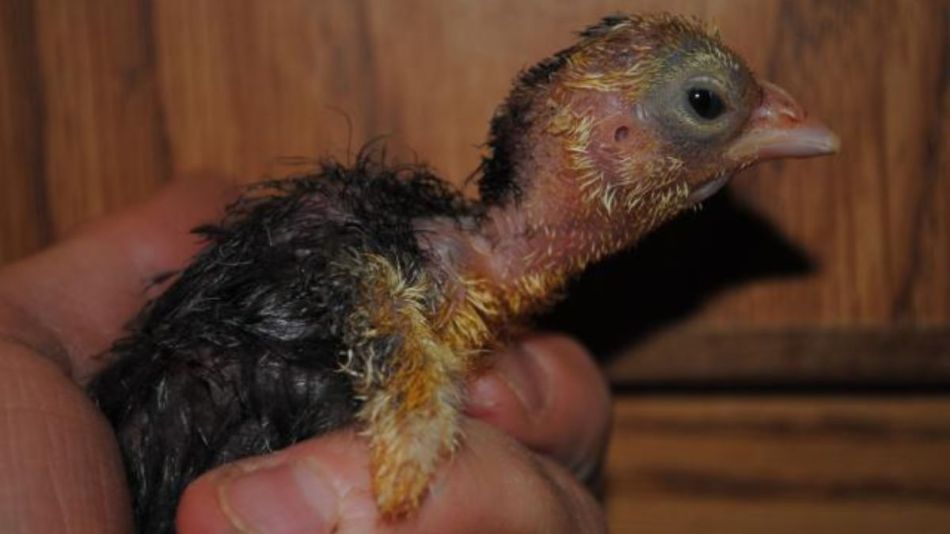
Clubbed down is a developmental feather abnormality seen in newly hatched chicks, where some of the down feathers appear stuck to the body in clumps or tight bundles, especially around the head, neck and back. This condition is primarily aesthetic and not usually life-threatening, but it may indicate underlying incubation or environmental issues. Understanding clubbed down can help chicken keepers improve hatch rates and chick health.
The condition is characterized by soft, fluffy down feathers that fail to unfurl properly after hatching. Instead of a uniform, fuzzy appearance, chicks with this condition have twisted or compacted patches of fluff that look like tiny dreadlocks or wet tufts. These clumps are often sticky or hard and do not shed easily.
Affected areas are most commonly the back of the head, the nape and shoulders and the upper back and wings. In severe cases, entire regions of the chick’s body may be affected.
Causes
High Incubation Humidity: Excessively high humidity during incubation, especially in the final days before hatching, can prevent the down from drying and fluffing out properly.
Delayed Hatch: Chicks that spend too long in the shell, especially past the 21-day mark, may be overdeveloped or weakened, which can affect feather emergence.
Low Incubation Temperature: Inconsistent temperatures can disrupt feather development during the embryonic stage.
Rough Handling or Wet Conditions: Chicks exposed to damp bedding, dirty brooder environments, or poorly maintained incubators may end up with matted down.
Genetics: Certain breeds or lines may be more prone to feathering irregularities, including clubbed down, particularly in heavily feathered or crested breeds.
Shell Residue: Some chicks may have albumen or shell membrane residue on their feathers post-hatch, contributing to clumping.
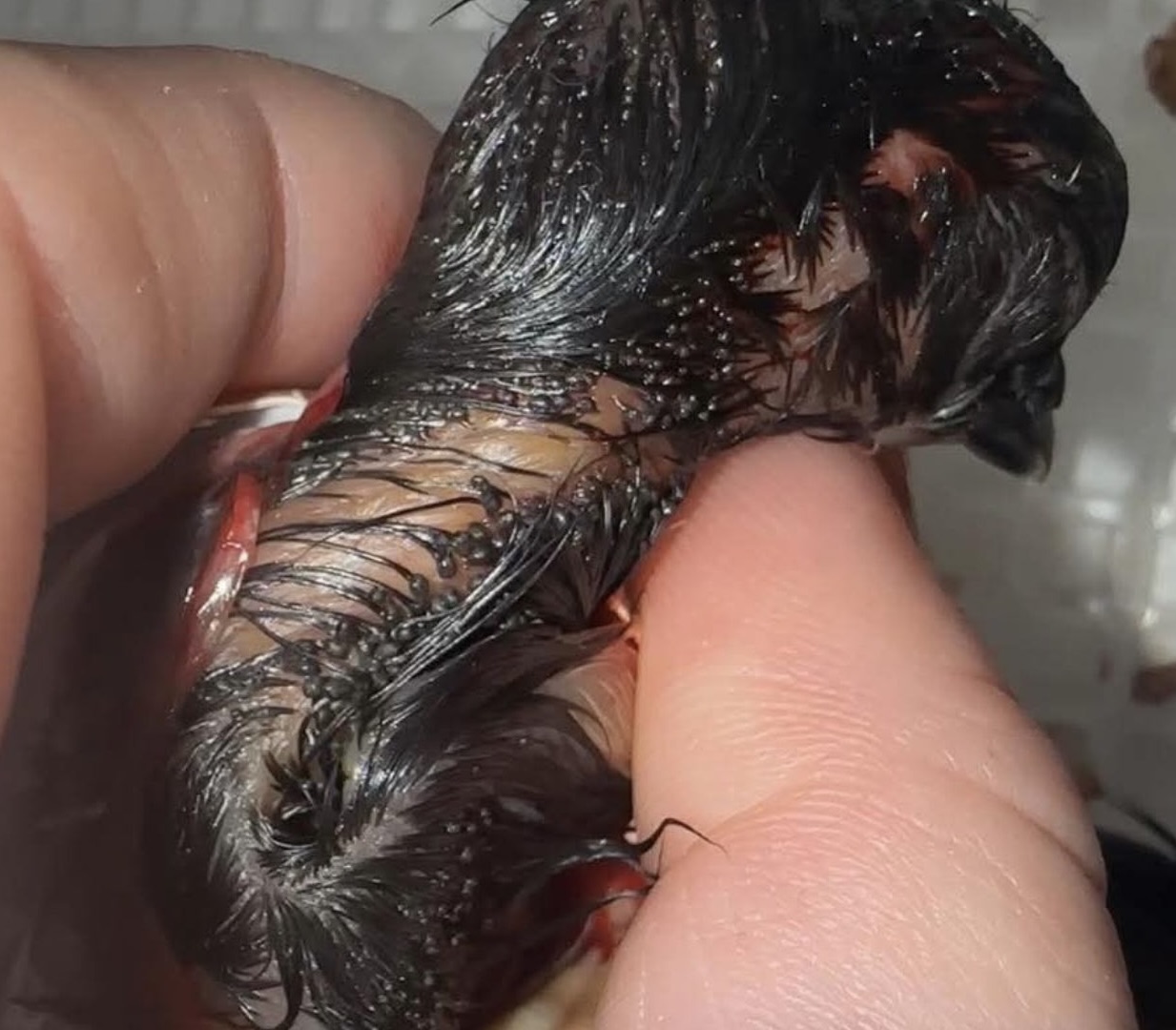
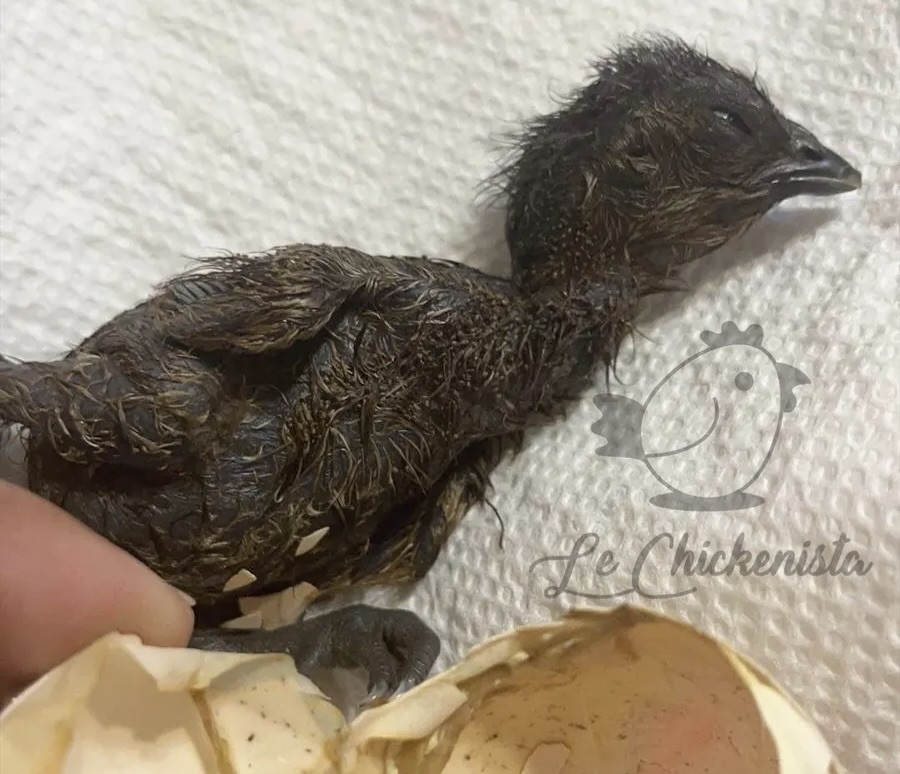
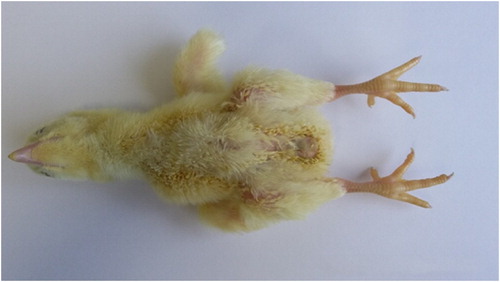
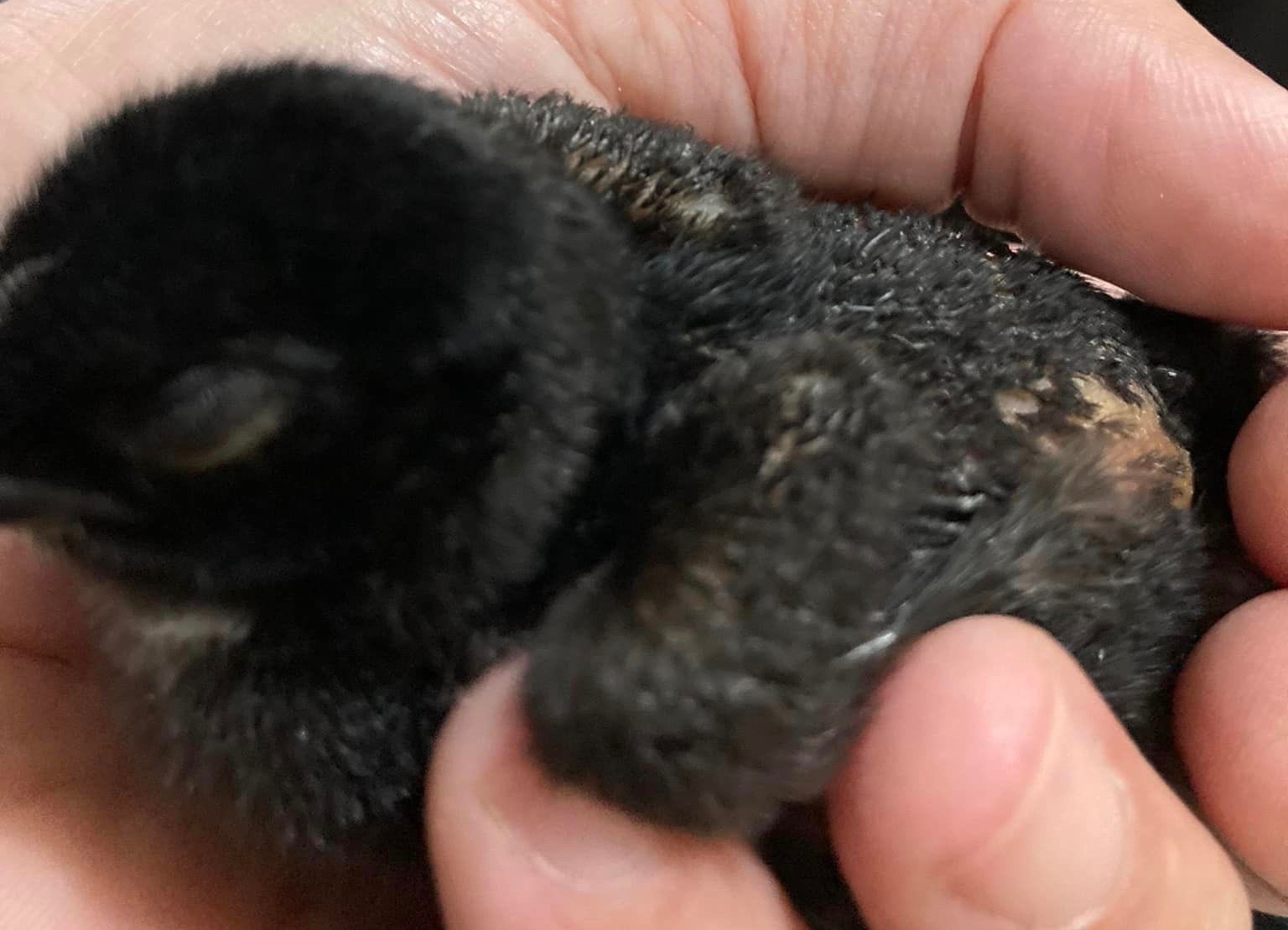
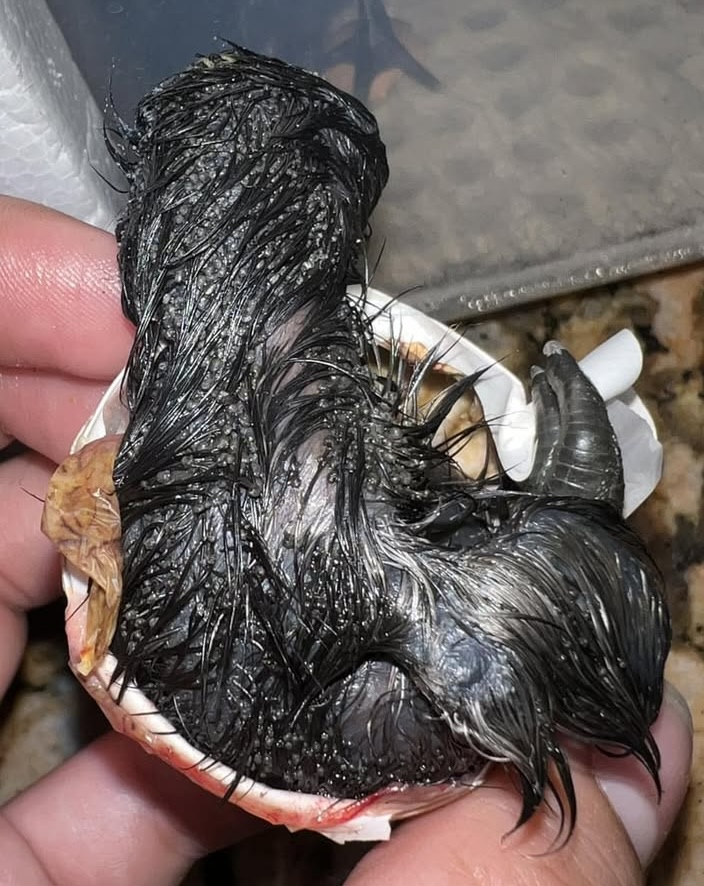
Photo credits: Joyce Sister; Le Chickenista; Tommy van Limbergen; Anonymous; Dawn Kedding
In most cases, clubbed down is not harmful and does not affect the chick’s long-term health or feather growth. However, it can be a symptom of broader issues with hatchery conditions or breeder stock health. In rare cases, it may accompany other problems such as incomplete feathering, splayed legs, weakness or failure to thrive.
If multiple chicks in a hatch display clubbed down, it is worth reviewing and adjusting incubation protocols.
Prevention and Management
Monitor Incubation Conditions
- Maintain proper temperature (99.5°F/37.5°C in forced-air incubators).
- Keep relative humidity around 50–55% for the first 18 days, increasing to 65–70% during lockdown (final 3 days).
Improve Airflow and Ventilation
- Ensure good oxygen exchange during incubation, especially near hatch time.
Handle Chicks Gently
- Avoid placing them on damp bedding or in overly humid brooders.
- Dry chicks thoroughly if they appear wet or sticky.
Use Good Breeding Stock
- Select against chronic feathering defects and poor hatchability.
Clean the Incubator Regularly
- Prevent bacteria buildup that might affect the hatch environment.
Treatment
- Gently clean affected areas with warm water and a soft cloth.
- Allow the chick to dry in a warm, dry brooder.
- Do not pluck the feathers; the chick will eventually moult and grow new, normal feathers.
While not usually a major health concern, clubbed down in chicks is a useful indicator of potential incubation or environmental problems. By keeping a close eye on hatch conditions and chick care, poultry keepers can reduce the occurrence of this condition and promote healthier, more vigorous chicks.
 Bitchin' Chickens
Great information! This is a condition I was unfamiliar with so it’s wonderful to know more!
LikeLike