
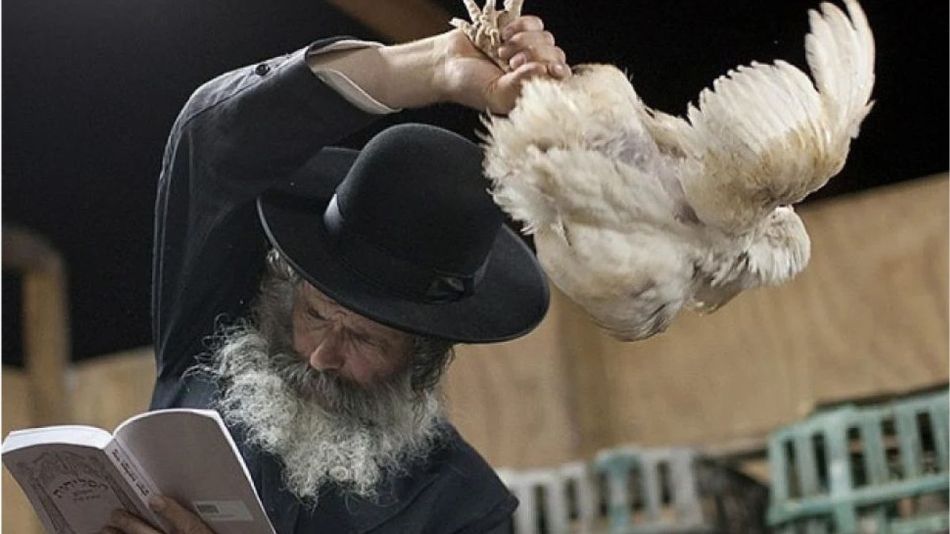
Most cultures eat animals. Some have proscriptions about eating particular species (e.g. pigs or cattle). And then there are those that sacrifice various animals (e.g. sheep, goat, poultry, cattle, etc) as part of a religious ritual or to appease or maintain favour with a deity. Animal sacrifices were common throughout Europe and the Ancient Near East until the spread of Christianity in the third to eight century and continue in some cultures today. Human sacrifice, where it existed, has always been much rarer.
All, or only part, of a sacrificial animal may be offered; usually, the best animal or best share of the animal is the one presented for offering.
Chickens are the most widespread and populous bird species so it’s no surprise that they are one of the most common sacrificial animals. Cultures with those practices include Santería, Voodoo, and other Afro-Caribbean spiritual practices, Shakti sects in India and Nepal, as well as the Orthodox Jewish tradition kaporos.
As cultures develop, animal sacrifice, including that of chickens, began to decline, especially in urban and Western countries. Ethical concerns, evolving religious interpretations, and the rise of animal rights movements have all contributed to this shift. In many countries, laws regulating animal cruelty have clashed with religious freedoms, leading to heated legal and moral debates.
Unfortunately chickens are considered livestock and have not been afforded ethical and legal protections that have been extended to pets such as dogs and cats.
I spent my teenaged and university years in North Toronto, a Jewish area of the city and had lots of Jewish friends. I had never heard of the ritual killing of chickens during kaporos and I’m sure my friends hadn’t either because it is performed only within some Orthodox communities.
I was first introduced to the existence of this practice two years ago when I wrote a post about Hadassah DeJack-Reynolds’ Tikkun Olam Sanctuary that takes in rescued chickens that have managed to evade their fate as ritual sacrifices. During the High Holy Days, specifically in the days leading up to Yom Kippur, a live chicken is swung over a person’s head while a prayer is recited, symbolically transferring the person’s sins to the bird. The chicken is then slaughtered, with its meat ostensibly donated to the poor. While this ritual holds religious significance for some, it has drawn increasing criticism from animal welfare advocates who argue that its practice involves serious mistreatment of animals.
The Ritual and Its Origins
Kaporos (or kapparot) is not a Biblical commandment but rather a custom that developed in certain Jewish communities over centuries. While the central idea is one of atonement and charity, the method, particularly the use of live chickens, has prompted concern within and beyond the Jewish community.
Animal Welfare Concerns
From an animal welfare perspective, the use of live chickens in kaporos raises several red flags:
- Inhumane Handling and Transport: Chickens used in kaporos rituals are often transported in crowded, unsanitary crates without adequate food, water, or protection from the elements. Videos and reports from cities like New York and Los Angeles show chickens left for days in extreme heat or cold, many of them injured, sick, or already dead before the ritual even begins.
- Suffering During the Ritual: The act of swinging a chicken by its wings can cause severe pain, dislocations, and stress. Chickens are anatomically not built to be held or swung by their wings, and doing so can lead to torn ligaments, broken bones, and internal injuries.
- Slaughter Practices: While Jewish law prescribes humane methods of slaughter, many kaporos operations adhere strictly to these standards. Makeshift slaughter stations may lack proper equipment or trained personnel, leading to botched or prolonged deaths.
- Neglect of Animal Life as Sacred: One of the core teachings of Judaism is the prohibition against causing unnecessary suffering to animals. Many rabbis and Jewish scholars argue that the way kaporos is practiced in some communities violates this ethical principle.
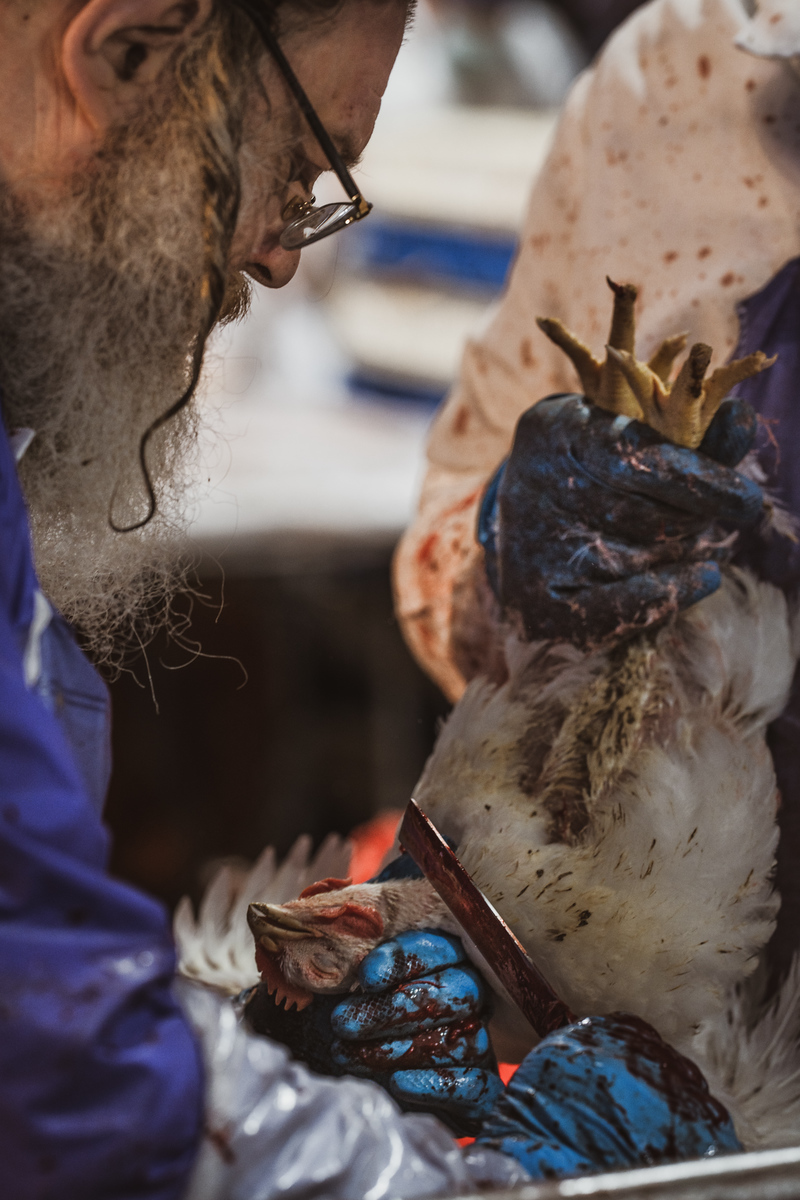
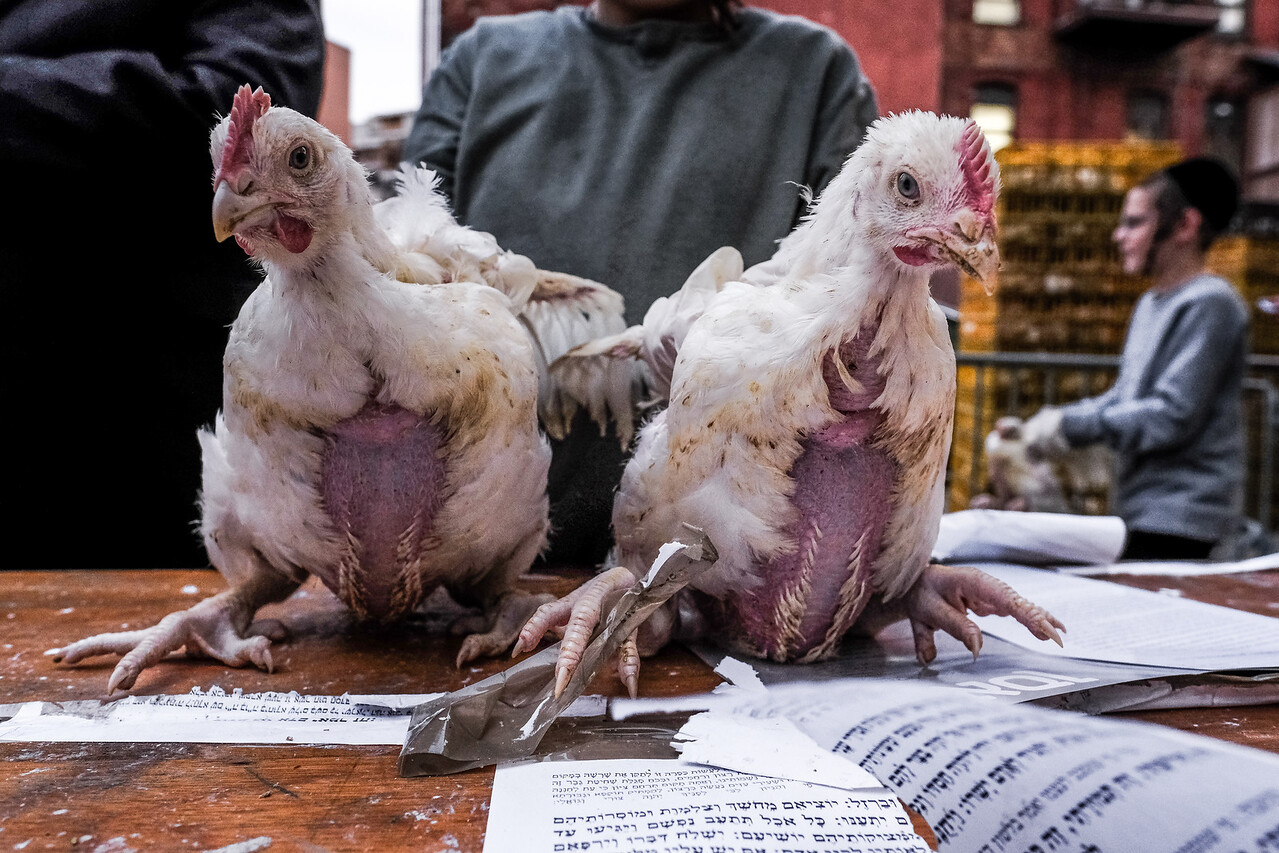
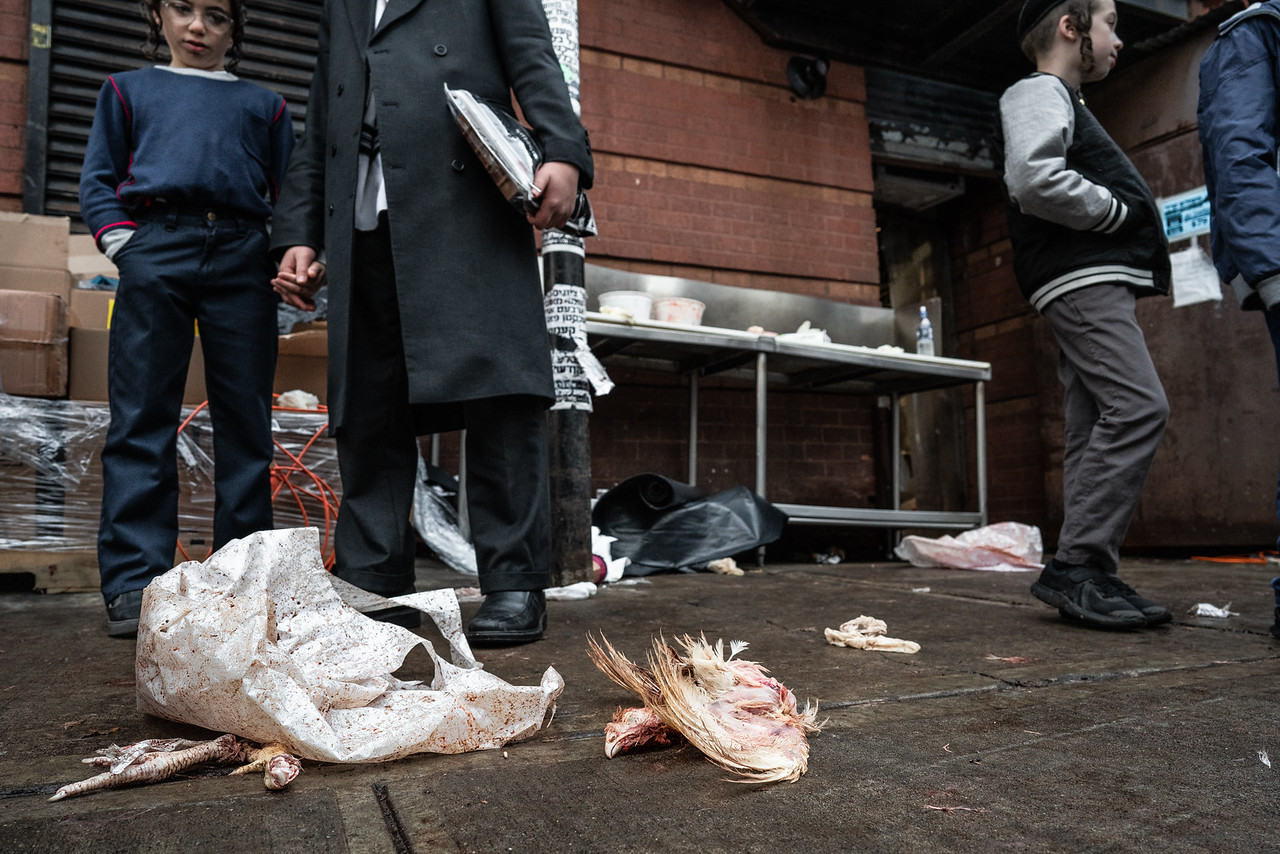
Photo credit: Suzanne Stein
“The chickens are hastily and haphazardly butchered, ripped apart by workers who are pushed to their limits. The atmosphere is generally lighthearted, punctuated by occasional impatience and anger directed at the Hasidic boys who circle the event. Feathers and skin are not removed cleanly and result in body parts that are difficult to look at or imagine as being fit for consumption by anybody. Because the birds are now full of what the participants consider to be sin, the community of Orthodox will not sell or consume these animals. They are supposed to be donated to people of lower economic status or others in need for consumption, which in part serves as justification and redemption for the act of ritual slaughter.”
“The birds are housed in crates, in difficult and unsanitary conditions. The crates to the right of the image are birds that have not yet been used for the transference of sins….this chicken is being walked to a family who will use it for a child. The crates pictured at the rear are those that house birds that have been contaminated by transferred sins, and ready for eventual slaughter.” – Suzanne Stein
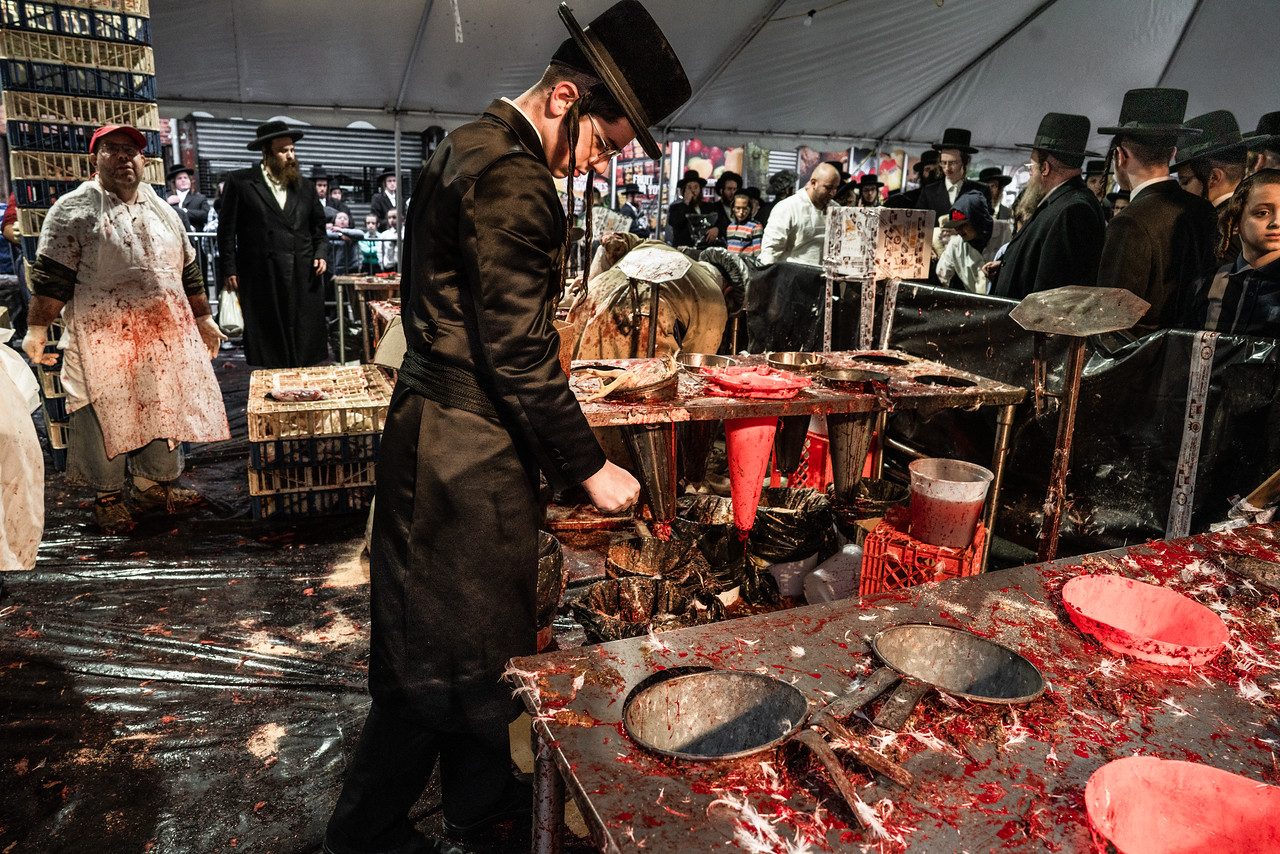
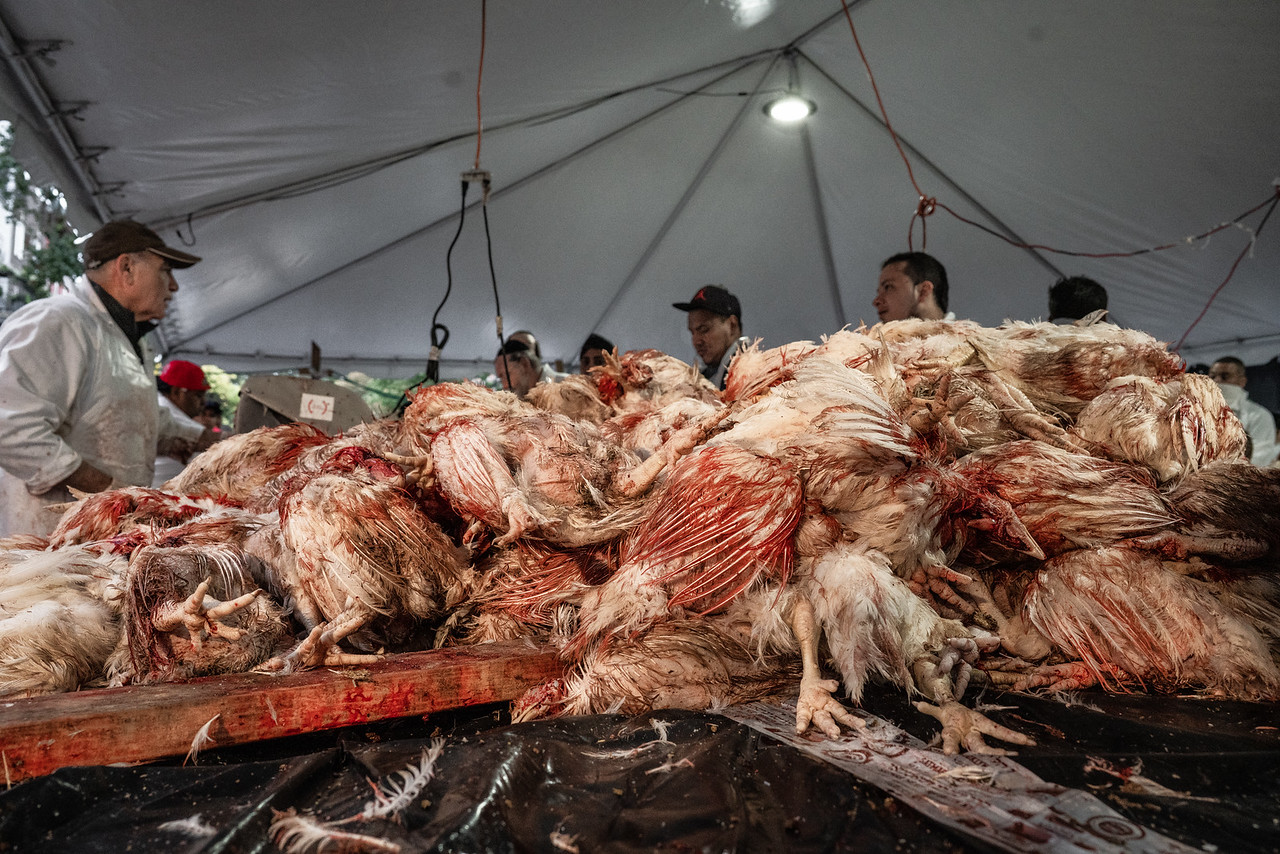
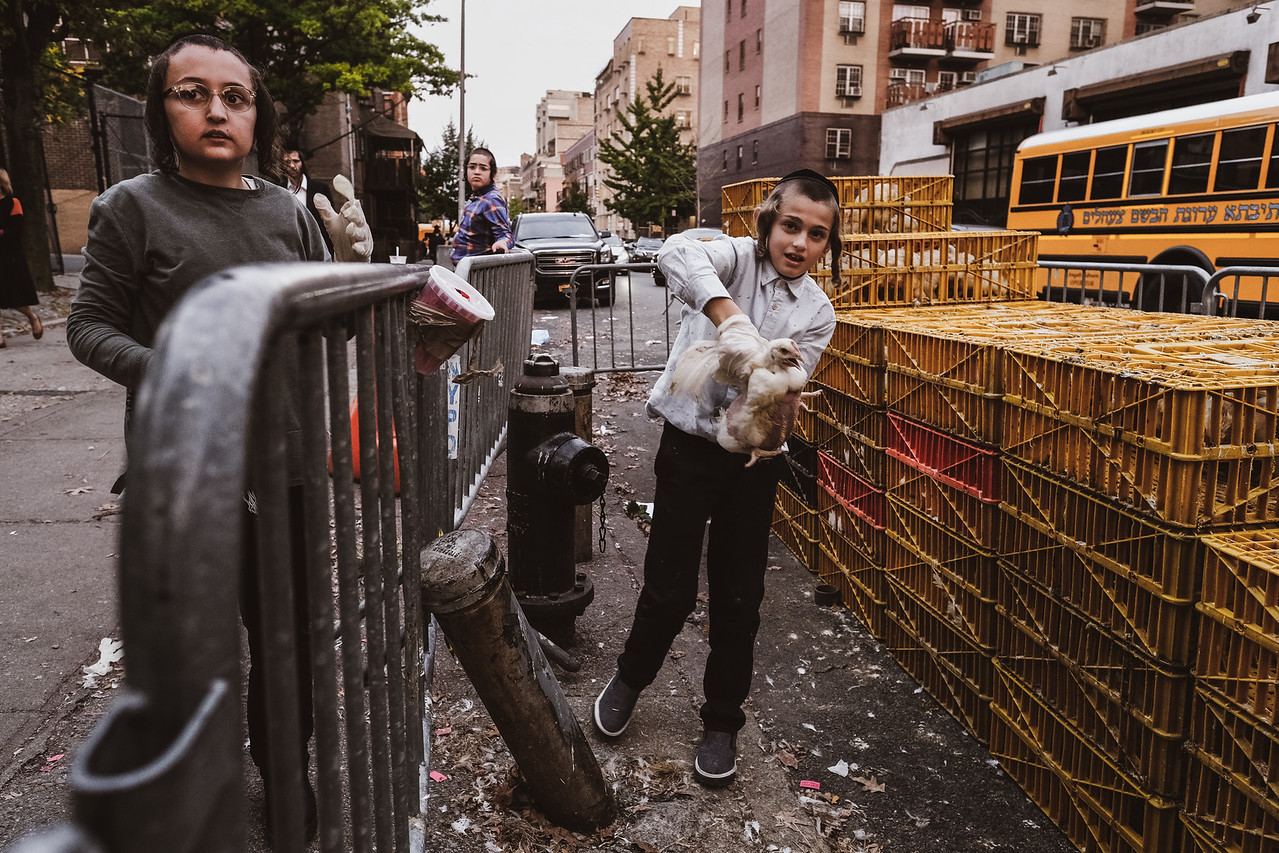
Photo credit: Suzanne Stein
“The big kaporos ritual slaughter in NYC was tonight, October 1st.”
“Over 70,000 5-week old chickens will be stacked in these crates on top of each other in the streets of NYC. For nearly a week, they won’t have access to food or water. There will be no protection from the weather. Many will die.”
“In a festival type atmosphere, music blasts from loud speakers while terrified chickens are pulled roughly from tightly packed crates, carried around by their wings, occasionally dropped on the ground while young children scream and try and catch them. They are used as photo props with young teenage boys. They shake the birds in animal activists faces in an attempt to cause us more discomfort. It works.”
“In the end, the birds are swung by their wings or legs, and then carried to wait in a long line to have their throats slit. The birds are killed at such a fast pace it is hard to take in what you are witnessing. They are thrown, without a second look, into trash cans where they die. Watching death like this is nearly impossible to describe so I won’t even try.”
“Sometimes they don’t die. Activists go through the trash searching for survivors. Occasionally they find one. Sometimes, with veterinary care, they survive. Most often they don’t. Their little bodies have been exposed to the elements for the past week with little to no food or water. They are broken physically and psychologically. The loss of blood is significant. It isn’t surprising few survive the ritual.”
“Maybe you heard that all of these birds are donated to charity for the poor. This is untrue. Few birds are processed. It would be impossible to kill and process 70,000 birds that quickly in the streets of NYC. Most of them are thrown in the garbage, the remnants of a forgotten ritual. Don’t believe me? I have the photos. I’ve been there. I’ve seen it firsthand.”
“My heart breaks tonight knowing that my tribe has participated in such brutality in the name of Judaism. There is nothing holy about killing an innocent animal, even if they were given to charity. Until this madness stops there will never be peace. It is always the innocent that suffer the most.” – Hadassah DeJack-Reynolds
A Kaporos Survivor Story
Rescued at six weeks of age in 2019 by Tikkun Olam Farm Sanctuary, Winky was one of 70,000 birds purchased that year by New York City synagogues destined for kaporos. She was one of the lucky 39 rescued by Hadassah’s sanctuary.
“She would have otherwise gone to be slaughtered for somebody’s meal if she hadn’t been marked for the ritual. I don’t know if you can compare one death as worse than another, but these birds are purchased and kept in crates for a week with no food or water before they’re killed in a horrific way.”
“Every year, our sanctuary works with activists in New York City who are rescuing these birds from ritual, and we work as part of an alliance to end the practice to using chickens for kapparot.”
Winky now spends her days – having lost one eye in transport after her rescue – soaking up the sunshine and waiting for mealtime visits with friendly volunteers.
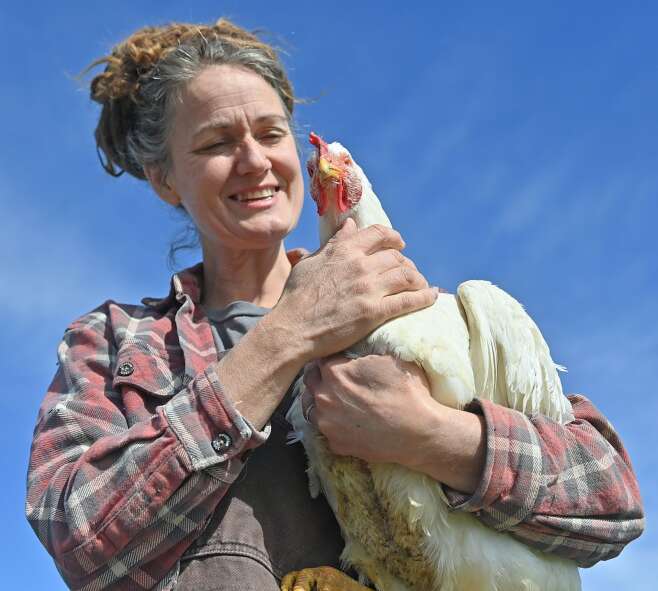
Photo credit: Haddasah DeJack-Reynolds
Legal and Community Pushback
In recent years, animal rights groups have protested kaporos rituals in cities where the practice is public and visible. Legal challenges have been filed citing public health risks, animal cruelty laws, and zoning violations. Though courts have often upheld the practice on religious freedom grounds, the public scrutiny has pressured some communities to adopt more humane alternatives.
At the same time, many within the Jewish community have called for an end to the use of live chickens. Organizations like the Jewish Initiative For Animals and the Alliance To End Chickens As Kaporos advocate for compassionate alternatives that honour tradition while respecting the lives and welfare of animals.

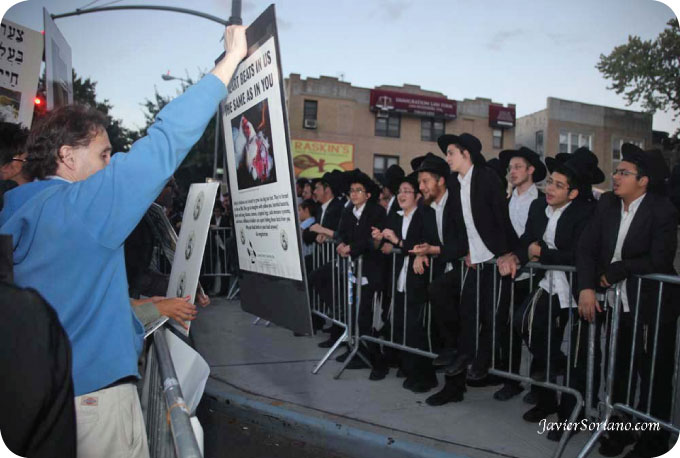
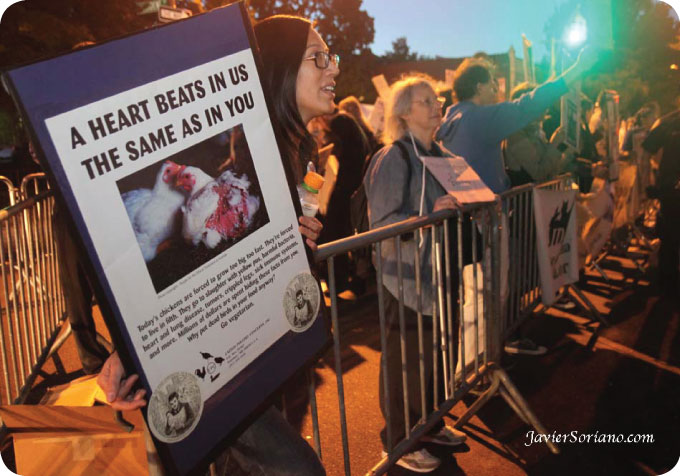
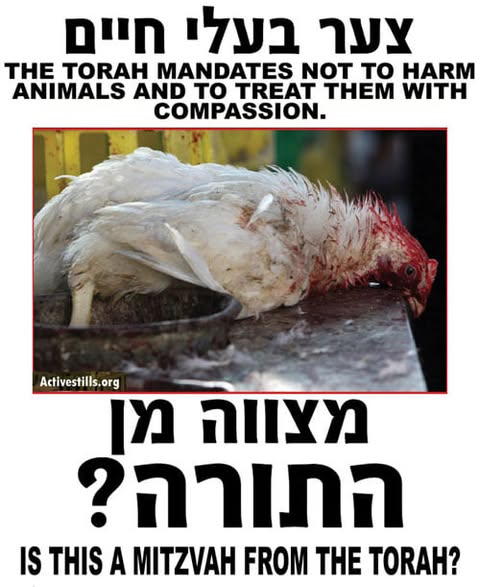

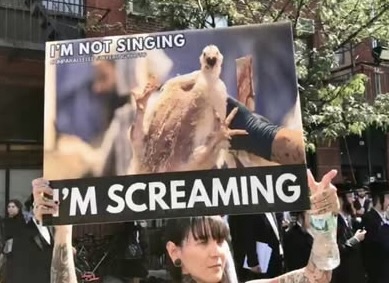
Photo credits: Linda Obuchoska. Activestills.org, Alliance Against Chickens As Kaporos and Javier Soriano
Moving Toward Compassionate Alternatives
There is also an alternative form of kaporos that uses money instead of chickens. In this version, coins are swung in a similar ritual gesture, and then donated to charity, effectively preserving the symbolic meaning without involving animals.
Shifting to money-based kaporos is not just a compromise, it may actually fulfill the ethical and spiritual intentions of the ritual more fully. It allows for reflection, repentance, and charitable giving without causing suffering to living beings. As awareness grows, more communities are adopting this version and leading by example.
“One of the most frustrating things about kaporos is that to perform the ritual, you do not have to use chickens. I would argue that it violates several Torah precepts and chickens should not be used. In other periods, seeds, money, and even potted plants were the chosen object. It is an acceptable substitute to use money and there are many communities that already do this. The prayer recited is slightly different but the ritual itself is exactly the same, except unlike chickens, the money is donated to charity and not thrown in the garbage. The amount required is supposed to be the cost of a chicken, although this is not an absolute. Most people donate in multiples of 18, the numeric value that represents life in Judaism. – Hadassah DeJack-Reynolds
The week before Kaporos, we did outreach every day covering different areas in Williamsburg and Crown Heights. I’d printed up several different flyers, some in Hebrew, others in English. We got into very intense discussions and planted many seeds. I also displayed 8″ x 10″ laminated posters of chickens, both happy and sad. (We had) a fabulous 6-minute video played on an iPad showing the transition from when they are rescued to how they thrive in sanctuaries. – Rina Deych, Alliance to End Chickens as Kaporos

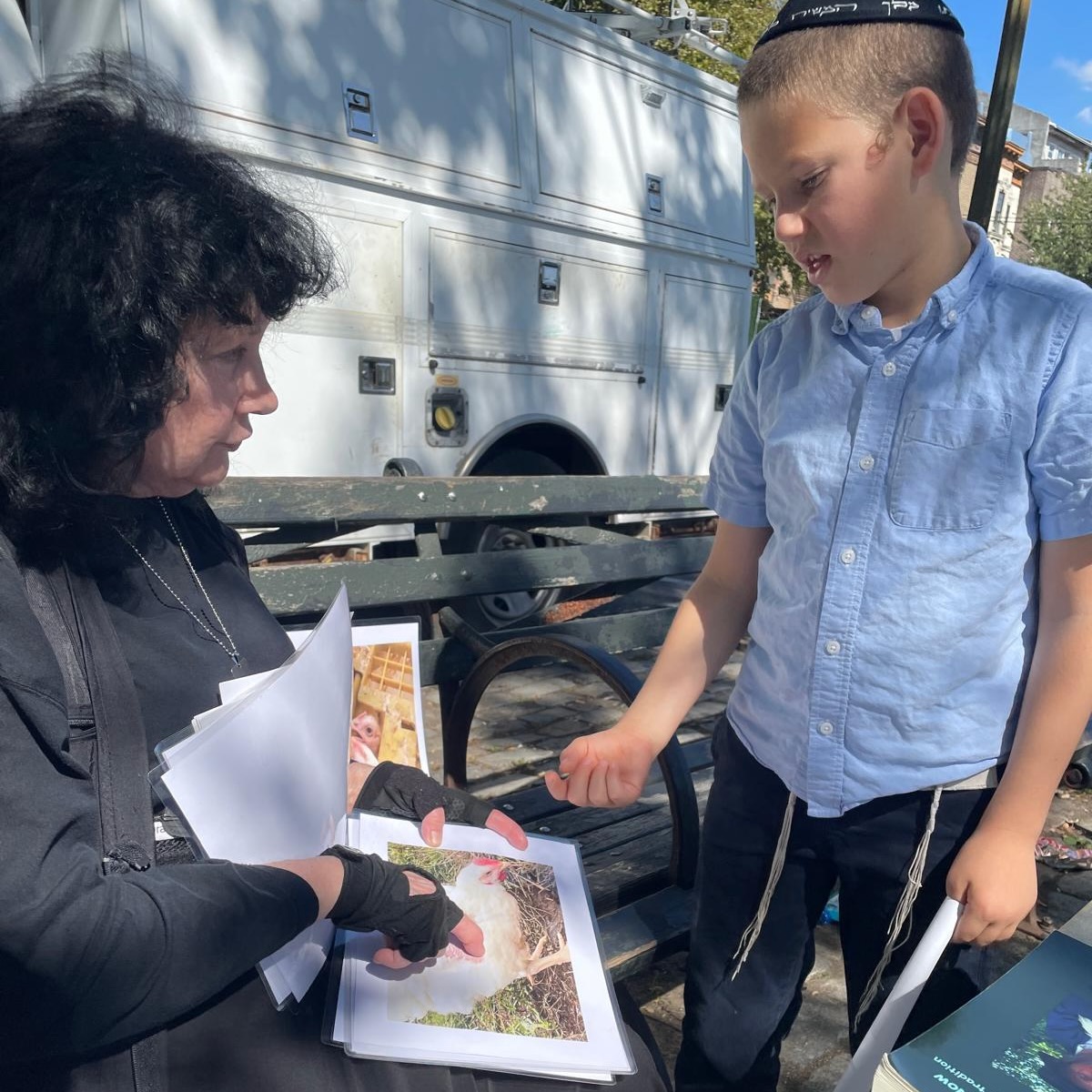
Kaporos remains a powerful and meaningful tradition for some Ultra Orthodox Jews. However, when examined through the lens of animal welfare, the use of live chickens raises serious ethical concerns that cannot be ignored. By embracing compassionate alternatives, such as the use of money, communities can honour both the spirit of atonement and the moral imperative to prevent suffering – an approach that aligns with the highest values of Judaism and humane stewardship.
Thanks to those working on the forefront for the ethical treatment of animals and to Hadassah DeJack-Reynolds for sharing her story and photos, used with permission. Photo feature credit: Linda Obuchoska
 Bitchin' Chickens
Horrifying.
LikeLiked by 1 person
Wow, I never knew of this monstrosity. Rightfully it should be stopped. It is definitely inhumane and, if anything, the perpetrators should be fined or sent to jail. Ugh, all for religious nonsense.
LikeLike