
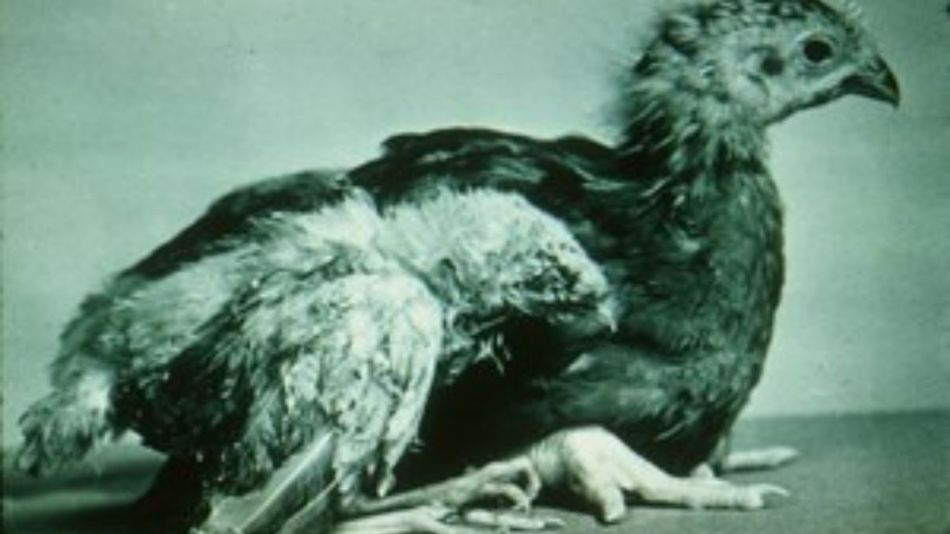
Niacin, also known as vitamin B3, is a micronutrient that is required for proper metabolism, nervous system function and antioxidant protection It’s an essential nutrient, meaning that it must be obtained from food as it can’t be produced on its own. Niacin is water soluble and any surplus is excreted through urine rather than stored in the body.
Niacin rich foods include: fish, legumes, nuts, seeds, brown rice, bananas, broccoli, carrots, tomatoes, eggs, cereals.
Online poultry groups regularly contain posts about niacin deficiency in ducks but the same can’t be said about chickens. Since some of my readers keep various species of birds I thought I would post about niacin deficiencies in both ducks and chickens.
Triple Creek Farm’s Perspective On Niacin Deficiency In Ducks
This is long, but if you have ducks please consider reading it and forming your own opinion about additional niacin. This is a topic that has resulted in my banning from almost every duck group on Facebook for going against all the comments that immediately blame niacin deficiency. Sometimes it is niacin, but it is very easy to overdose niacin and it can kill your ducklings. Additional niacin is not a fix all for ducklings. It’s very rare to have niacin issues in light and medium weight breeds; heavy breeds are the most affected.
Every single day I see issues posted about ducklings or adult ducks and the first thing someone responds is ‘niacin deficiency’. It is more than likely NOT. We have been breeding waterfowl for over 15 years. We raise up to 10,000 ducklings per year. We have only ever had two cases of suspected niacin deficiency: a buff duck and a jumbo Pekin, both shipped ducklings.
I say this because niacin deficiency does not happen at the rate that it appears to online. Just because everybody screams niacin in the comments does not mean that it is the issue. Niacin as a fix-all, is just like one of those myths that keeps getting passed from generation to generation and not questioned. It is accepted as an answer without research.
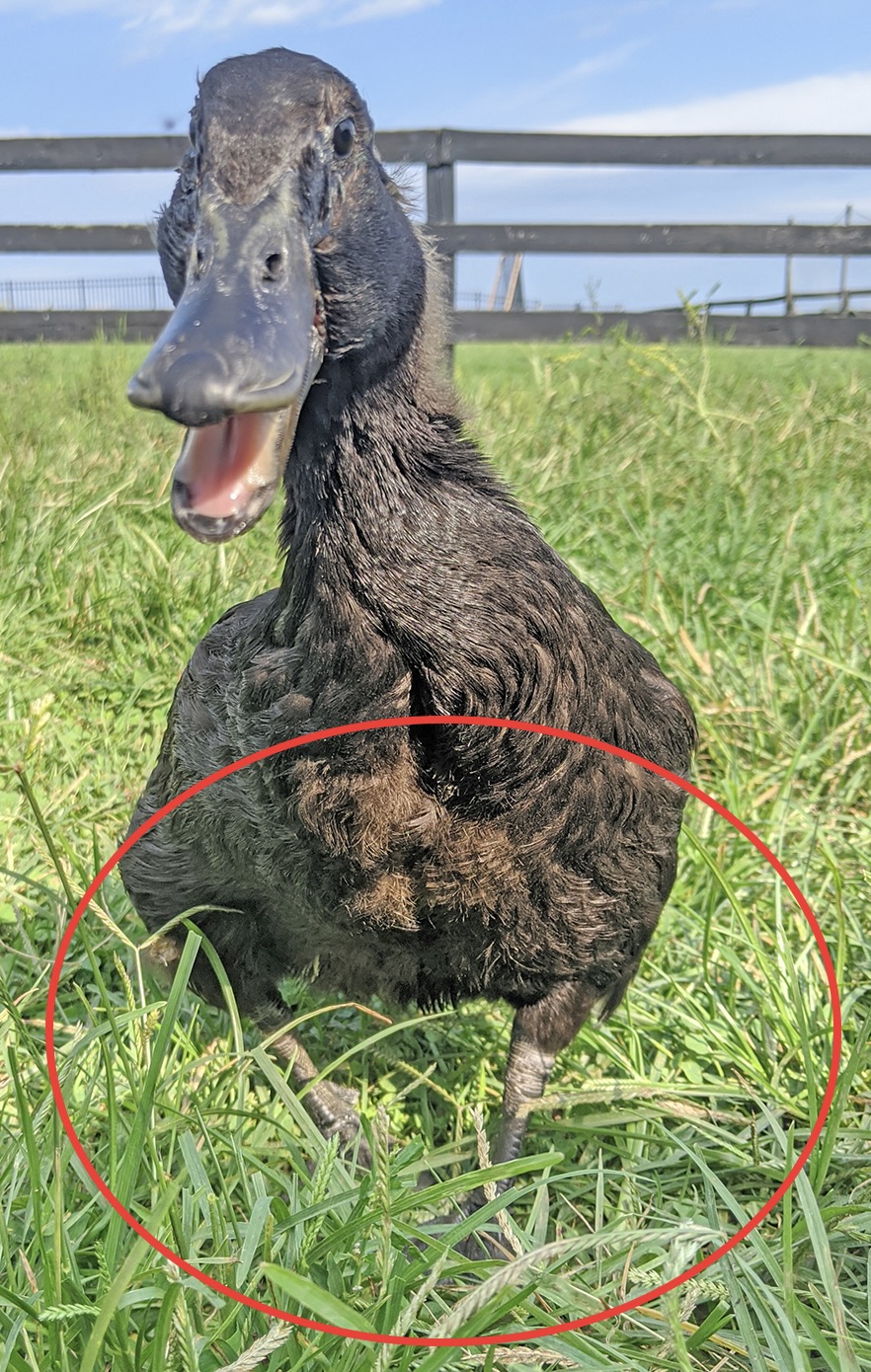
Photo credit: Poultry DVM
That being said, everyone has a different way of feeding and raising their ducklings. You may very occasionally have a duckling that requires more, usually Pekins. Most commercially prepared feeds have sufficient niacin. Ducklings require 55 ppm. Most broiler and game birds feed have sufficient niacin and are great for raising ducklings.
You cannot feed your ducklings scratch grains, layer feed or whole grains and expect them to thrive. They cannot live off cornmeal, peas and mealworms. A diet described as above is literally starving your ducklings. They are eating it but it’s doing nothing for them. I cannot stress this enough.
You cannot feed them once a day and expect them to thrive. Ducklings need access to feed while they are growing. They have growing pains and can also exhibit leg issues when they get wet feathers, any times of stress or a slipped tendon. Indian Runner ducks especially will have leg issues when they are tired. They will throw their legs behind them and be unable to walk for a while. If you pick up a 4-week-old duckling and it weighs less than a pound, cannot walk and is weak, you don’t have a niacin issue, you have human error. An adequately fed duckling of most breeds will appear half grown by 6 to 8 weeks old. Niacin will not fix failure to thrive. Niacin deficiency does not happen overnight. It is a progression. If your duckling was fine and running around the day before, it’s probably not a niacin deficiency. An adult duck limping is usually not because of a niacin deficiency.
What do the birds look like if there is a niacin deficiency?
Symptoms
- Leg weakness and deformities: This is a common sign, including bowed legs, and inability to stand or walk.
- Slow growth and lack of weight gain: Niacin is crucial for overall development, and deficiencies can hinder growth.
- Neurological symptoms: Some ducks may exhibit wobbliness or lack of coordination.
- Swollen hocks: This is a visible sign of niacin deficiency.
When you have a niacin issue, you’ll know it.
Overdosing Niacin can and will kill your ducklings. This is the part that no one tells you.
Three drops of B-complex would be an overdose for a duckling. If you gave 1ml of niacin in water to four ducklings that would also be an overdose.
If you do decide to give additional niacin, please do adequate research on the safe amount. I hope this helps those that are new to ducks. With niacin being pushed as a fix-all, please use caution when adding additional niacin.
Niacin Deficiency In Chickens
If you feed your birds a well balanced commercial feed then niacin should not be a problem for your flock. Unlike ducks, online groups tend not to point the finger at the lack of niacin being an issue for chickens.
It’s not common but it does happen. Chicks are most vulnerable, especially if they are provided a poor quality chick starter feed.
To help you assess niacin deficiency monitor for the following:
Symptoms
- Feather abnormalities
- Enlarged hock joints
- Skin issues
- Leg deformities (twisted or bowed legs)
- Decreased egg production
- Decreased hatchability
- Diarrhea and dehydration
- Oral inflammation, darkened mouth
- Tremors, impaired coordination
- Weight loss
Treatment
- Supportive care (warm, safe place with access to food and water)
- Brewers Yeast: 75g/kg added to feed daily
Credits: Triple Creek Farm, used with permission. Feature photo credit: Unknown
“Breaking down chicken science, one cluck at a time.”
 Bitchin' Chickens
Great post! So much bad information on the World Wide Web– except for Bitchin’ Chickens!! Thank you for this blog! 😊
LikeLike