
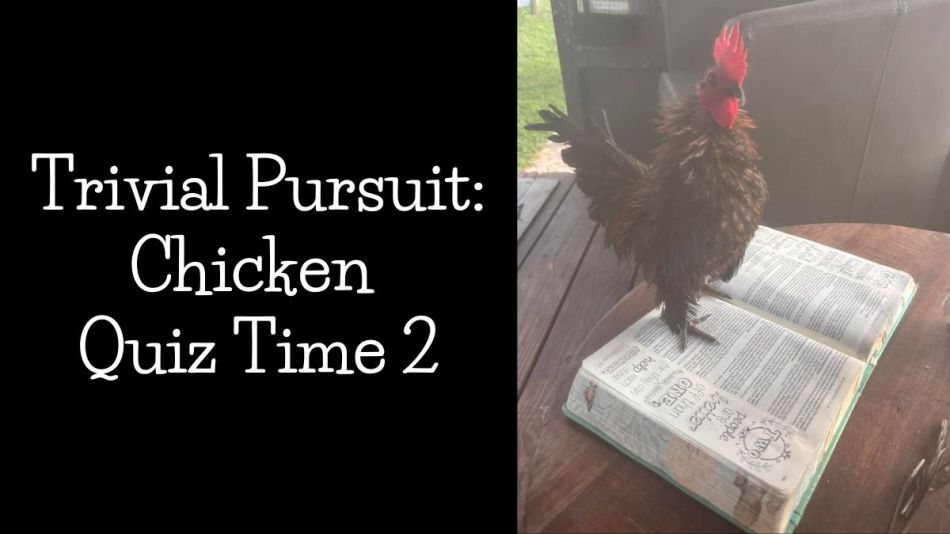
I’m an educator by trade, experienced with curriculum development and public speaking. I’ve learned over the years that as much as I know about a subject I’m by no means an expert. I’m always looking for ways to learn more and to be better at what I do. When I started blogging about chickens I’d already had birds for almost a decade but I still wanted to explore the world of poultry keeping.
When the Covid-19 shutdown first hit I had more time on my hands since I was able to work at home. In addition to writing full length science-based articles for this blog, I started posting small snippets of information on my Facebook page, a platform more appropriate for folks scrolling through competing sites.
These posts consisted of short stories, photos of health issues and quizzes. I recently stumbled across my ‘minis’ file and thought I would post some of them here.
This is your opportunity to test your knowledge about chickens. Grab a piece of paper and jot down the answers (no cheating). Once you’re finished scroll down to the bottom of the page for the answer.
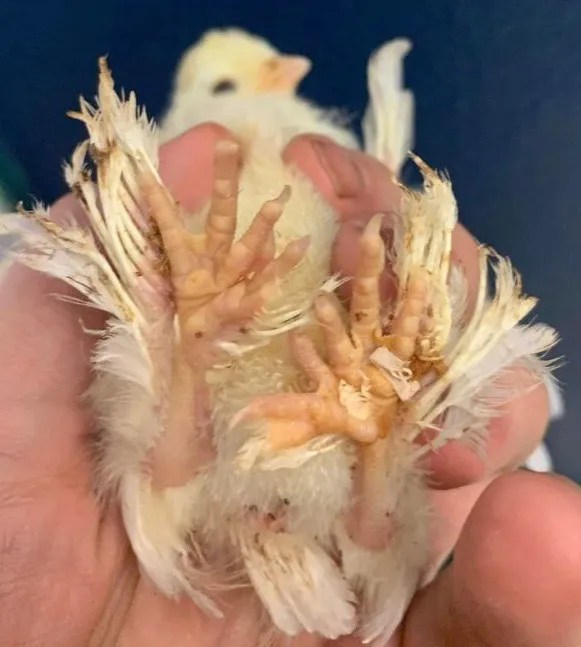
#1Polydactyly is a genetic mutation causing extra toes. There are several chicken breeds where five (not four) toes is normal (and a requirement of the Standard of Perfection).
Name the breeds that have five toes.
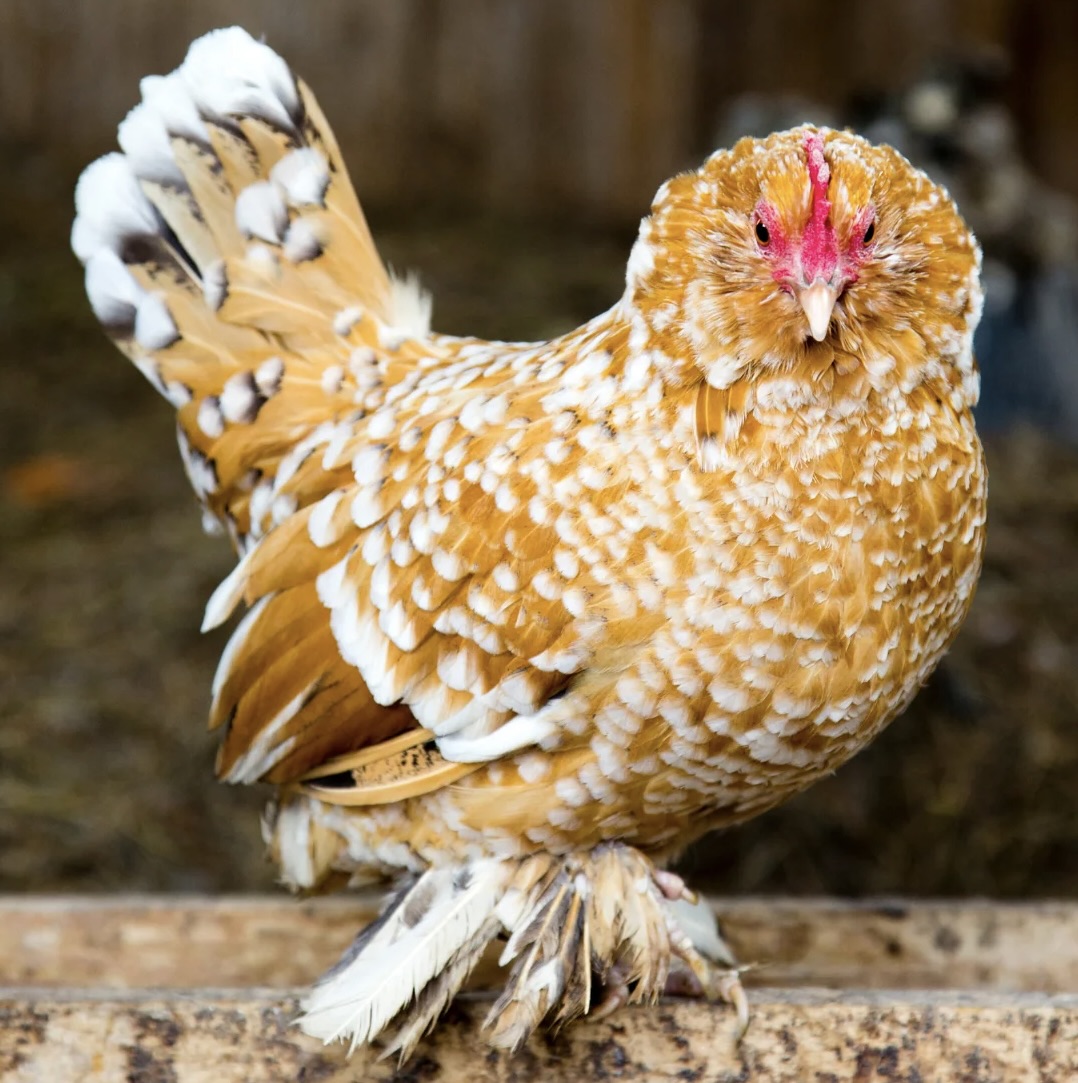
#2 Feathered Feet & Legs: Most chicken breeds have clean legs but there are several breeds in which feathered feet and/or legs is the standard. How many feathered footed/legged breeds can you name?
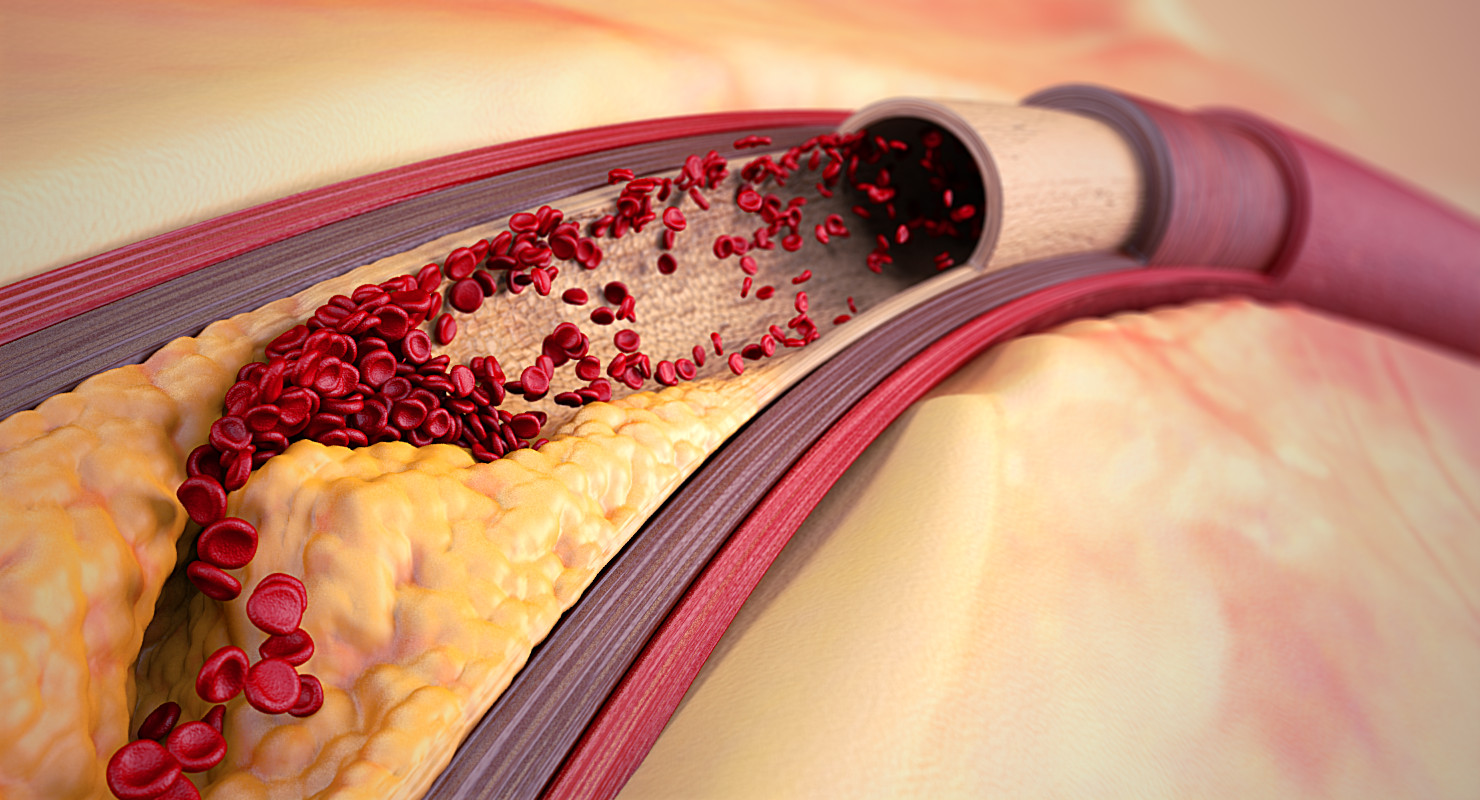
#3 Atherosclerosis: When doing some reading for a post on atherosclerosis in chickens (fancy name for hardening of the arteries, just like in people) I came across an interesting research study about how (rather than what) chickens were fed and the impact it had on whether they developed cardiovascular disease or not.
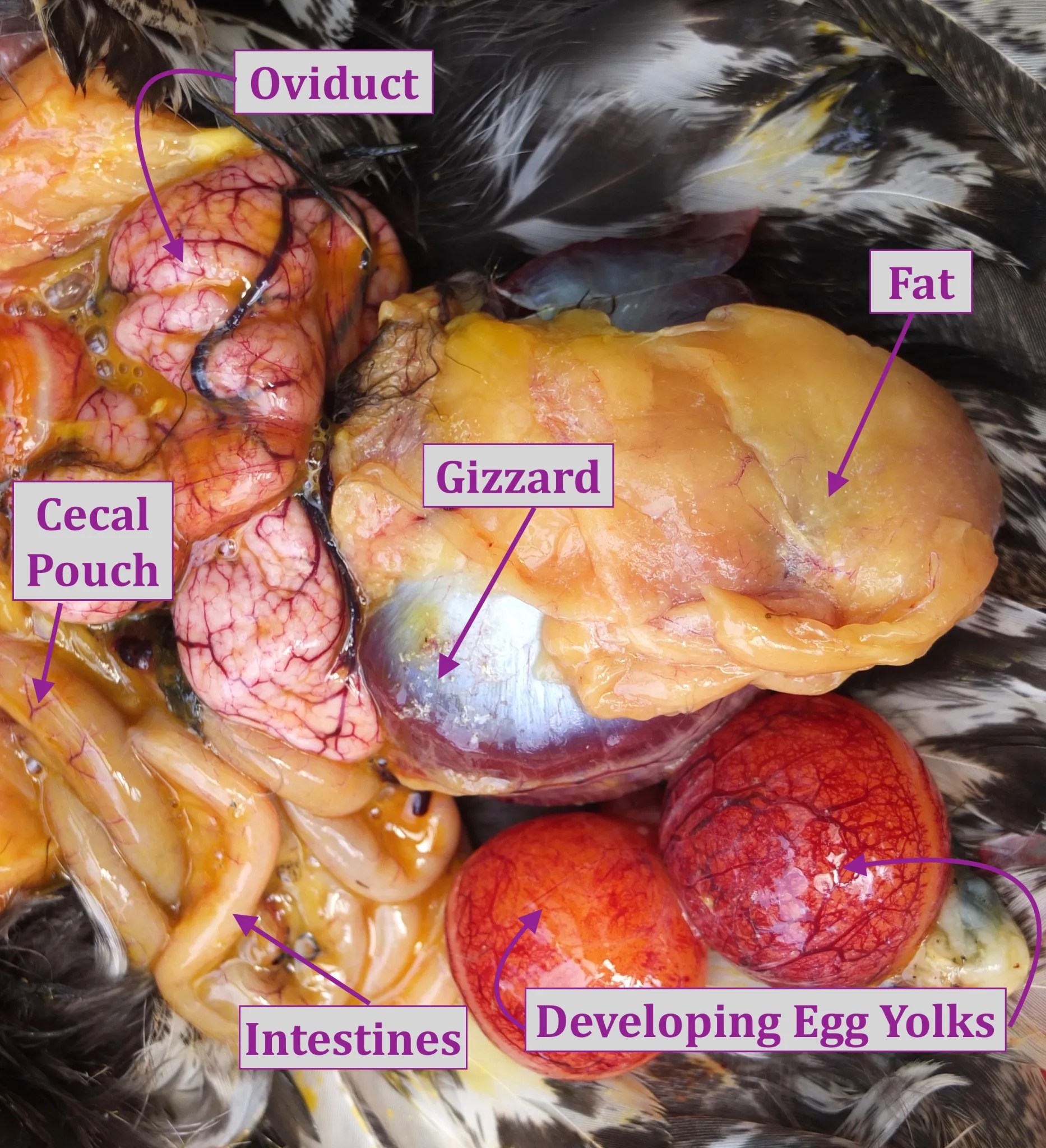
(Of course, what you feed your birds is critical. This study fed birds the same food, but using different methods).
They studied birds that were free-fed (nibblers) vs those who were fed a set amount at particular times (meal eaters). Which group do you think were more at risk? How do you feed your birds?
#4 Impacts On Egg Production: At various times throughout the year our hens may lay fewer eggs and we wonder why. There are many factors that impact egg production. How many can you name? Please be specific (i.e. if you say stress or illness, what kind?).
Answers
#1 Polydactyly: Dorking, Faverolle, Houdan, Silkie and Sultan.
#2 Feathered Feet & Legs: Belgian d’Uccle, Booted Bantam, Brahma, Breda Fowl, Cochin (also called Pekin), Faverolle, Hedemora, Langshan, Marans, Silkie and Sultan.
#3 Atherosclerosis: The info from the study is as follows: “It was found that the meal eaters exhibited double the serum cholesterol levels and seven times the severity of coronary atherosclerosis as the nibblers. Meal eating a regular mash diet was associated with (a) slower rate of fall of serum cholesterol levels to normal, and (b) a marked decrease in the rate of healing of the coronary lesions as compared to nibbling. It is concluded that the manner of ingestion of the diet plays a significant role in accentuating the production and in inhibiting the regression of experimental atherosclerosis.”
Translation: birds fed at set times had higher rates of cholesterol and were more likely to develop heart disease than those who were free fed.
#4 Impacts On Egg Production:
- Age (young/old)
- Amount of daylight
- Body weight (underweight, obesity)
- Breed
- Stress (overcrowding, changes in flock dynamics, moving, bullying)
- Moulting
- Temperature (heat or cold)
- Deprived of food or water
- Ammonia build up in coop
- Disease (Bronchitis, Cholera, Coryza, Coccidiosis, Egg Drop Syndrome, Fowl Pox, Influenza, Mycoplasma gallisepticum, Newcastle Disease)
- Parasites (worms, lice, mites, sticktight fleas)
- Nutritional deficiencies: calcium, protein, fat
- Anticoccidial medications
- Botulism, toxins, pesticides and other chemicals
- Predators
- Broodiness, taking care of chicks
Featured photo credit: Destiny Williams
If you have some suggestions for future quizzes drop me a line using the ‘contact’ button on my homepage.
“Serious science. Not-so-serious chickens.”


Just naming the factors that influence egg production got me to thinking that nature doesn’t exist to benefit organisms and that when people interested in making a profit are involved the situation for chickens becomes even worse. Much of the reason for free range eggs is simply to make people feel better about their purchase of eggs than they might otherwise.
LikeLike