
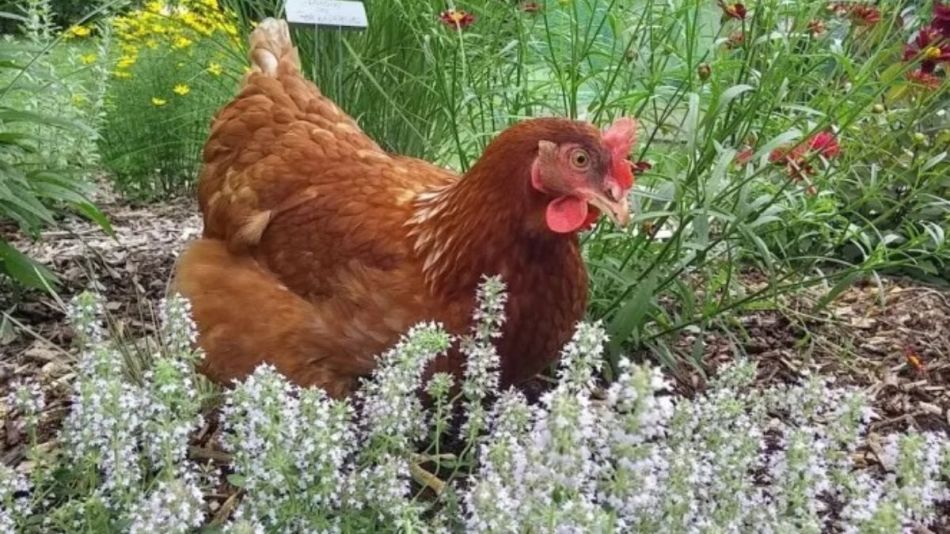
Thyme (Thymus vulgaris) might be best known as a kitchen herb, but it’s also a powerful natural medicine that’s been supporting health in both people and animals for centuries. For chickens, thyme offers a range of therapeutic benefits from respiratory support to immune system strengthening and natural antimicrobial protection. It’s no surprise that many small-scale keepers and even commercial poultry operations are turning to thyme as part of a holistic health plan.
Thyme is a small, aromatic perennial shrub in the mint family (Lamiaceae). Its potency comes from its essential oils, particularly thymol and carvacrol – the same compounds that make oregano such a strong natural antimicrobial. These oils, along with flavonoids and phenolic acids, give thyme its distinctive scent and a wide range of therapeutic properties.
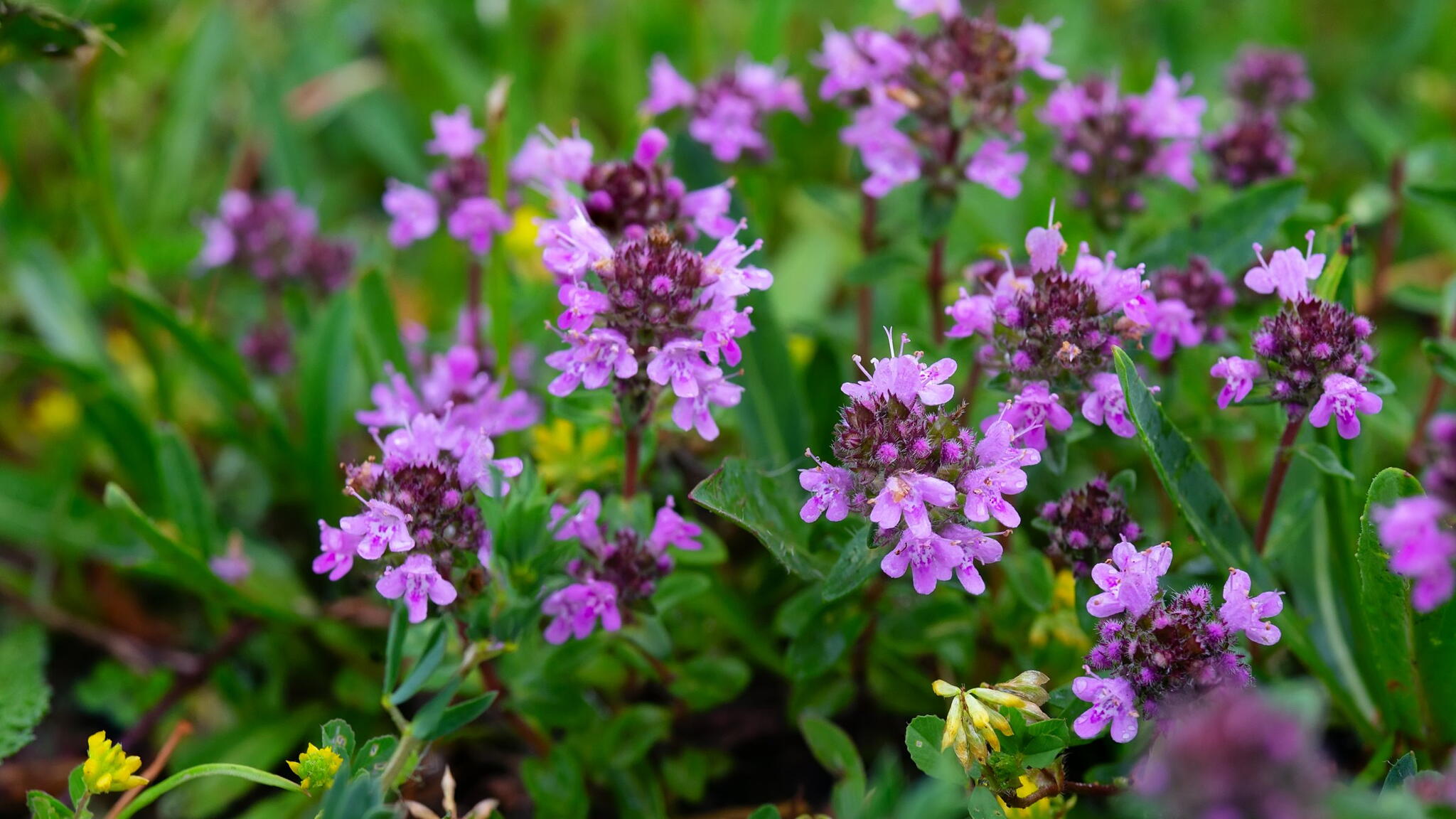
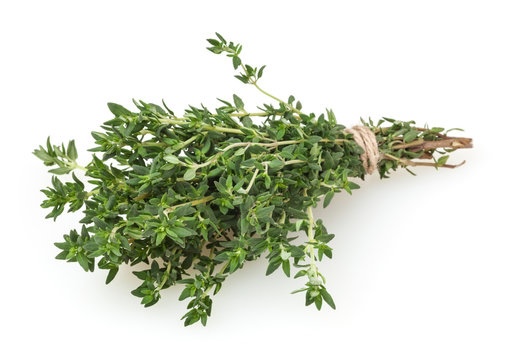
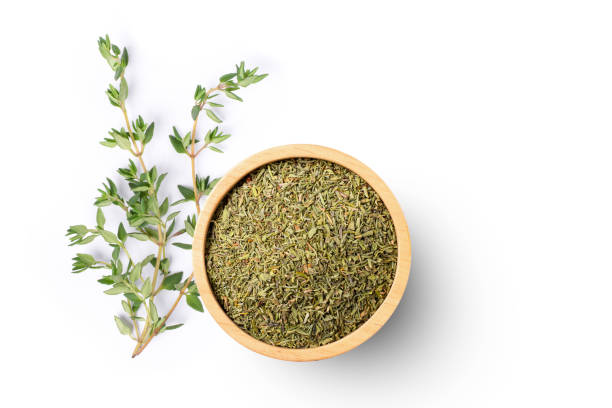
Photo credits: Old Farmer’s Almanac; iStock; AdobeStock
Benefits of Thyme for Chickens
- Respiratory Support:
Thyme is well known as a cough suppressant, expectorant and antimicrobial effects. It helps clear mucus from the respiratory tract and supports chickens during respiratory challenges such as dusty coop conditions, seasonal sniffles, or mild infections. Many herbalists consider thyme one of the best natural herbs for poultry respiratory health. - Natural Antimicrobial:
Thymol and carvacrol are potent antibacterial and antifungal agents. They’ve been shown to inhibit pathogens like E. coli, Salmonella, Clostridium perfringens, and Mycoplasma gallisepticum – common pathogens in poultry flocks. - Immune System Booster:
Regular, moderate use of thyme in feed or water can help stimulate the immune system. The herb promotes a balanced gut microbiome, which is essential for disease resistance and overall vitality. - Antioxidant and Anti-inflammatory Effects:
Thyme’s flavonoids, such as luteolin and apigenin, act as antioxidants that protect cells from oxidative stress. These compounds help reduce inflammation, support liver health, and may contribute to better recovery after stress, illness, or moult. - Digestive Health:
Thyme can stimulate appetite and digestive enzyme production. In laying hens, it has been associated with improved feed efficiency, better egg quality, and reduced gastrointestinal infections. - Insecticidal and Antiparasitic Potential:
Thyme oil has mild repellent and antiparasitic properties. While it’s not a substitute for medical treatment, it can be used as part of a natural pest-control strategy to help deter mites and lice in the coop.
How to Use Thyme for Chickens
- Fresh or Dried Herb: Add chopped fresh thyme to feed, scatter it in the run, or mix dried thyme into feed at a rate of about 1–2% of total feed weight. Chickens often enjoy pecking at fresh sprigs.
- Tea: Steep a handful of fresh or dried thyme in hot water, cool completely, and use it as drinking water for a few days. This is particularly helpful during respiratory challenges or stressful weather changes.
- Essential Oil (with caution): Thyme essential oil is very concentrated. Commercial poultry products often use thymol-based formulas diluted to safe levels (for example, 100–200 mg per kg of feed). If using at home, always choose food-grade oil, dilute heavily, and never add undiluted essential oils directly to water.
- Herbal Vinegar Infusion: Infuse thyme sprigs in apple cider vinegar for two to three weeks, then strain and add about 1 tablespoon per gallon of drinking water. This blend offers a mild antimicrobial and probiotic effect.
Precautions
Thyme is generally safe and well-tolerated by chickens. However, avoid using large amounts of thyme essential oil undiluted, as it can irritate mucous membranes. Chickens with pre-existing respiratory inflammation should be monitored closely when introducing strong aromatic herbs.
Growing Thyme for Your Flock
Thyme is an easy-to-grow, low-maintenance perennial that thrives in sunny spots and well-drained soil — perfect for the chicken garden.
- Planting: Start from seed or cuttings. It prefers full sun and dry, rocky soil conditions.
- Harvesting: Cut stems before flowering for the most potent oils. Regular trimming encourages new growth.
- Preserving: Air-dry stems or use a dehydrator, then store in airtight jars. Dried thyme retains its potency for up to a year.
- Foraging Tip: Chickens can safely nibble on thyme in the garden, which also helps repel some insect pests naturally.
Thyme is a powerhouse herb for poultry, offering antimicrobial, respiratory, and immune-boosting benefits without the risks associated with synthetic antibiotics. Whether you grow it yourself or add it to herbal feed mixes, thyme can help your flock breathe easier, digest better, and stay healthier all year round.
Citations:
- Botsoglou, N. A., et al. (2002). “Effect of dietary oregano and thyme essential oils on lipid oxidation in broiler meat.” British Poultry Science, 43(2), 223–230.
- Cross, D. E., McDevitt, R. M., Hillman, K., & Acamovic, T. (2011). “The effect of herbs and their associated essential oils on performance, dietary digestibility and gut microflora in chickens from 7 to 28 days of age.” British Poultry Science, 52(5), 597–606.
- Hashemipour, H., et al. (2013). “Effect of thymol and carvacrol feed supplementation on performance, antioxidant enzyme activities, fatty acid composition, digestive enzyme activities, and immune response in broiler chickens.” Poultry Science, 92(8), 2059–2069.
- Windisch, W., et al. (2008). “Use of phytogenic products as feed additives for swine and poultry.” Journal of Animal Science, 86(14_suppl), E140–E148.
- Al-Kassie, G. A. (2009). “Influence of two plant extracts derived from thyme and cinnamon on broiler performance.” Pakistan Veterinary Journal, 29(4), 169–173.
- European Medicines Agency (EMA). (2017). Assessment report on Thymus vulgaris L. and Thymus zygis L., aetheroleum (thyme oil). EMA/HMPC/342334/2013.
Featured photo credit: Urban Chicken Coops
“Practical science for chicken keepers who care.”


Thank you for this information. Cut and dried, no pun intended! Please do more articles on the benefits of herbs for chickens.
LikeLike
Thank you so much for this information. Please continue providing articles on the benefits of herbs for chickens. I’m very interested in seeing an article on the benefits of Chandra Piedra as well.
Sherry
LikeLike