
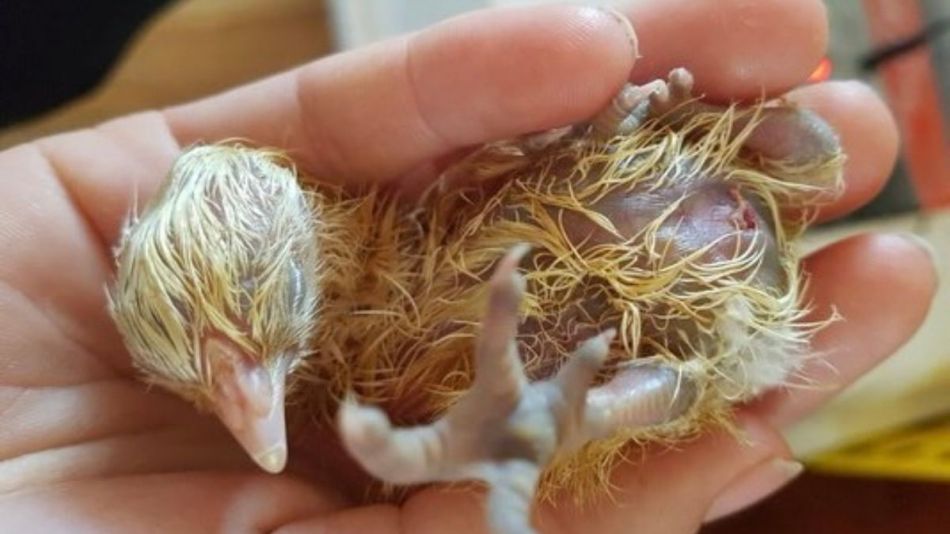
The growth of a chick begins in the small fertilized area at the top of the yolk. A network of blood vessels begins to develop spreading from the embryo out over the yolk. The yolk sac is attached to the chick’s navel and the chick draws nourishment from it, producing an enzyme that changes the yolk material so that it can be used as a food by the developing embryo. As the chick hatches any remaining unused yolk is drawn into the chick’s abdomen or navel. It will supply nourishment for the chick’s first few days after hatching. Occasionally issues involving the navel can turn deadly.
A routine sight in online chicken groups are threads about issues with chicks. You may have seen them: a newly hatched chick that just doesn’t look right – the navel may be red, crusty, or leaking. Maybe its abdomen is a little swollen and smells bad.
Omphalitis, also called mushy chick disease or yolk sac infection, is a common infection in young chicks. Bacteria can enter through the porous eggshell or shortly after a chick hatches. Normally, the navel seals and dries within 24 hours. If it doesn’t close cleanly, bacteria can enter, infecting the yolk sac and abdominal tissues.
Causes
The infection usually starts around hatch or immediately afterward. The main culprits are bacteria such as:
- Escherichia coli
- Staphylococcus aureus
- Proteus spp.
- Pseudomonas aeruginosa
- Salmonella spp.
These bacteria can come from:
- Dirty incubators or hatchers
- Contaminated eggshells (especially cracked or soiled ones)
- Unhygienic handling after hatch
- High humidity or poor ventilation delaying navel closure
- Chilling or overheating in the brooder, stressing the chick’s immune system
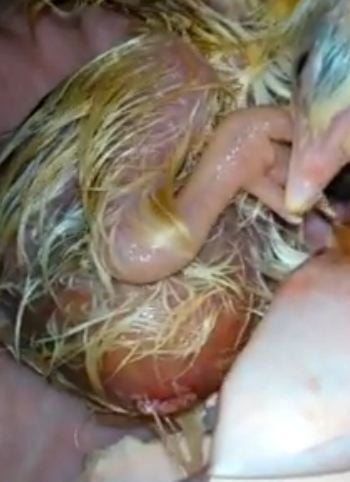
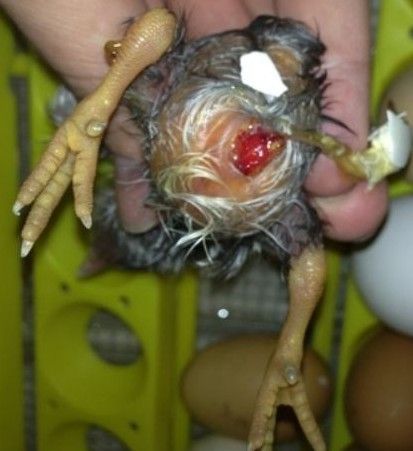
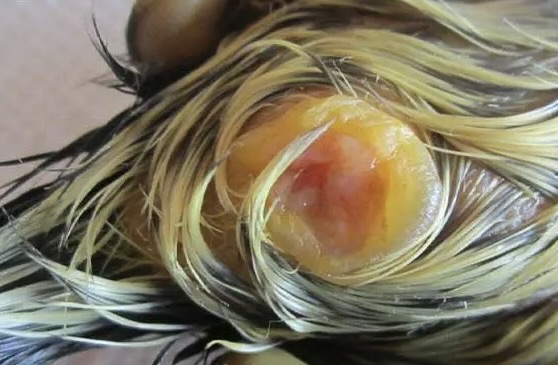
Photo credit: Sally Sunshine; Jahan Kaveh
Symptoms typically appear within the first week after hatch. Look for:
- Swollen, moist, or red navel area
- Unabsorbed yolk or protruding tissue at the umbilicus
- Foul smell
- Weakness, lethargy, reluctance to stand or eat
- Distended abdomen (mushy belly)
- Sudden deaths in very young chicks
When opened during necropsy, affected chicks often have cloudy or yellow yolk sacs and evidence of internal infection.
Risks
The yolk sac is the chick’s early-life nutrient reserve – it’s rich in fats and proteins, which also make it a perfect growth medium for bacteria. Once infection sets in, it spreads quickly through the bloodstream, leading to septicemia (blood poisoning). Mortality can range from 5 – 50% in affected batches, depending on hatchery hygiene.
Treatment
Treatment is difficult. Once omphalitis develops, antibiotics rarely save all affected chicks because the infection is deep in the yolk sac.
- Isolate sick chicks immediately.
- Provide warmth and hydration with electrolytes and vitamins.
- Consult a vet about appropriate antibiotics
- Humanely euthanize, if chicks are severely swollen, weak, or suffering as they seldom fully recover.
Prevention
- Start with clean eggs: Avoid setting dirty or cracked eggs in the incubator.
- Sanitize equipment: Wash and disinfect incubators, hatchers, and brooders before every batch. Use a mild disinfectant (like dilute chlorhexidine or hydrogen peroxide) to wipe down equipment between hatches.
- Maintain proper incubation conditions: ~37.5°C (99.5°F); 50-55% humidity for most of incubation, 65-70% for hatch; adequate air exchange
- Handle chicks with clean hands.
- Keep brooders dry and warm (32-35°C / 90-95°F for the first week).
- Avoid overcrowding: poor ventilation and piling increase stress and infection spread.
- Use a clean, absorbent bedding like paper towels for the first days before switching to shavings.
- Candle eggs gently – rough handling can damage the membrane and introduce bacteria.
- Discard any eggs that leak or smell bad before hatch day.
Omphalitis is mostly a management disease. With good sanitation and careful incubation, you can prevent nearly all cases. When chicks hatch with clean, dry navels and vigorous movement, that’s your best sign that the hatchery – or your own setup – is doing things right.
Citations
- Saif YM (ed). Diseases of Poultry, 14th ed. Wiley-Blackwell, 2020.
- Shivaprasad HL. “Bacterial infections in poultry: Omphalitis and yolk sac infections.” Avian Pathology. 2019.
- University of Georgia Poultry Diagnostic & Research Center. “Omphalitis (navel ill, mushy chick disease).” 2021.
- National Animal Disease Information Service (NADIS). “Omphalitis in chicks and poults.” 2020.
- Swayne DE. Poultry Health and Management: Prevention and Control of Hatchery Diseases. 2021.
“Where Science Meets The Brooder”


0 comments on “Omphalitis in Chicks: The Unhealed Navel Problem”