
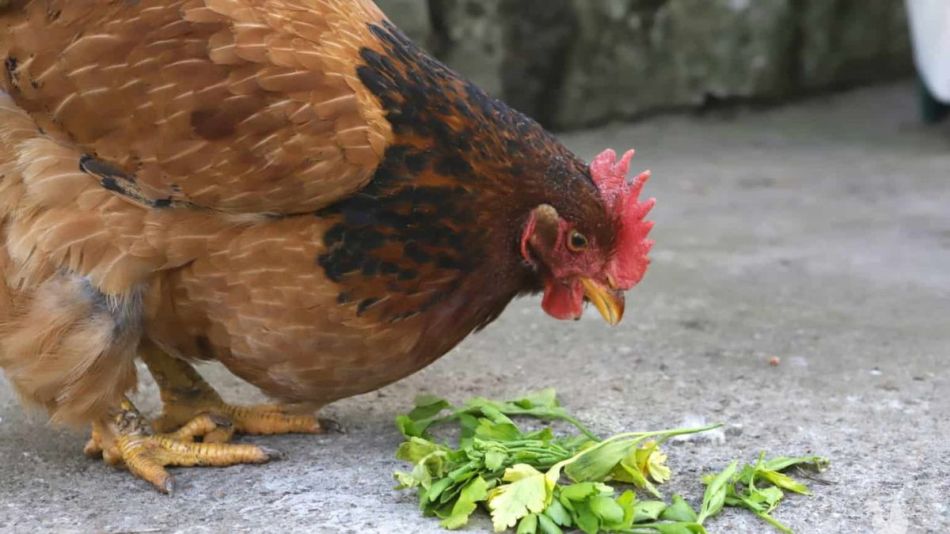
Some folks don’t like cilantro. I dislike parsley. Ironically my garden is home to ever-growing patches of parsley planted by the former owners over two decades ago. Despite my best efforts I’ve yet to remove what I consider an invasive. I will concede that parsley does have its place and this vigorous plant can bestow positive benefits.
Parsley isn’t just a garnish for your dinner plate – it’s a powerful little plant with a surprising range of therapeutic uses for chickens. Packed with vitamins, minerals, and antioxidants, parsley can support your flock’s overall health, help with detoxification, and even freshen up the coop air when grown nearby.
Nutritional Profile
Parsley is rich in vitamin K – essential for blood clotting and bone health – as well as vitamins A and C, which support immune function and tissue repair. It also contains folate, iron, and calcium, all of which contribute to healthy egg production and strong shells.
Detoxification and Liver Support
Parsley acts as a natural diuretic, helping the body eliminate excess fluids and toxins. For chickens, this can mean better kidney and liver function – particularly useful after illness, antibiotic treatment, or exposure to environmental stressors. The chlorophyll in parsley also helps neutralize toxins and may support recovery from minor infections or digestive upsets.
Respiratory and Immune Benefits
With its high vitamin C content and anti-inflammatory compounds like apigenin, parsley may boost a chicken’s immune defences. While it’s no replacement for veterinary care, supplementing parsley in feed during seasonal changes or after respiratory stress can help bolster the flock’s natural resilience.
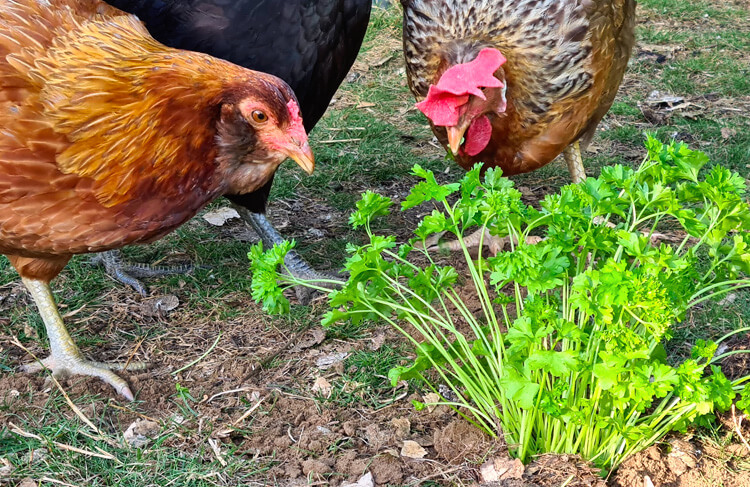
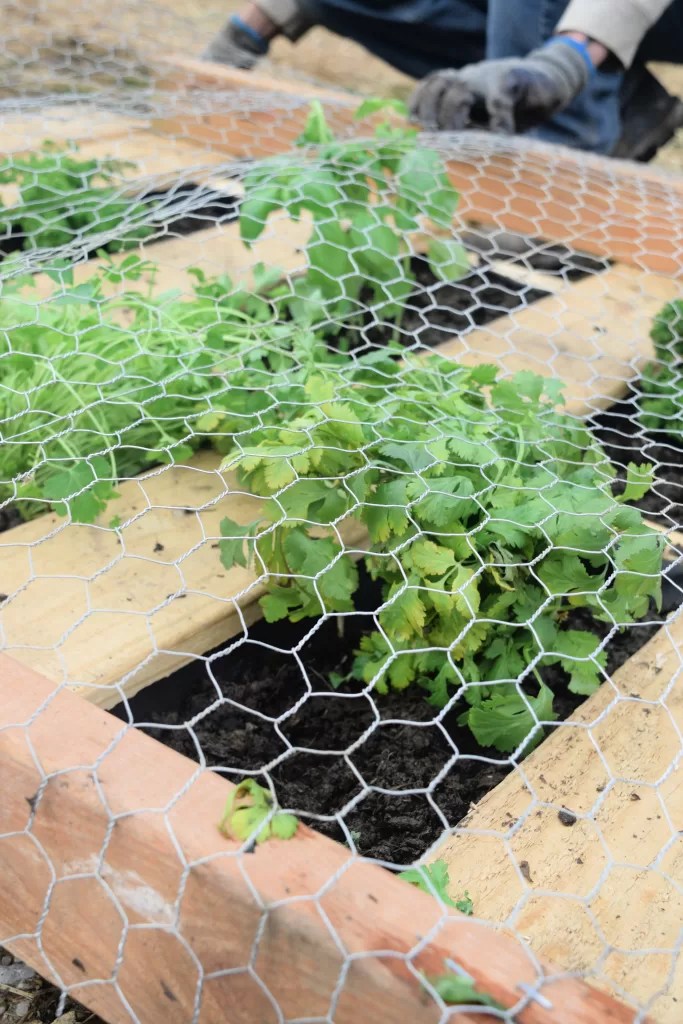
Photo credits: Chicken Fans; Indie’s Farm; Meyer Hatchery
Digestive Health
Parsley is mildly carminative – meaning it helps reduce gas and supports digestion. It can be beneficial for birds recovering from digestive disturbances or mild cases of sour crop. The fibre content aids in maintaining a balanced gut microbiome, especially when offered alongside probiotics or fermented feed.
Egg and Feather Quality
The vitamin A and folate in parsley support feather regrowth during molt and promote vibrant comb color – a sign of good circulation and overall vitality. Regular inclusion of parsley in the diet may also contribute to richer yolk pigmentation and improved shell strength.
How to Use Parsley
- Fresh chopped leaves: mix into feed or scatter as a treat.
- Dried flakes or powder: add small amounts to feed in winter when fresh greens are scarce.
- In the garden: parsley grows well in partial sun and can deter some pests while providing your hens with a living snack.
Avoid overfeeding – a small handful of fresh parsley for a small flock a few times a week is plenty.
Parsley may seem simple, but this common herb is a nutritional powerhouse that supports many aspects of chicken health. Whether you grow it in a pot by the coop or toss a bunch into the run, your flock will thank you for the green goodness.
Citations:
- Duke, J.A. (2002). Handbook of Medicinal Herbs (2nd ed.). CRC Press.
- NRC (National Research Council). (1994). Nutrient Requirements of Poultry: Ninth Revised Edition. National Academies Press.
- Tapsell, L.C. et al. (2006). Health benefits of herbs and spices: The past, the present, the future. Medical Journal of Australia, 185(4), S4–S24.
- Craig, W.J. (1999). Health-promoting properties of common herbs. American Journal of Clinical Nutrition, 70(3 Suppl), 491S–499S.
Featured photo credit: Tom Marlowe
“Practical science for chicken keepers who care.”


Just happened upon this site and wow, I love it. Great job….
LikeLike
Thanks for the feedback. If you interested in this post check out the others in the ‘Natural Remedy’ and ‘Superfood’ series. You can find them by typing those words into the ‘search’ box on my homepage.
LikeLike