
I’m an educator by trade, experienced with curriculum development and public speaking. I’ve learned over the years that as much as I know about a subject I’m by no means an expert. I’m always looking for ways to learn more and to be better at what I do. When I started blogging about chickens I’d already had birds for almost a decade but I still wanted to explore the world of poultry keeping.
When the Covid-19 shutdown first hit I had more time on my hands since I was able to work from home. In addition to writing full length science-based articles for this blog, I started posting small snippets of information on my Facebook page, a platform more appropriate for folks scrolling through competing sites.
These posts consisted of short stories, photos of health issues and quizzes. I stumbled across my ‘minis’ file recently and thought I would post some of them here.
Feathers are made of keratin, which contains amino acids such as cysteine, lysine, proline and methionine. It’s the same material that comprises fingernails, claws, beaks, spurs and hair.
When the feathers start growing they are tightly rolled and look like pins sticking out of the chicken’s skin. They’re covered with a thin, white coating that falls off or is groomed off by preening. When the cover comes off, the feather expands to its full length and the vein dries up.
As the new feather, also called a blood or pin feather, emerges from the skin’s feather follicle, it looks like a spiky quill. Unlike mature feathers, developing ones have a vein in the shaft with a blood supply flowing through it. At this stage, if the pinfeather is damaged, it can bleed profusely.
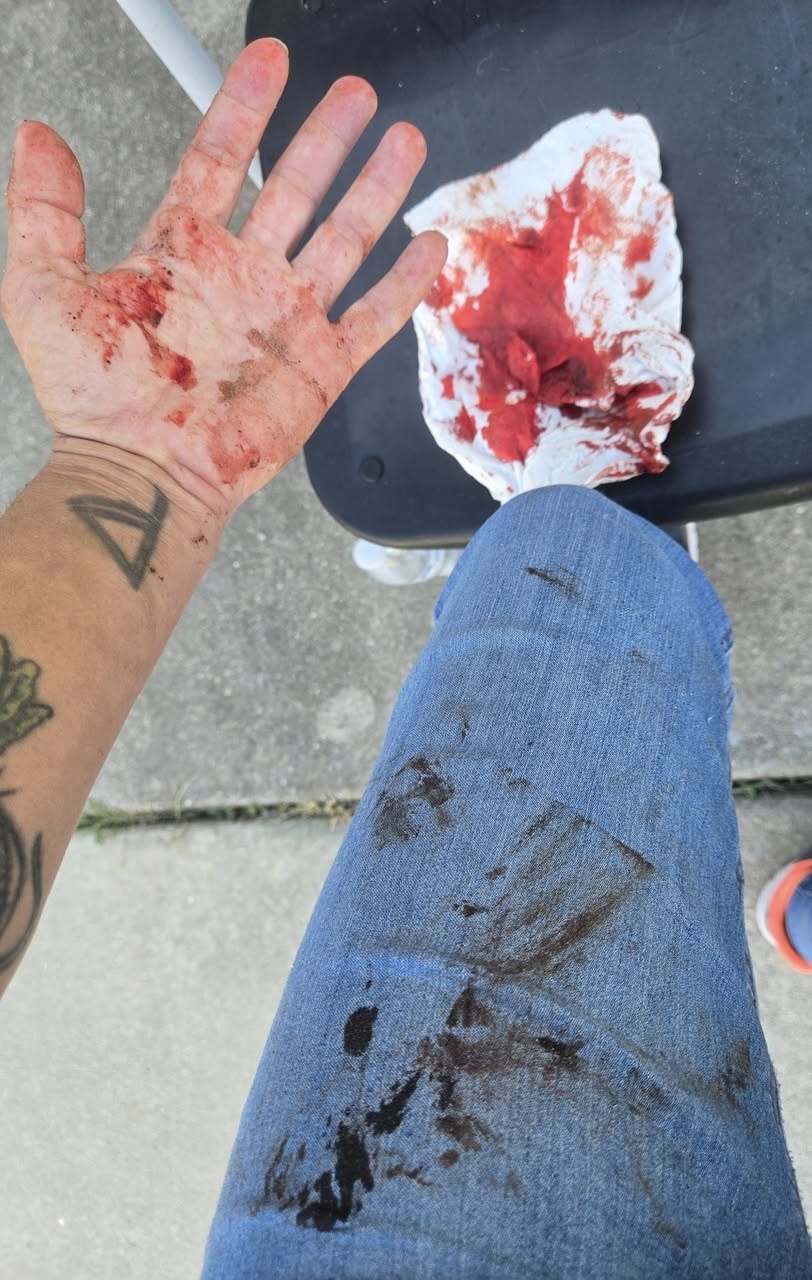
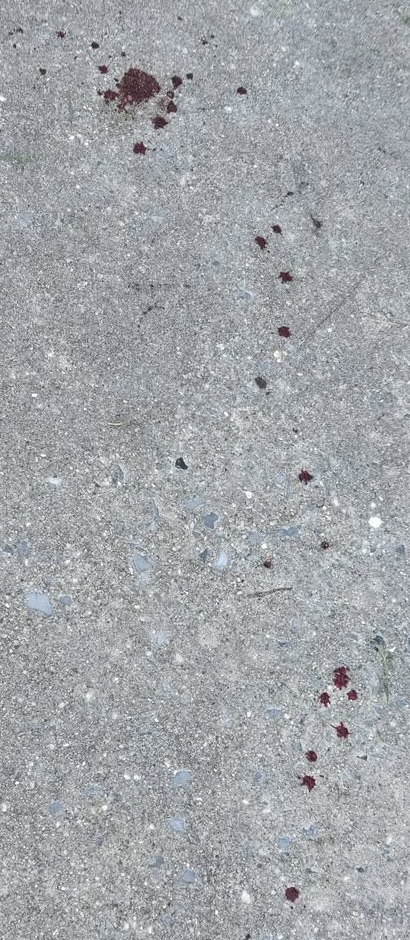
Photo credit: Karlee Deterding
Ever wonder why chickens eat feathers?
Two reasons: feathers are mainly made out of keratin, which is a good source of protein; and feathers are a great source of vitamin A.
If you’ve got a problem with feather picking it could be boredom, stress or the need for more protein in their diet.
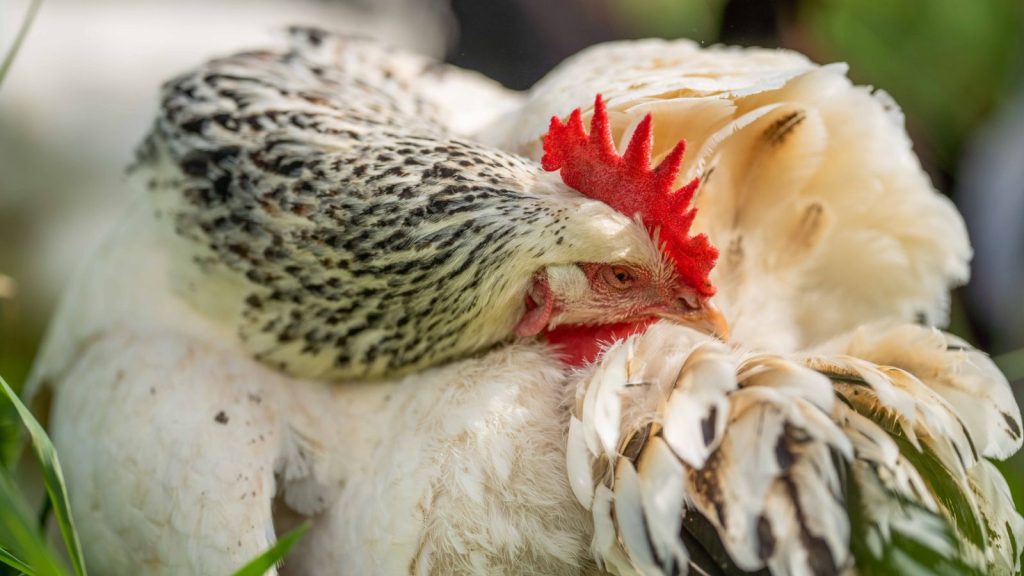
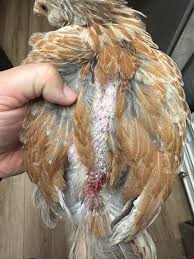
Photo credits: Homestead How-To; Unknown
As we move into fall we see more shed feathers in our coops and runs – a sure sign that our birds are moulting.
Here are some tips for helping them through it:
•Reduce stress (e.g. very hot or cold weather, food or water deprivation, flock conflict, bullying, integrating new members to the flock)
•Feathers consist of 85% protein, so we’ll need to boost their protein intake to help with them through it.
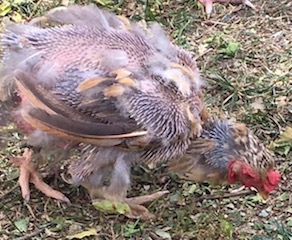
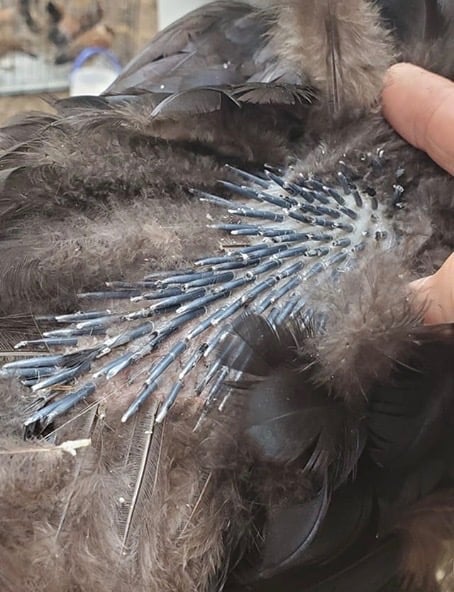
Photo credits: Janis Bernd; Linda Hornby
•Feed them any of the following: eggs: either scrambled or chopped, hard-boiled; meat: chickens are omnivores and do like meat (including chicken and turkey); fish (if canned, then no salt); canned cat food; pumpkin seeds; sprouted lentils; sunflower seeds; oats (if you’re feeling generous make them porridge. Don’t use quick oats that contain salt or sugar)
•Avoid handling your birds – the new feathers are painful.
•Don’t be impatient and think of your birds as ‘slackers’ if they are taking a break. Relax, let nature takes it’s course. Things will be back on track soon enough.
If you’ve ever had an ingrown hair you’ll remember that it’s a hair that instead of growing normally, curls back into the skin forming a small irritated bump. Think of feather follicle cysts as being the bird equivalent involving feathers instead of hair and because feathers are so much larger than hair so are the resulting cysts.
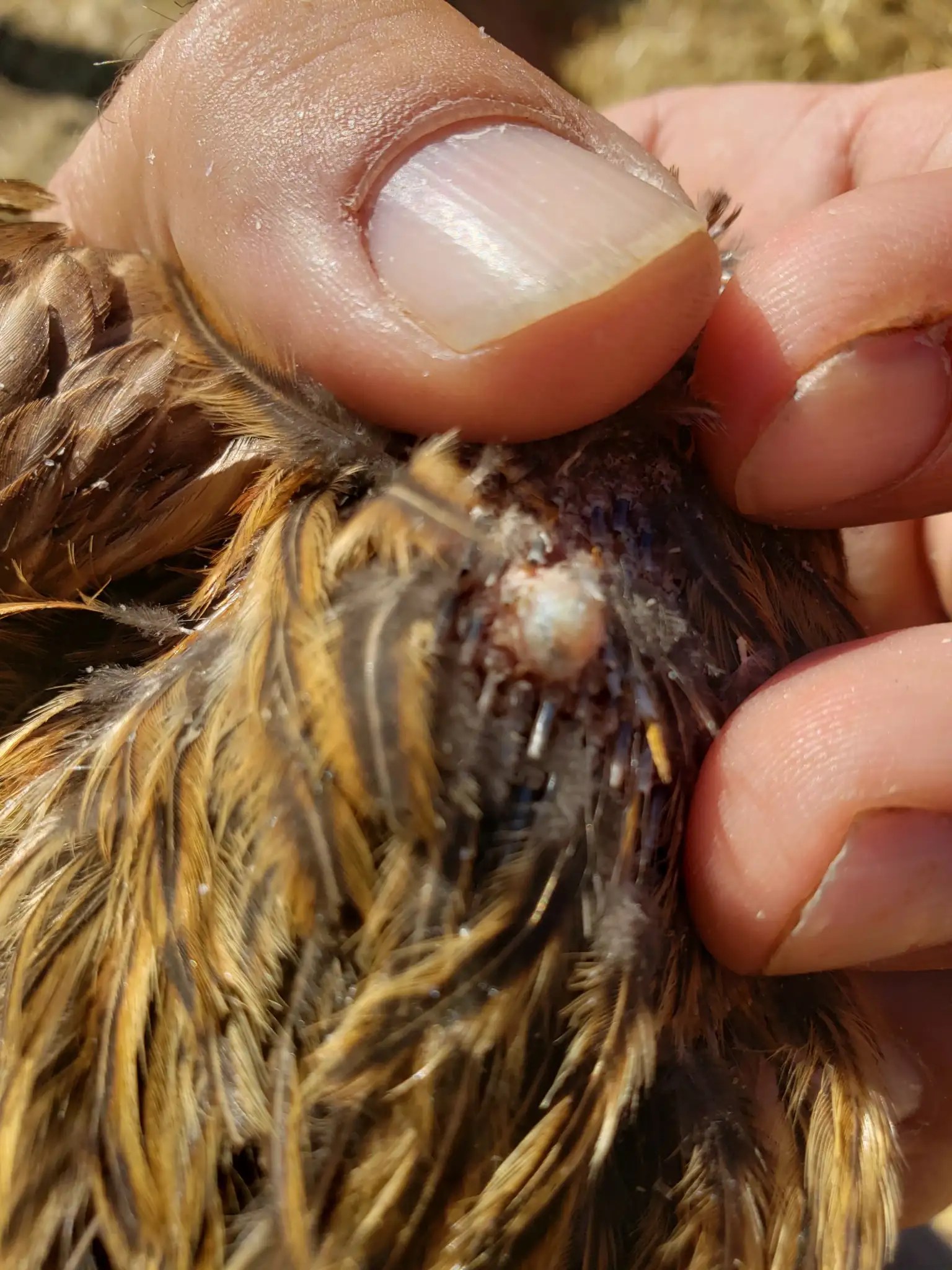
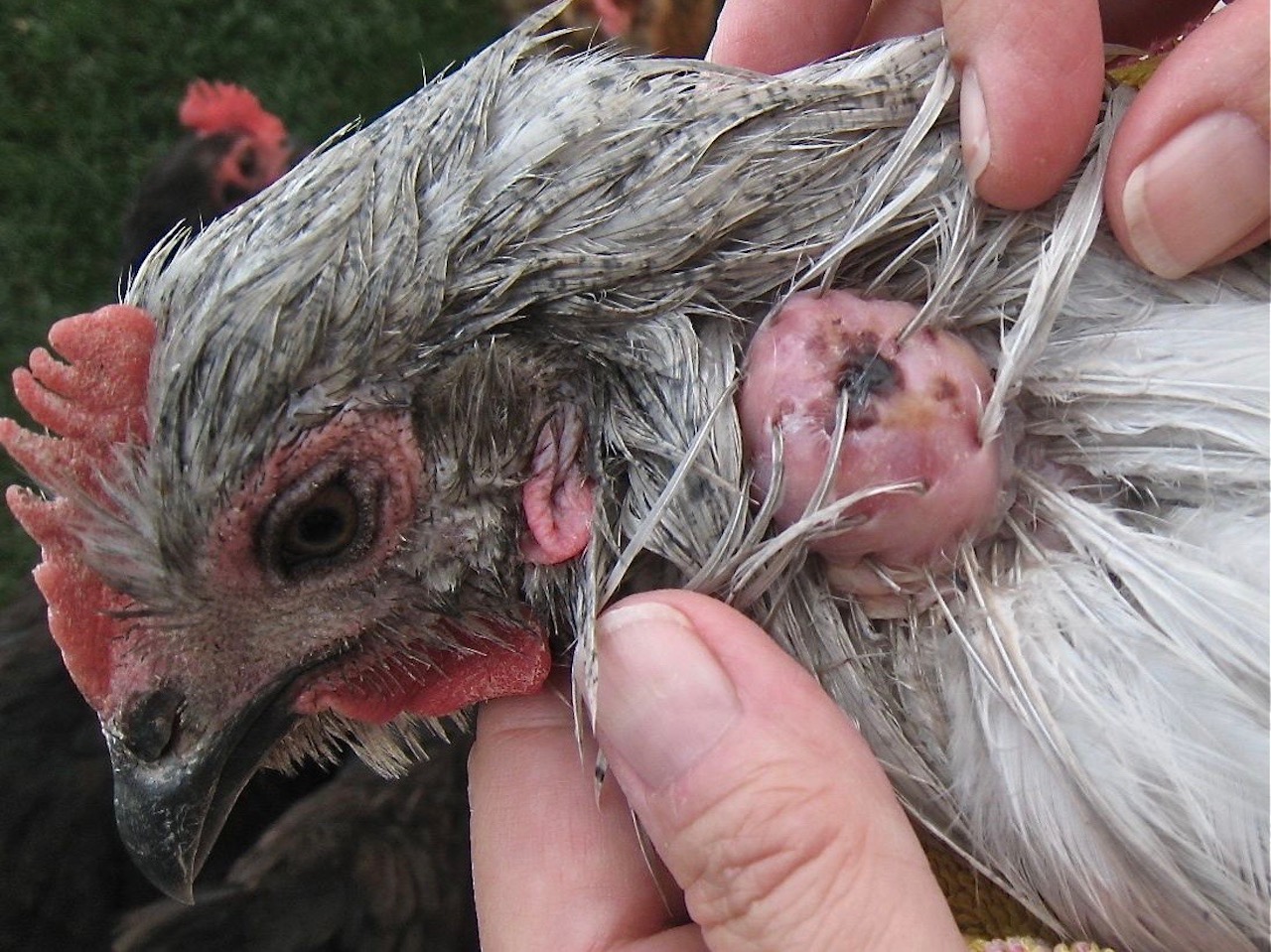
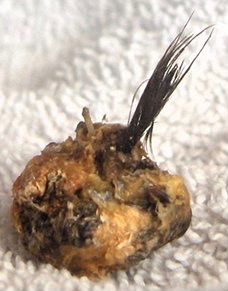
Photo credits: Mansur Ward; BYC; Sloman O’Driscoll
Follicle cysts are oval or elongated nodules, lumps or masses which contain an accumulation of yellow-whitish keratin. They can develop as a result of infection, genetics, previous damage to the feather or any condition that interferes with normal feather growth. Silkies have a genetic predisposition to developing feather follicle cysts due to their unique feathering.
“Where nerds and hens flock together.”


0 comments on “Fun Facts About Chickens 3”