
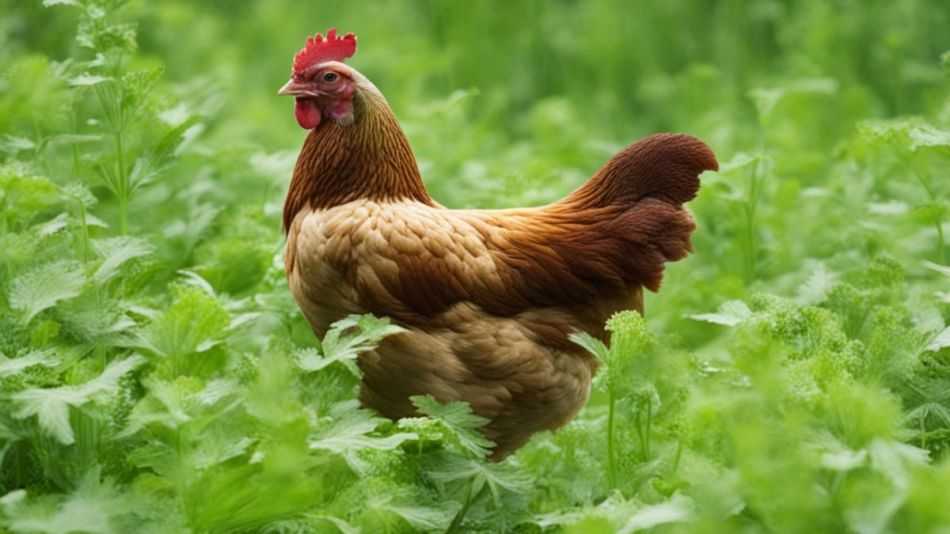
Lovage (Levisticum officinale) is one of those old-world herbs that never quite got the fame it deserves. Known for its celery-like flavour and impressive medicinal profile, this hardy perennial has been used in traditional human and veterinary medicine for centuries. Recently, it’s been finding its way into herbal poultry care as well.
Lovage is a tall, aromatic herb in the Apiaceae family and is related to celery, parsley and dill. Its leaves, seeds, and roots are all rich in essential oils and phytonutrients. The plant’s compounds include coumarins, phthalides, polyacetylenes and volatile oils, many of which have demonstrated anti-inflammatory, antimicrobial, and diuretic properties.
Benefits For Chickens
While formal studies on lovage use in poultry are limited, evidence from herbal medicine, along with anecdotal use by chicken keepers, suggests several potential benefits:
- Respiratory support: Lovage has expectorant properties that can help clear the respiratory tract. It’s sometimes used in herbal blends to support chickens during times of respiratory stress, such as dusty conditions or mild respiratory irritation.
- Digestive aid: The herb stimulates appetite and digestive enzyme secretion. It may help improve feed utilization, prevent mild indigestion, and reduce bloating or sour crop tendencies in chickens.
- Mild diuretic and detoxifying effects: Lovage supports kidney and urinary tract function, helping the body flush toxins more efficiently. In poultry, this may support overall metabolic health and reduce edema (fluid retention).
- Antimicrobial activity: The essential oils in lovage have shown inhibitory effects against bacteria such as E. coli and Staphylococcus aureus in laboratory studies. This suggests a potential role in maintaining a healthier gut microbiome and reducing pathogenic bacterial load.
- Anti-inflammatory and antioxidant properties: Phytochemicals in lovage may help reduce oxidative stress and inflammation – especially useful during recovery from illness or after stressful events like moulting, transport, or predator scares.
How to Use Lovage for Chickens
Lovage can be offered in several safe, simple ways:
- Fresh leaves: Chop and mix a few leaves into feed or scatter them as forage. Chickens often enjoy the taste, though it’s strong and aromatic.
- Dried herb: Add small amounts (around 1-2% of total feed weight) into herbal feed mixes or nesting box blends.
- Tea or infusion: Steep dried leaves or roots in hot water, cool, and add to drinking water for short periods – useful during times of mild respiratory or digestive stress.
- Powder or tincture: For more controlled dosing, these forms can be used, but herbal extracts should be used cautiously and diluted, especially if alcohol-based.
Precautions
Like most potent herbs, moderation is key. Lovage should not be used in excess or as a daily additive long-term. It’s contraindicated in cases of kidney inflammation or dehydration, and excessive amounts could potentially irritate the kidneys or increase photosensitivity. Always introduce new herbs gradually and observe your flock’s response.
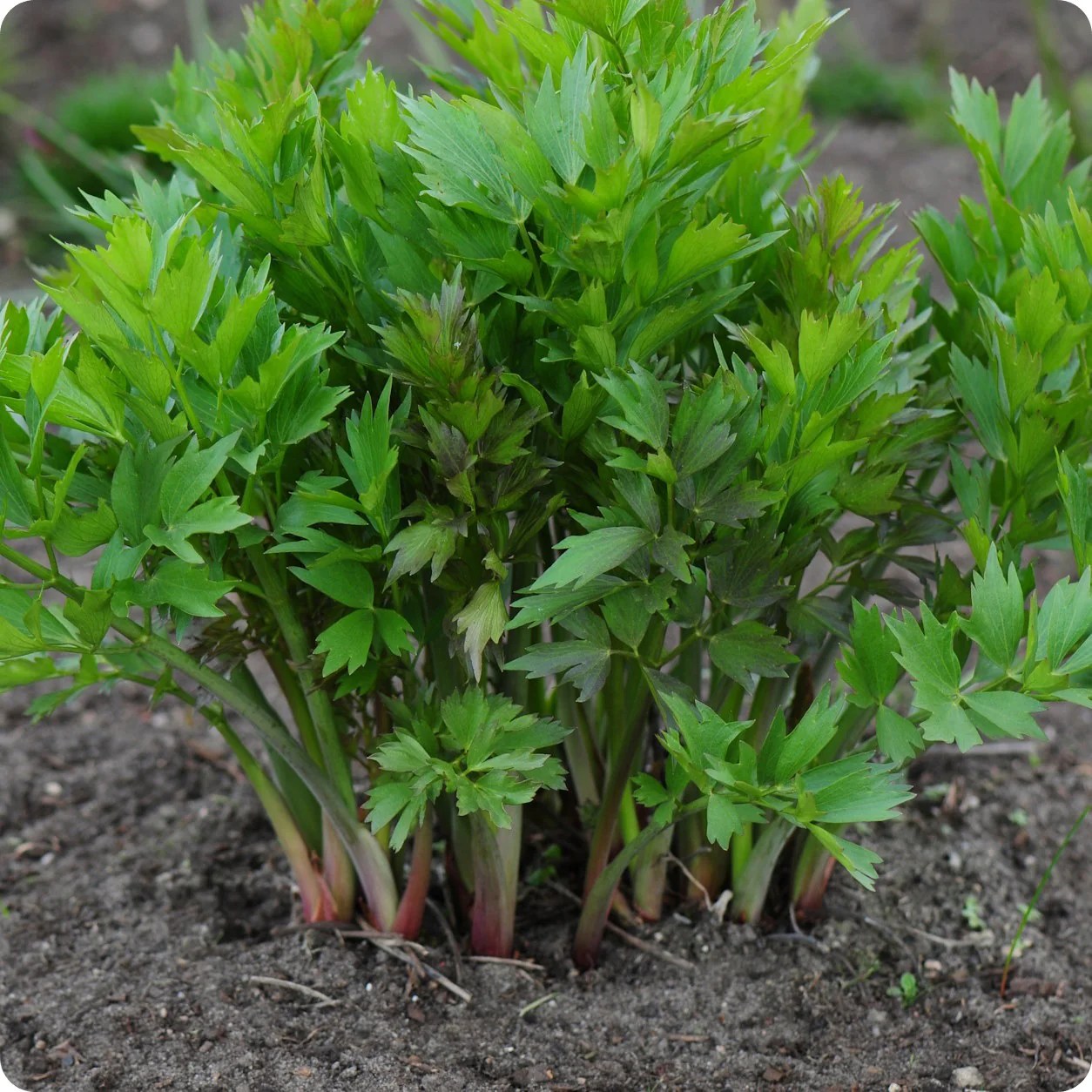
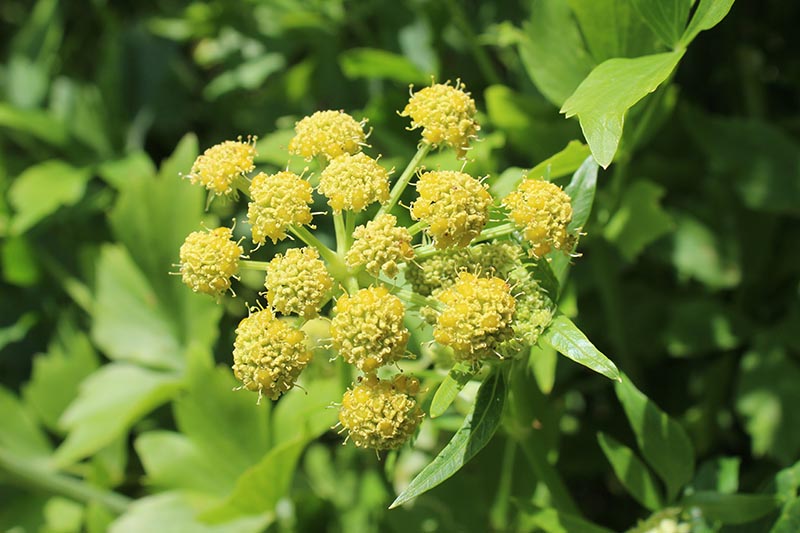
Photo credits: Incredible Seed Company; Gardener’s Path
How To Grow Lovage For Chickens
If you’ve got a bit of garden space, growing lovage is one of the easiest ways to keep a fresh, sustainable supply of this useful herb.
- Planting: Lovage prefers full sun to partial shade and rich, well-drained soil. It’s a perennial that grows up to 6 feet tall, so give it plenty of space.
- Watering: Keep soil evenly moist, especially during the first year, but avoid soggy conditions.
- Harvesting: Begin harvesting leaves once the plant reaches about a foot tall. Cut leaves regularly to encourage bushier growth. The roots can be harvested in fall of the second or third year for medicinal use.
- Preserving: Leaves can be dried for winter use or frozen in small bundles. Dried lovage retains much of its aromatic quality and potency.
- Foraging Tip: Chickens can nibble on fresh lovage leaves directly in the garden – just be sure not to let them destroy the whole plant.
Lovage is a long-lived, low-maintenance herb that keeps on giving. Once established, it’s a reliable and fragrant ally for both your kitchen and your coop.
Lovage is a robust, multi-purpose herb that fits well in an herbal approach to poultry care. While more controlled studies are needed to fully understand its effects in chickens, traditional use and preliminary research suggest that lovage offers supportive benefits for the respiratory, digestive, and urinary systems – making it a valuable addition to a natural flock health toolkit.
Citations:
- Gruenwald, J., Brendler, T., & Jaenicke, C. (2000). PDR for Herbal Medicines (2nd ed.). Thomson Healthcare.
- European Medicines Agency (EMA). (2018). Assessment report on Levisticum officinale Koch, radix.EMA/HMPC/588794/2016.
- Duke, J. A. (2002). Handbook of Medicinal Herbs (2nd ed.). CRC Press.
- Wichtl, M. (2004). Herbal Drugs and Phytopharmaceuticals: A Handbook for Practice on a Scientific Basis (3rd ed.). Medpharm Scientific Publishers.
- Khan, A. M., et al. (2019). “Phytochemical analysis and antibacterial activity of Levisticum officinale.” Journal of Medicinal Plants Research, 13(8), 162–168.
- Windisch, W., et al. (2008). “Use of phytogenic products as feed additives for swine and poultry.” Journal of Animal Science, 86(14_suppl), E140–E148.
“Practical science for chicken keepers who care.”


0 comments on “Natural Remedy For Chickens: Lovage”