

A few years ago, I took a two- week Permaculture Design course and the main beverage we were offered was green tea. I have to admit I’m not much of a tea drinker and don’t find green tea cuts it when compared to coffee. That said, I know there are health benefits in various teas for people associated with well as chickens.
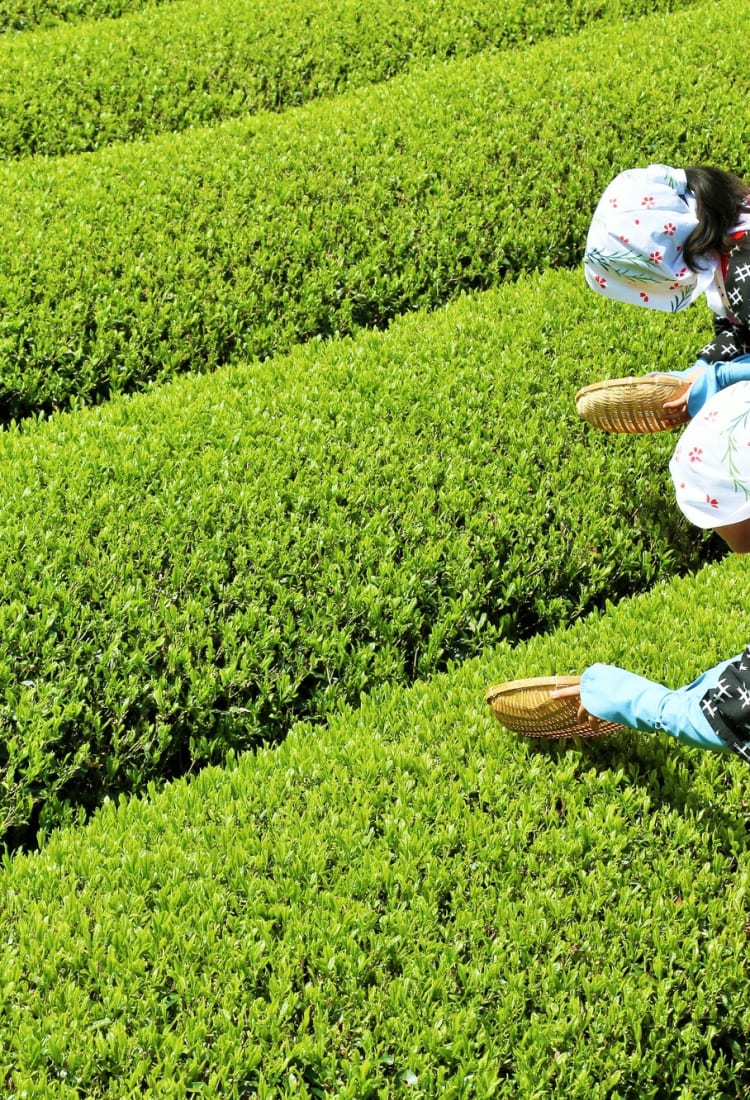
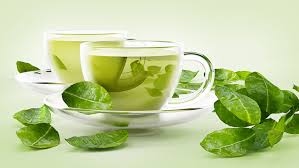
Green tea might seem like an unlikely addition to the coop, but this ancient beverage-rich in antioxidants and gentle stimulants has drawn growing attention in poultry science for its health-promoting effects. From supporting immunity to improving gut health and even enhancing egg quality, green tea can be a surprisingly valuable supplement when used correctly.
What’s in Green Tea That Helps Chickens?
Green tea (Camellia sinensis) is packed with polyphenols, especially catechins like epigallocatechin gallate (EGCG) as well as caffeine, vitamins, and minerals. These compounds provide:
- Antioxidant protection: Catechins scavenge harmful free radicals, reducing oxidative stress that contributes to tissue damage and aging in poultry.
- Antimicrobial properties: Green tea extract can inhibit harmful bacteria such as E. coli, Salmonella, and Clostridium perfringens, supporting overall gut health.
- Anti-inflammatory effects: Regular supplementation may lower inflammatory markers in chickens exposed to environmental or infectious stressors.
- Immune system support: The polyphenols and amino acid L-theanine have been shown to enhance both cellular and humoral immunity in birds.
Potential Benefits For Chickens
Research in poultry production and small-scale flocks has found several noteworthy effects of green tea inclusion:
- Improved feed conversion and growth: The antioxidant and antimicrobial actions can lead to more efficient digestion and nutrient absorption.
- Enhanced egg quality: Some studies note thicker eggshells, improved yolk colour, and higher antioxidant content in eggs laid by hens given green tea–supplemented water.
- Reduced heat stress effects: Green tea’s antioxidants may mitigate the oxidative stress and dehydration commonly seen in hot weather.
- Better overall flock health: Its mild antibacterial activity can help maintain cleaner digestive tracts, lowering the risk of subclinical infections.
How To Use Green Tea For Chickens
For backyard chicken keepers, green tea is most easily used as a water additive or feed supplement:
- As a tea: Brew 1–2 green tea bags in 1 litre of hot water, let it cool, and replace a portion of the chickens’ daily drinking water (no more than 25–30% of total intake).
- As a powder: Mix 0.5–1% green tea powder into feed to deliver a consistent dose of antioxidants.
Avoid sweeteners or flavoured teas, and always ensure fresh water is available alongside the treated option.
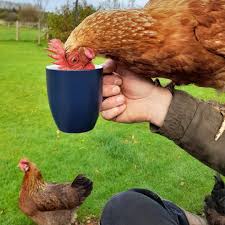
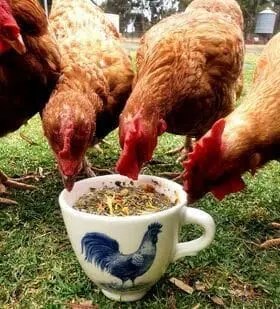
Photo credits: The British Hen Welfare Trust; The Good Life Backyard
Potential Drawbacks And Considerations
While generally safe, green tea should be used thoughtfully:
- Caffeine sensitivity: Chickens are more sensitive to caffeine than humans; excessive consumption can cause restlessness, dehydration, or reduced egg production. Stick with low to moderate doses.
- Bitterness: Strong tea may discourage water intake – start mild and observe your flocks’ response.
- Oxalate content: Over time, excessive tea use could contribute to calcium binding, though this risk is minimal with small doses.
Green tea isn’t just a trendy tonic- it’s a natural, science-backed supplement that can help chickens cope with oxidative stress, infection, and environmental challenges. Used moderately, it’s an easy and inexpensive way to boost your flock’s resilience and egg quality.
Just remember: more isn’t always better. Keep doses light, rotate herbal supports, and watch your birds for feedback – they’ll tell you if your brew is hitting the sweet spot.
Citations
- Yang, C. J., & Kim, J. H. (2011). Effects of green tea by-products on growth performance, meat quality, and immune response in broilers. Asian-Australasian Journal of Animal Sciences, 24(5), 718–724.
- Abdel-Rahman, M. A. et al. (2017). Dietary green tea extract improves performance, antioxidant status, and immune response of broiler chickens. Animal Feed Science and Technology, 232, 173–182.
- Biswas, M. A. H. et al. (2012). Effects of green tea and neem leaf powder supplementation on broiler growth performance and meat oxidative stability. Journal of Poultry Science, 49(1), 50–56.
- Liu, H. et al. (2018). Green tea polyphenols alleviate heat stress–induced oxidative damage in laying hens. Poultry Science, 97(2), 872–880.
Featured photo credit: Mark Klotz
“Practical science for chicken keepers who care.”


0 comments on “Natural Remedy For Chickens: Green Tea”