
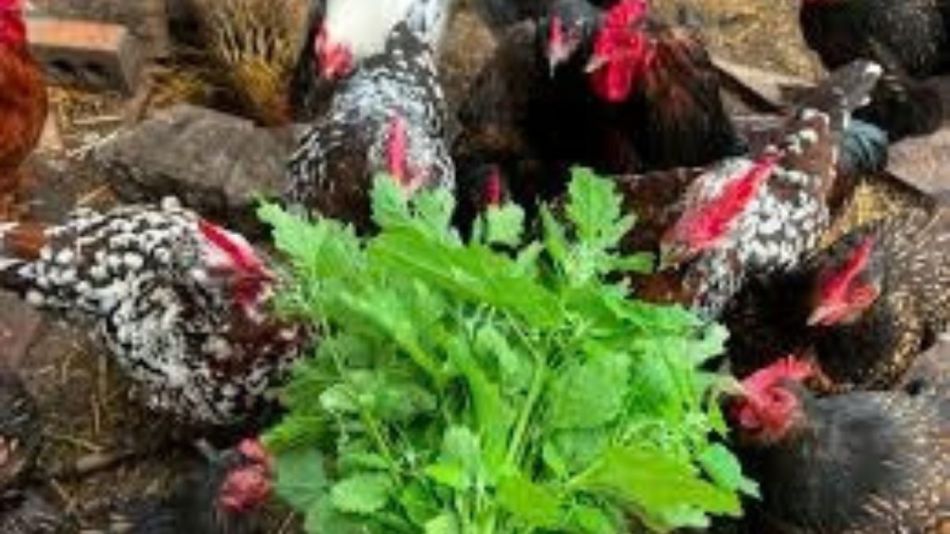
I’ve fed my chickens all kinds of seeds: sunflower, pumpkin, squash, sesame and chia. I was recently given some mustard seeds and wondered if they might be an interesting treat for my flock. A simple question became a trip down the rabbit hole to find the answer.
Mustard seeds are tiny, pungent, and interesting from a chicken-nutrition perspective. If your hens happily scratch through the garden, they may encounter mustard plants or seeds from time to time and you might have wondered whether mustard seeds are a healthy treat or something best kept out of the coop. The short answer: mustard seeds can be fed to chickens in small amounts, but they should be an occasional treat rather than a significant part of the diet. The main reason is a group of naturally occurring plant compounds called glucosinolates.
What’s In Mustard Seed?
Mustard belongs to the Brassicaceae family, which also includes broccoli, cabbage, kale, Brussel sprouts and canola. The seeds contain protein, oil, minerals, and other plant compounds. Different mustard species and varieties can have very different chemical profiles, particularly when it comes to glucosinolates. Brown or Indian mustard (Brassica juncea), for example, can contain substantial amounts of these compounds. Concentrations vary with genetics, growing conditions, and processing. Although they are nutritionally interesting, but that doesn’t make them a replacement for a balanced poultry ration.
Potential Benefits
Nutrients: Mustard seeds are concentrated plant foods. Research examining Brassica juncea mustard meal has demonstrated substantial protein and useful energy content. In one study of low-glucosinolate mustard meals, the meals contained approximately 46% crude protein on a dry-matter basis and provided useful metabolizable energy and digestible protein for broiler chickens.
There’s an important caveat: mustard meal is not the same thing as whole mustard seed. Much of the oil has been removed from meal, so these numbers shouldn’t be used as the nutritional composition of seeds you feed your backyard flock. The research does, however, demonstrate that mustard-derived ingredients can contain valuable nutrients.
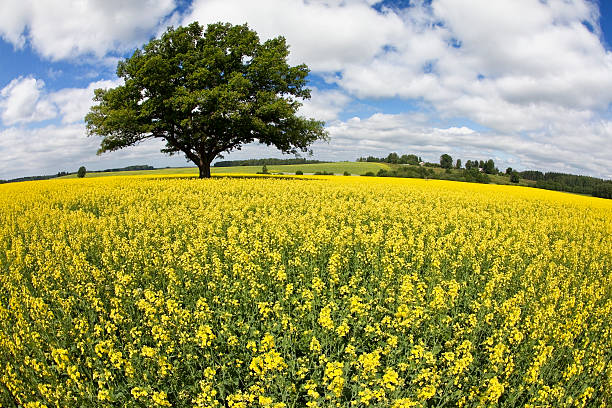
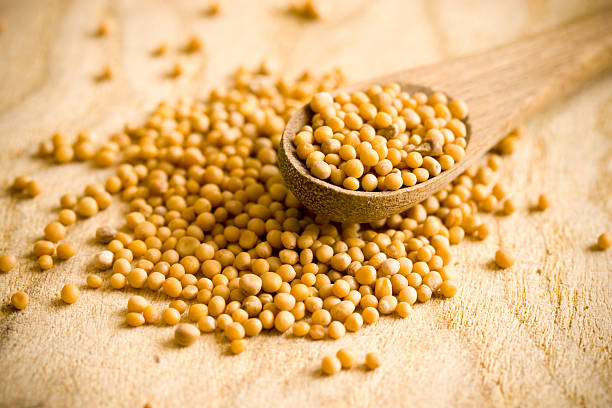
Photo credit: iStock
Contain Biologically Active Compounds
Glucosinolates are among mustard’s best-known compounds. When seeds are chewed or damaged, enzymes can break glucosinolates down into compounds that contribute to mustard’s characteristic sharp flavor. Some of these breakdown products have demonstrated antimicrobial and antioxidant activity in laboratory and animal research. This has led researchers to investigate mustard-derived compounds as potential tools in poultry nutrition.
Biologically active doesn’t automatically mean beneficial at every dose. The amount consumed matters.
Contribute To Varied Diet
For backyard chickens, food isn’t only about calories and protein. Scattering a small amount of appropriate seed can encourage scratching behaviours and pecking, giving chickens an opportunity to engage in natural foraging behaviours. There’s limited research specifically demonstrating that mustard seeds improve chicken welfare compared with other enrichment foods, though, so this should be considered a possible enrichment benefit, not a proven health effect.
The Big Issue: Glucosinolates
This is where mustard gets complicated. Glucosinolates aren’t automatically harmful. However, when present at sufficiently high concentrations, their breakdown products can interfere with nutrition and physiology. In poultry, high-glucosinolate Brassica feed ingredients have been associated with reduced feed intake and other undesirable effects. Some glucosinolate breakdown products can interfere with iodine utilization and thyroid function. At sufficiently high exposure, effects can include thyroid enlargement and changes in thyroid hormone levels.
Mustard can be particularly relevant because some varieties contain considerably more glucosinolates than modern low-glucosinolate canola varieties. Research comparing B. juncea mustard meals with canola-related meals has found substantially higher glucosinolate concentrations in mustard meals. At the same time, researchers have developed and studied low-glucosinolate mustard cultivars, demonstrating how much variety can matter.
Does that mean mustard seeds are poisonous? No, not in the simple sense that a few seeds are toxic. The concern is primarily about dose, glucosinolate concentration, and how much mustard makes up the overall diet.
Research involving mustard meal often uses much higher dietary exposures than the occasional small amount of whole seed given to backyard chickens. We therefore shouldn’t assume that feeding a few seeds produces the same effects seen in experimental high-mustard diets. But the reverse is also true: the fact that small amounts may be tolerated doesn’t mean unlimited mustard is safe. That’s why moderation is important.
Mustard Seed vs. Mustard Meal
This distinction is important because whole mustard seed contains its natural oil and other components. Mustard meal is what remains after much of the oil has been extracted. Depending on the variety and processing method, its nutritional and glucosinolate profile can differ considerably from whole seed. Scientists have investigated mustard meal as a poultry-feed ingredient, including low-glucosinolate B. juncea meal. Some studies have found useful nutritional value, while others demonstrate that higher glucosinolate concentrations can negatively affect poultry performance.
If you read online advice recommending a particular percentage of mustard meal, don’t automatically apply that number to whole mustard seeds. They’re not interchangeable.
What About Egg-Laying Hens?
Laying hens deserve particular consideration because they may consume the same diet for months or years. Research involving glucosinolate-rich Brassica ingredients has raised concerns about effects on feed intake, nutrient utilization, thyroid physiology, and poultry performance at sufficiently high exposure.
Studies have also reported adverse effects in laying hens fed high-glucosinolate rapeseed meals. That doesn’t mean a hen that grabs a few mustard seeds from the garden is in danger. It does mean mustard shouldn’t become a major component of a layer’s diet unless its composition is known and the ration has been appropriately formulated.
How Much Mustard Seed Can Chickens Eat?
There isn’t a universally established scientific safe number of mustard seeds per chicken per day. Mustard species and varieties differ in glucosinolate content, while research studies generally examine formulated diets or mustard meal at defined inclusion rates rather than a few whole seeds offered as treats. Don’t treat a specific tablespoon-per-hen number as a scientifically established safety limit.
A sensible backyard approach is:
- Treat mustard seeds in the occasional-treat category.
- Offer small quantities rather than making them a substantial portion of the diet.
- Never replace balanced layer, grower, or chick feed with mustard seeds.
- Introduce new treats gradually.
- Stop offering them if birds develop digestive upset or noticeably reduce their normal feed consumption.
- Be especially cautious with chicks and growing birds.
- Avoid feeding large quantities of mustard seed or mustard meal without knowing its composition.
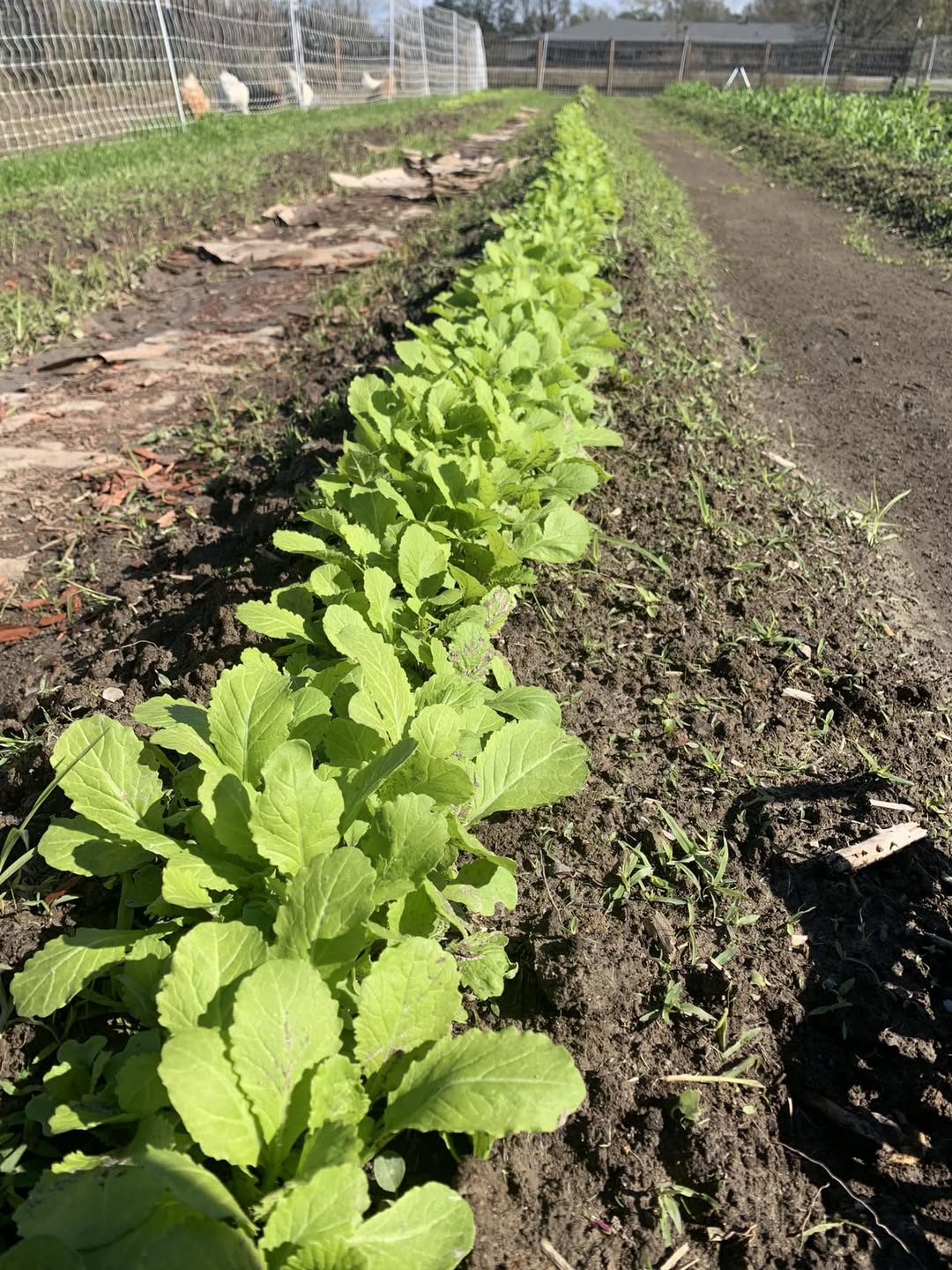
What About Mustard Greens?
The Benefits
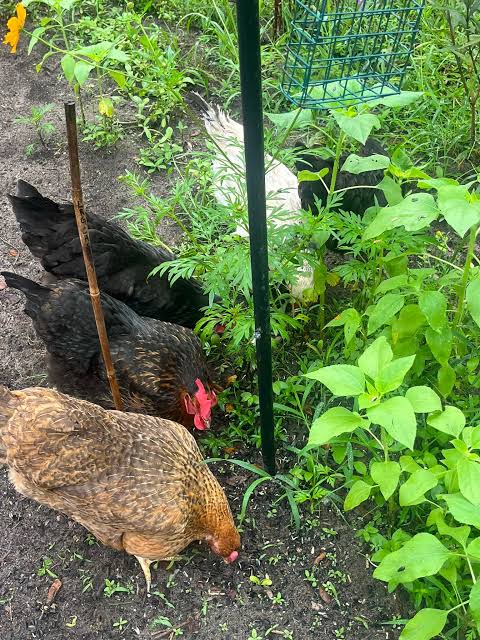
Like other leafy vegetables, they can add variety to a chicken’s diet while providing nutrients such as vitamin C, vitamin K, folate, and minerals. For backyard chickens, greens also offer something a little less measurable: foraging enrichment. Tossing chopped mustard greens into the run gives your flock something interesting to peck, scratch, and investigate.
Think of mustard greens as a supplement to a balanced poultry ration, not a replacement for it.
What About The Risks?
Mustard greens contain naturally occurring compounds called glucosinolates, which are characteristic of Brassica plants. At sufficiently high dietary levels, glucosinolates and their breakdown products can reduce feed intake and interfere with aspects of metabolism in poultry. That doesn’t mean your chickens need to avoid mustard greens. Research on Brassica juncea (Indian mustard) has found that low-glucosinolate mustard products can be used successfully in poultry diets, while other research shows that higher glucosinolate exposure can have negative effects.
The practical takeaway is simple: a little is very different from a diet dominated by mustard greens. Keep treats – including mustard greens – as a modest part of the overall diet. Fresh mustard greens can be a nutritious, entertaining treat for chickens..
What About Mustard Powder or Prepared Mustard?
There’s little reason to give chickens prepared human mustard, which can contain salt, vinegar, sugar, spices, preservatives, and other ingredients that offer chickens little nutritional benefit. Mustard powder is also more concentrated and isn’t necessary as a chicken treat.
If you want to experiment with mustard for enrichment, plain whole seed or green are the simplest choice and even then, keep the quantity modest. Mustard isn’t a miracle chicken supplement, but neither are they something that needs to be treated as inherently poisonous. Their nutritional value comes with a caveat: they contain glucosinolates, and concentrations can vary substantially among mustard types. At high dietary exposure, glucosinolate breakdown products can interfere with nutrient utilization, iodine metabolism, thyroid function, feed intake, and poultry performance.
Research on low-glucosinolate Brassica juncea also demonstrates that mustard-derived feed ingredients can have useful nutritional properties when appropriately processed and incorporated into a formulated poultry diet.
For the backyard flock, the practical takeaway is simple: Mustard as an occasional treat is a very different proposition from feeding it as a regular part of the diet. Give your chickens a nutritionally complete base feed, let treats remain treats, and don’t assume that because something is natural, more of it must be better.
References
Newkirk, R. W., Classen, H. L., & Tyler, R. T. (1997). “Nutritional evaluation of low glucosinolate mustard meals (Brassica juncea) in broiler diets.” Poultry Science, 76(9), 1272–1277.
Radfar, M., Rogiewicz, A., & Slominski, B. A. (2017). “Chemical composition and nutritive value of canola-quality Brassica juncea meal for poultry and the effect of enzyme supplementation.” Animal Feed Science and Technology, 225, 97–108.
Belenli, D., Polat, U., Berhow, M. A., Orman, A., & Yesilbag, D. (2016). “Effects of glucosinolates and their hydrolysis products on biochemical and performance parameters in broiler chicken diets.” Indian Journal of Animal Sciences, 86(10), 1165–1171.
Amino Acid Nutrition in Poultry: A Review (2025). Animals, 15(22), 3323. Review discussion of glucosinolates, their breakdown products, and their nutritional significance in poultry.
“Because chicken science is cooler than you think.”


0 comments on “Mustard Seeds For Chickens: Benefits & Risks”