
I met Seleta over three years ago when she contacted me for advice about one of her sick hens. Unfortunately I wasn’t able to help, but that was the start of our online correspondence about small flock health issues.
If your memory needs jogging, Seleta hit the headlines in 2020 when her hen, Blue, became the first chicken in the world to undergo heart surgery for Patent Ductus Arteriosus. Never one to be shy about inviting folks to collaborate with me, I asked if we could present a case study featuring Blue. What followed were cases on one of her hens with pica eating disorder, another who was egg bound and required a spay surgery to save her life, as well as a hen with ILT. She even wrote a post about her great room turned into an aviary for her house chickens and her birds’ adverse side effects after being treated with Fenbendazole.
I enjoy hearing from her, but sometimes a bit of dread creeps in because despite Seleta’s best efforts her flock has experienced a number of health issues – many of them far from run-of-the-mill and often requiring expensive specialist care. This one doesn’t disappoint in that regard.
I doubt there are many chicken owners as dedicated as Seleta and her husband who have spent considerable amounts of time, money and energy to care for their flock.
What is Infectious Laryngotracheitis?
The virus was first identified in Canada in 1925 and was the first major avian viral disease to have a vaccine.
Like, Coryza, ILT is a highly contagious upper respiratory tract disease in chickens caused by the ILT virus (ILTV), also known as Gallid herpesvirus 1. The incubation period after exposure is 6-12 days, during which time it replicates in the mucous membranes of the eyes and trachea. The lining of the larynx and trachea are always affected, while the respiratory sinuses, air sacs and lung tissues may or may not be.
It appears that my entire flock is now infected, for sure, with Infectious Laryngotracheitis (ILT). It became noticeable in June. We were supposed to go to a poultry show, but when I tested my show birds as a pooled sample, it came back positive even though none of them had been previously symptomatic. That effectively has put the kibosh on all showing and hatching.
I did send out a dozen eggs to a guy in Indiana since it’s not transmitted through the egg. I had a long conversation with him to let him know what was going on and made sure he knew that though there was a low risk of transmission, that didn’t mean there was no risk. He was good with that. It’s been a couple weeks now and I haven’t yet heard how things are going. Nankins are such hard little creatures to hatch out anyways that he had already told me he doesn’t candle them to minimize handling and disturbing the air cell. Hopefully I will hear from him within the next week or so about how many, if any, hatched out. Some eggs were viable but none have hatched yet.
I was FINALLY able to get hold of some vectored ILT vaccine (Vectormune LT, FP, AE) and we did vaccinate all the birds once, then again six weeks later. However, by the time I got the vaccine, the birds had more than enough time to pick up the virus. It was a Hail Mary at best and I knew that. I could hardly get the manufacturers to even talk to me about the vaccine because I’m not a commercial operation with hundreds of thousands of birds. I finally found someone that returned my call because he has the same philosophy about vaccination programs for small flocks as I do. In a nutshell, commercial industry is great about blaming backyard flocks for spreading disease, but they sure as hell don’t make any efforts to give us the tools to protect our own animals which, in turn, protects industry. Sorry, soapbox moment.
I ended up having to purchase 10,000 doses of vaccine to get my 51 birds vaccinated at a cost of over $700 plus shipping. Ugh. I don’t think my efforts did anything to prevent ILT in my flock since it had already been established, but at least they are vaccinated for fowl pox and avian encephalomyelitis.
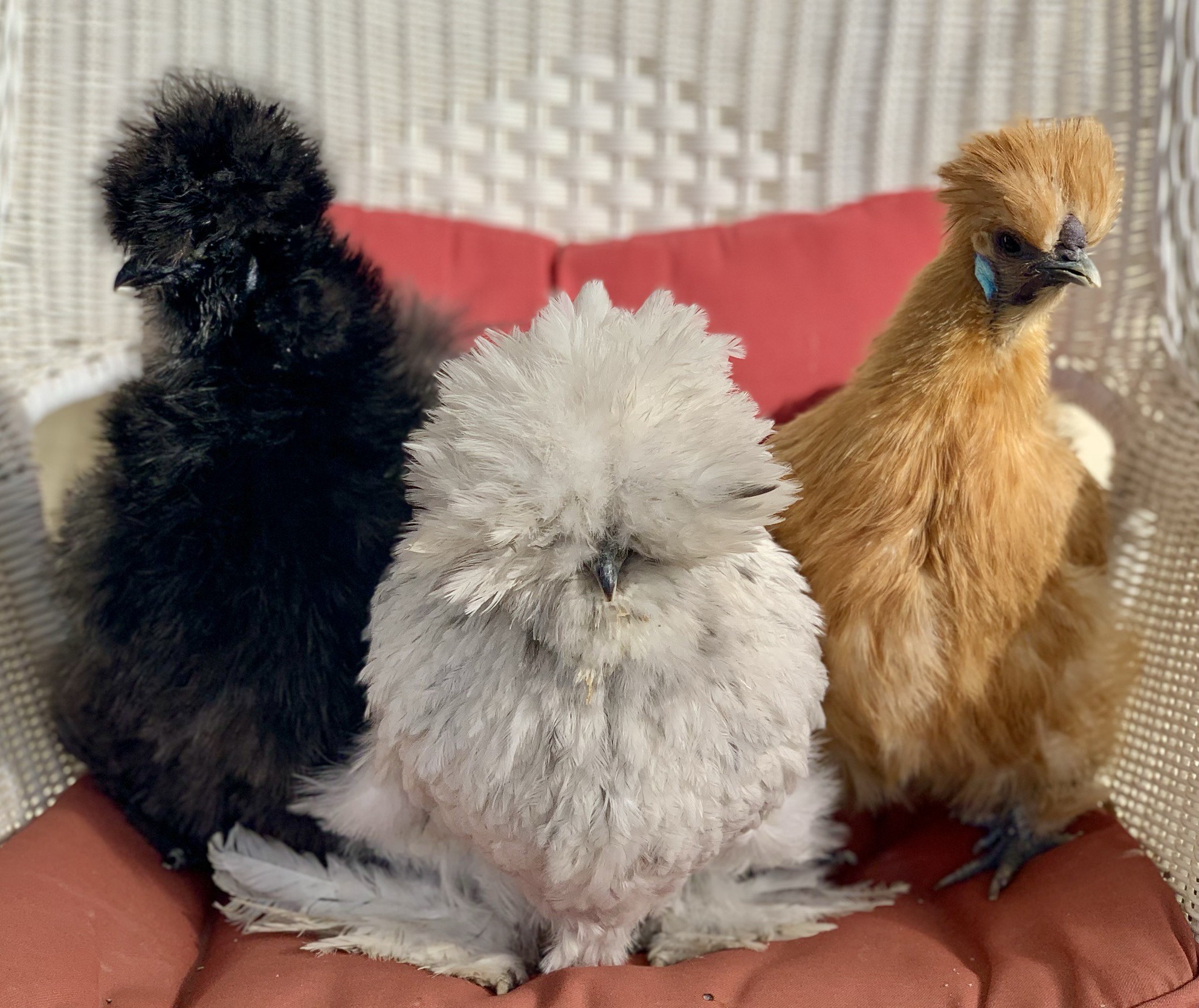
Back to the birds getting sick. In October, they started sneezing and displaying mild symptoms. I noticed that Victoria was breathing more rapidly and her comb was dark even without exertion. I took her to see Dr. Dracos and we discovered that she had a heart murmur. She prescribed some medications for her and I was planning on getting an echocardiogram and doing a full workup. Sadly, that never happened. Shortly after Victoria started medications, I noticed her sister Elizabeth was wheezing and was short of breath.
There was pus in her trachea and pseudomembranes. I was really hoping she also had a heart condition, but that was not the case at all. Even though I maybe should have expected it was ILT I felt blindsided. I decided to take her home for the night for the family to say their goodbyes. As I watched the girls dustbathe together in the front yard for the last time, I noticed Victoria wheezing and ended up taking her along to the appointment for Elizabeth’s euthanasia. We found that she also had pus in her trachea. With a heart condition and ILT there wasn’t much hope for Victoria’s recovery and so we let both the girls go together. As difficult as that was, it was also a poetic and beautiful ending for them in some respects. Those girls were as bonded as they could have possibly been from the moment they both hatched in the same incubator. They never lived a moment apart. They came into the world together and they left together.
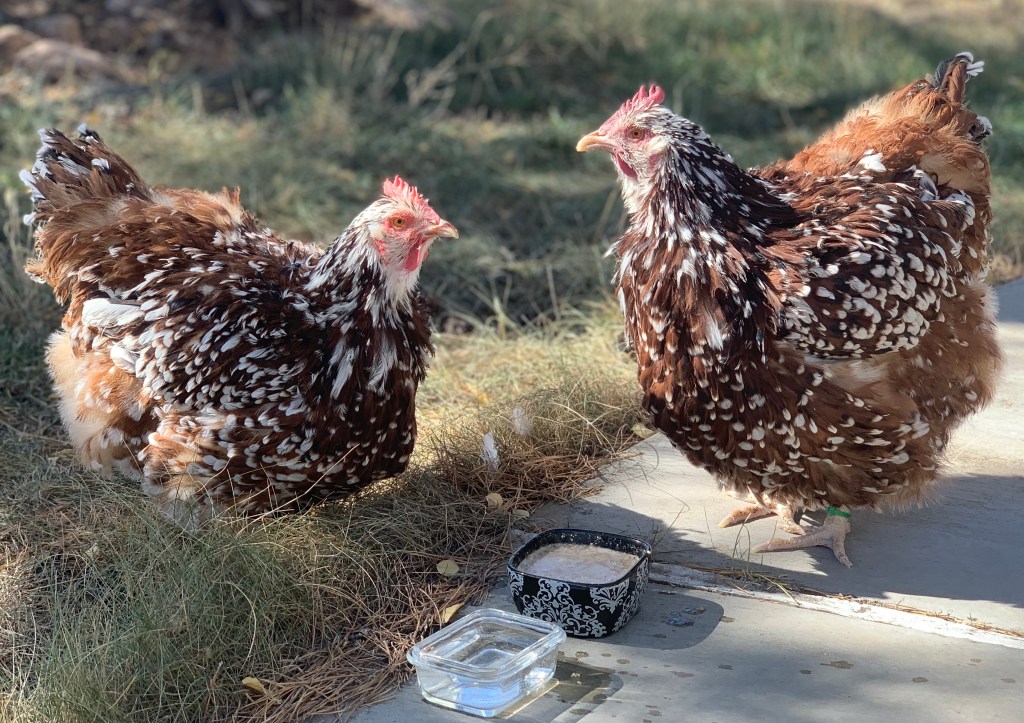
Victoria & Elizabeth
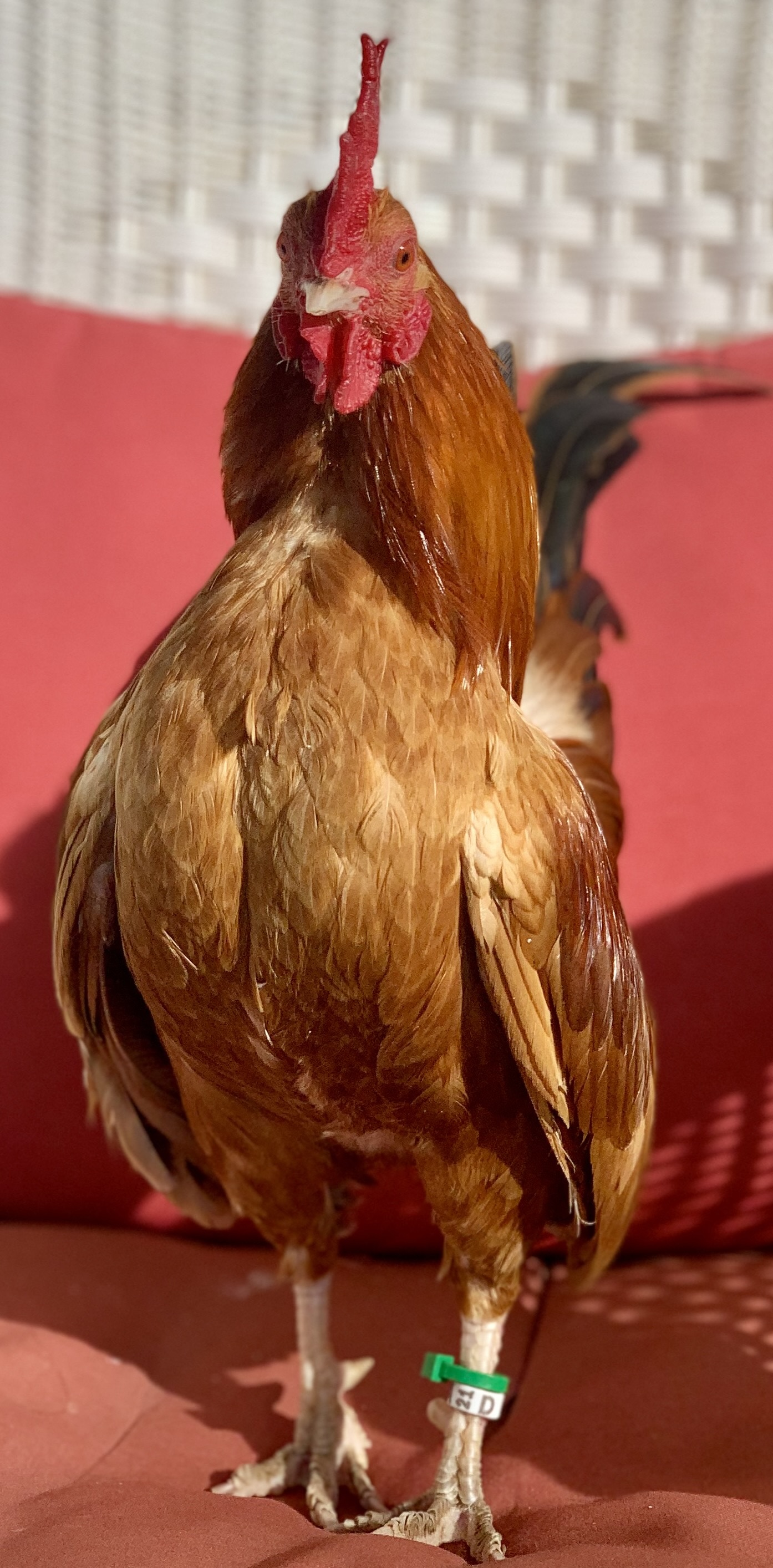
A couple days after losing Elizabeth and Victoria, Treasure began to show symptoms of ILT. I took her to see Carrie later that same week and got confirmation that she not only had ILT but also had a heart murmur. I told Carrie I would take her home for the weekend because I couldn’t say goodbye to another member of our family so soon after the other two losses. When I went home that night, I identified another bird, Paprika, that was struggling. The following day Coriander and Valentina were critically ill and both required oxygen supplementation. Everywhere I looked I saw it: rapid respirations, exercise intolerance, open beak breathing, sneezing, fluffed up feathers, etc. I realized at that moment that I was going to lose my entire flock to ILT and it might have been sooner than later. I went crazy…crazier than normal that is.
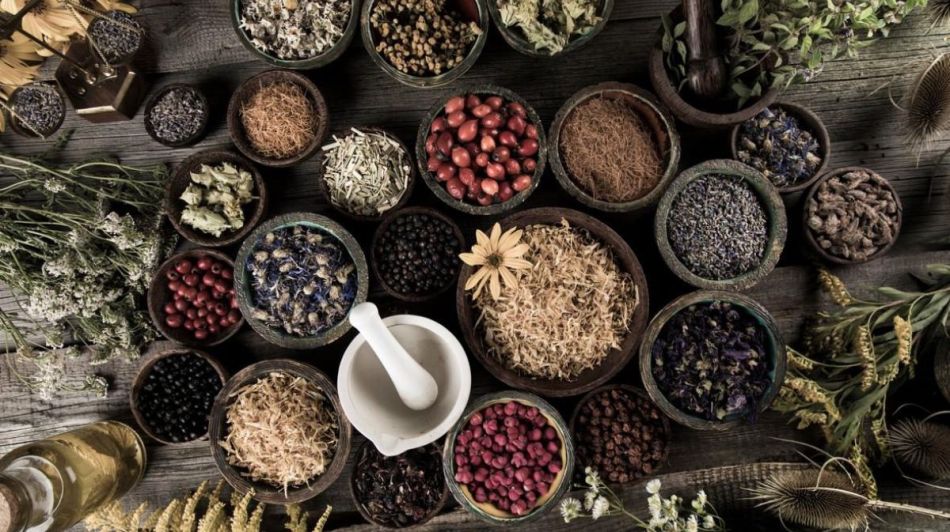
I spent my evening scouring the internet for any information I hadn’t already read and I stumbled on a research paper that offered some potential for hope. I had read the paper before, but dismissed it because it mentioned the use of Chinese medicine and herbs. I have never put much stock into holistic medicine. Some of it has its place, but never without traditional Western medicine as an accompaniment. I read the paper again and had my husband read it too. We decided that at this point all we had to lose was our entire flock so why the hell not give it a try. Off to the apothecary I went. We had to make a few substitutions for ingredients and we put the powdered herbs into capsules rather than decocting, extracting volatile oils, and administering it into their water. Tomorrow marks three weeks after beginning treatment with the Chinese medicine and the original seven birds that were started on the regimen will hopefully get to graduate off of it.
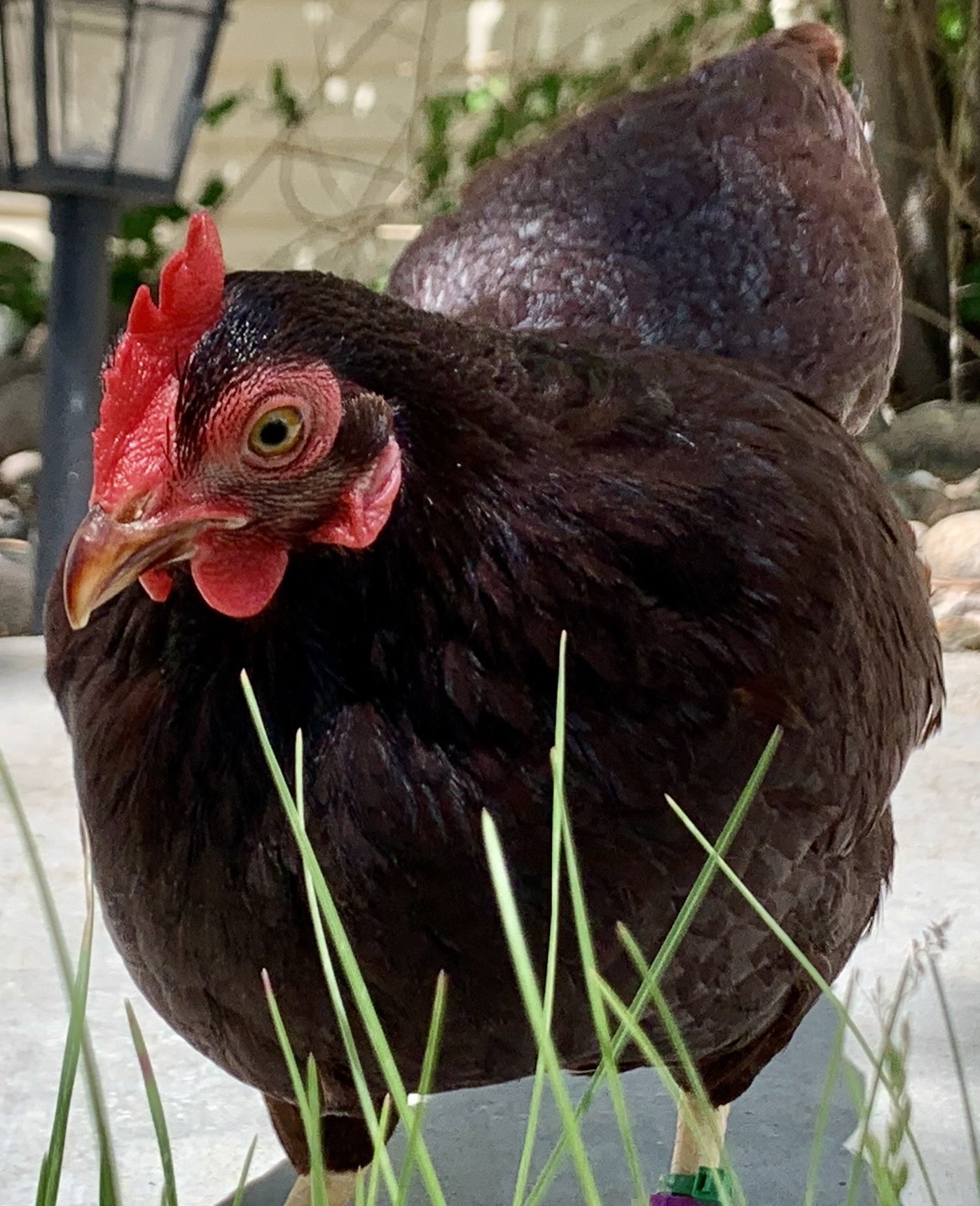
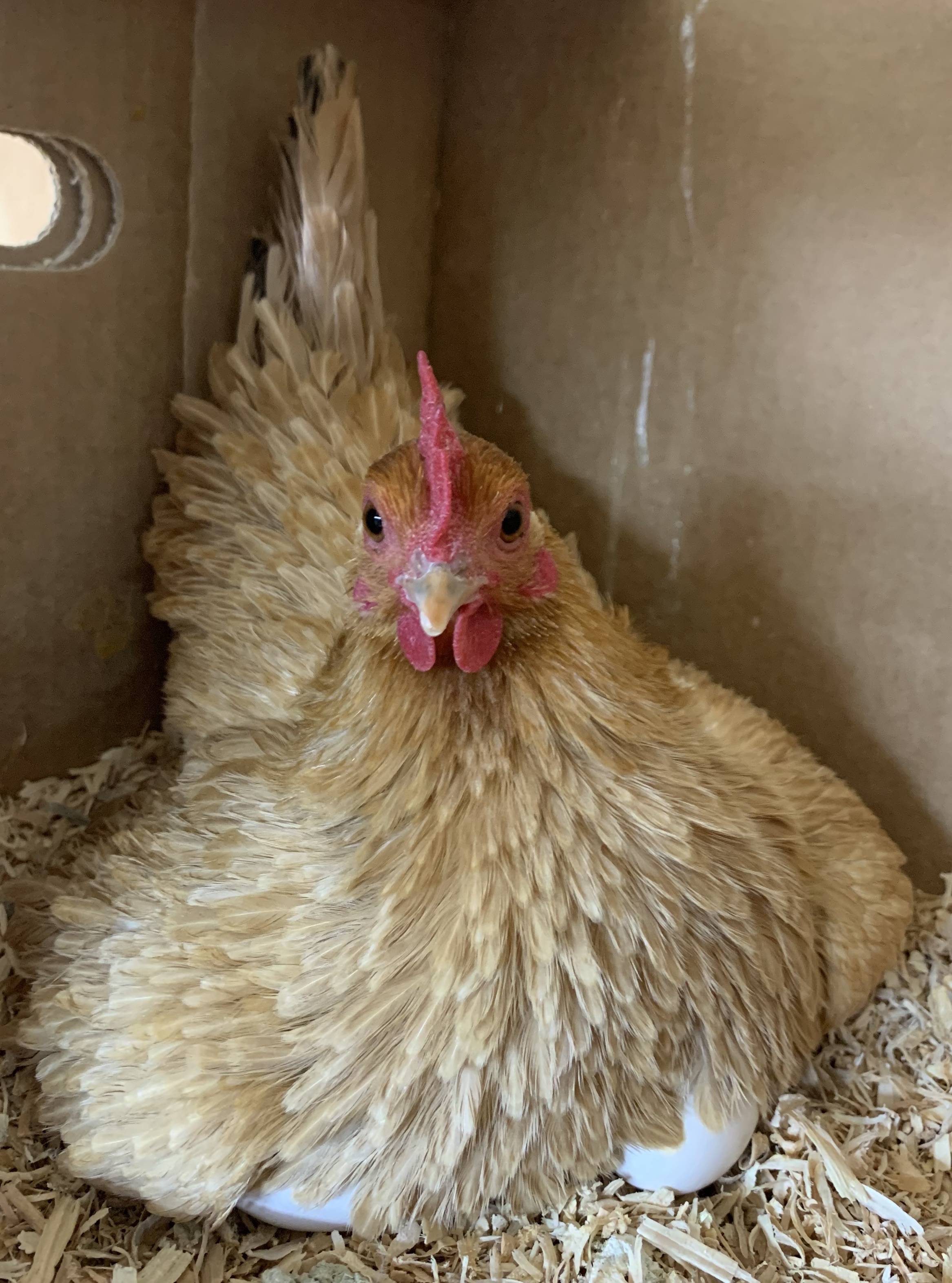
Treasure, Paprika, Coriander, and Valentina are all still alive and are asymptomatic entirely! We had Carrie come out and do a “farm call” for us a couple weeks ago to help me identify birds with heart murmurs and catch ILT earlier so I could start treating sooner than later. We identified a total of 12 birds with heart murmurs, four of which are symptomatic and going to require daily medications. I have 16 birds that are currently being treated for ILT but all are making improvements on the Chinese medicine regimen. It still feels like witchcraft or voodoo. Appropriate for spooky season for sure. It’s very eye of newt and tail of squirrel to me, but it seems to be working, so who am I to judge?
To summarize the study, the researchers used a mixture of Chinese medicinal herbs to achieve between a 90-95% “cure” rate. Their interpretation of “cure” was an absence of symptoms and not a reversion to PCR negativity after previously testing positive for ILT. In the preparation the researchers used, they had some herbs that were decocted and others where the volatile oils were extracted. While decoction is fairly simple to achieve, volatile oil extraction requires highly specialized chemistry glass and other equipment not readily available to the average chicken keeper. After acquiring the necessary compounds, they combined them to produce a liquid tincture that was added to the water supply of the affected birds in the study. The treatment took place for five days and symptoms (mouth breathing, respiratory rales, shaking head, nasal discharge, and eyelid swelling) were rated on a standardized scale to observe for improvement. The herbs that were used in the study were Flos lonicerae, Pinellia, Pericarpium citri reticulatae, poria cocos, liquorice and scutellaria baicalensis.
The preparation that I have been using has some changes to ingredients in response to availability and pre-existing conditions within my flock. Notable substitutions were that we were unable to get Pinellia ternata since it has been banned in the US and several other countries. We also were unable to get any Pericarpium citri reticulatae (aged tangerine peel), but were able to substitute it with Melissa officinalis (Lemon Balm) which also contains the bioactive compounds hespiridin and hespiritin. Liquorice was omitted from the herbal mixture for my flock because I have several birds with murmurs or with heart conditions like pulmonary hypertension. Liquorice is known to cause and increase blood pressure and thus was not recommended for use.
We were unable to prepare the more concentrated preparation due to lack of the ability to extract volatile oils, so instead opted for powdering all herbs and mixing them together. The powder was then packed into 00 size gelatin capsules. Both the capsules and the device that allowed me to prepare up to 24 capsules at a time were purchased at the Vitamin Shoppe. You could probably also find the necessary supplies at a health food store, vitamin supplier, or at online retailers such as Amazon. Since I have two distinct sizes of birds, a large fowl dosage was made by packing the capsule as full as possible before closing and a bantam dosage was made by only levelling the powder off once before closing the capsule.
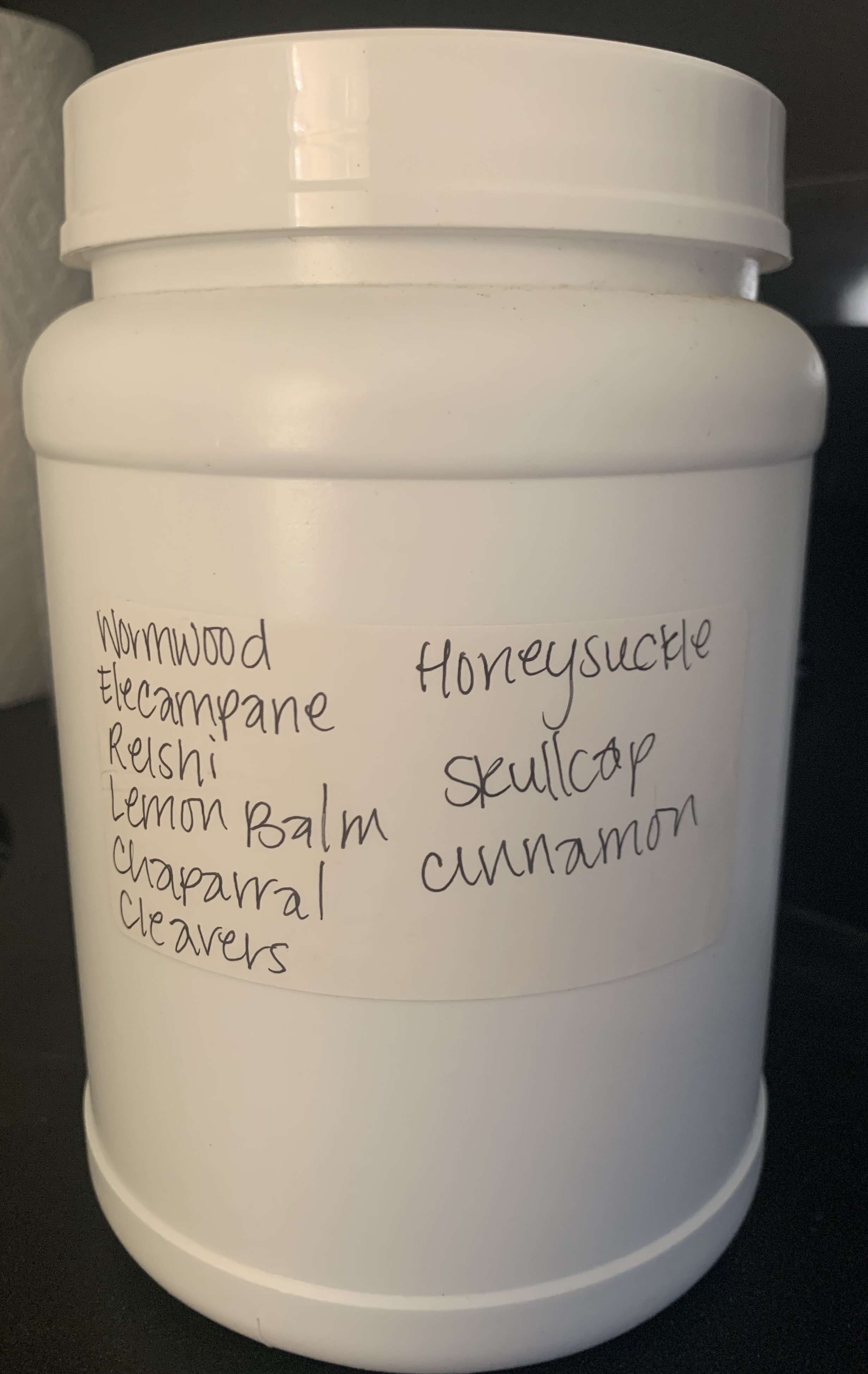
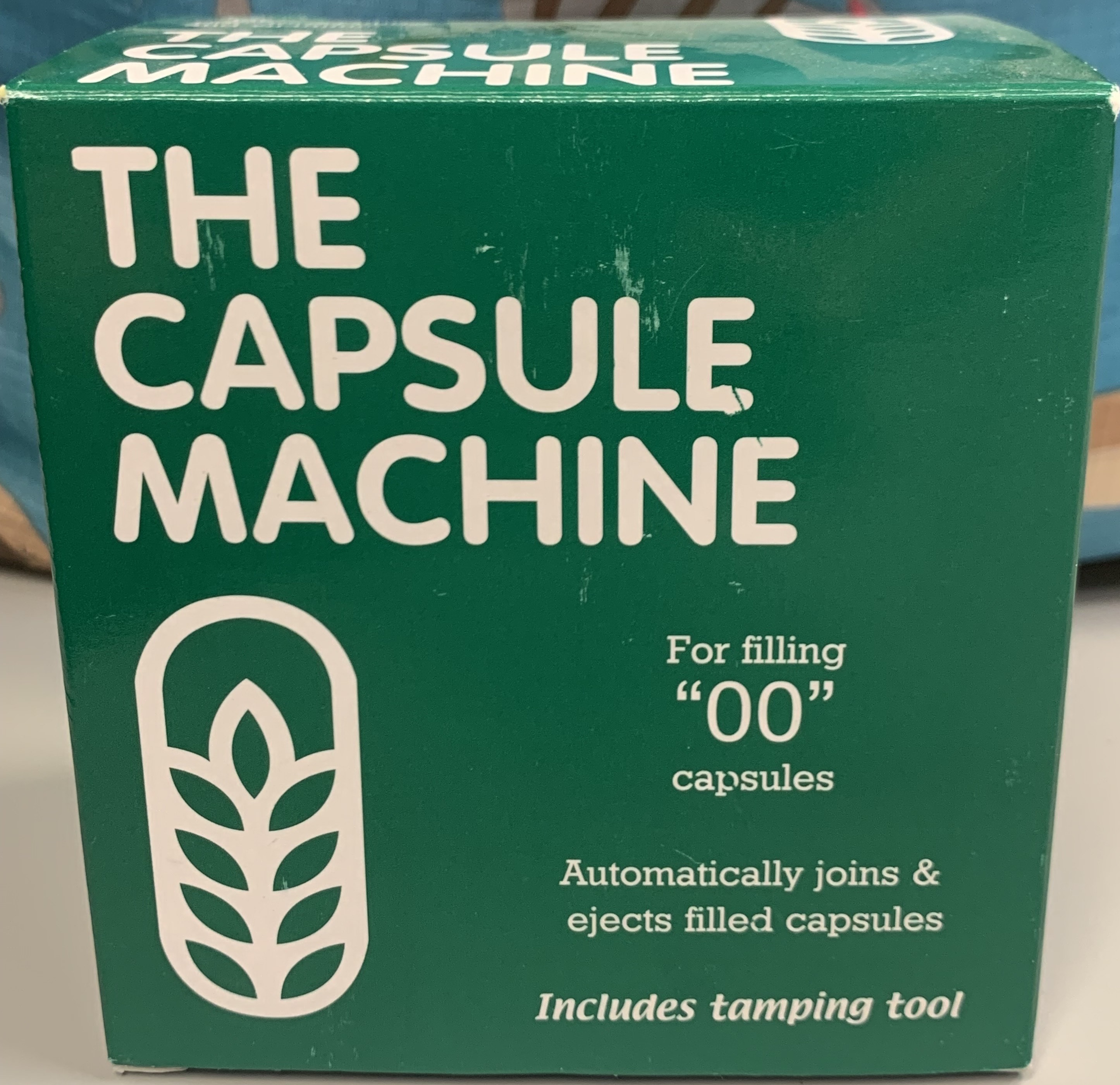

The large fowl capsules ended up weighing 550mg and the bantam capsules weighed 450mg. Each bird was given one capsule twice per day for a period up to three weeks. Improvement in symptoms was typically observed within three days of beginning treatment. At this point, in my own flock, I have not had to euthanize any of my birds since starting the use of the herbal compound! The following herbs are those used in the herbal mixture I have been successfully using: Scutellaria baicalensis (Skullcap), Flos lonicerae (Honeysuckle), Cinnamomum verum (Cinnamon), Artemisia absinthium (Wormwood), Flos inulae/Inula helenium (Elecampane), Ganoderma (Reishi), Melissa officinalis (Lemon Balm), Larrea tridentate (Chaparral), and Galium aparine (Cleavers).
Here is the information for each component used and why it has been included in the mixture:
Scutellaria baicalensis (Skullcap): Inhibits cytopathic effect caused by viruses; induces interferon production of pulmonary microvascular endothelial cells; potent anti-inflammatory by suppressing iNOS and COX-2; antioxidant which combats oxidative stress associated with respiratory illness; reduces biofilm formation; suppresses replication of respiratory viruses like influenza and SARS-CoV; Active compounds include baicalein, baicalin, wogonin, wogonoside and oroxylin A; Wogonoside reduces production of inflammatory factors in macrophages which may help in pulmonary disease.
Flos lonicerae (Honeysuckle or Woodbine): Contains chlorogenic acid and luteolin which inhibits common respiratory viruses and mitigates inflammatory response of the respiratory tract by reducing congestion and inflammatory cell infiltration.
Ganoderma (Reishi): *Substitute for Poria cocos* Dispels phlegm to stop cough and wheezing with an increased respiratory rate; enhances immunity; compound acidic protein bound polysaccharide showed potent antiherpetic effects in studies
Cinnamomum verum (Cinnamon): Antibacterial and antioxidant effects from polyphenols; improves respiratory function; used in humans for relief of colds, flu, chest infections, cough, and to improve peripheral circulation; modern research has shown volatile oils have significant antiviral activity. USE CAUTION IF LIVER DISEASE IS PRESENT
Artemisia absinthium (Wormwood): Flavanoids and sesquiterpene lactones inhibit proinflammatory cytokines and COX-2; antioxidants neutralize free radicals; antimicrobial action through disruption of bacterial cell membranes, inhibition of enzyme activity, and interfering with replication; fever reducer; suppression of lung parenchyma damage and obstruction of small airways; interferes with viral replication by inhibiting the (NF)-kB pathway, inhibiting binding proteins, and activation of viral replication.
Flos inulae/Inula helenium (Elecampane): Thins mucus and suppresses cough; mild diuretic; dissolves phlegm; reduces inflammation, oxidative stress, and apoptosis.
Melissa officinalis (Lemon Balm): Shortens duration and severity of herpes outbreak; contains active compounds hesperidin and hesperetin; inhibits herpes virus from binding to host cell, inhibits replication during post adsorption; compound geraniol shows promise against HSVII similar to commercially available medication Acyclovir; compound rosmarinic acid is effective against HSVI; used in humans for cold sores and a host of other ailments.
Larrea tridentate (Chaparral): Prevents replication of herpes virus; polyphenol lignans blocks transcription factor Sp1 which is responsible for replicating viral genes; expectorant; contains NDGA which is an antioxidant that gives it anti-inflammatory properties; Side effects may include liver complications, diarrhea, and/or fever; overdose can occur easily. USE CAUTION IF LIVER DISEASE IS PRESENT
Galium aparine (Cleavers): Clears congestion; highly diuretic; encourages movement of lymph fluid; aids in detoxification; immunomodulator which heightens NK Cell activity.
The cautionary warnings for two of the components are part of the reason I would not recommend continuing treatment past three weeks time. That being said, two of my birds had plasma chemistry analysis performed after having been on treatment for nearly the whole three weeks and no indication of liver enzyme elevations. However, if liver disease is a concern in the flock, you could potentially omit the two warned ingredients.
The exact weight of the different herbs ground into powder and used in the mixture are as follows:
- Melissa officinalis (Lemon Balm) 2oz
- Galium aparine (Cleavers) 2.60oz
- Larrea tridentata (Chaparral) 2.10oz
- Lonicera japanica (Honeysuckle) 1.52oz
- Inula helenium (Elecampane) 5.66oz
- Scutellaria latiflora (Skullcap) 1.52oz
- Artemisia absinthium (Wormwood) 2.58oz
- Ganoderma lucidum (Reishi) 3.90oz
- Cinnamonum verum (Cinnamon) 0.50oz
It cost a total of $100 for all the components, but yielded enough powder that I have made 500 bantam capsules and 250 large fowl capsules and still have enough powder to make at least another 500 capsules. I think it would be totally reasonable to cut the amounts down depending on the size of the flock. I was preparing for the potential of treating all 49 of my birds at the same time.
To achieve the best outcome possible, treatment should ideally begin as soon as symptoms are identified. For birds that are further along in the disease process and experiencing extreme difficulty breathing, supplemental oxygen via the use of a rubbermaid container and oxygen condenser can be beneficial in supporting the animal until it begins to improve. Oxygen condensers can be found online through local Facebook groups or Craigslist and tubing can usually be acquired at a medical supply store. Some aquarium stores may also sell tubing that can be used with few modifications.
If a veterinarian is available to help support the person in their efforts to get their bird through the illness, nebulization with a mixture of 1/2ml Gentamyacin, 1ml Acetylcysteine, and 3ml of saline up to three times per day can also be helpful. Anti-inflammatories like Meloxicam or Carprofen may also be appropriate in more advanced cases of disease.
Seleta Nothnagel works nights in the Clinical Pathology Department at the Colorado State University Veterinary Teaching Hospital as a Medical Laboratory Scientist. They do blood work like chemistry panels and CBCs, urinalysis, coagulation studies and blood banking for all of the animals seen at the VTH. Before that she worked in the microbiology department in human medicine at a hospital for 10 years and in veterinary medicine as a Registered Veterinary Technician for 10 years.
Thanks to Seleta, for once again, sharing her story and photos, used with permission.
 Bitchin' Chickens
I’m a huge supporter of using herbal allies as a first response to almost all my girls ailments. Most people don’t realize that unlike pharmaceuticals, herbs can take from 3-5 days before any results are noticeable. Each herb has an affinity to work with the body in different ways giving it’s support where it’s needed. Thank you for this post!!
LikeLike
Thanks for the feedback. Are you interested in sharing your experience using herbs? If so, drop me a line using the ‘contact’ button on my homepage and we can chat.
LikeLike
Very impressive material! I hope you provide more articles like this in the near future!
LikeLike
Stay tuned because more are coming. Another one from Seleta will be posted soon. I’ve also partnered with a Naturopath to explore topics related to treating chicken health issues and zoonotic diseases that keepers can get from their birds.
LikeLike
Excellent article thank you! Just recently discovered Chinese skullcap and have some ordered. I have a couple old rooster with chronic respiratory issues, difficulty breathing/dry wheezing for air with no mucous of any kind. Been going on for months now. I’m excited to try the skullcap and will look into this herbal blend as well!
LikeLike
Thanks for the feedback. I’m working on an article about Chinese Skullcap that will be posting in the new year.
LikeLike