
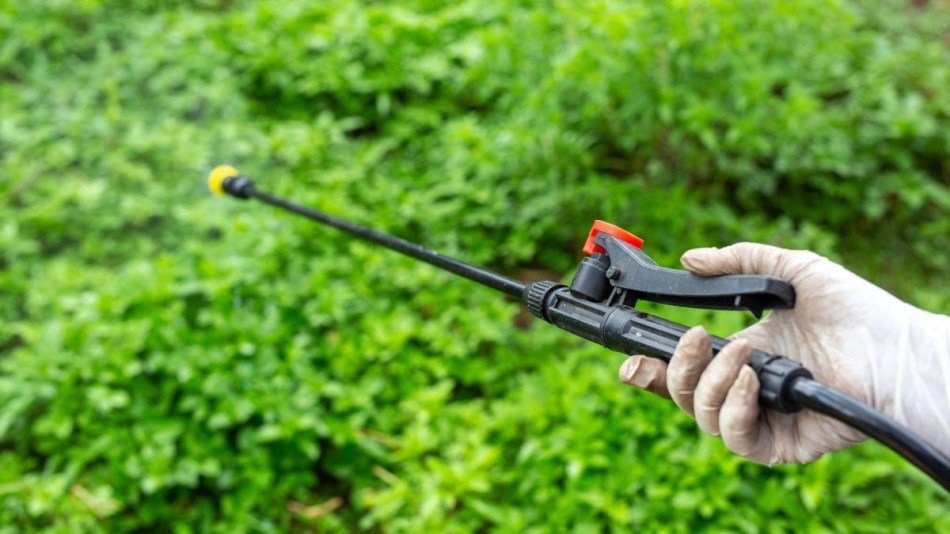
I live on a small island off the west coast of Canada on 4.5 acres. I came here from a city to exist within nature as much as possible. To that end, I don’t use products that might be toxic to the native insects and birds that call my little plot their home. In fact, I am part of our local nature stewards program and have committed to maintaining 70% of my land in its natural state. I do occasionally weedwhack the tall grass, but generally leave it as a field. Even when I lived in a city having a manicured lawn was never my goal.
Chemicals in lawn care and garden products not only negatively affect the environment but also can impact our flocks. As small flock chicken keeping continues to gain popularity, ensuring the health and well-being of our feathered friends becomes more of a priority. One important aspect to consider is the use of herbicides and pesticides in and around the chicken coop and foraging areas. While these chemical substances are commonly used to control weeds and pests, it is important to understand their potential risks and take necessary precautions to safeguard the health of our chickens. Better yet, find healthier alternatives for not just the natural environment, but both you and your chickens.
Herbicides
Herbicides are chemical substances specifically designed to control or eliminate unwanted vegetation, otherwise known as weeds. They work by disrupting essential processes within plants, leading to their decline or death. Herbicides are typically categorized based on how they work and which specific plant processes they target.
Pesticides
Pesticides encompass a broader category of chemicals used to control various types of pests. This includes insecticides, fungicides, rodenticides, and other unwanted organisms that can cause harm or damage to crops, gardens, or structures. Pesticides are formulated to disrupt the life cycle or essential functions of these pests, mitigating their negative impact.
There are numerous herbicides and pesticides available on the market, each with its own specific chemical composition and mode of action. Some common types include glyphosate (ingredient in many weed killers), pyrethroids (insecticides), and organophosphates (pest control).


Proper Application and Label Instructions
It is crucial to emphasize the importance of following label instructions when using these products. Their instructions provide specific guidelines on dosage, application methods, protective measures, and safety precautions. Failure to adhere to these instructions can increase the risks associated with their use and potentially harm not only the chickens but also the environment and human health.
Environmental Impact
Herbicides and pesticides have the potential to affect not only the target pests or plants but also the surrounding ecosystem. Their usage can result in runoff into water bodies, contamination of soil and groundwater, and adverse effects on non-target organisms, including beneficial insects, birds, and other wildlife. Understanding and minimizing the environmental impact of these substances is crucial for maintaining a healthy and sustainable ecosystem.
Potential Risks to Chickens
When it comes to using herbicides and pesticides around chickens, there are several potential risks to consider. These chemicals can pose health hazards to chickens through various routes of exposure. Appropriate precautions are essential to protect the well-being of your flock.
- Direct Contact with herbicides and pesticides when they are sprayed or applied in areas where the birds forage. Chemicals can adhere to their feathers, skin, or feet, leading to absorption into their system. Direct contact can cause skin irritation, respiratory distress, or even systemic toxicity, depending on the toxicity of the chemical involved.
- Ingestion of Contaminated Plants or Insects can lead to toxicity, affecting their digestive system, liver, and other vital organs. Symptoms may include diarrhea, decreased appetite, weight loss, or even acute poisoning in severe cases.
- Contaminated Soil and Water Sources Toxic substances can persist in the environment, including the soil and water sources on your property. Chickens may inadvertently ingest these substances when pecking at the ground or drinking from contaminated water sources. The accumulation of these chemicals in their system over time can have long-term health implications and may even impact their egg production and reproductive capabilities.
Health Impacts
- Short-term effects include respiratory distress, skin irritation, gastrointestinal disturbances, and reduced overall well-being.
- Long-term exposure, especially to certain persistent or cumulative chemicals, can result in chronic health problems, compromised immune function, decreased fertility, and increased susceptibility to diseases.
Symptoms Of Toxicity
- Sudden Changes in Behaviour: such as increased agitation, restlessness, or lethargy. Chemical exposure may affect their nervous system, leading to abnormal behaviour.
- Respiratory Distress: coughing, wheezing, sneezing, or difficulty breathing.
- Gastrointestinal Disturbances: diarrhea, vomiting, loss of appetite, or changes in their droppings.
- Abnormalities in Egg Production: sudden decrease in egg production, irregularities in egg quality (e.g., thin shells, odd coloration), or abnormal nesting behaviour.
- Skin Irritation or Abnormalities: Check for any rashes, redness, swelling, or abnormal growths on their skin, excessive scratching or pecking at the affected areas.
- Neurological Symptoms: In severe cases of chemical exposure, chickens may exhibit neurological symptoms. These can include uncoordinated movements, tremors, seizures, or paralysis. If you observe any of these signs, seek immediate veterinary assistance.
Remember that these signs can be indicative of various health issues, and it’s important to consult a veterinarian for a proper diagnosis. If you suspect your chicken has ingested herbicides or pesticides, isolate the affected bird from the rest of the flock and provide them with fresh water and uncontaminated feed. Contact an avian veterinarian for guidance on appropriate treatment and further evaluation.
Adverse Effects on Eggs and Meat
Chemical residues from herbicides and pesticides can potentially accumulate in eggs and meat when chickens are exposed to them, which raises concerns about the safety of consuming eggs or meat from affected birds.
Risk Reduction
- Talk to your neighbours You may not be using these products but your neighbours might. Talk to them about when they plan to spray so you can be proactive about protecting your flock from being inadvertently affected by chemicals that cross your property lines. Better yet, encourage them to use environmentally friendly products.
- Read and follow label instructions
- Consider non-toxic alternatives such as companion planting, physical barriers, and natural predators to manage pests and maintain a balanced ecosystem.
- Integrated pest management focuses on preventing and managing pests by combining multiple strategies, including biological controls and targeted pesticide applications only when necessary.
- Create a safe foraging environment away from areas where herbicides or pesticides have been applied. Consider erecting fences or netting to restrict access to treated areas which will prevent direct contact and ingestion of treated plants or insects.
- Alternative feeding options which reduces their exposure to potentially harmful substances.
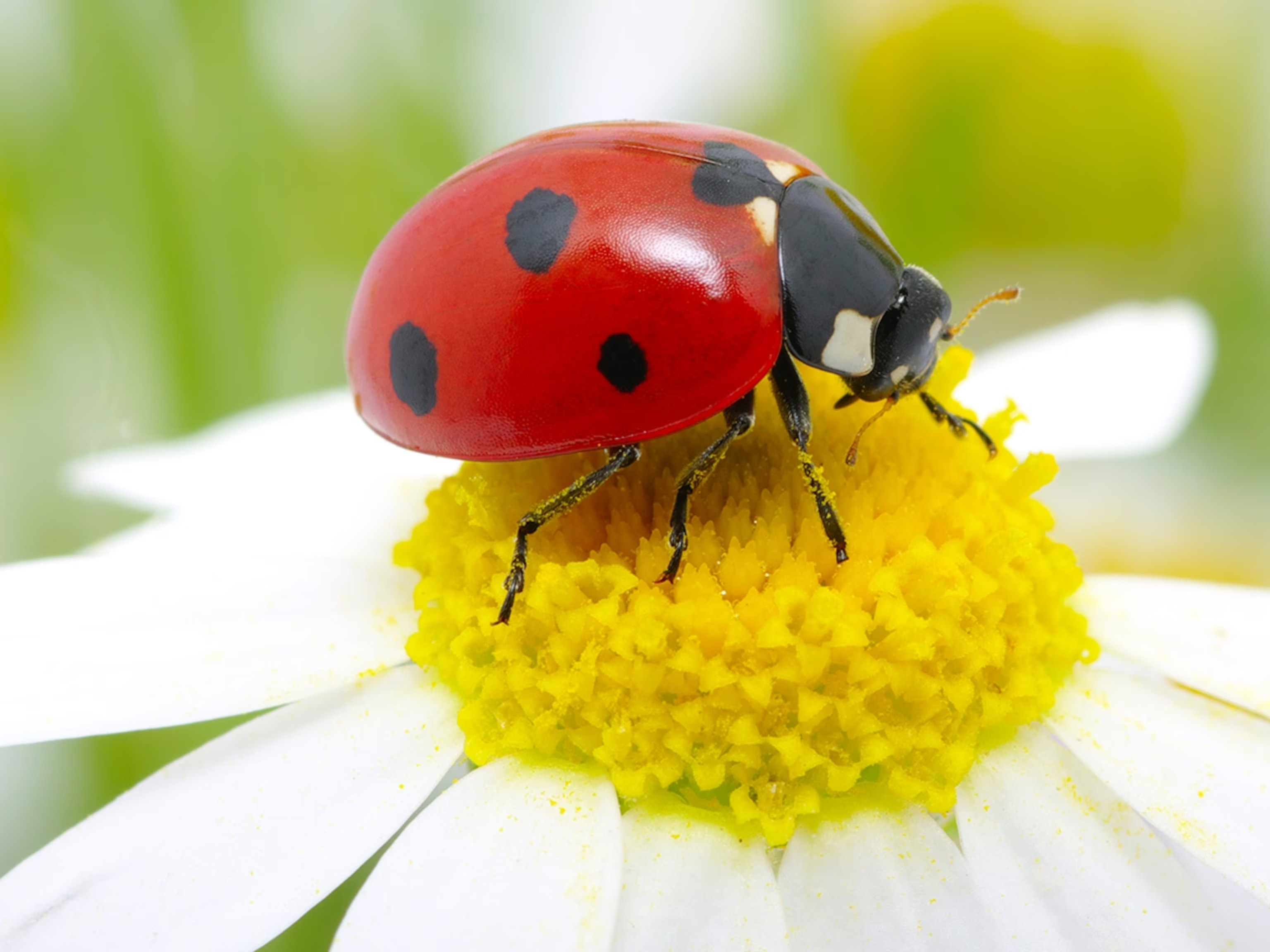
- Natural Pest Control Methods manage pests without resorting to chemical treatments. Encourage beneficial insects, such as ladybugs or predatory wasps, to control pest populations naturally. Use physical methods like handpicking or removing weeds manually to minimize the need for chemical interventions.
- Regular Cleaning and Maintenance of feeders and waterers to prevent the buildup of chemical residues. Proper waste management, such as composting ensures that any potential chemical contamination is minimized.
- Monitor Chicken Health Be vigilant for any signs of distress, such as respiratory issues, abnormal behaviour, or changes in egg production. If you suspect exposure to herbicides or pesticides, seek veterinary assistance.
Organic and Natural Approaches
For chicken keepers who prefer to avoid the use of synthetic chemicals altogether, there are various organic and natural approaches to weed and pest control. These methods offer effective alternatives that promote a chemical-free environment for your chickens.
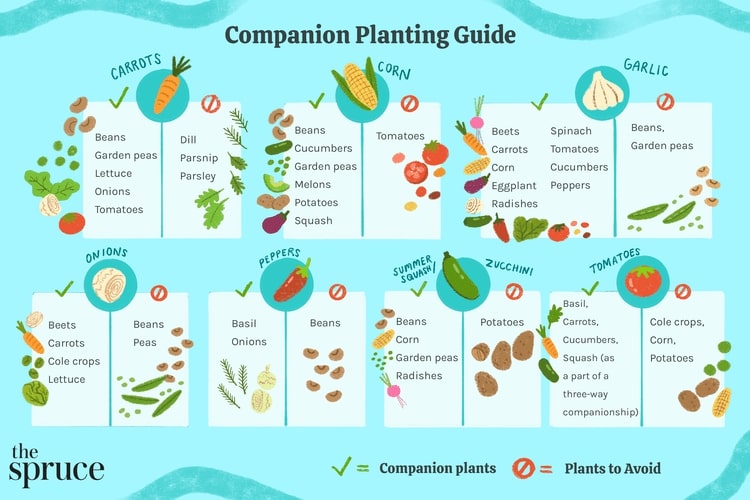
Companion Planting
Companion planting involves strategically planting certain plants together to deter pests or attract beneficial insects. For example, planting aromatic herbs like lavender, rosemary, or mint around the chicken coop can help repel pests naturally. Marigolds and nasturtiums are also known to deter pests when planted near vegetable gardens.
Mulching
Mulching not only helps to suppress weed growth but also creates a barrier that can deter pests. Organic materials such as straw, wood chips, or shredded leaves can be applied around plants and in pathways to prevent weeds. This not only reduces the need for herbicides, but also creates a more natural and sustainable environment for your chickens.
Mechanical Weed Removal
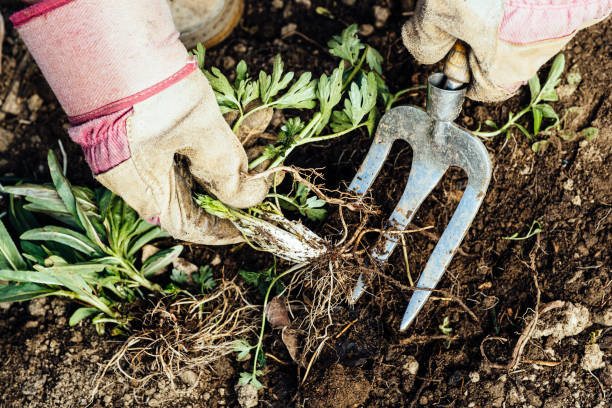
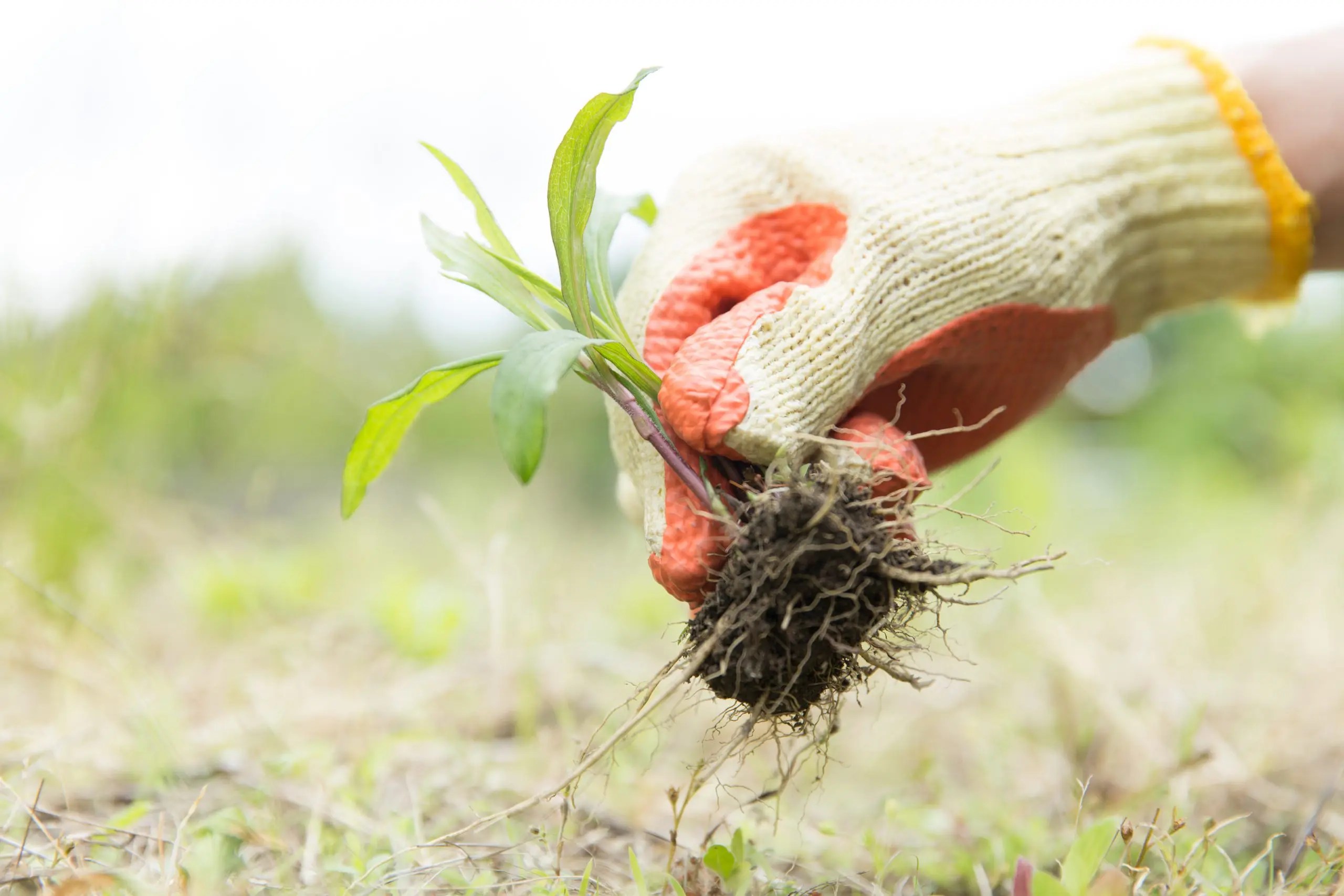
Regularly remove weeds by pulling them out by hand or using handheld tools which allows you to target weeds directly. Stay diligent to prevent them from overtaking your garden.
Natural Pest Deterrents
Explore natural pest deterrents to keep unwanted insects at bay. For example, placing crushed eggshells around plants can deter slugs and snails. I have a number of bird feeders, bird houses and bat boxes on my property to attract species that feed on insects, helping to control pests naturally. I’ve also constructed snake and lizard habitats out of rocks to provide them shelter in the hope they will eat slugs and unwanted insects.
Beneficial Insects
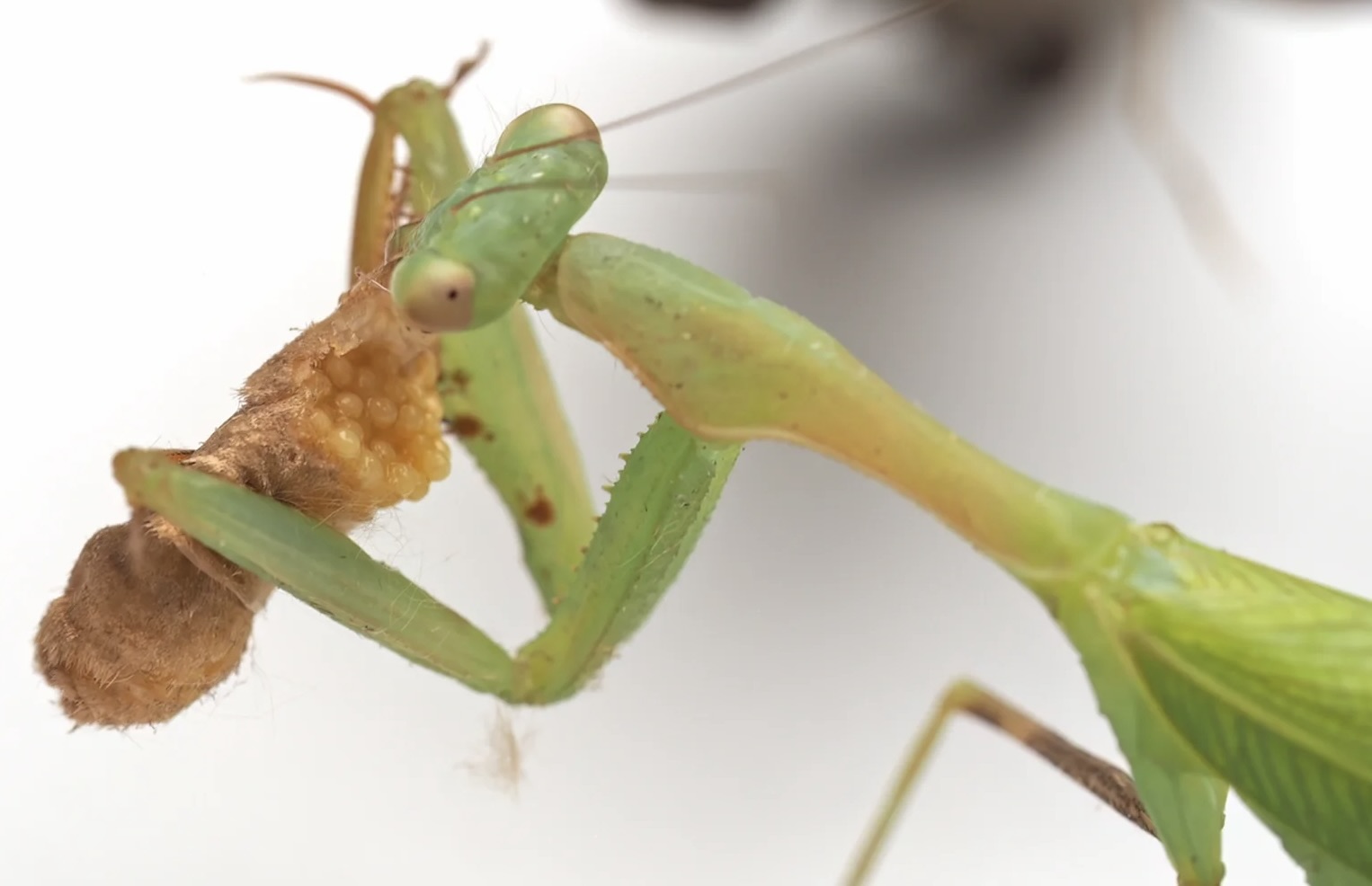
Encourage beneficial insects in your garden or foraging areas to help manage pest populations. Ladybugs, lacewings, and praying mantises are natural predators that can control aphids and other garden pests. Consider planting flowers like daisies, sunflowers, or yarrow, which attract these beneficial insects.
Natural Barriers
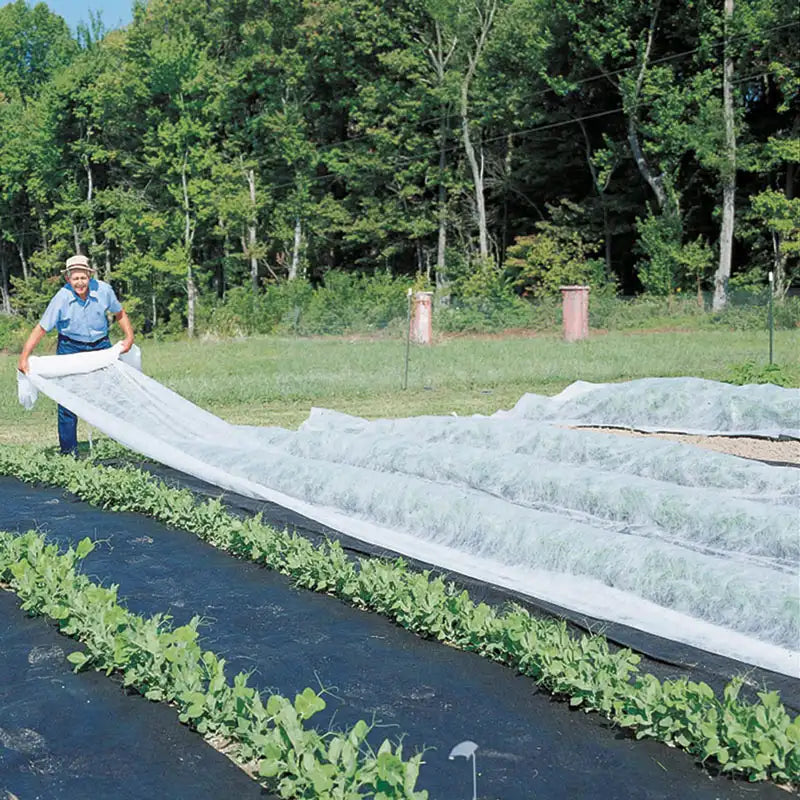
Create physical barriers to protect vulnerable plants from pests. Use floating row covers or netting to shield plants from insects or birds which provide a physical barrier while allowing air and sunlight to reach the plants.
Non-Toxic Remedies
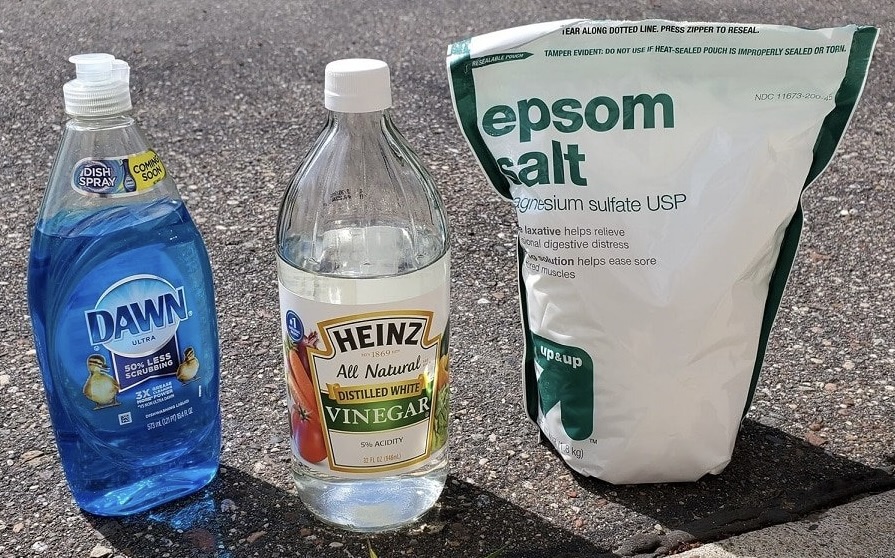
When I had a greenhouse I used a combination of water and diluted dish soap to spray aphids on my plants. A common remedy to rid weeds from your garden paths is to spray them with a mixture of one gallon of white vinegar, one cup of Epsom salt and two tablespoons of dish soap.
Healthy Ecosystem
Maintaining a balanced and healthy ecosystem is key to naturally managing pests. Encourage biodiversity by planting a variety of species, providing shelter, and preserving natural habitats. A diverse ecosystem supports beneficial insects, birds, and other wildlife that help keep pest populations in check.
By adopting organic and natural approaches to weed and pest control, you can create a healthy environment for your chickens. These methods not only minimize the risks associated with herbicides and pesticides but also promote a sustainable and ecologically friendly approach to chicken keeping.
Think of our chickens as the proverbial ‘canaries in the coalmine’. If they get sick from the chemical products we use what do you think those substances do to the health of the surrounding environment and, ultimately, our own health?
 Bitchin' Chickens
This is broadranging and very informative for everyone. With or without chickens, most of us try to garden a little on our property or our balconies. Good stuff to know. m
LikeLike
Toxic chemicals don’t just disappear because we can’t see them.
LikeLiked by 1 person