
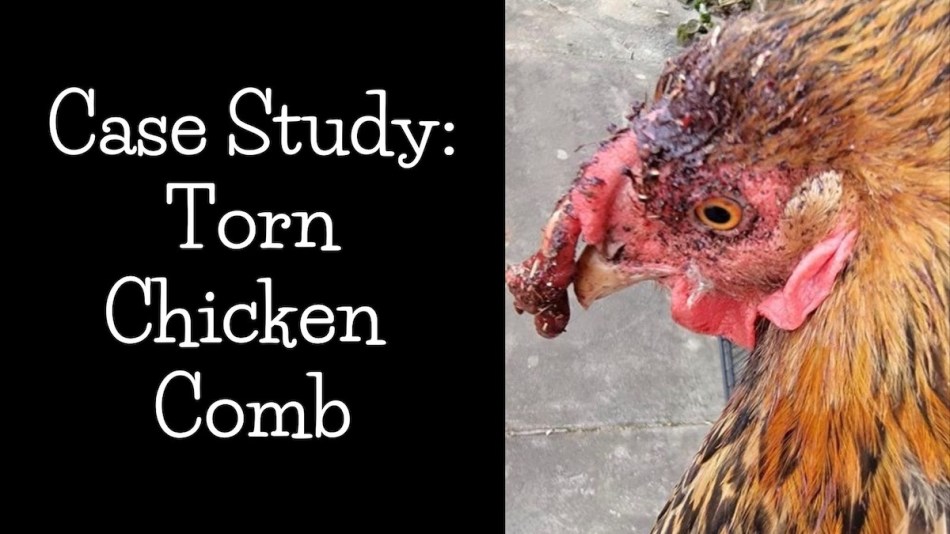
If you keep chickens for a while you’ll eventually deal with wound care. Chickens can get injured in a myriad of ways: dog/predator attacks; pecking injuries; rough roosters; hard landings on coop floors; being spooked and hitting walls or fences; getting caught up in wiring. You name it, they seem to find trouble like a magnet.
If you haven’t had to deal with injuries thus far, that’s great. I believe in being prepared – it will lessen your stress and increase your bird’s chance of recovery or survival. The most important item is a well-stocked first aid kit with enough resources to deal with a number of issues.
Prevention helps too. If you pen your birds you’ll greatly reduce the chances of predator and dog attacks. Walk around their environment and eliminate obvious potential hazards.
Even when you are vigilant accidents happen and it’s important to know what to do, or not to do, when it does.
The following is the story of a hen who managed to rip part of her comb. This is an injury that often happens when a bird puts its head through a fence or hole and when retreating the protruding comb becomes detached.
Peaches, Buff Orpington, 4 years old
Day 1: Several weeks ago, first thing in the morning, I went down to our coop. I unlocked the door to go in to the work area and head straight for the feed. I put out the feed first, or I get harassed by 30 birds! As I headed for the feed, I glanced to the left into the coop area where the boxes and roosting bars are located. The two areas are separated by a makeshift door between the storage/work area and the actual coop.
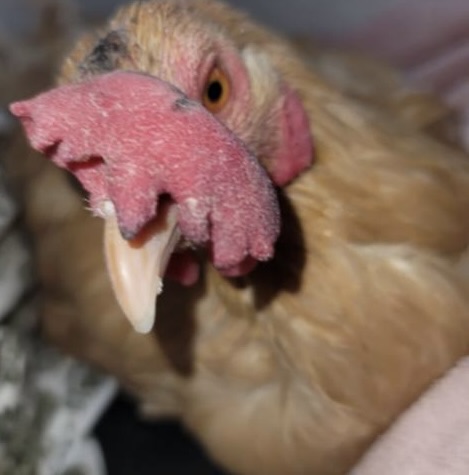
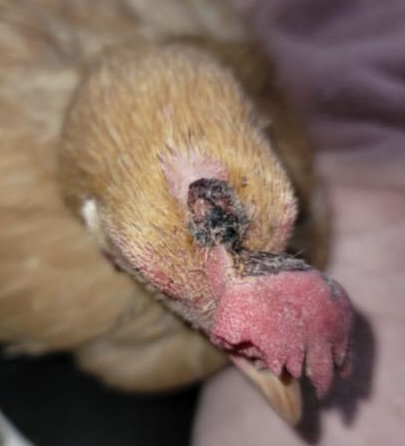
She was just standing there. It was odd to see a chicken standing as still as a statue. When I went to check her, to my horror, I found she was injured. Her comb was detached at least halfway from the back of her head toward the front. Thankfully, and surprisingly, there wasn’t a lot of bleeding. My first inclination was that the others pecked it so bad it separated from her head. Now, after some reflection, I think she may have gotten some type of injury. I have no idea how.
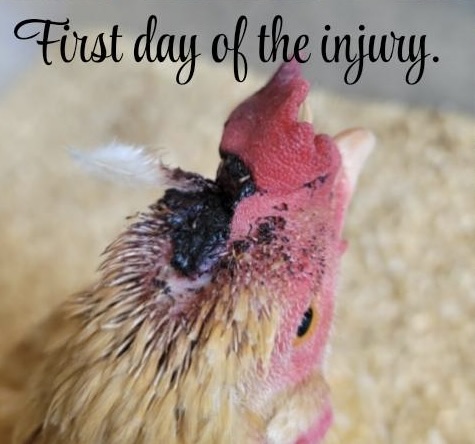
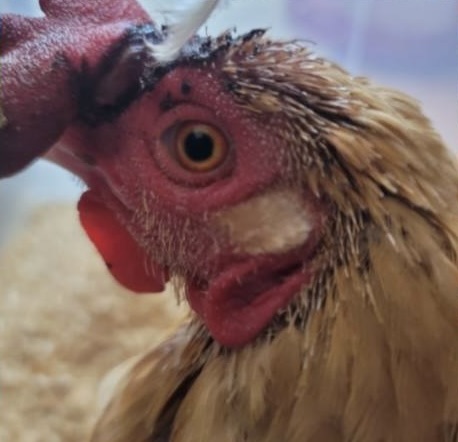
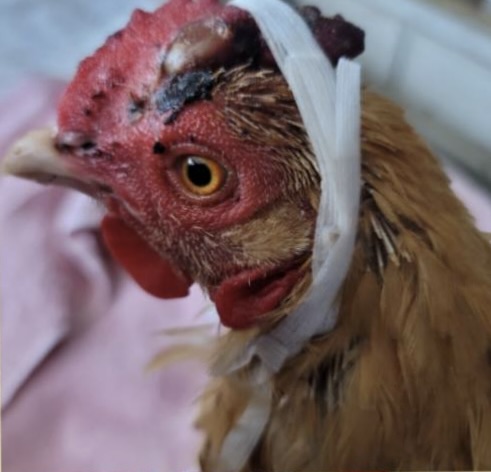
I brought her back to the house and began to assess the situation. My first thought was how could she survive with her comb severed like that? With some advice from other chicken keepers, I set out to get her on the road to recovery and see how she would do. Nature has an amazing way of healing itself either with help from us or sometimes with no help at all.
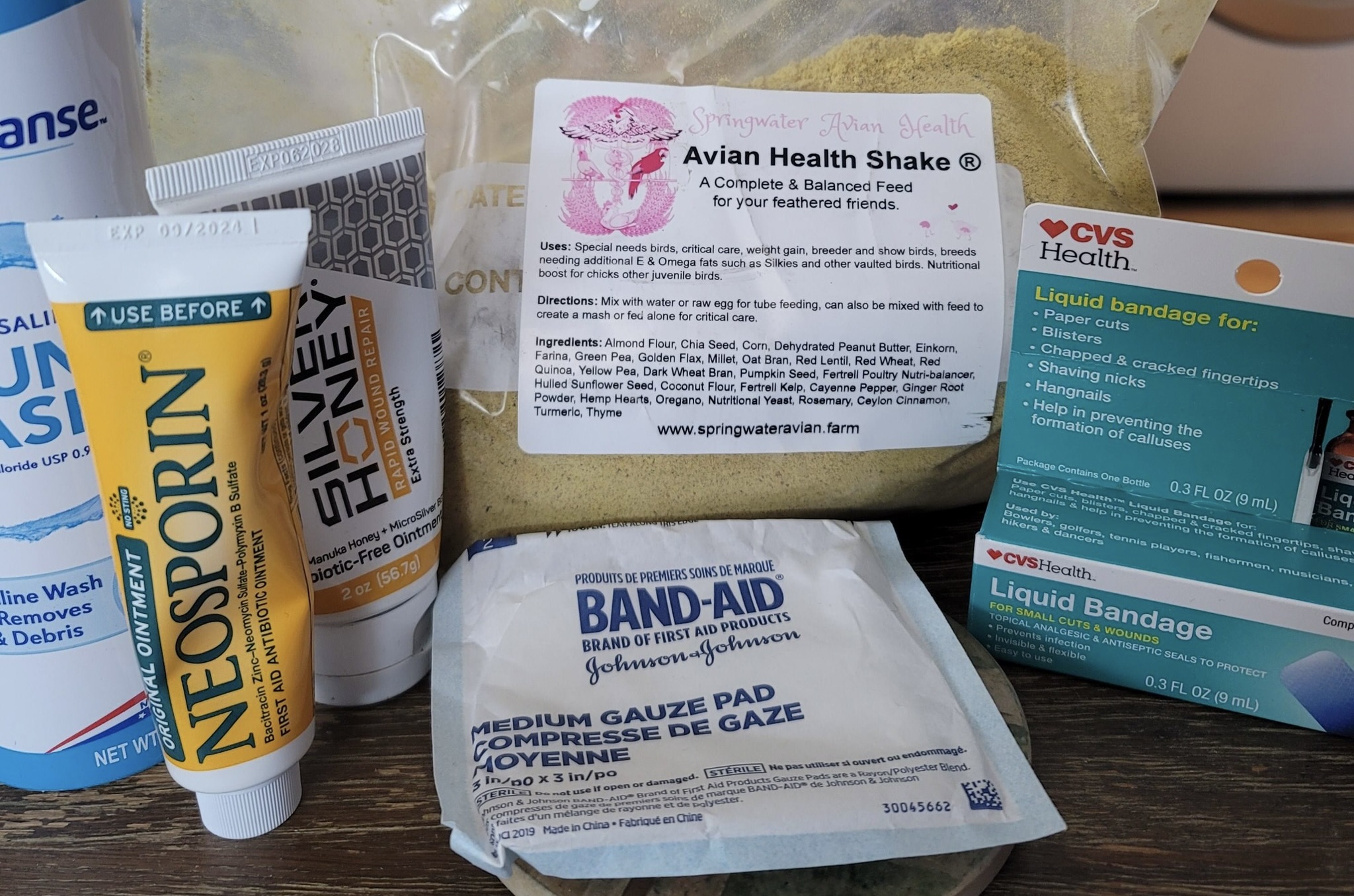
I cleaned up the wound using 3”x3” gauze pads soaked with Wound Wash. I wasn’t able to get all of the blood cleaned off without causing a lot of undue pain, so I just got the worst of it off. Once it was cleaned up, I applied a little Neosporin.
Unfortunately, although I have most of the necessary items in the first aid kit list, there were still some things I didn’t have. I highly recommend having a comprehensive first aid kit. Injury and illness inevitably occur in the middle of the night or when you can’t get to a store to get what you need.
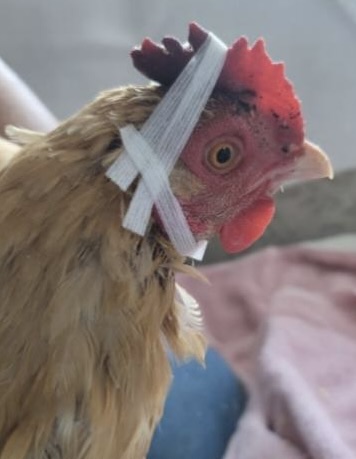
At this point I wondered if the comb could be reattached. I applied bandage strips in a feeble attempt to put the comb back. That was just silly. The strips lasted all of about half an hour. She wanted none of it!
Week 1: For the first few days I gave her vitamins, extra protein and probiotics. I also gave her Avian Health Shake, which can be purchased through Springwater Avian Health, added to her feed. All of those supportive supplements helped her recover very quickly even though the injury itself would take much longer to heal. That care is what gave her the support she needed to survive.
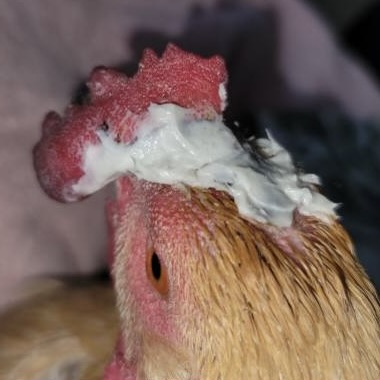
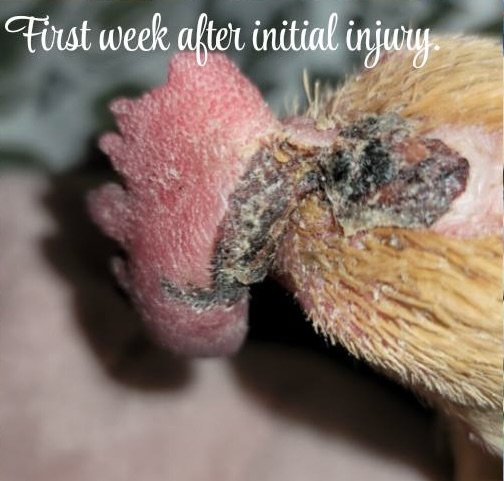
I also gave her a baby aspirin in applesauce twice a day to help with the pain. It definitely helped reduce her pain.
During the first week, I used liquid bandage, which helped the healing process, kept it clean, and helped protect the area.
Week 2: The rest of the recovery was focused on wound care. I washed the site every day for the first two weeks. Each time, more of the dried blood would come off. I never scrubbed it or pushed it too hard because it was sensitive.
At one point there was a large scab. A better explanation was that it looked like an accumulation of dried pus and debris. I ended up removing that at one point, which bled a little bit. I applied some Blood Stop powder. Once I removed that scabbing, the healing went much faster as the medication could get to the surface of her skin more easily.
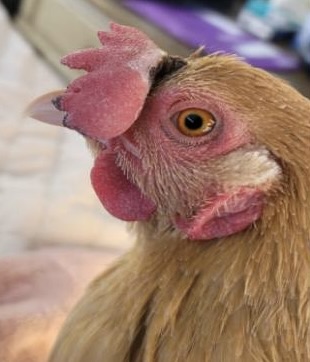
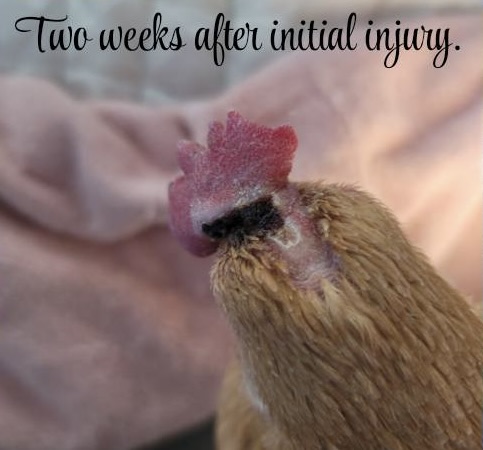
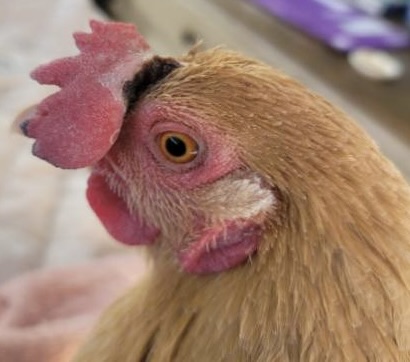
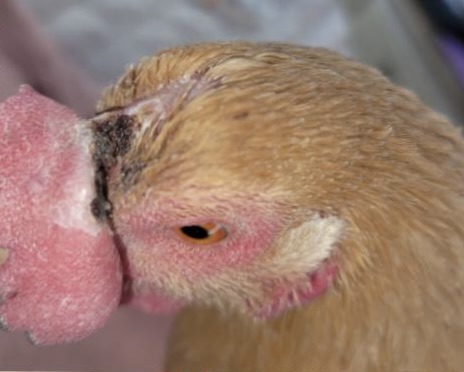
I used Silver Manuka Honey, which has antibiotic properties. It was very soothing and helped protect and lightly moisturize the area. I used it only when it appeared to need a little moisturizing. I washed the area with Wound Wash before applying the honey.
Week 3: I couldn’t put her outside with the others because they would have pecked the wound, and catching her daily to treat it would have been impossible. I kept her in my house because temperatures were below freezing and I wanted to give the comb every chance to heal so it wouldn’t die. I thought that frostbite could have been a real possibility.
After a couple of weeks when the temperatures were above freezing, I moved her to the crate I have in the work area of my coop. She had more room to move around and was nearer to her friends.
Once there was no more scab, I put her back outside with the flock. This created more stress because the rest just picked on her. It wasn’t severe, but my flock always got along, and I felt sorry for her. She was able to get enough food and water, and did go in the coop at night. I decided to wait it out. It took several days but she is much more accepted by the flock now.
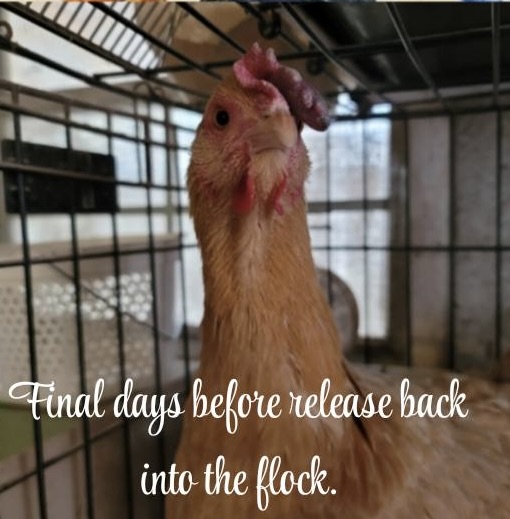
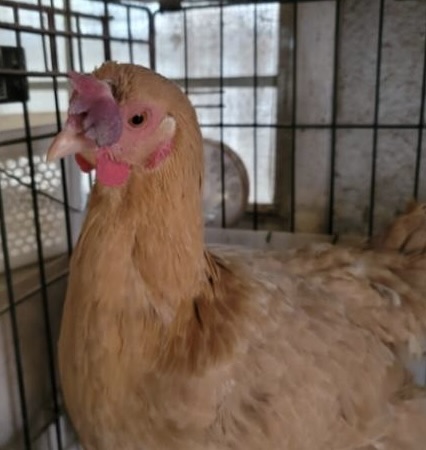
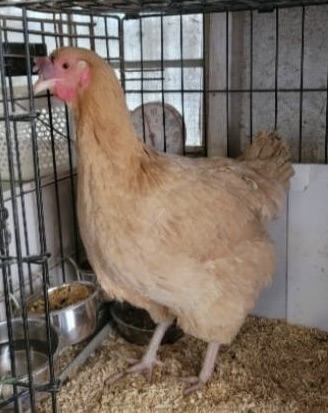
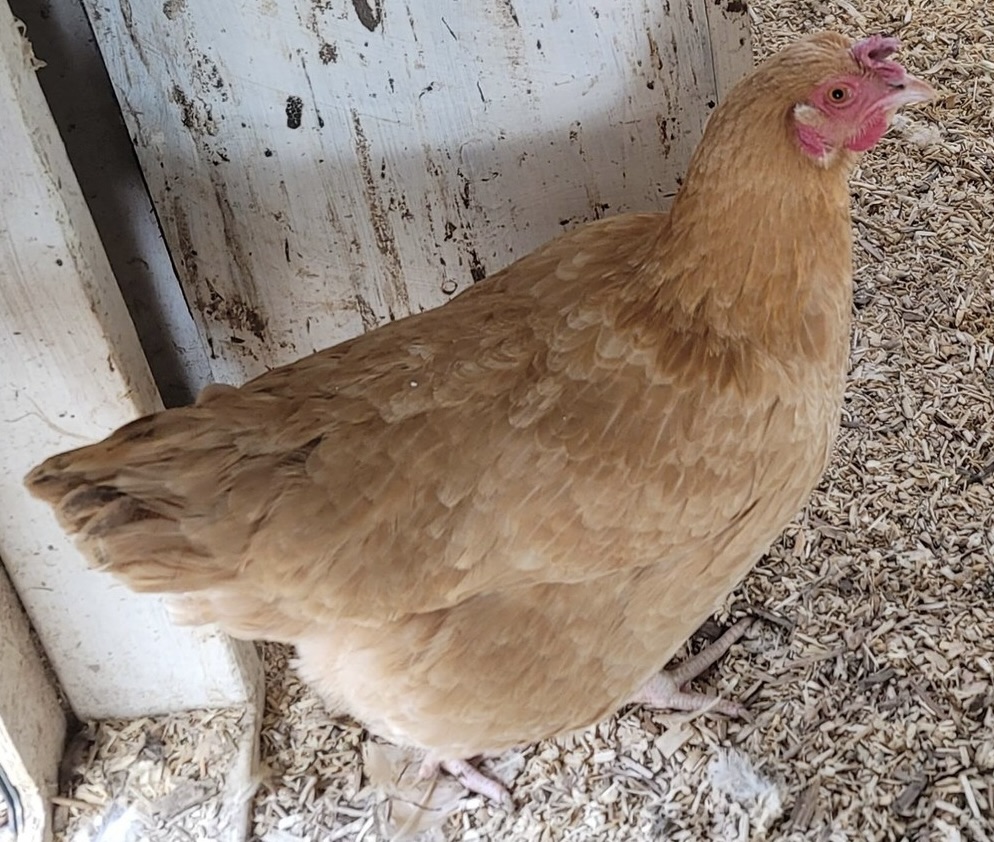
Week 4: It took about a month to heal. I’m also glad to report that the comb, although separated, has survived. It’s definitely made her look very unique!
Week 6: She has improved even more. When I first put her back in the flock, she was very aloof, keeping her distance. I wondered at one point if she had sustained some kind of neurological setback because she appeared a bit dopey.
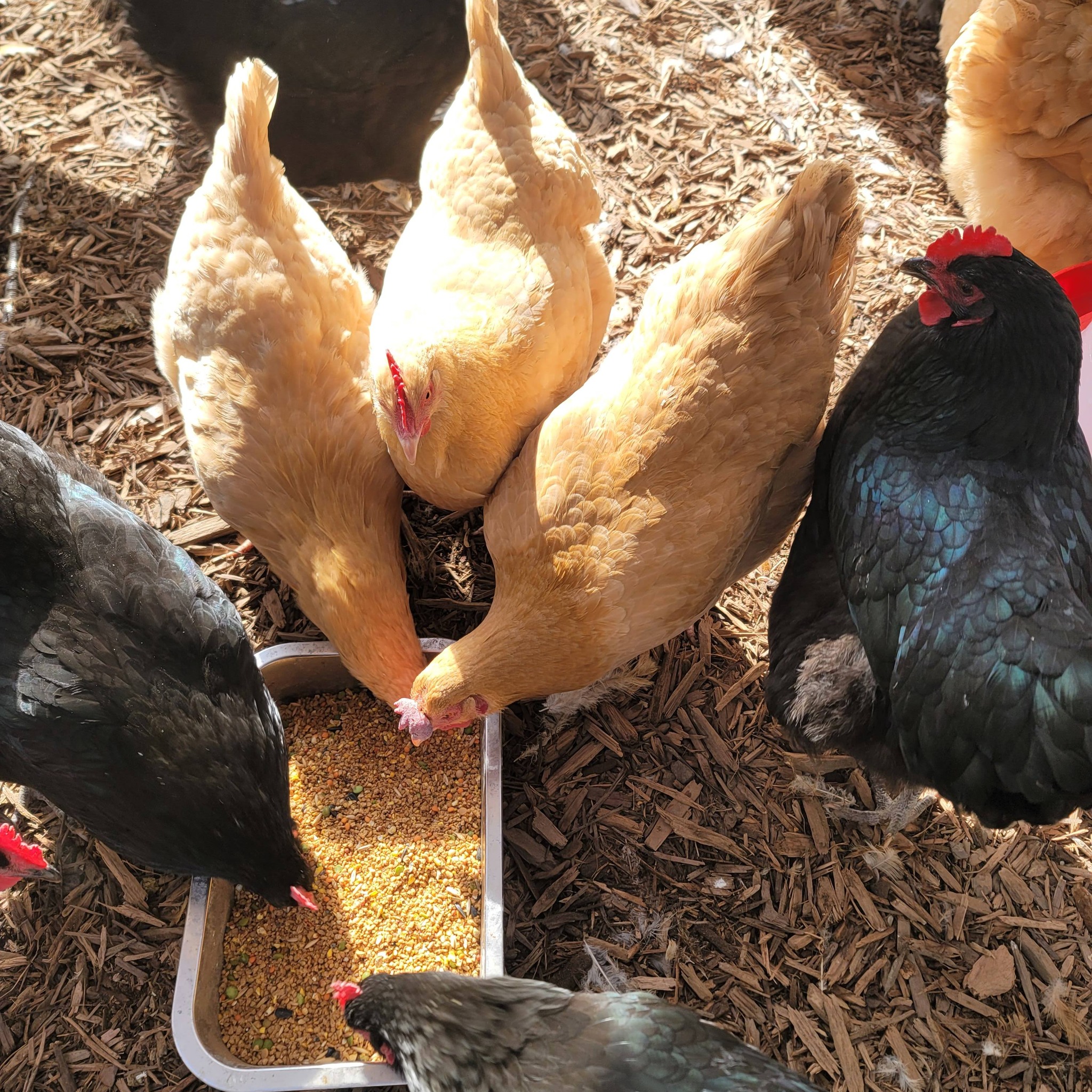
Now she is acting more like herself. Her comb has survived the cold as well, which means she has enough blood flow going through it to maintain a healthy colour. It’s just a bit off, but not bad at all. She’s also joining in with the flock and actively engages with them at the food bowl. This warms the soul.
Never give up on your birds. They are amazing creatures and there are always people who can help you with anything type of dilemma or situation you may face.
Bitchin’ Chickens’ Advice: As prey animals, chickens have adapted to hide their pain – that doesn’t mean they don’t suffer pain. The medication that most veterinarians prescribe for pain is Meloxicam (Metacam). If you don’t have access to it you can give ½ baby aspirin (81mg) diluted in 1 litre (1 quart) of water or give orally to ensure they get the full dosage. Do not give if there is a chance of internal bleeding as aspirin acts as a blood thinner and impedes clotting.
Dr Bowes’ (DVM) Advice: If the torn area still has a blood supply it won’t become necrotic and fall off. A vet could remove the comb and suture it. The DIY solution is to take a sharp pair of scissors or a scalpel and cut off the hanging piece. Be prepared to stop the blood flow. Aftercare includes pain management and topical antibiotic ointment.
Thanks to Janet Stangel for sharing her story and photos, used with permission. Featured photo: Cyndi Gurley
“Where nerds and hens flock together.”


Is the aspirin does a total of 81mg or 1/2 of a 81mg tablet?
LikeLike
Half of one 81mg tablet
LikeLike