
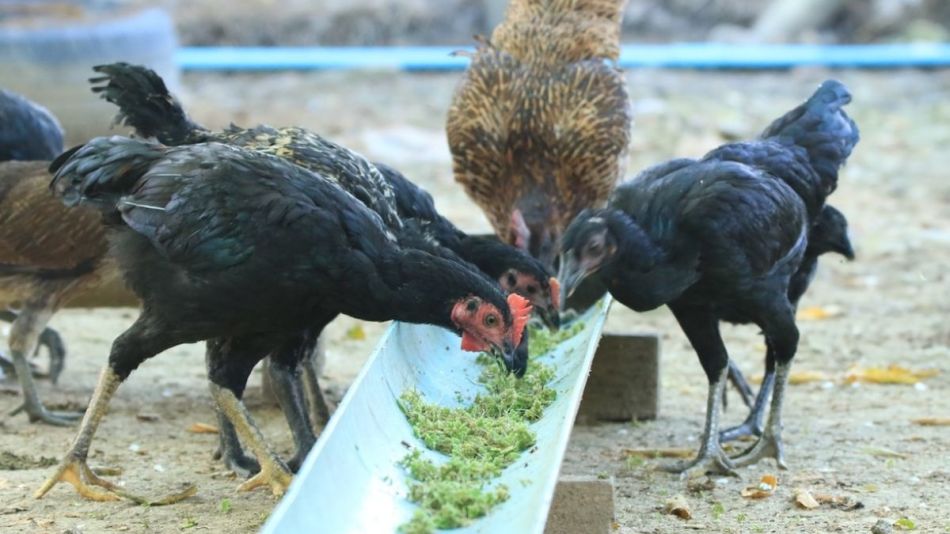
If you keep backyard chickens, you already know the constant balancing act between providing quality nutrition and managing feed costs. One plant that’s gaining attention among homesteaders and small-scale poultry keepers is Azolla – a tiny floating water fern that can grow quickly and provide a useful supplemental feed source for chickens.
Often called ‘green gold’ in regenerative farming circles, Azolla has been used for decades in parts of Asia and Africa as livestock feed and as a nitrogen-fixing companion in rice paddies.
What Is Azolla?
Azolla is a small freshwater fern that floats on the surface of still or slow-moving water. It forms dense mats of bright green to reddish foliage and reproduces rapidly under the right conditions. Its secret weapon is a symbiotic relationship with nitrogen-fixing cyanobacteria, which allows it to produce protein-rich biomass without needing heavy fertilizer inputs. For chicken keepers, that means fast-growing green feed from sunlight, water, and a little management.
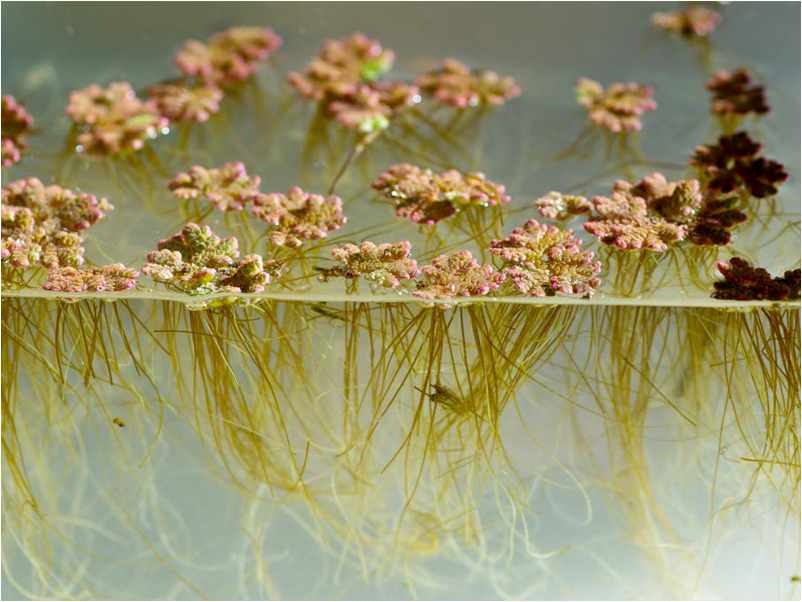
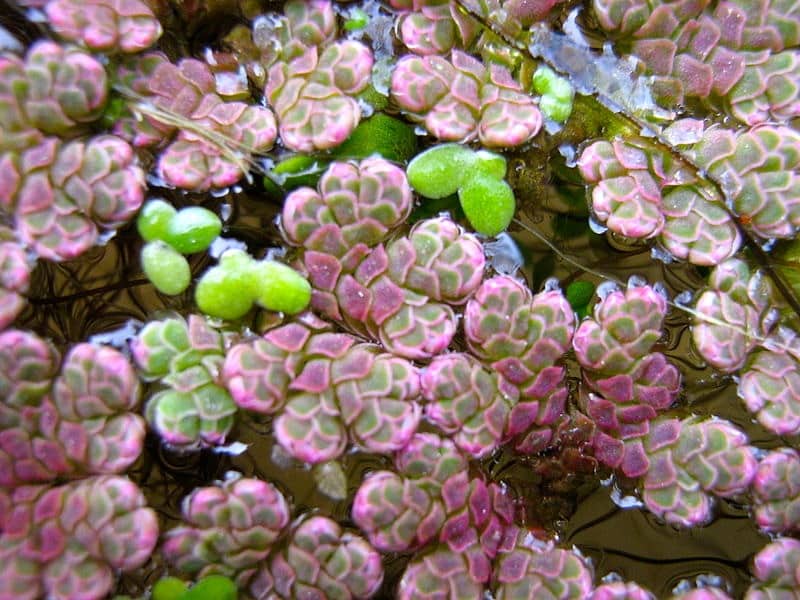
Photo credits: Azolla Foundation; Milkweed Permaculture; Shutterstock
Benefits of Growing Azolla for Chickens
High Protein Supplemental Feed Azolla is often reported to contain 20–30% crude protein on a dry matter basis, depending on growing conditions and species. It also provides amino acids, minerals, and vitamins, which makes it especially valuable as a supplement to a balanced ration – not a total replacement for layer or grower feed. Chickens often enjoy pecking at fresh Azolla, especially when mixed with mash, grains, or kitchen scraps.
Low-Cost Feed Production Once established, Azolla can be grown in shallow ponds, tubs, troughs, kiddie pools, or lined pits with minimal infrastructure. Inputs are low: sunlight, water, trace nutrients and occasional maintenance. For homesteaders looking to reduce purchased feed costs, Azolla can help stretch commercial feed further.
Sustainable and Regenerative Azolla grows rapidly and absorbs nutrients from water. It can be integrated into systems that recycle fertility, such as using diluted manure tea (carefully managed and safely composted sources only) or nutrient-rich garden water. It also captures carbon through fast biomass growth and can double as compost or mulch if you produce more than your flock can eat.
Good Source of Micronutrients Azolla may provide calcium, iron, magnesium, beta carotene and some B vitamins. These nutrients can support general flock health when included as part of a varied feeding system.
Great Chicken Enrichment Fresh Azolla turns feeding time into foraging time. Tossing a handful into a run tray or shallow pan encourages natural scratching and pecking behaviour. Bored chickens are mischievous chickens – enrichment matters.
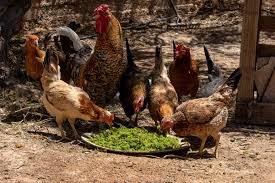
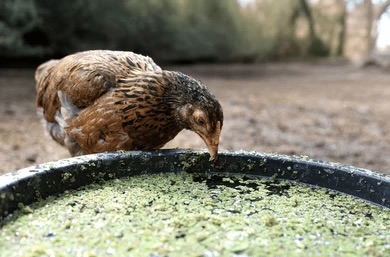
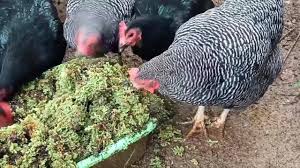
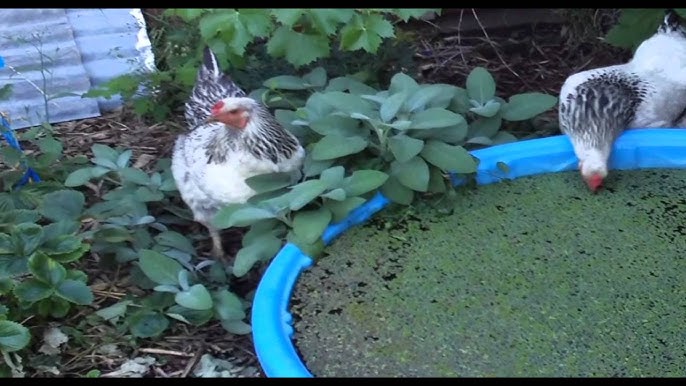
Photo credits: Al Jazeera; Shutterstock; Unknown
What Are the Drawbacks?
It Is a Supplement, Not a Complete Feed This is the biggest point to understand.Azolla does not replace a nutritionally balanced commercial ration for laying hens, chicks, or meat birds. Chickens need precise levels of energy, amino acids, calcium, phosphorus, and other nutrients. Think of Azolla as a green feed, protein booster, cost reducer and enrichment. It’s not a total diet.
Seasonal Growth Limits Azolla performs best in warm temperatures and moderate sunlight. In cold climates or during winter, growth can slow dramatically or stop. If you live in a northern region, you may need greenhouse protection, indoor tubs with light and seasonal production planning.
Requires Water Management Stagnant tubs can become unpleasant quickly if neglected. Common issues include: mosquito breeding, algae overgrowth, nutrient imbalance, foul odours and contamination from droppings or runoff. Clean water and regular harvesting are important.
Can Crash Suddenly HealthyAzolla can grow fast and then collapse fast if conditions change. Common causes include overheating, nutrient depletion, pH swings, overcrowding, contamination and too much direct scorching sun. Many growers learn this the hard way.
Chickens May Need Time to Accept It Some birds devour Azolla immediately. Others stare at it like you’ve offered them alien pond confetti. Mixing small amounts into familiar feed usually helps.
Azolla vs Duckweed: Which Is Better?
Duckweed is another floating aquatic plant often grown for poultry feed. Both can be useful, but they differ in important ways.
| Feature | Azolla | Duckweed |
| Plant Type | Floating fern | Flowering aquatic plant |
| Protein Potential | High | High |
| Growth Speed | Fast | Often faster |
| Nitrogen Fixing | Yes | No |
| Texture | Slightly fibrous | Softer |
| Chicken Acceptance | Moderate to good | Often excellent |
| Cold Tolerance | Moderate | Species dependent |
| Harvesting | Easy mats | Tiny floating grains |
| Uses Beyond Feed | Compost, mulch, biofertility | Feed, water treatment |
Why Choose Azolla? Choose Azolla if you want protein-rich biomass, regenerative fertility systems, easy mat harvesting or dual use as compost/feed.
Why Choose Duckweed? Choose duckweed if you want extremely fast growth, soft texture birds may eat readily or strong water nutrient uptake.
Best Option? Grow Both Many backyard keepers experiment with both and let conditions decide which thrives.
How Much Should You Feed? As a general practice, Azolla is best fed in moderation alongside a complete ration.Fresh greens are valuable, but sudden large changes in diet can reduce intake of balanced feed. Start small and observe egg production, body condition, poop and activity levels. Your chickens will give honest feedback.
Simple Growing Setup A beginner Azolla system can be as simple as a shallow container or pond liner, 4”–8” of water, partial sun, starter culture, small nutrient source and regular harvesting. Harvest lightly and often to keep growth vigorous.
Azolla is one of the most interesting homegrown supplemental feeds available to backyard chicken keepers. It’s productive, sustainable, nutrient-rich, and surprisingly simple once dialled in. Is it magic? No. Is it useful? Absolutely.
If you’re looking to reduce feed costs, add diversity to your flock’s diet, and create a more regenerative backyard system, Azolla deserves a trial run. And if you’re already growing duckweed too? Even better.
Featured photo credit: Echo Asia
“Where nerds and hens flock together.”


0 comments on “Superfood For Chickens: Azolla”