
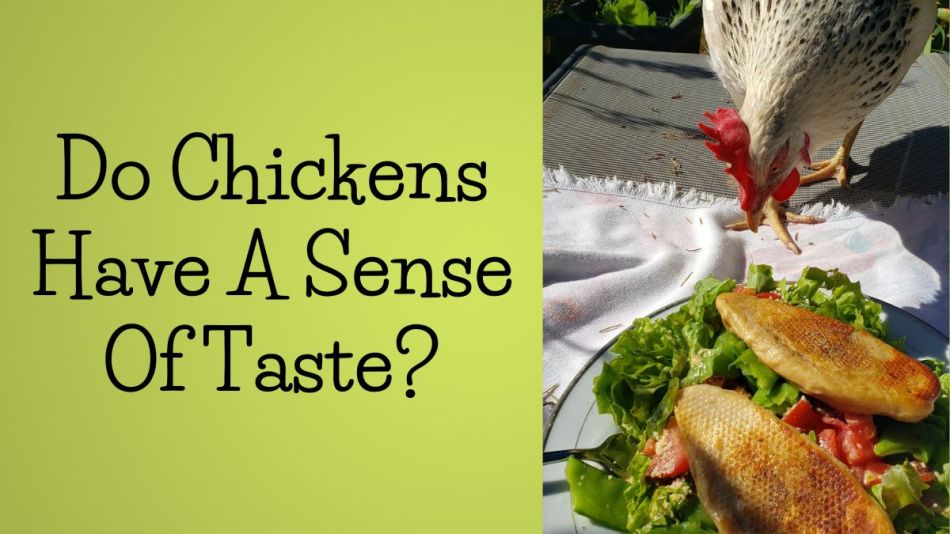
I’m always curious about what my chickens like to eat or not – and why. Somehow they know before even trying it. I can toss various potential foods on the ground and their reactions are quite different. They love carbs of any kind (pasta, bread, rice), peas and chickpeas, but won’t even attempt to nibble others (strawberries, peppers). I’ve talked to other chicken keepers to compare notes: their flock loves things mine don’t and vice versa, so their preferences aren’t universal.
If you’ve ever watched a chicken enthusiastically devour something questionable while rejecting a perfectly good treat you might wonder: can chickens actually taste what they’re eating? The answer is yes, but their sense of taste is very different from ours, and it plays a unique role in how they interact with food and their environment.
How Many Taste Buds Do Chickens Have?
Compared to humans and many mammals, chickens have far fewer taste buds.
- Chickens: ~240–360 taste buds (varies by breed and sex)
- Humans: ~8,000–10,000 taste buds
- Cats: ~470 taste buds
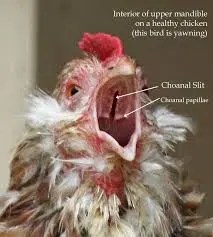
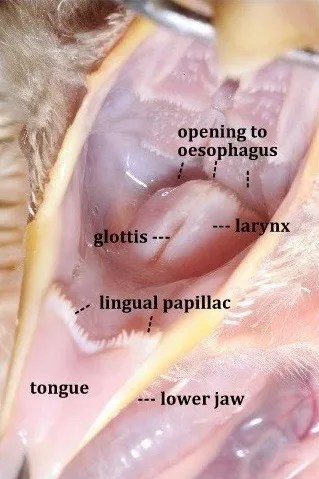
Most of a chicken’s taste buds are located on the roof of the mouth (palate), the base of the tongue and the floor of the oral cavity. Unlike humans, chickens have very few taste receptors on the tip of their tongue so they don’t taste food the moment they touch it. Instead, taste perception happens more after food is already in the mouth.
What Can Chickens Taste?
Chickens can detect several basic categories of taste, though not all are equally developed:
- Bitter (well developed): Chickens are quite sensitive to bitter tastes, which is important for survival. Many toxic plants contain bitter compounds, so this helps chickens avoid harmful substances. That said, their bitterness threshold is higher than in humans, meaning they may still consume things we’d immediately reject.
- Sweet (limited): Chickens have a weak ability to detect sweetness. They lack the full set of sweet taste receptors found in mammals, but research shows they can still respond to certain sugars, just not as strongly as we do. This is why chickens may enjoy fruit, but they don’t crave sugar the way humans do.
- Salty (moderate): Chickens can detect salt, but they prefer low to moderate salt levels. High concentrations are generally avoided.
- Sour (moderate): They can detect acidity, which may help them identify spoiled or fermented foods.
- Umami (likely present): Evidence suggests chickens can perceive umami (savoury taste linked to amino acids), which would help them identify protein-rich foods like insects.
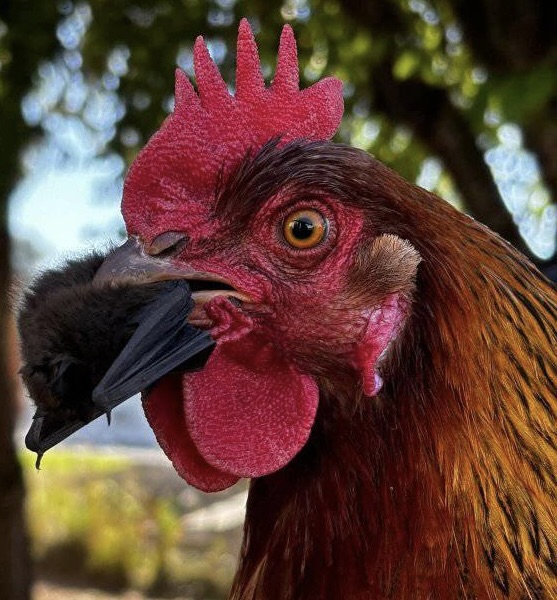
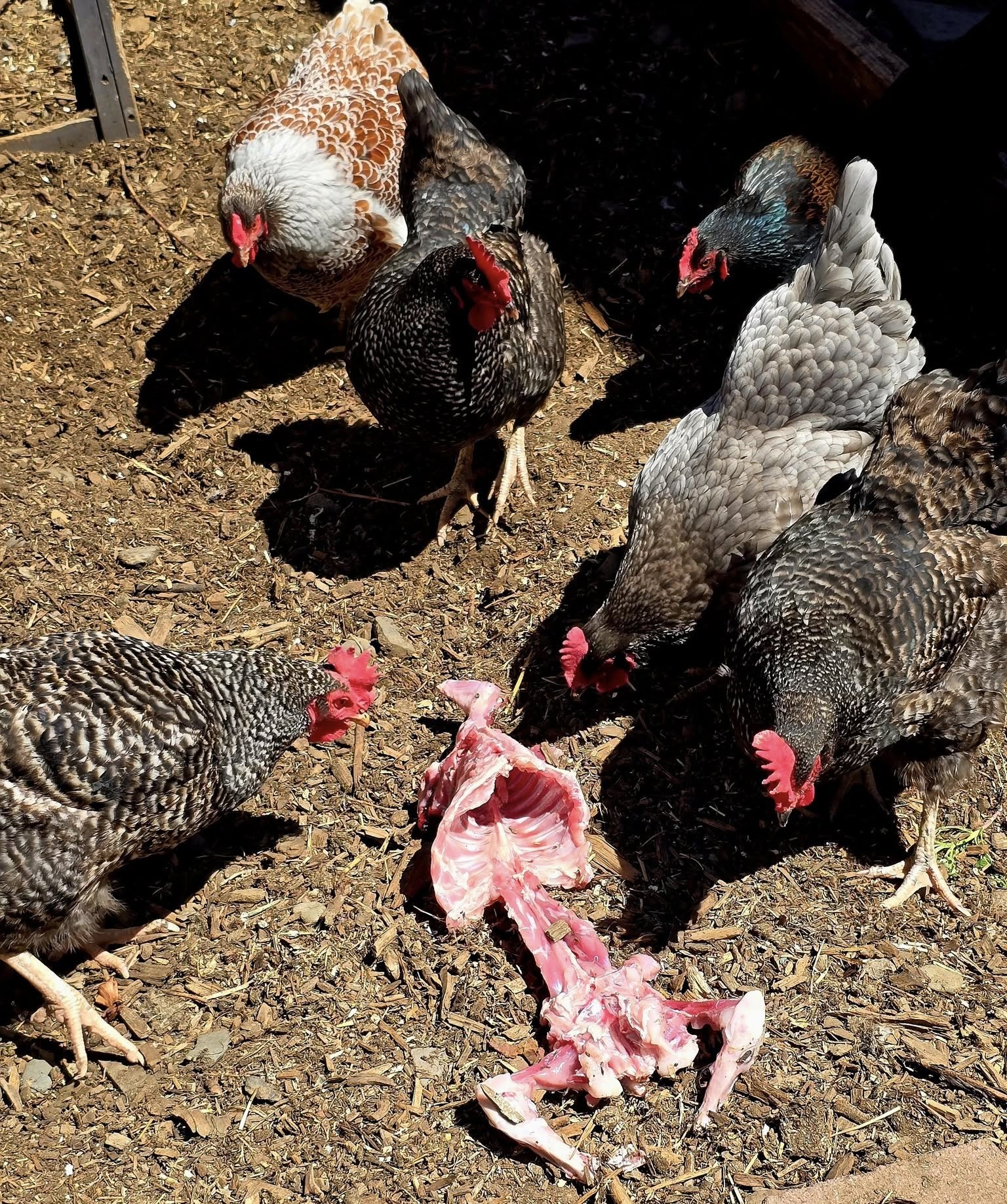
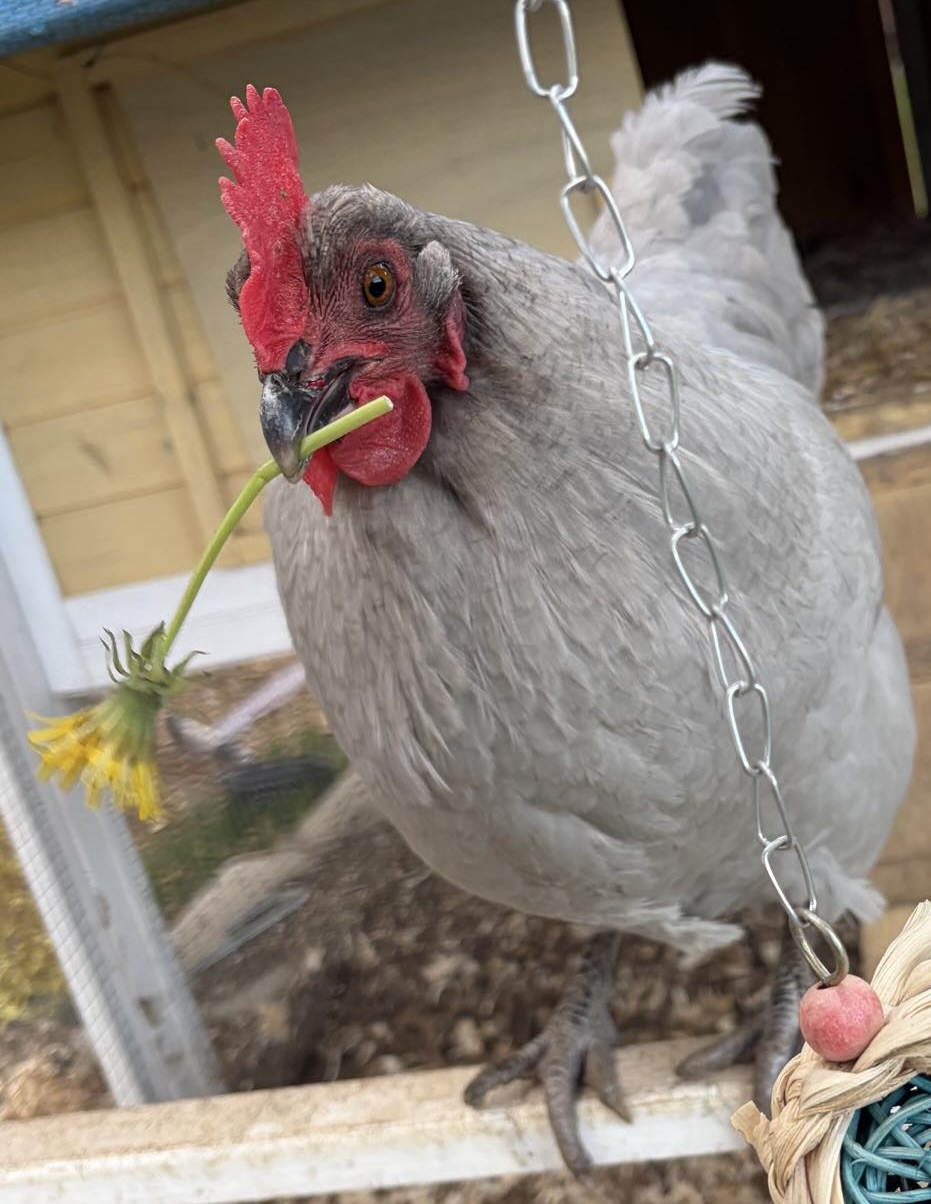
Photo credits: Unknown, Green Lady Urban Farm, Unknown
What Can’t Chickens Taste Well?
- Complex flavours: Chickens don’t experience the layered flavour profiles humans enjoy.
- Subtle sweetness: Their sweet detection is limited.
- Spiciness (capsaicin): Chickens are insensitive to capsaicin, the compound that makes chilli peppers hot. This is why chickens can eat hot peppers without discomfort, something often thought to be a natural deterrent of internal parasites when added to their feed.
How Do Chickens Choose Food?
Taste is only one part of the equation. Chickens rely heavily on other senses and instincts:
Vision: Chickens have excellent colour vision and are strongly influenced by colour (they’re often drawn to red, orange, and green), movement (wiggling = edible insect) and contrast.
Texture and Feedback: The beak is highly sensitive. Chickens assess hardness, moisture and shape. They often “test peck” items before committing.
Learning and Experience: They quickly learn what is safe to eat, what causes discomfort and can develop longterm aversions after negative experiences (e.g. illness after eating something).
Social Learning: Chickens observe flockmates. If others eat something safely, they’re more likely to try it or if something is avoided, they may avoid it too.
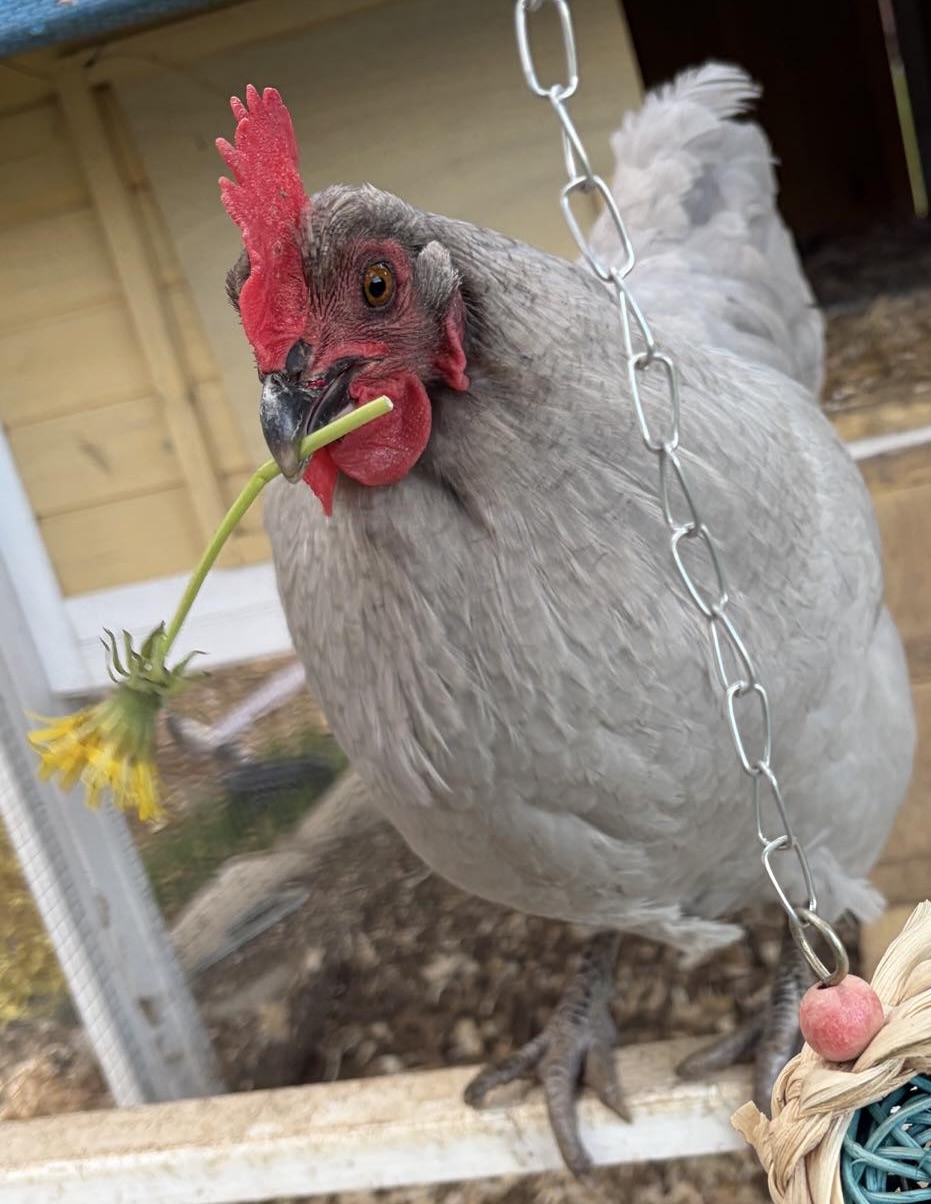
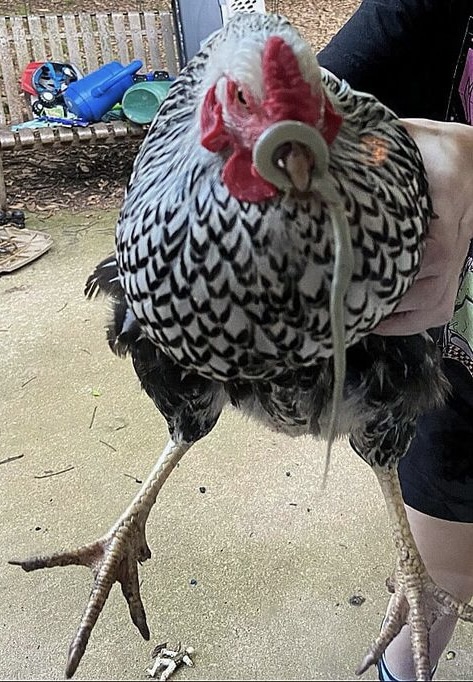
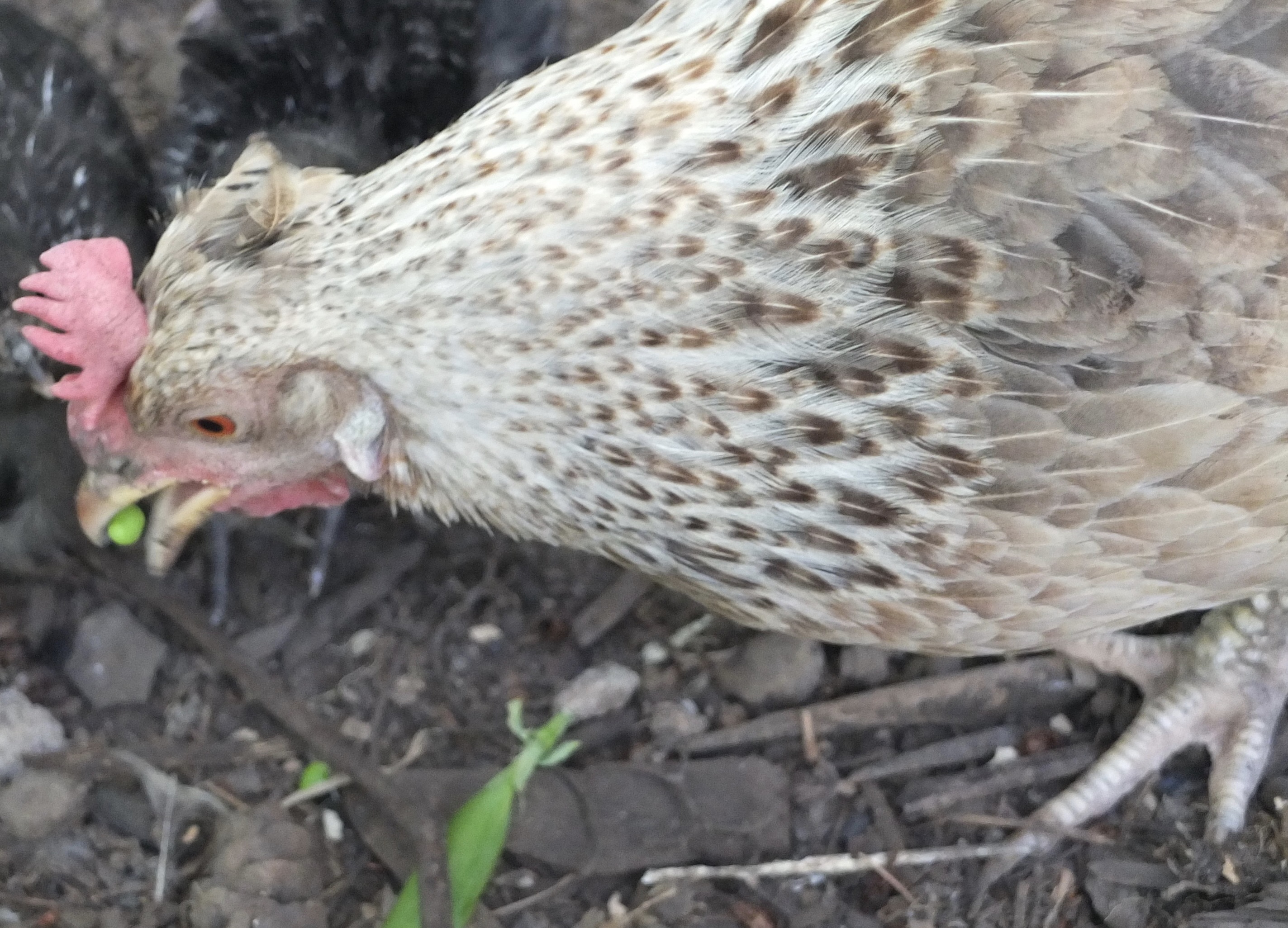
Photo credits: Kaylee Duncum, Melissa Newman, Bitchin’ Chickens
Why This Matters for Chicken Care
Understanding how chickens perceive food can help improve their welfare:
- Feed acceptance: Bright, fresh-looking foods are more attractive
- Medication delivery: Bitter medications may be rejected unless masked
- Toxicity awareness: Chickens can eat harmful plants if bitterness isn’t strong enough
- Enrichment: Variety in texture and appearance is more engaging than flavour alone
Chickens do have a sense of taste, but it’s simpler, less sensitive, and less central than in humans. Instead of relying heavily on flavour, chickens use a combination of vision, texture, experience and instinct to determine what’s edible.
So when your chickens ignore a carefully prepared treat but chase a moving speck of dirt? That’s not bad taste it’s biology doing exactly what it evolved to do.
References & Credits
- Gentle, M.J. (1972). Taste preference in the chicken (Gallus gallus domesticus). British Poultry Science.
- Kudo, K., & Shiraishi, J. (2014). Taste perception and feeding behaviour in chickens. Journal of Poultry Science.
- Roura, E., Baldwin, M.W., & Klasing, K.C. (2013). The avian taste system: Potential implications in poultry nutrition. Animal Feed Science and Technology.
- Kuang, D., et al. (2018). Molecular characterization of taste receptors in chickens. Poultry Science.
- National Research Council (NRC). Nutrient Requirements of Poultry.
Featured photo credit: Ella Lee
“Breaking down chicken science, one cluck at a time.”


I notice my chickens picking up food and rotating it in their mouth a little bit before deciding to eat it or drop it. I love how each chicken has their own favorite foods. They are unique individuals
LikeLike