
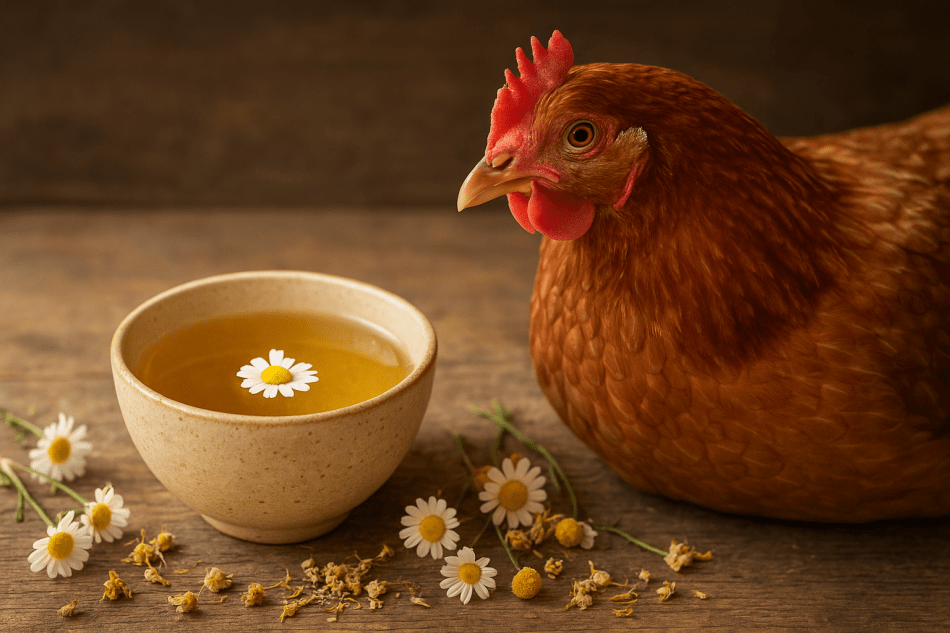
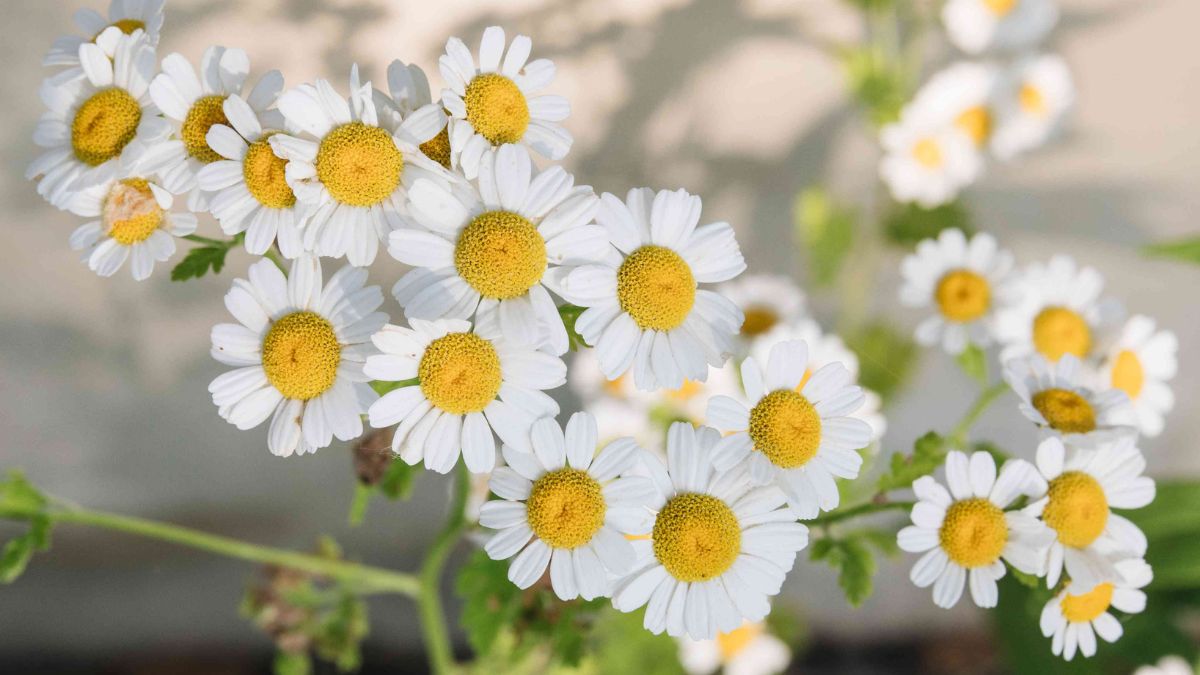
Full disclosure: I hate the smell of chamomile. To me, it smells like cat urine, but I’ve put aside my biases to present chamomile in a different light. Apparently it isn’t just for bedtime tea – it can be a useful herb for chickens too. Known for its calming, anti-inflammatory, and antimicrobial properties, chamomile (Matricaria chamomilla or Chamaemelum nobile) has been used in both traditional and veterinary medicine for centuries. When used thoughtfully, it can help soothe stressed birds, support healing, and even deter parasites.
Chamomile contains a cocktail of bioactive compounds that make it more than just a pleasant-smelling herb:
• Apigenin and luteolin – Flavonoids that act as natural anti-inflammatories and mild sedatives.
• Bisabolol and chamazulene – Essential oil components that reduce swelling and inhibit bacterial growth.
• Coumarins and terpenoids – Compounds with antioxidant and mild analgesic properties.
Together, these substances make chamomile a gentle but effective herbal aid for maintaining chicken health.
Benefits For Chickens
• Stress Reduction and Calm Chamomile tea in the waterer can help calm anxious birds – particularly during stressful events like transport, flock integration, or predator scares. It’s also popular with keepers who raise high-strung breeds or roosters prone to agitation.
• Wound and Skin Care A cooled chamomile infusion or diluted essential oil (never full strength) can be used to clean minor wounds, soothe pecking injuries, or reduce inflammation from insect bites. Its antimicrobial and healing properties help prevent infection while promoting tissue repair.
• Eye and Respiratory Support Because of its anti-inflammatory effects, chamomile tea (once cooled and strained) is sometimes used as a gentle eyewash for mild irritation or sinus inflammation. It can help reduce puffiness and discharge when used carefully with clean cotton pads.
• Digestive Health Chamomile is a mild digestive aid, easing upset stomachs and supporting gut balance after antibiotic use. When offered occasionally as a tea or feed additive, it may help maintain a healthy intestinal microbiome.
• External Parasite Deterrent The strong scent of chamomile is said to deter some mites and lice. I’m not so sure that advice is based in science but adding a handful of dried chamomile in dust baths or nesting boxes can keep the coop smelling fresh.
How To Use Safely
• Tea for Water Additive: Brew one chamomile tea bag (or one tablespoon of dried flowers) in a cup of hot water. Let it cool completely and add up to one cup of tea per gallon of drinking water.
• Topical Applications: Use cooled tea or a diluted essential oil (1 drop per tablespoon carrier oil) for gentle skin treatments.
• In Bedding or Dust Baths: Mix dried chamomile flowers into nesting material or dust baths.
• Frequency: Use occasionally; continuous dosing isn’t recommended. Herbs work best as supportive therapy, not daily supplements.
When To Avoid Or Limit Use
- Allergic Sensitivity: Rare but possible in birds – monitor for skin irritation or swelling after topical use.
• Interaction with Medications: Because chamomile can mildly thin blood and enhance sedative effects, avoid combining it with other herbal or pharmaceutical treatments unless advised by a vet.
• Essential Oil Caution: Use only in very dilute form – essential oils are potent and can irritate birds’ sensitive respiratory systems if over applied.
Chamomile is one of the safest and most versatile herbs in the chicken keeper’s toolkit. From calming nerves to soothing wounds, it offers natural support without harsh side effects. Used mindfully, it’s a gentle way to promote peace and health in your flock because sometimes, your hens deserve a little herbal spa day.
“Practical science for chicken keepers who care.”


0 comments on “Natural Remedy For Chickens: Chamomile”