
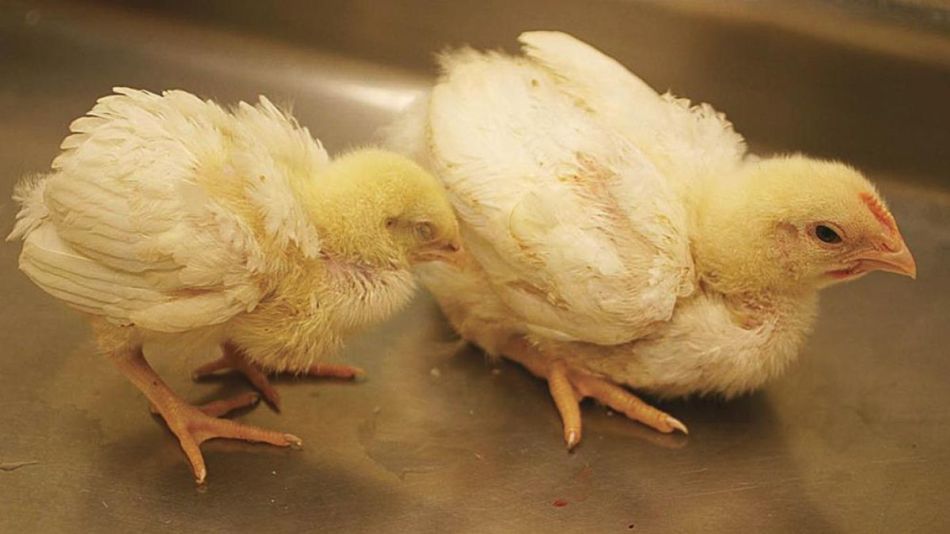
Whether you hatch or buy chicks, sometimes there’s one who just doesn’t keep up – smaller, quieter, maybe not eating or growing like the rest. Chicken keepers often call these chicks ‘runts’, ‘stunted’, or ‘failure to thrive’. But what’s actually going on inside these little birds?
The terms are related, but not truly interchangeable – each carries a slightly different emphasis, especially depending on whether you’re talking about backyard flocks, veterinary medicine, or commercial poultry science.
Failure To Thrive (FTT) isn’t a specific disease – it’s a clinical description for chicks that fail to grow and develop normally compared to flockmates, despite similar access to feed, water, and environment. It doesn’t imply a specific cause, just that something is wrong with growth or vitality and can include nutritional, environmental, infectious, or congenital factors
Runting is more of a colloquial term used by poultry keepers which describes a bird that’s noticeably smaller or weaker – often the ‘runt of the litter’. There may not be an identifiable cause and can either be temporary (a chick that catches up later), or permanent.
Stunting is a scientific term that usually means permanent growth retardation due to a defined cause, like malnutrition, viral infection, or toxin exposure. It’s commonly used in research and commercial poultry contexts caused by reoviruses or other pathogens and implies measurable growth impairment, not just looking small.
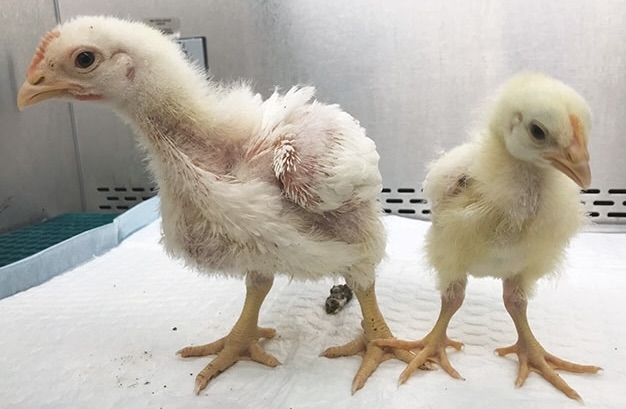
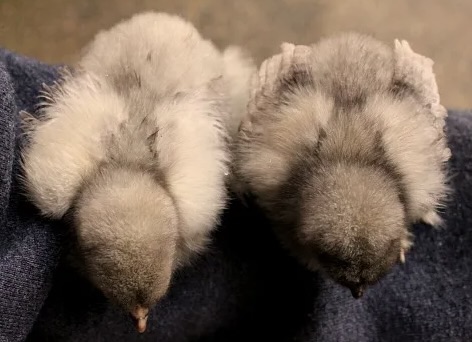
Photo credits: Unknown; Canadian Poultry Magazine; Mavis Butterfield
Common Causes
Poor Early Nutrition
- Chicks rely heavily on the nutrient content of their starter feed in the first weeks. Diets low in protein, vitamins (especially A, D, E, and B-complex), or trace minerals like selenium and zinc can impair muscle and bone growth. Malnutrition in the first week can permanently limit body size.
Improper Brooder Conditions
- Temperature extremes, drafts, or damp bedding stress chicks and divert energy away from growth. Chronic chilling or overheating reduces feed intake and digestive efficiency. Humidity that’s too low can also affect hydration and yolk absorption in newly hatched chicks.
Pathogens
- Viral: Reovirus, Adenovirus, and Rotavirus infections can cause runting-stunting syndrome (RSS).
- Bacterial: Early infections with E. coli or Salmonella can slow growth.
- Parasitic: Coccidiosis or heavy roundworm loads divert nutrients and stunt development.
Incubation Or Hatch Issues
- Poor incubator temperature, humidity, or turning can cause incomplete yolk absorption and organ underdevelopment, leading to weak chicks. Those that survive hatch may never fully catch up.
Genetic Factors
- Some runts inherit metabolic or skeletal abnormalities that make them smaller or less robust from the start. Inbreeding can increase the occurrence of genetic defects, especially in small backyard breeding flocks.
Mycotoxins In Feed
- Mold-contaminated grains damage the liver and gut lining, leading to poor nutrient absorption and growth failure, which can be overlooked in home-mixed feeds.
Symptoms
- Noticeably smaller than brood mates
- Droopy wings, hunched posture, low activity
- Pasty butt or chronic diarrhea
- Poor feathering, pale comb
- Constant peeping (discomfort)
- Eats or drinks less, or gets pushed away from feeders
Chicks showing these signs need immediate evaluation.
Treatment
- Supportive Care: Keep weak chicks in a warm, draft-free area with easy access to clean water and high-quality chick starter. Offer electrolyte/vitamin supplements short-term.
- Nutrition Boost: Products containing probiotics, amino acids, and trace minerals can help stabilize gut flora and nutrient absorption.
- Check Feed Freshness: Old or damp feed loses vitamin potency and may harbour mold.
- Treat Or Prevent Infection: If coccidiosis or bacterial infections are suspected, consult a vet for appropriate medication.
- Euthanize Or Isolate Severe Cases: Some chicks will not recover and can harbour contagious infections. Removing them prevents spread and reduces stress on the rest of the flock.
Prevention
- Use only fresh, balanced chick starter (21-22% protein for the first 4-6 weeks).
- Preheat brooders to 32-35°C (90-95°F) before chicks arrive, then reduce temperature gradually 5C/week.
- Maintain clean, dry bedding and disinfect between batches.
- Provide continuous access to clean water.
- Avoid overcrowding – it raises stress and disease risk.
- Buy chicks from reputable hatcheries with known vaccination programs and breeder health controls.
When Runting Is Widespread
If several chicks from the same source show poor growth suspect:
- A viral or bacterial contamination at hatchery level.
- Feed storage or formulation errors.
- Genetic weakness in a particular breeding line.
In such cases, necropsy or veterinary diagnostics can identify the cause and prevent future losses.
Failure to thrive is a symptom, not a single disease. It’s your flock’s way of saying something – feed, genetics, infection, or management – isn’t quite right. Paying attention to brooder conditions, nutrition, and hatchery sourcing dramatically reduces the odds of getting ‘runts’ that never catch up. Healthy starts make bitchin’ chickens.
Citations
- Jones RC et al. “Runting–Stunting Syndrome of chickens: infectious causes and pathology.” Avian Pathology. 2019.
- University of Georgia Poultry Science Extension. “Causes of Stunting in Chicks.” 2022.
- National Research Council. Nutrient Requirements of Poultry, 10th ed., 1994.
- Cornell Small Farms Program. “Chick Brooding and Early Growth.” 2021.
- Barta JR, et al. “Impact of coccidiosis on growth and feed conversion in young chickens.” Poultry Science. 2020.
- USDA Animal & Plant Health Inspection Service. “Poultry Health Monitoring and Disease Prevention Guide.” 2021.
“Where Science Meets The Brooder”


As always, I greatly appreciate the informative articles that you carefully produce. Keep up the good work! I do have a question:A couple of weeks ago I went out to feed my free range chickens their supper. I found one of my roosters, Dude, with severely swollen wattles. He has a very large comb and wattles and they were so swollen he couldn’t hold his head up. Dude is normally a very healthy rooster and always has been. I didn’t take pictures but one wattle fit
LikeLike
Thanks for the feedback. Swollen wattles can be a symptom of Infectious Coryza, snake bites or bee stings. If you’ve got photos that would help. How’s he doing now. In future, you can contact me by using the ‘contact’ button on my homepage.
LikeLike