
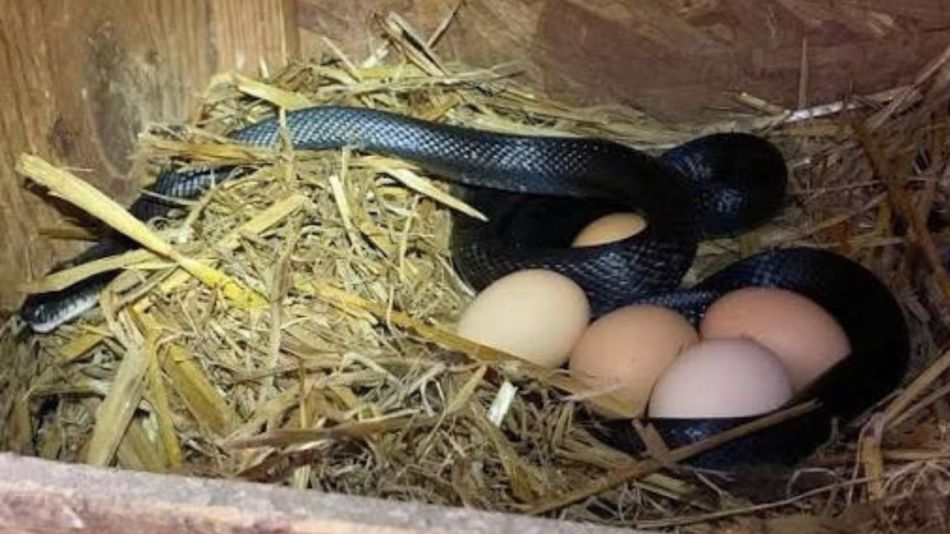
I’m a chicken keeper and a naturalist. Not all poultry folks are both. The responses to encounters with wildlife run the gamut: from acceptance that those species have the right to exist, to working harder to predator proof coops and runs and restricting birds’ free-ranging access, and all the way to wanting to eradicate every form of wildlife on a property whether those animals have shown any predatory behaviour ‘just in case’.
I live in an island with few native predators: mink, marten, raccoons, hawks, owls, ravens and, of course, dogs. I am fortunate, in that, I’ve had relatively few negative interactions with potential predators. I live on a small acreage surrounded by forest and some of my neighbours have had to contend with both mink and raccoons.
I recognize that I don’t have to deal with the risk of big predators: coyotes, fox, bobcats and bear, or the exotics like large snakes and alligators. I feel for the folks that do. And, of course, not all encounters with wildlife are negative. Many chicken keepers have stories of feeding wildlife as a means of deterring them from predating on their flock, or co-existing animals that live on their property without harming livestock.
As we encroach on, or destroy, the natural habitat of many species we’ll have more encounters with those seeking an easy meal. A knee-jerk reaction would be to kill anything that might pose a threat to our flock – a strategy that can backfire as more animals may move in to fill the void. Many folks’ means of controlling those predators can be cruel: leg hold traps, poison, or tempting snakes to eat indigestible fake eggs. A more meaningful response would be to figure out how we can keep our birds safe without eradicating other species. Or if we can’t live with those predators are we able to relocate them?
One of the greatest challenges wildlife faces is not always direct harm but it is misunderstanding. Snakes are often killed simply because they are snakes. Education changes that. When people learn that most snakes would rather avoid humans, they may choose to give one space instead of reaching for a shovel. Coexistence does not mean ignoring genuine conflicts. It means responding thoughtfully, humanely, and with respect for both people and wildlife. Practical solutions are often available and they are almost always better than fear-based reactions. Hopefully educating chicken keepers about snakes will engender a sense of stewardship and desire to protect them.
Since I don’t live in snake country I reached out to the Facebook groups Snake Rescue & Relocation Pensacola and Pro Snake Poultry Group, asking their members to share their experiences and photos with me. I had so much material I divided it into two posts. The former focused on the views of a snake rescue and this one, on practical ways to co-exist with snakes and protect your flocks.
I live in a very warm environment so walling in any pen is not advisable, except maybe a north wall. Hardware cloth is very expensive so it makes keeping a bunch of chickens hard to snake proof, so we don’t. I’ve never lost a standard sized adult chicken to a rat snake. I only hardware cloth halfway up the pen for ducks and around their chicken roosts to keep raccoons from reaching in. I keep a goose pair in each pen and with each chicken and duck group. I do have grow out pens that are completely snake proof. My children learned young how to identify snakes and we all just pick up a rat snake and move them to the woods. This is purely anecdotal and may be stupid but we have a lot of copperheads in my area. About 15 years ago I found that copperheads and cottonmouths often eat some of the same food and an area can only support so many predators. When we stopped getting rid of rat snakes and encouraged them to stay nearby it reduced the snakes we wanted to avoid. I actually “pay” my rat snakes by pitching some eggs into the wood line nearby and any non-venomous snake is just shooed away from people areas or physically moved to the woods or pond (for water snakes) around my pasture. I keep the grass cut short around my pens to discourage hiding places. I’m happy to report I haven’t actually seen a copperhead on my property in about five years and I see rat snakes all the time but rarely in my pens. – Criss Sanders
A predator will only go where there is food. If there’s a rat snake, chances are pretty high I have a rodent problem. Other than collecting eggs very often, sealing extra chicken food, and making my feeders difficult for rodents to access, I do not try to deter snakes. A giant, fat happy rat snake hanging around might be my only sign I have a rodent infestation. – Dani Elle
I tell my kids that if we’re doing our jobs, the snakes will get hungry and move on. In the coop, that means we gather eggs in a timely manner and prevent feed waste/messes. Textured feeds mean chickens will search for their favorite parts and toss the rest aside. Pelleted feeds mean no waste or mess. No mess means no rats. No rats means fewer snakes. – Kaci Renea
Please, please do not use the fake eggs unless you are going to glue them down. As a chicken owner, wildlife rehabber and zookeeper it is heartbreaking to see a snake that has swallowed one and if it doesn’t receive help, will die a slow painful death. – Sara Leppert
Our chickens coexist with several rat snakes. They keep the rats away and eat an egg here and there. The only problem would be with chicks. We keep them somewhere else. – Kris Espinoza
We live in the woods and have found mobile coops to be the best option for us. Without fail, our stationary coops house a snake until I catch it in action. Sometimes that’s days without eggs. I have seen one snake in our mobile coop and caught it before it ate all the eggs so that’s a win. I’ve found using buckets as a nest box makes it easy to relocate one when needed. Just put the lid on and it gets a snack to-go. – Jessica Eggleston, PJ Peeks
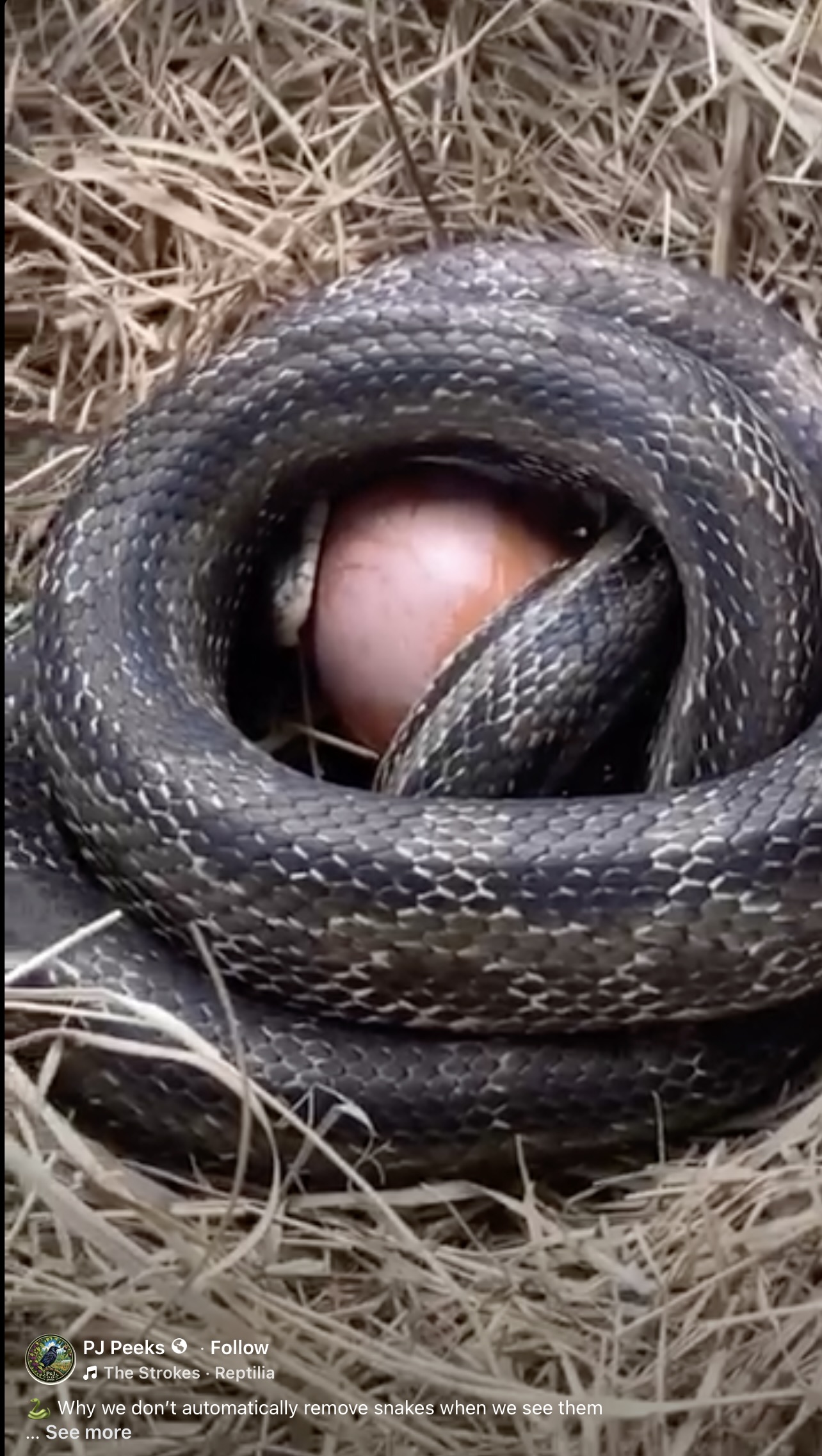
Click on this link to watch the video
We get a lot of rat snakes here in South Carolina & haven’t had a problem with them bothering the chickens until a huge one tried to swallow my 11 year old hen. It suffocated her. I had to remove this water bucket because they were using it to cool off. It’s hard to tell but it’s under water here. – Susan Ritchie Delaney
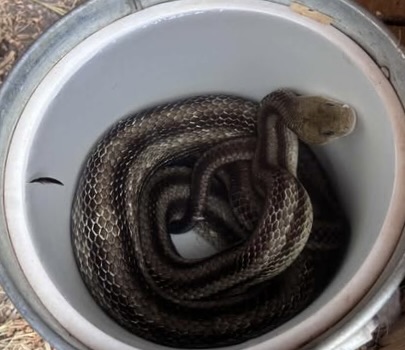
Unless you keep your yard with nothing but dirt, completely empty and cover every hole and crack in a run/coop and prevent rodents from showing up to eat spilled chicken feed, there isn’t a way to snake proof. I’ve encountered rat snakes and rattlesnakes. All relocated; well, all but one, were safely relocated. – Angela Braun
I move to brush piles and hay barns away from my nests that have enough for them to eat. Have enough eggs to pay the egg tax, snakes are better than rats! – Terry Gray
1/8” hardware cloth on entire coop/run makes it predator proof. I humanely relocate any that I feel are in danger, but they can stay if they want. I have not seen a rodents my yard, except squirrels. – Erin Andrew Baker
In terms of danger to poultry here is what I have experienced:
Garter Snake: no risk at all unless the snake is huge and there is a sick or small chick that looks like it could be eaten. Mature birds are not at all threatened by Garters and will actually often kill them if they encounter them.
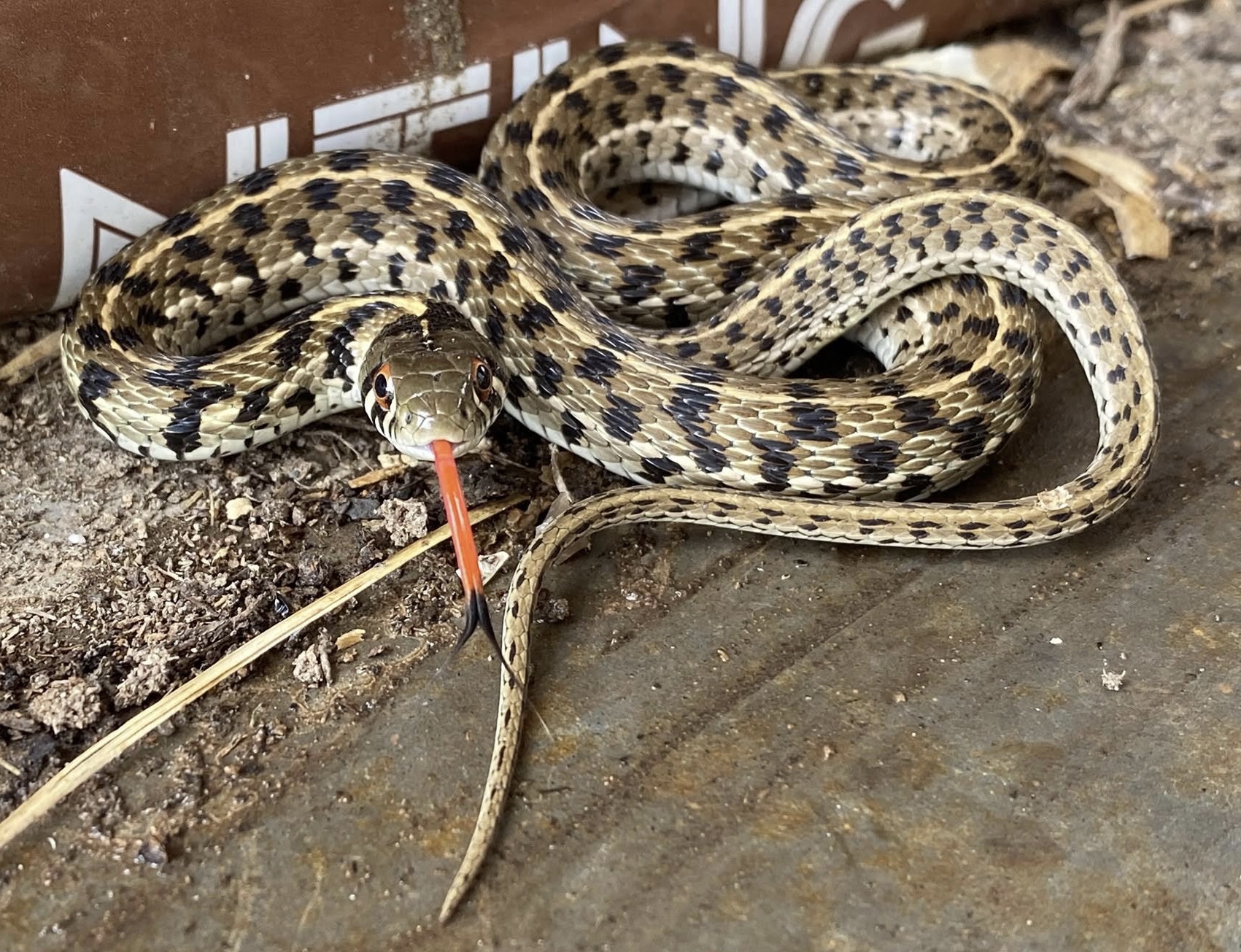
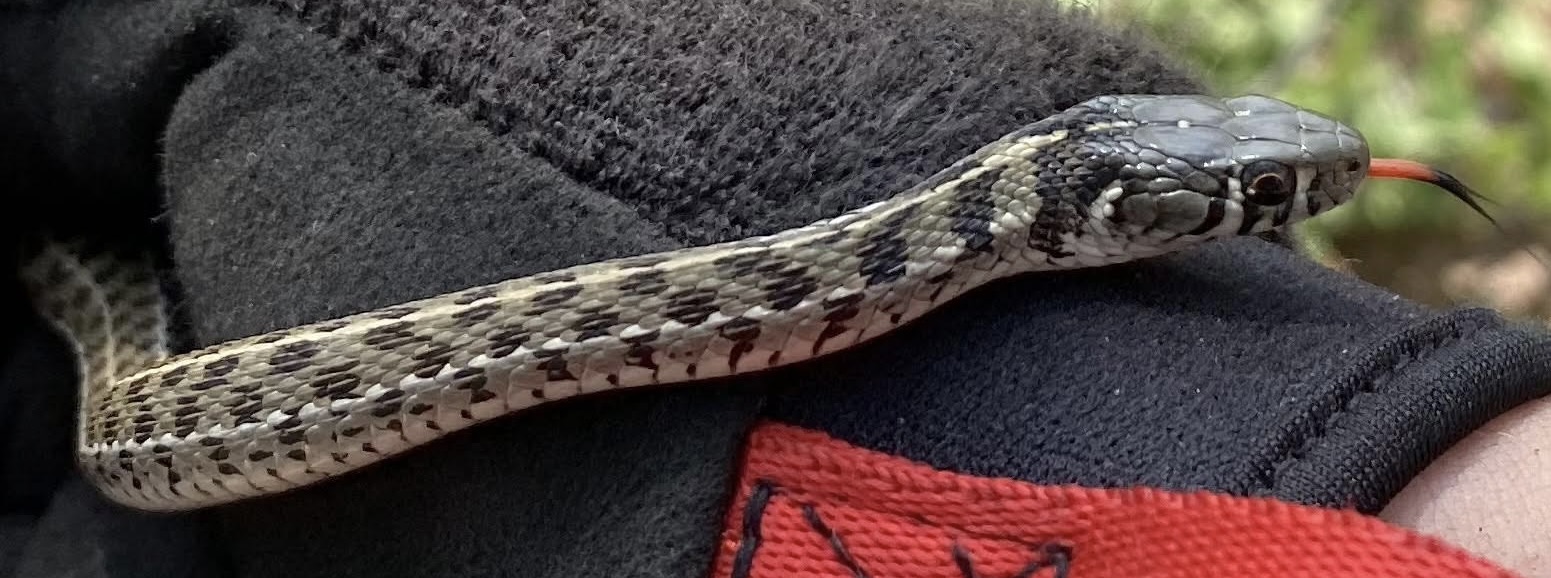
Checkered Garter Snakes (Andrew Baker)
Great Plains Rat Snake: no risk to mature birds. They don’t get as large as the Texas Rat Snake either. Like the garter, if a grown Great Plains Rat Snake saw a small chick, it might try and take it but probably would not succeed if the mother hen is present. She would likely peck it to death first.
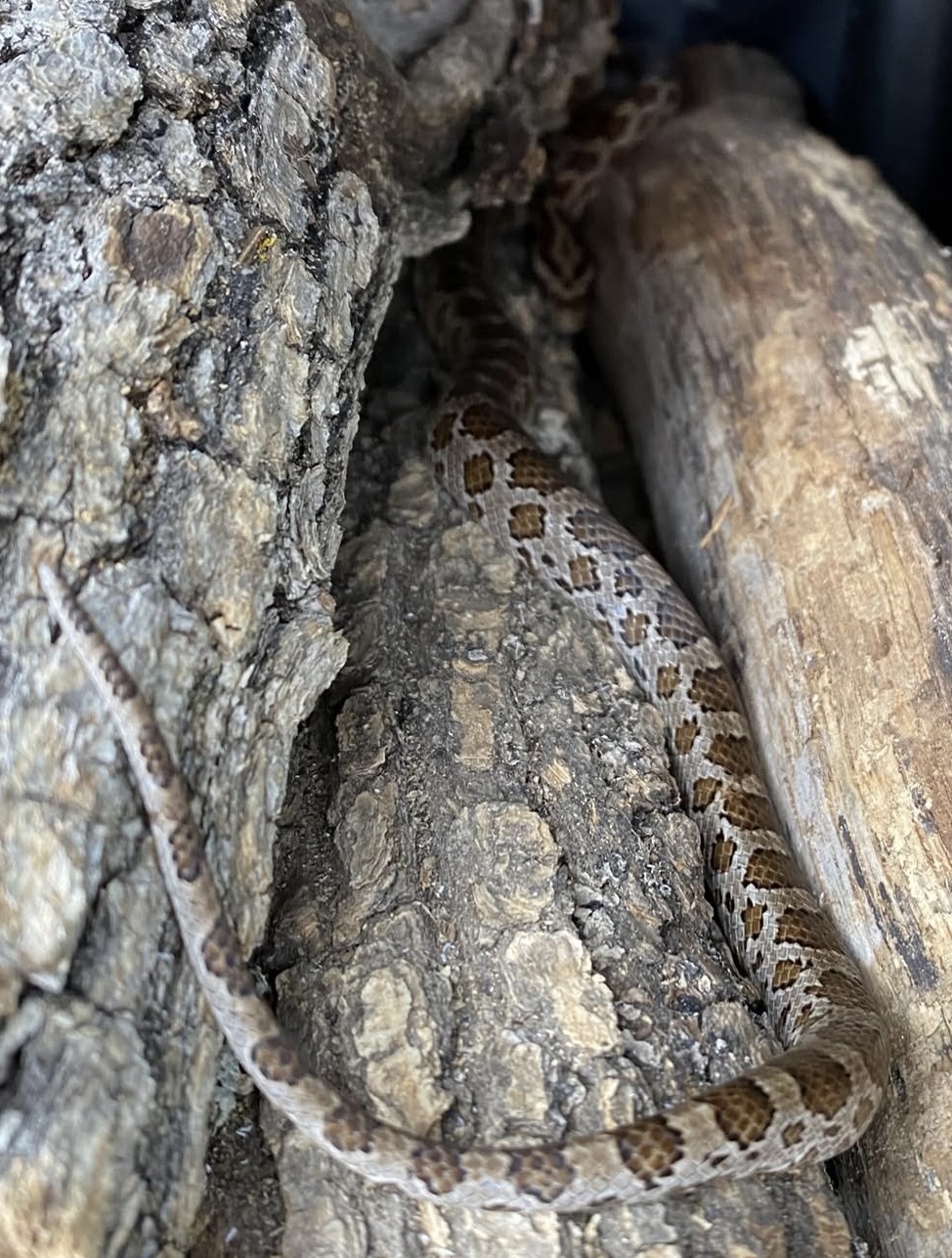
Great Plains Rat Snake In Wood Pile (Andrew Baker)
Texas Rat Snake: As you can see from the photos, we have some really large ones around here. They are regularly 5-6′ long. A moderately small, young poult would be at risk, as would chicks or perhaps even small bantams. I have never lost a bird to one yet. We protect the chicks though. A full-sized mature chicken would not be likely prey for even a large Rat Snake and I have never known anyone personally that has lost a grown hen or rooster to one. I have seen people state they have lost them to Rat Snakes but I honestly find it a little hard to believe a large or heavy breed, mature bird would fall prey. I have found them cuddled up with my hens numerous times and they just ignore each other until there is an egg to eat! In one of the pics, you’ll even see two Rat Snakes mating inside one of the nesting boxes! Talk about a surprise one morning.
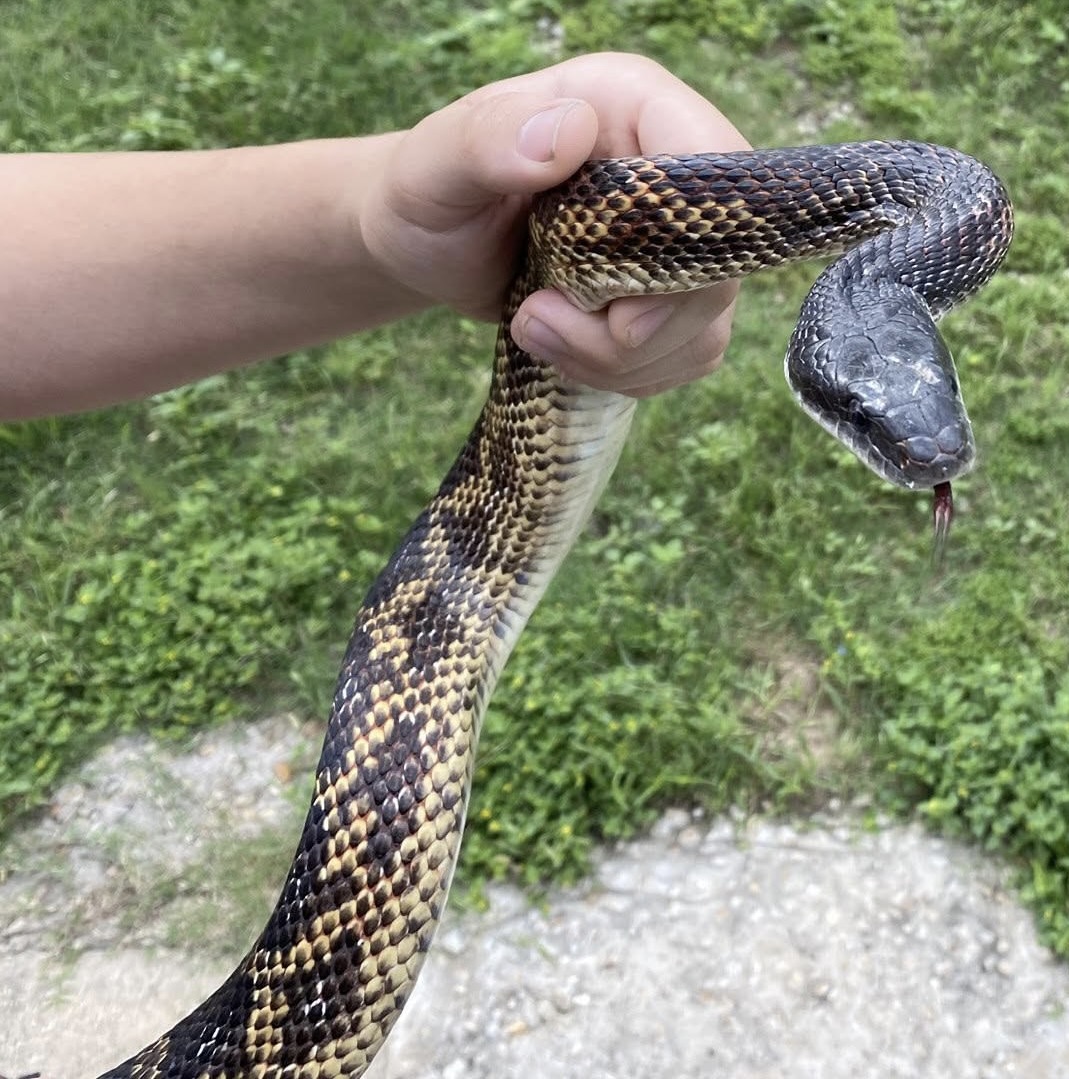
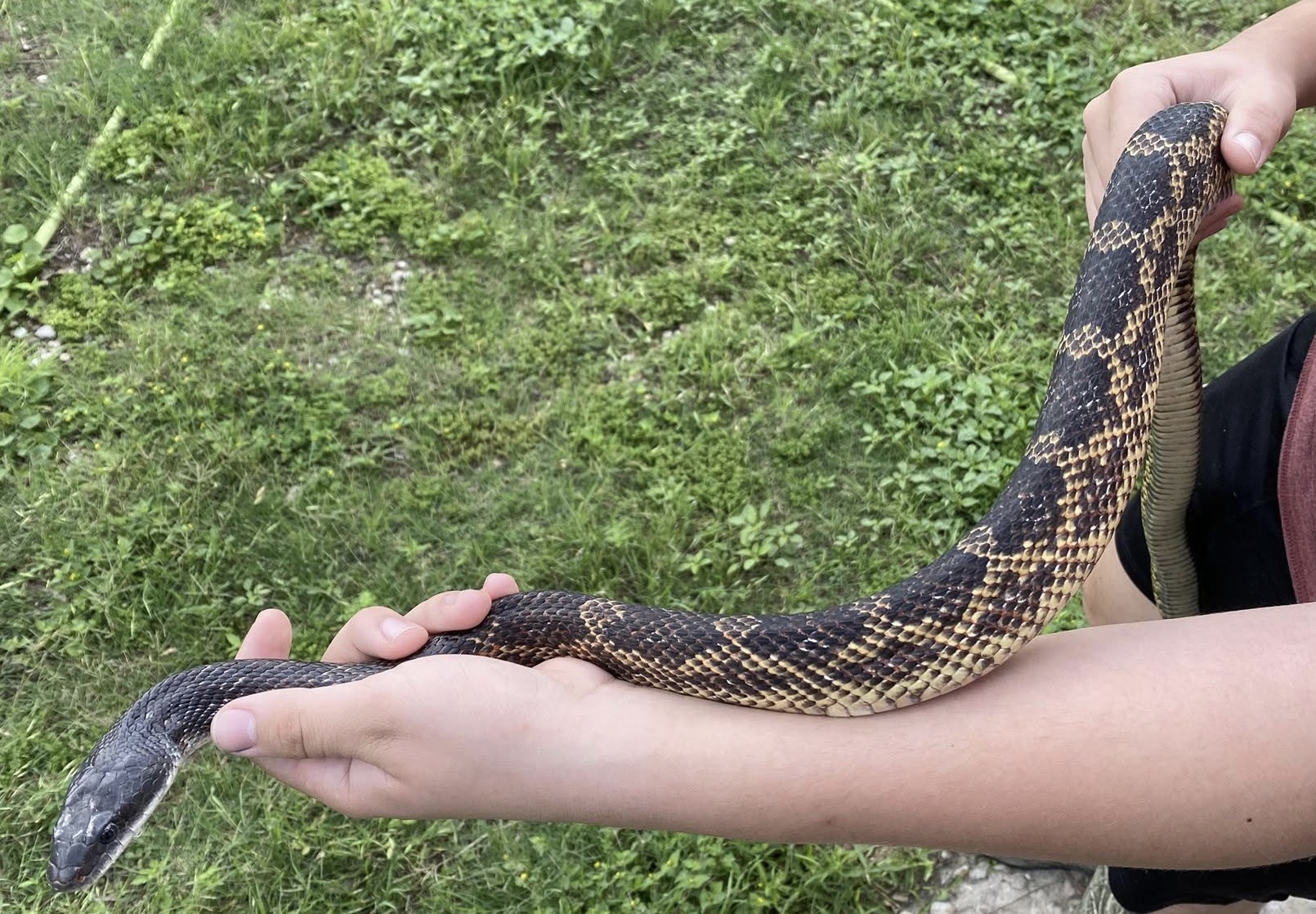
My son Holding A Texas Rat Snake (Andrew Baker)
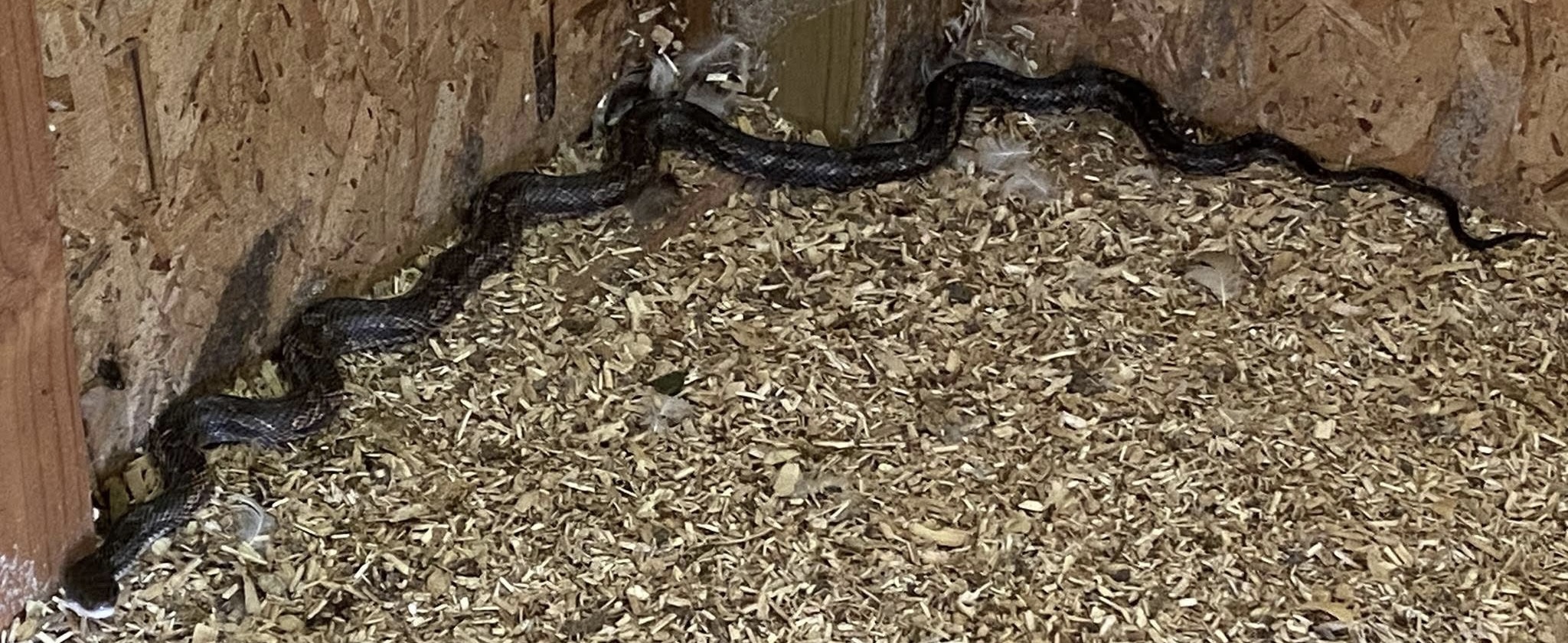
Texas Rat Snake In The Coop (Andrew Baker)
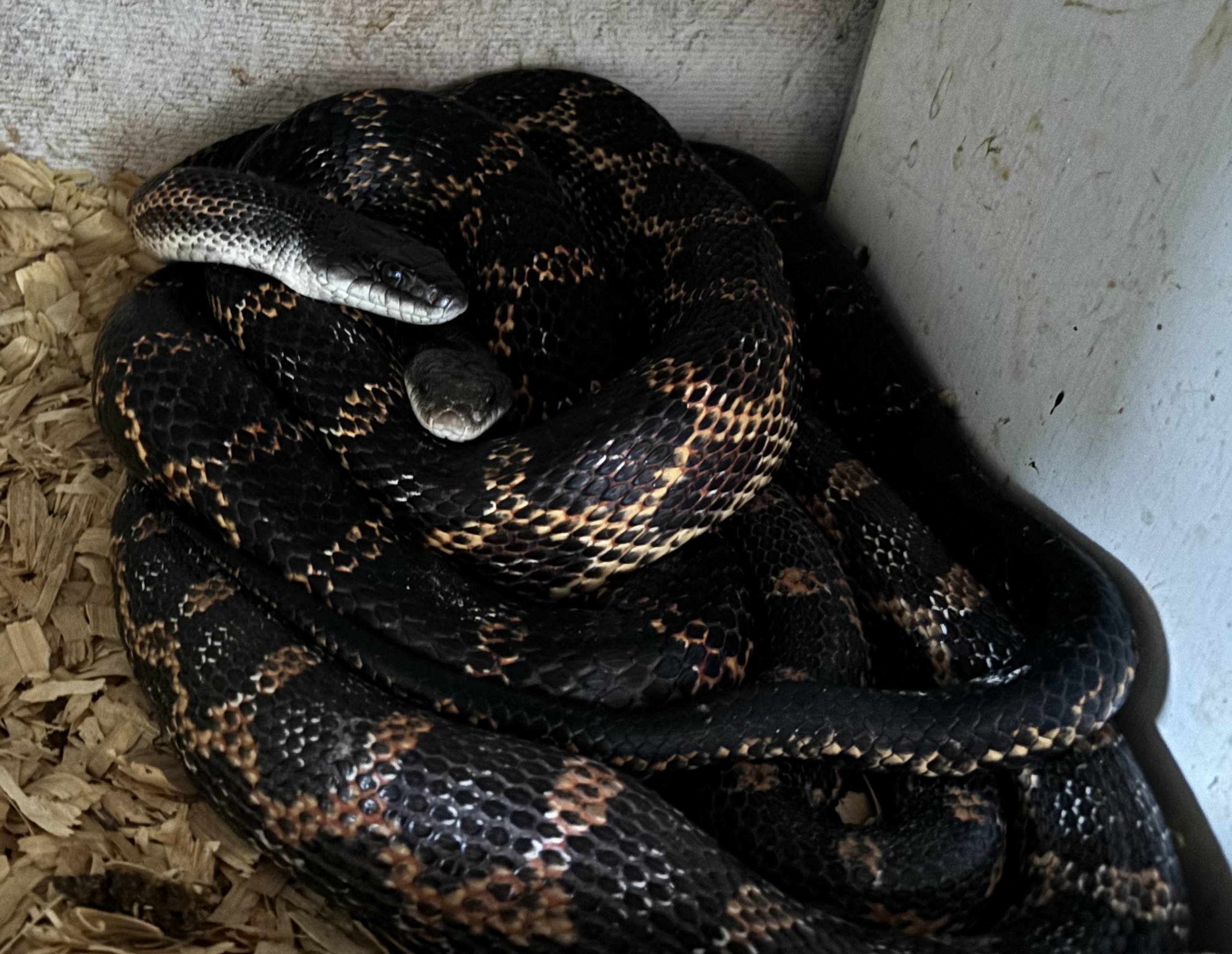
Mating Rat Snakes (Andrew Baker)
Texas Coral Snake: no risk at all to virtually any bird. Small frogs, crickets and roaches are at risk but Corals simply aren’t large enough snakes with large enough mouths to eat anything particularly big. I have never heard of anyone losing a bird to one. They are very venomous though. They could potentially strike and envenomate one and kill it, but not for food purposes. It would purely be a defensive move in my opinion unless the snake was abnormally large and the chick was small or sick.
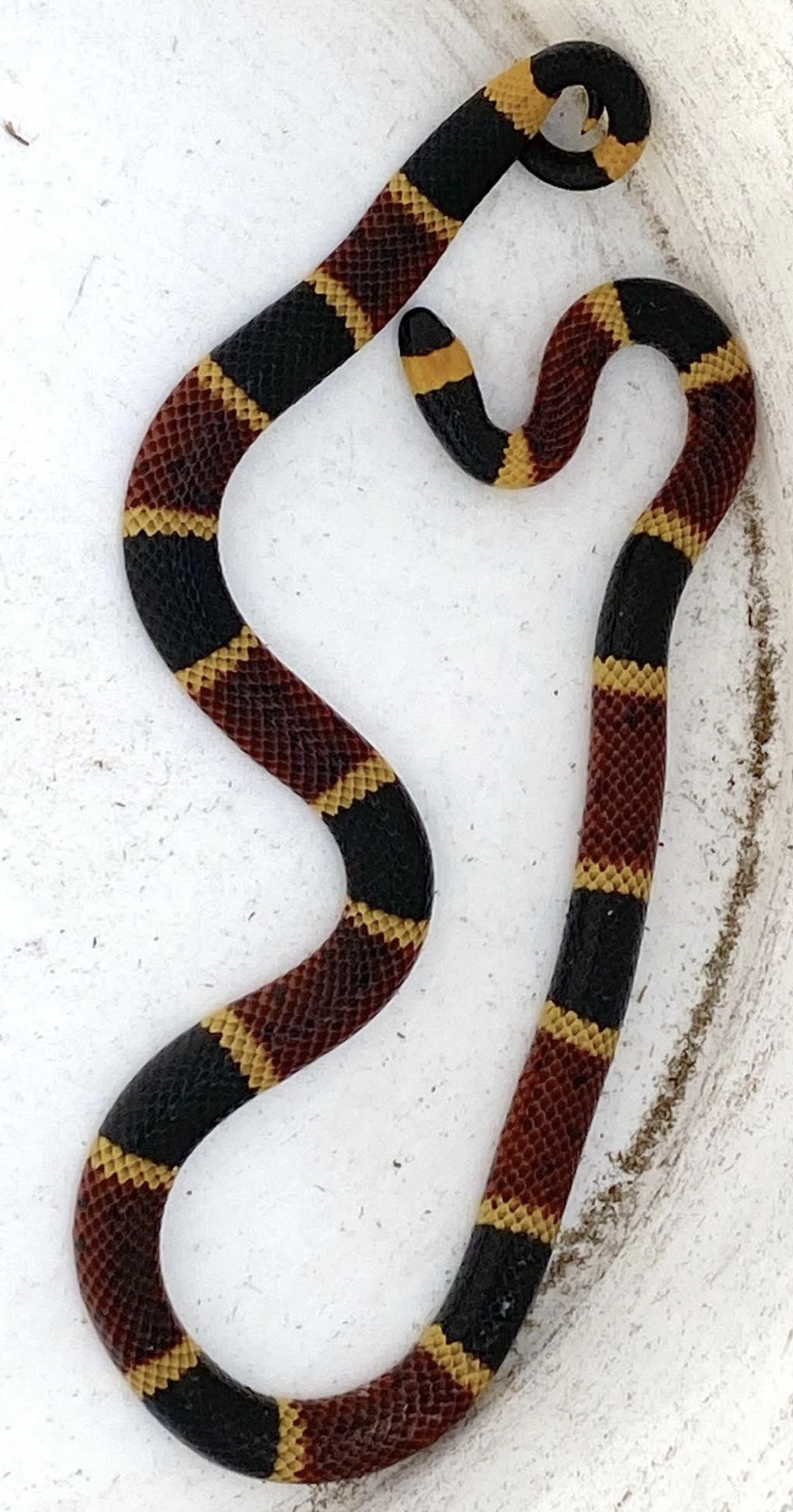
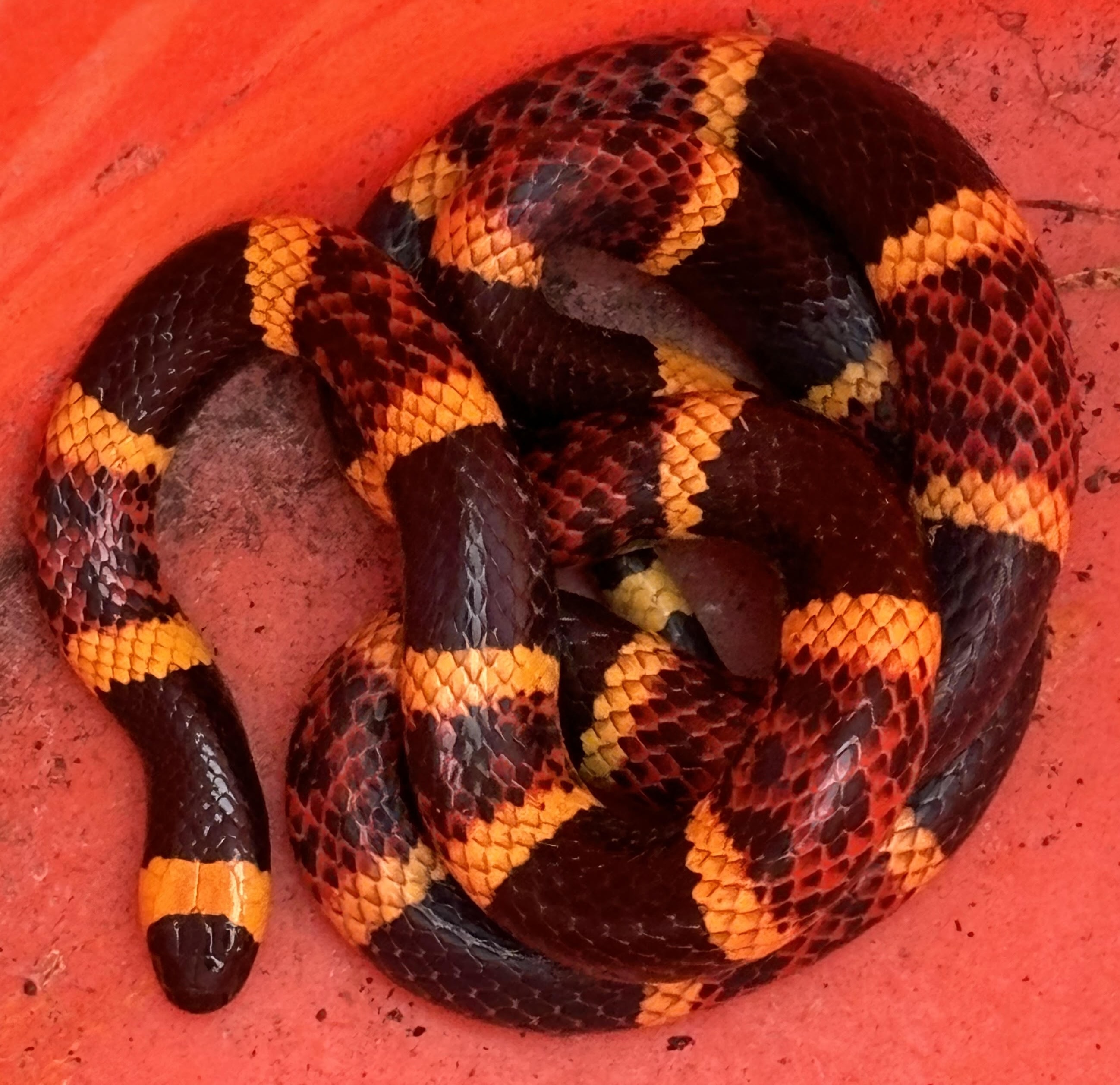
Coral Snake In A Bucket (Andrew Baker)
Western Coachwhip: I haven’t heard of anyone losing a bird to a Coachwhip but it could potentially happen in the same scenarios as a larger Rat snake. They will eat other snakes, for sure.
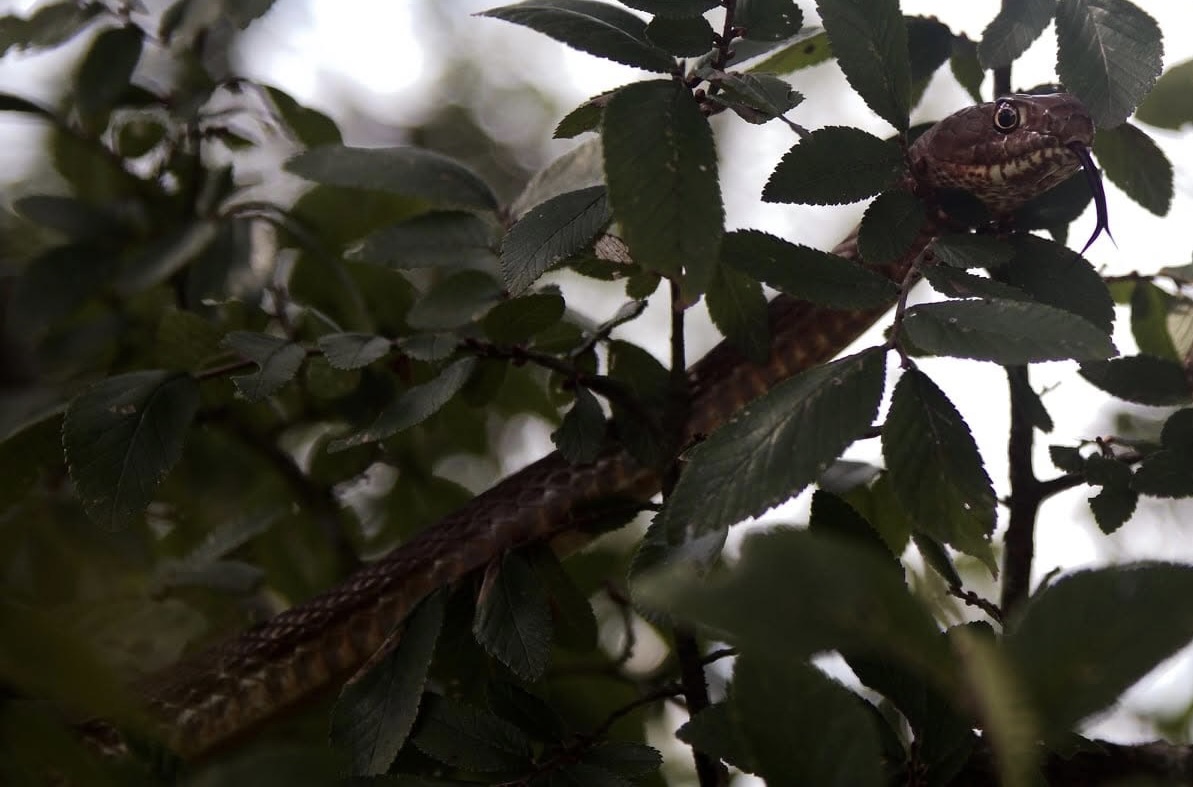
Western Coachwhip In A Cedar Elm Tree Above The Waterfowl Pen (Andrew Baker)
There are other snakes like Racers around here (and even one Texas Indigo Snake sighting), but those typically aren’t around the coops.
We have also had a very large 6’+ Western Diamondback Rattlesnake make its way into one of the coops but it was removed before it had a chance to demonstrate what it was there for. I imagine it could take down a young hen or a chick without much issue and consume it, given enough undisturbed time.
We have had one Eastern Hognose that was small and caused no issue. The chickens actually got it and killed it before I could remove it.
Ways I Protect My Birds
Once they are grown hens and roosters I don’t do anything special for snake protection, it’s the other threats I protect against. Like I mentioned earlier I have never lost a bird to a snake in my 15 years or so of keeping them out on rural property. That said, for chicks or very small and young birds, keeping them up off the ground (if they are in an outside coop or brooder) is important, as is securing it with hardware cloth (1/4″ -1/2″ openings). Snakes can’t make it through the hardware cloth (HWC) itself. As long as the edges, doors and windows are firmly secured, they should be safe. Hardware cloth is my best friend when it comes to securing birds. I have several large coops and runs that I used HWC on extensively for predator protection.
For digging animals (stray dogs, coyotes, foxes, raccoons, and possums), the tried-and-true method of “skirting” the coop with HWC. That entails building the structure’s frame, then digging down 6-12″ and out 24″ or so, and extending HWC into the cut-out part of dirt and covering it back up. That way, if something does dig, it hits the hardware cloth which prevents the attack when it can’t get through. If I had larger predators around here I might use cattle panel in addition to HWC to prevent it from breaking through the cloth. Most medium predators can rip right through chicken wire but I haven’t experienced a breach with the HWC yet. The only downside is that it’s a lot of work, especially in Central Texas where the soil has a lot of clay, rocks and limestone which is hard to dig. But once it is done, it’s all set for years.
The hardware cloth also helps with rodents. If you can keep rats and mice out of the coop and run, you can reduce the snake presence. I find my rat snakes like to eat eggs just as much as rodents so sometimes they aren’t that helpful with rodent control. Rodents can gnaw right through any wood trim, wooden siding, and plywood and set up shop in no time. I usually cut a 2″ hole somewhere in the hardware cloth that allows rat snakes into the coops without allowing larger predators. I close and latch all coops at night time so the bigger animals can’t make it in, then I go out each morning and open everything back up.
Finally, for aerial predators, we have found only a few viable options, each with varying degrees of risk to the birds, which is typically inversely proportional to the freedom to roam that they have. We have most of the chickens fairly contained during the day with large covered runs and locked down at night. The only successful predation we have ever experienced in all these years is from Red Shouldered and Red Tailed hawks. They are abundant here and love an easy chicken lunch. First part of the day is usually the highest risk, with late evening being a bit safer for the chickens to roam. We have also tried runs that are covered with netting that is strung across the open chicken yard from tall posts rigged up with rope. That worked well while it lasted. However, one good ice storm and it will likely be completely destroyed. We don’t do those anymore due to the netting losses during the years where we get ice.
We finally settled on outdoor runs you can buy at Wayfair or other places. We attach them end-to-end to make long, outdoor runs that are covered with the chicken wire they include. It will not keep dogs and coyotes out, so the birds still need to be shut up into a more secure structure at night time. But during the day, especially if there aren’t diurnal wild dogs or pets running around that will try to break in, it works really well for aerial predators. Obviously, this will not help keep snakes out of the chicken or waterfowl areas. Only complete HWC coverage has been able to accomplish that for us. – Andrew Baker
Thanks to everyone from the Pro Snake Poultry Group who shared their stories and photos, used with permission. And a big shout out to Andrew Baker for his thoughtful insights. Featured photo credit: Myfrogcroaked
“Backyard chicken keeping, unfiltered and unapologetic.”


0 comments on “Protecting Your Chickens From Snakes 3”