
For as long as I can remember my mother lived with osteoarthritis, a degenerative joint disease in which the protective cartilage that cushions the ends of bones wears down over time, leading to pain, stiffness, and reduced joint function. She eventually had both knees replaced. I’ve recently been diagnosed with mild arthritis in one knee so the writing is on the wall for the future of my joints.
I’ve heard of arthritis in chickens but given my own diagnosis decided to take a closer look at what causes the conditions and what remedies are available for our feathered friends.
Arthritis in chickens is a commonly overlooked illness that can significantly impact a bird’s quality of life. Understanding this condition is crucial for maintaining the health and well-being of your birds.
Symptoms can range from mild to severe discomfort, but with early detection and proper care many birds can continue to live relatively normal lives. Regular health checks and a proactive approach to coop hygiene and nutrition can make a big difference in preventing this painful condition. If you suspect arthritis in your flock, consult a veterinarian with poultry experience for diagnosis and treatment options tailored to your birds.
What Is Arthritis in Chickens?
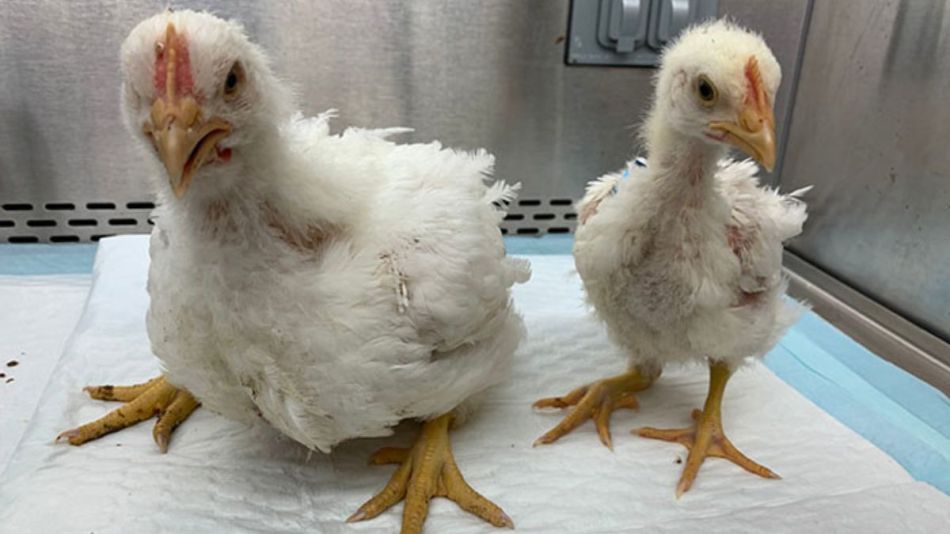
Just as in people arthritis refers to inflammation of the joints, which can cause pain, swelling, and reduced mobility. In chickens, it typically affects the legs and feet, leading to limping, reluctance to walk or lameness. Although osteoarthritis is the most common form of arthritis in humans, poultry are more likely to develop articular gout, another form of arthritis.
Articular Gout is caused by the accumulation of urates in joints, ligaments and tendons, including toes. It’s usually not found on its own, but in birds who also have visceral gout.
Bacterial Arthritis (infectious arthritis):
- Bacteria, such as Staphylococcus, can enter the body as a result of a skin-breaching injury travelling along the tendons to the joints. Wet litter can contribute to foot pad erosion allowing openings for infection. This can lead to joint infections known as synovitis.
- Other bacteria, like Mycoplasma synoviae and Escherichia coli, can also cause infectious arthritis.
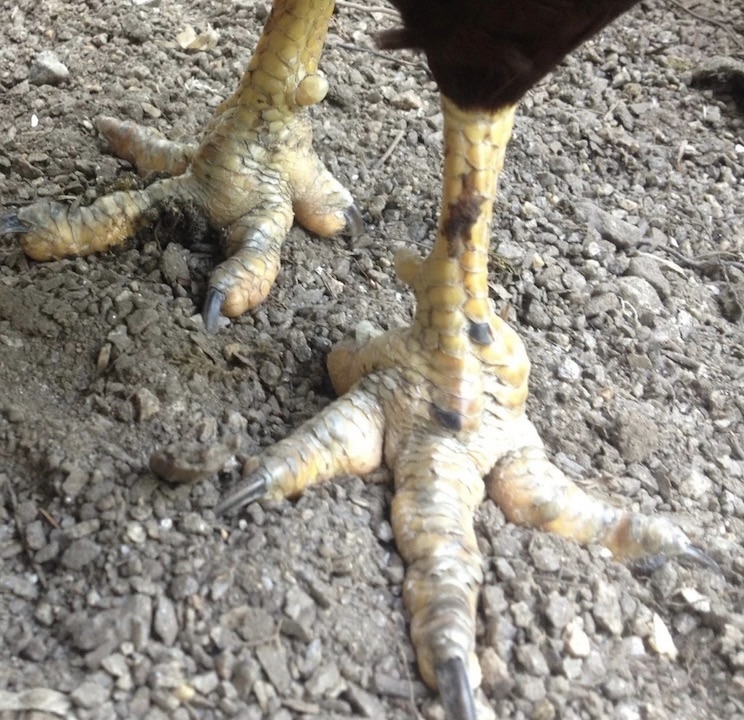
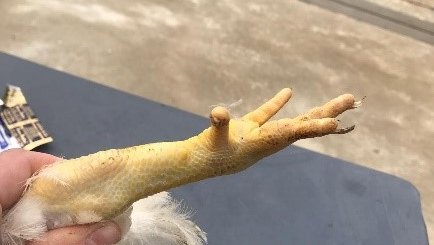
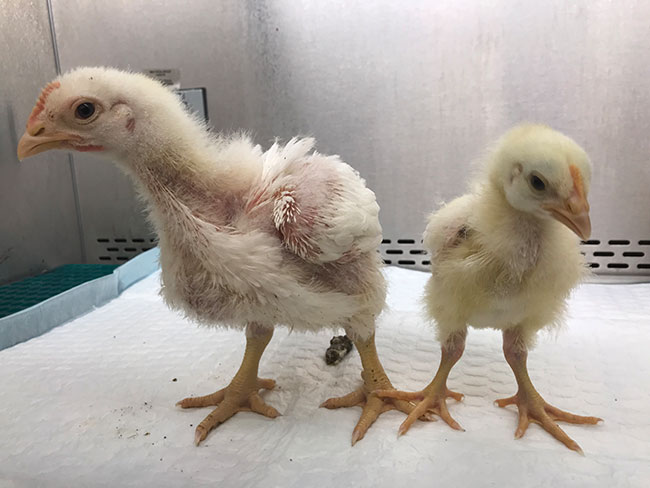
Articular Gout (credit: BYC); Reovirus (credit: Hendrix Genetics); Viral Arthritis (Canadian Poultry Magazine)

Viral Arthritis (credit: Merck Veterinary Manual)
Viral Arthritis
- Reovirus can cause viral arthritis or tenosynovitis, particularly in broilers and turkeys.
- This virus is often transmitted vertically (from hen to chick) or through contaminated environments.
Degenerative (non-infectious) Arthritis
- Joint damage from rough handling, hard landings, or pecking injuries can lead to inflammation and long-term joint issues.
- Older birds and heavy breeds (such as broilers or dual-purpose birds) are more prone to degenerative arthritis due to the strain on their joints over time.
- Inadequate levels of vitamins (particularly D and E), calcium, or trace minerals can contribute to poor bone and joint development, making birds more vulnerable.
Prevention Strategies
- Maintain a clean, dry coop to prevent footpad infections.
- Use soft bedding and avoid slippery surfaces to reduce injury.
- Keep flock sizes manageable and avoid overcrowding.
- Trim roosters’ spurs and monitor aggressive behaviour.
- Feed a high-quality, age-appropriate diet.
- Quarantine new birds to prevent introduction of infections.
Symptoms
- Limping or reluctance to walk
- Swollen, hot, or deformed joints (especially knees and hocks)
- Sitting more than usual
- Lethargy and reduced appetite
- Weight loss or poor growth
- Inability to stand
Diagnosis
Diagnosis is often based on clinical signs and physical examination, but a veterinarian may recommend additional tests:
- Joint aspiration to detect infection
- Blood tests for underlying infections
- X-rays to identify joint degeneration or bone deformities
- Necropsy in deceased birds to confirm chronic or systemic issues
Treatment
There is no cure for arthritis, just supportive therapies to control the pain, minimize further joint damage, and management or environmental modifications to improve or maintain the bird’s quality of life.
Antibiotics are effective if administered early. Always use under veterinary supervision to ensure correct dosage and withdrawal periods.
Anti-inflammatory Medications Meloxicam (prescribed by a vet), CBD and Gabapentin can reduce pain and inflammation, improving mobility.
Supportive Care: Provide soft, dry bedding and reduce the need for jumping or climbing. Keep birds warm and separate from aggressive flock mates. Ensure feed and water is easily accessible.
Nutritional Support Ensure a balanced diet with adequate calcium, phosphorus, and vitamins D3 and E. Supplements like glucosamine or turmeric may help with chronic joint issues.
Euthanasia In severe, untreatable cases, humane euthanasia may be necessary to prevent prolonged suffering.
The Case Of Komala, Rescue Hen
Komala has really bad arthritis in both knee joints. She cannot extend her legs fully, so adopts a crouching stance. I have already adapted the run so she has a soft daybed area that is cosy and warm for her but I am probably going to build a new run which will better suit her needs. Komala has been sleeping in the kitchen as I don’t want her getting cold and stiff.
Non-steroidal anti-inflammatory meds, CBD oil, joint supplements, Gabapentin and a red laser for joint therapy have been recommended. A kind supporter has sent a wheelchair frame for her to get used for rest and physio sessions. – Haidy Mansfield, Fresh Start For Hens

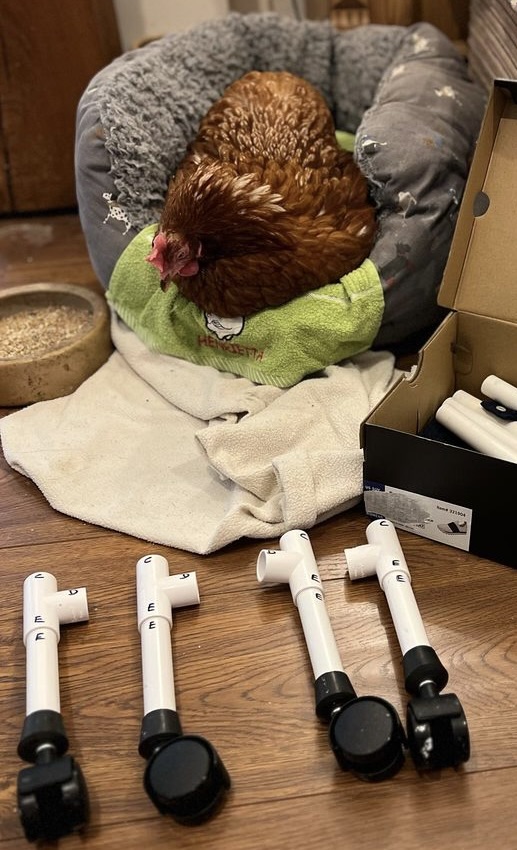

Photo credit: Haidy Mansfield
 Bitchin' Chickens
0 comments on “Arthritis In Chickens”