
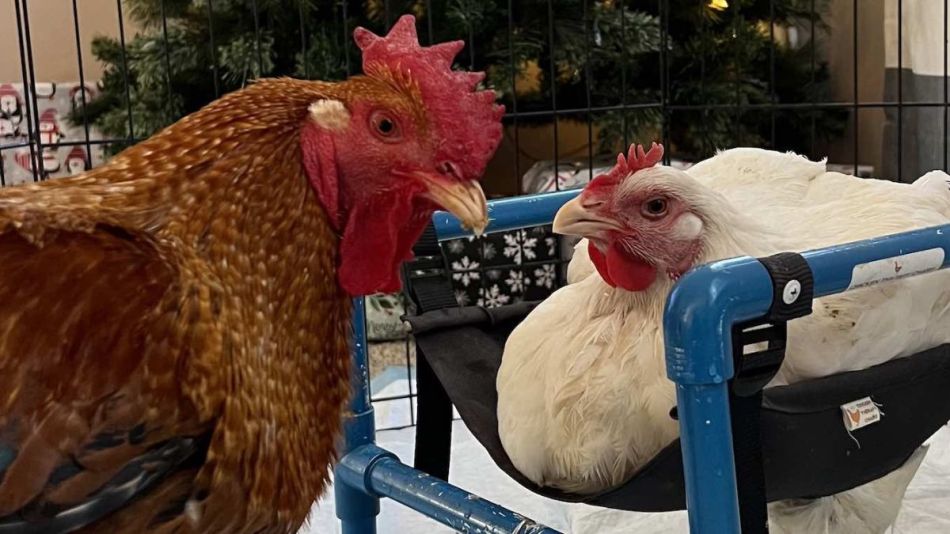
Keeping chickens as pets comes with joys and challenges, especially when caring for birds with disabilities. They can become disabled due to birth defects, injuries, illness, or aging. While they may require more care, disabled chickens can still live fulfilling lives with the right support and accommodations.
Common Causes of Disability
- Injury from predator attacks, falls, or being trampled by the flock
- Neurological issues such as Marek’s Disease or wryneck
- Developmental conditions like splayed leg or curled toes in chicks
- Degenerative diseases such as arthritis or tendon ruptures in older birds
- Genetic conditions often found in commercial breeds like Cornish Cross
- Amputation due to frostbite, infection, or severe trauma
Types of Disabilities
- Mobility impairments such as difficulty walking or flying
- Partial or full paralysis in one or more limbs
- Visual impairments or complete blindness
- Missing limbs, toes, or beaks
- Balance issues from neurological disorders
- Chronic pain from old injuries or arthritis
Symptoms
- Reluctance or inability to walk, perch, or stand
- Sitting for long periods or dragging a leg or wing
- Unusual posture or head position
- Flinching, vocalizing, or avoiding touch
- Loss of appetite or reduced activity
- Being bullied or isolated by the flock
Special Housing Considerations
- Flat and padded flooring to prevent pressure sores or splayed legs
- Shallow ramps and no roosts, or low, accessible perches
- Non-slip surfaces for better traction
- Separate or protected living area to prevent bullying
- Indoor or temperature-controlled housing for those with compromised health
- Litter-free or low-dust bedding for respiratory comfort
Feeding and Hydration Support
- Shallow dishes or raised feeders for easy access
- Wet mash diets for chickens with beak or mobility issues
- Hand feeding when necessary
- Electrolyte or vitamin support especially for neurological issues
- Frequent monitoring to ensure proper intake
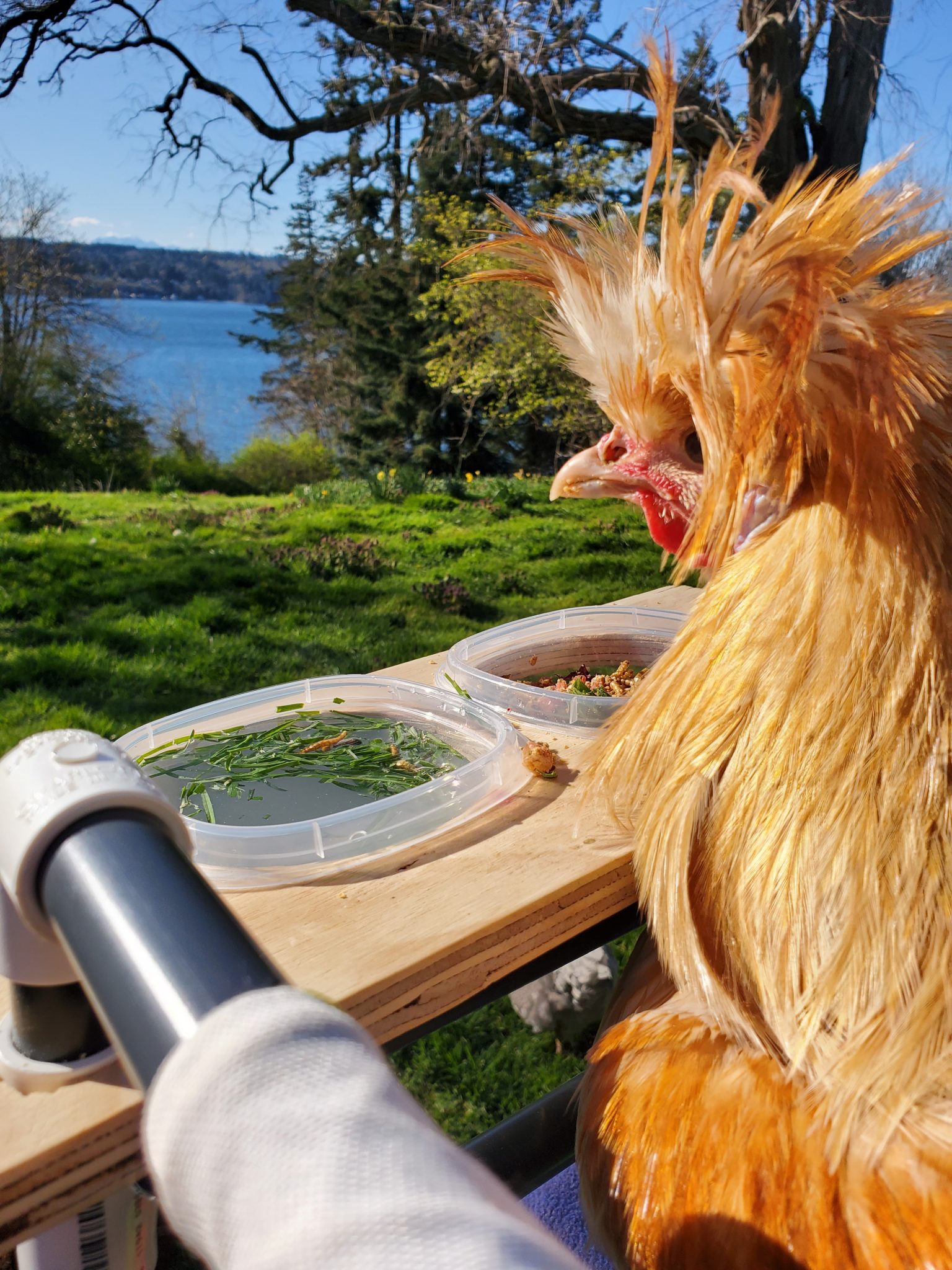

Photo credits: Backyard Poultry
Crop issues can also occur as a primary disease issue or can occur/worsen in birds who are non-ambulatory. Allowing the crop to empty fully overnight (and checking it in the morning) can be important in monitoring the overall health and well-being of a sick or disabled chicken. – Kate Walker
With disabled or terminally ill birds crop stasis can be a real problem for birds who go off feed. I think the best thing to do in that situation rather than change their food by offering new things is use the torpedo method of feeding. It helps the bird regain their appetite and keep on weight if they are prone to losing weight. Some medications can impact a bird’s appetite as well.
My rooster who had cancer would go off feed often so I hand fed him fruits and such but if I knew about the torpedo method before that I would have done that. It’s healthier and still gets fluids into the bird.
For people who don’t know what torpedo method feeding is: mix some crumble feed (if you use pellets turn them into a mash), with some water and eggs until the concoction is a dough consistency then roll them into torpedo-shaped balls and force feed the bird. In my opinion, there is less risk of choking and inhaling food compared to syringe or tube feeding. – Dezi Pheonix

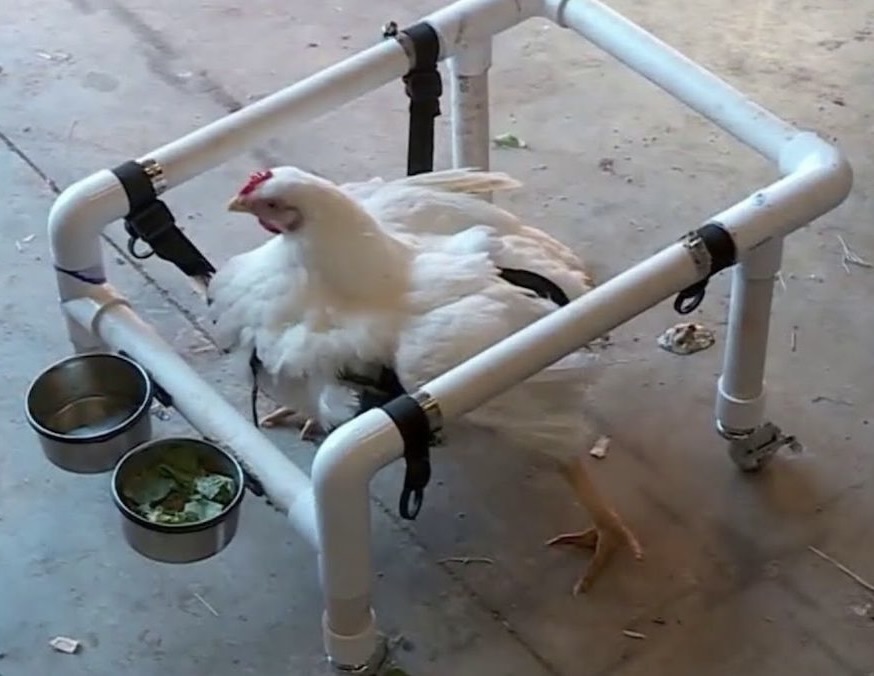
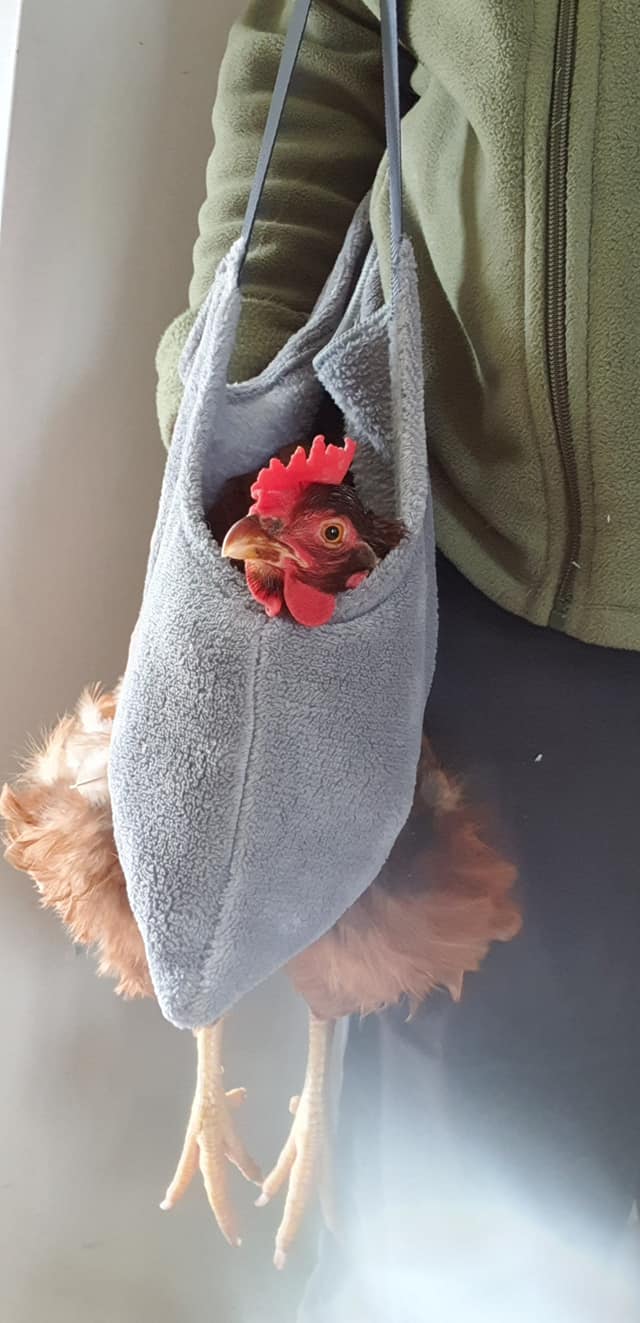
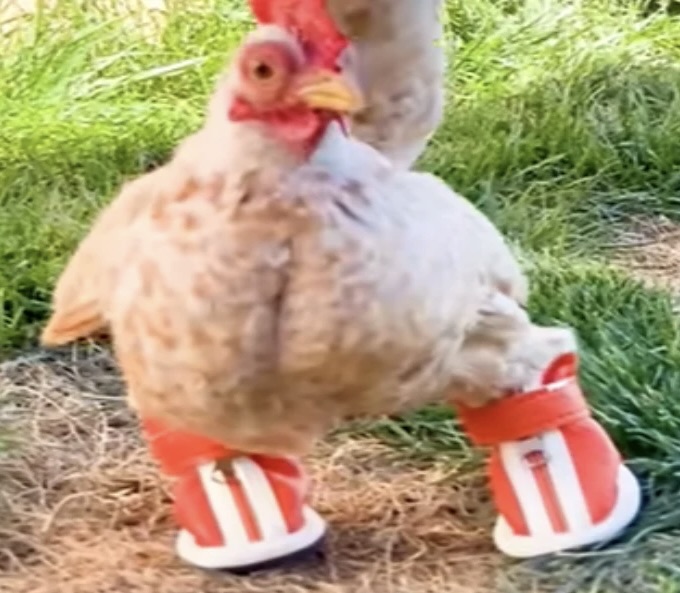
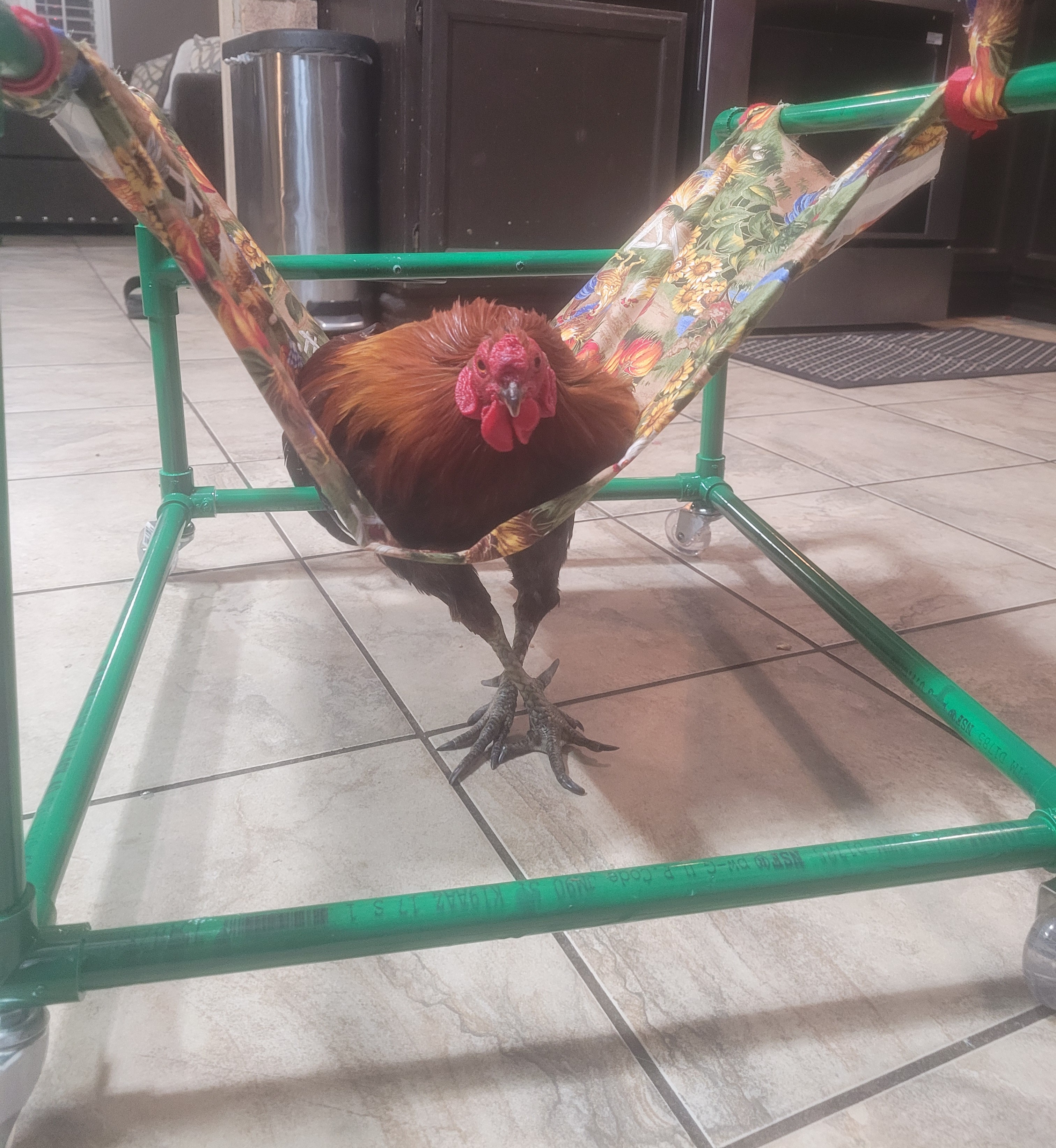
Photo credits: Happier Pets; Unknown; Happier Pets; Alyssa Aguilar; The Dodo
Mobility Aids and DIY Solutions
- Chicken wheelchairs for birds with leg paralysis
- Hammocks or slings to support standing and reduce pressure sores
- Foot wraps or splints to help with curled toes or twisted legs
- Custom prosthetics for amputees (some owners 3D print them)
- Rehabilitation exercises like assisted standing, gentle leg movements or hydrotherapy
When talking about muscle atrophy, it’s also helpful to discuss joint flexion and extension. Sling walking and physical therapy can help with atrophy and maintaining joint function. It’s best done as a preventative or during early onset of issues rather than waiting until significant loss of muscle and range of motion has occurred. – Kate Walker
Flock Dynamics and Emotional Well-Being
- Slow introductions if re-integrating into the flock
- Keeping gentle companions for social comfort
- Enrichment activities like supervised outdoor time or treats
- Regular interaction and affection from humans
- Minimizing stress through a calm and consistent routine
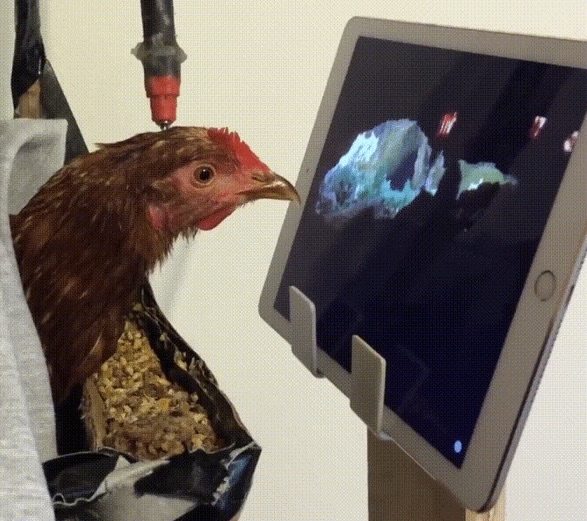
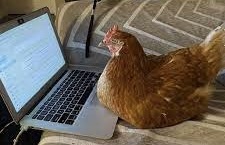
Photo credits: Olivia Fox; calsanimallaw
I would make sure to address mental health as well by providing enrichment within their ability level. It’s important to keep them engaged and physically healthy. Screen time/videos/music, outdoor time, toys, being in a place where they can watch other chickens, slinging and sling walks, opportunities to dust bathe and forage are all important and can often be modified depending on a chicken’s mobility and interest. – Kate Walker
Veterinary and Holistic Support
- Regular vet checkups to monitor condition and comfort
- Pain management, including safe anti-inflammatories
- Physical therapy options like massage or hydrotherapy
- Herbal or natural remedies under professional guidance
- End-of-life care when quality of life declines
Advocacy
- Promote awareness of chicken disabilities and proper care
- Encourage rescue and rehab
- Share success stories to inspire compassionate care
- Support sanctuaries and groups focused on special-needs poultry
Disabled chickens are just as worthy of love, comfort, and good care as any other pet. With a thoughtful approach, creativity, and compassion, they can thrive and continue to bring joy to their keepers.
Featured photo credit: SWNS
 Bitchin' Chickens
Thank you for this post!
What are some good non-slip surface materials? I have shelf liner on the roosting bar to help my chicken with traction. I am looking for other ideas that would be easy to clean yet comfy for their precious little dinosaur footsies.
LikeLike
Yes, textured shelf liner is good. Wide roost bars so their feet can sit flat, rather than have to curl their toes around it.
LikeLike