
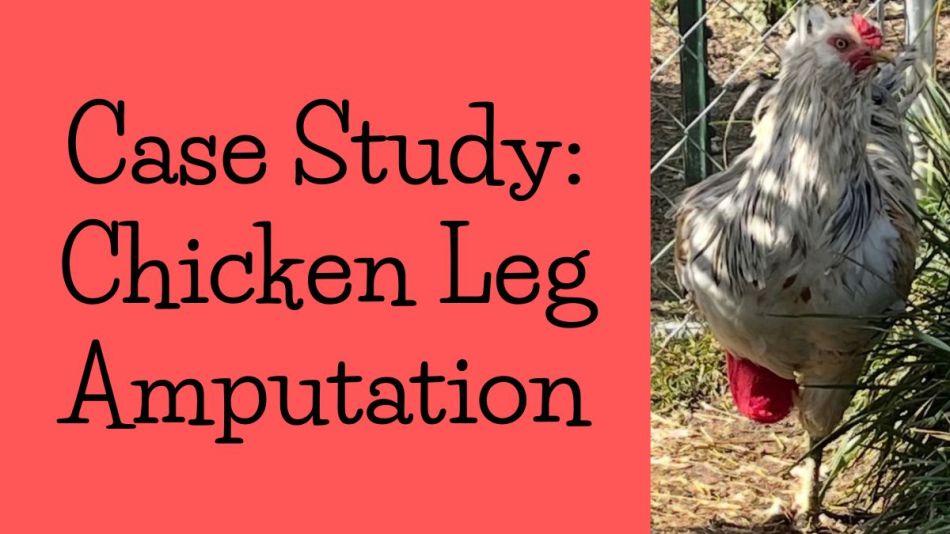
Amputation is the surgical or traumatic removal of part or all of a limb or body appendage. In chickens, amputations can occur for several reasons, including injury, disease, congenital abnormalities, or human intervention. The type and extent of amputation depend on which body part is affected and why it needs to be removed.
Their most common amputations include toes, partial or the complete foot, and leg amputation at different levels of the limb. Chickens may also experience wing or partial wing amputation, although this is less common. Understanding the different types and the circumstances that lead to them is important when considering a chicken’s mobility, comfort, rehabilitation, and long-term care. For many keepers, the first reaction is heartbreak and the second is the big question: “Can a chicken live like this?” The answer is often “yes”, with a bit of care, creativity and, sometimes, even a prosthetic or wheelchair.
This 2025 case comes from the Ahimsa Safe Haven, who I profiled in this post.
Sept 12
Argyle wasn’t really supposed to be ours. We were helping his human get him to the vet, and he initially came just to hang out and get some diagnostics. His human had reached out for help because she could tell his foot was extremely painful but didn’t have the ability to have him vetted herself and wasn’t sure what to do. His right foot was severely swollen and he didn’t want to put any weight on it at all.
We were hoping the vet could drain it and get him on an antibiotic, and then Argyle could return home. But of course, that’s not how things worked out. The infection had not only reached the bone, it had caused multiple fractures in both feet. Argyle would need at least one leg amputated. We spoke with his human and asked what she was up for. She said she could not bring him in the house. He would need daily wound care for a while, longterm pain meds, and potential prosthetic management. She asked if we would be willing to keep him. His other option was euthanasia. We said, “Yes”.
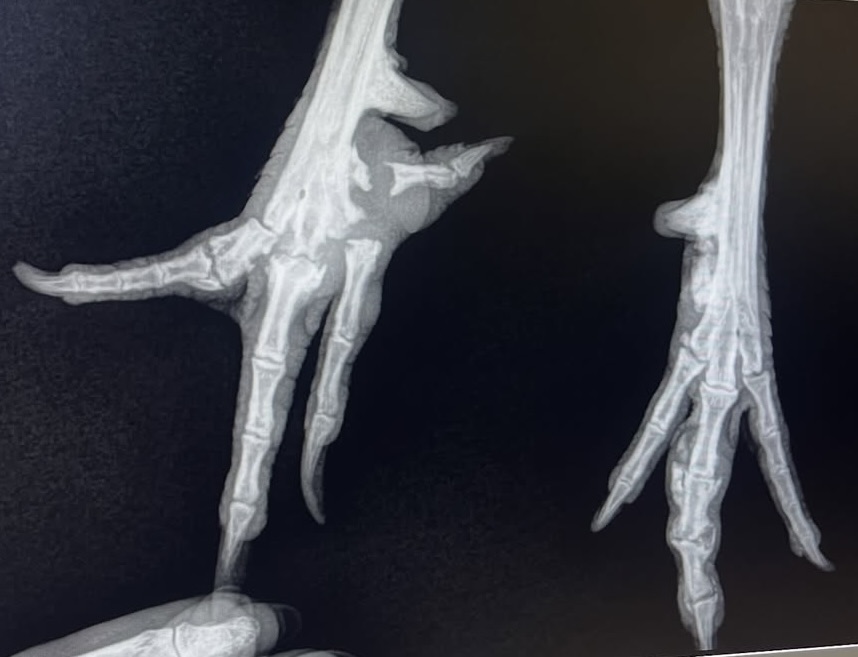
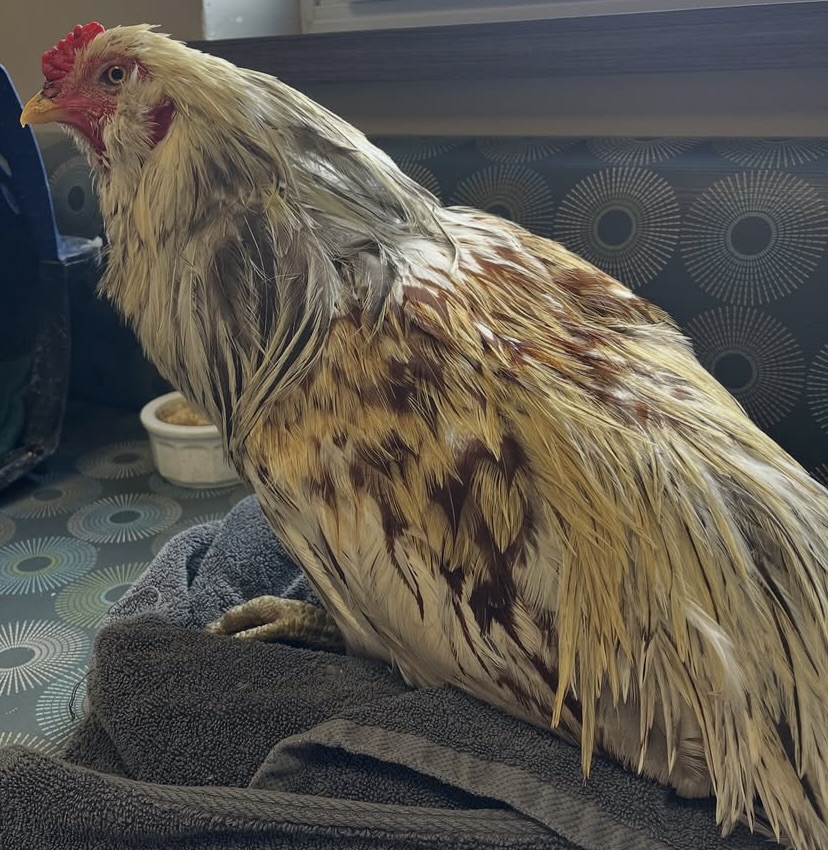
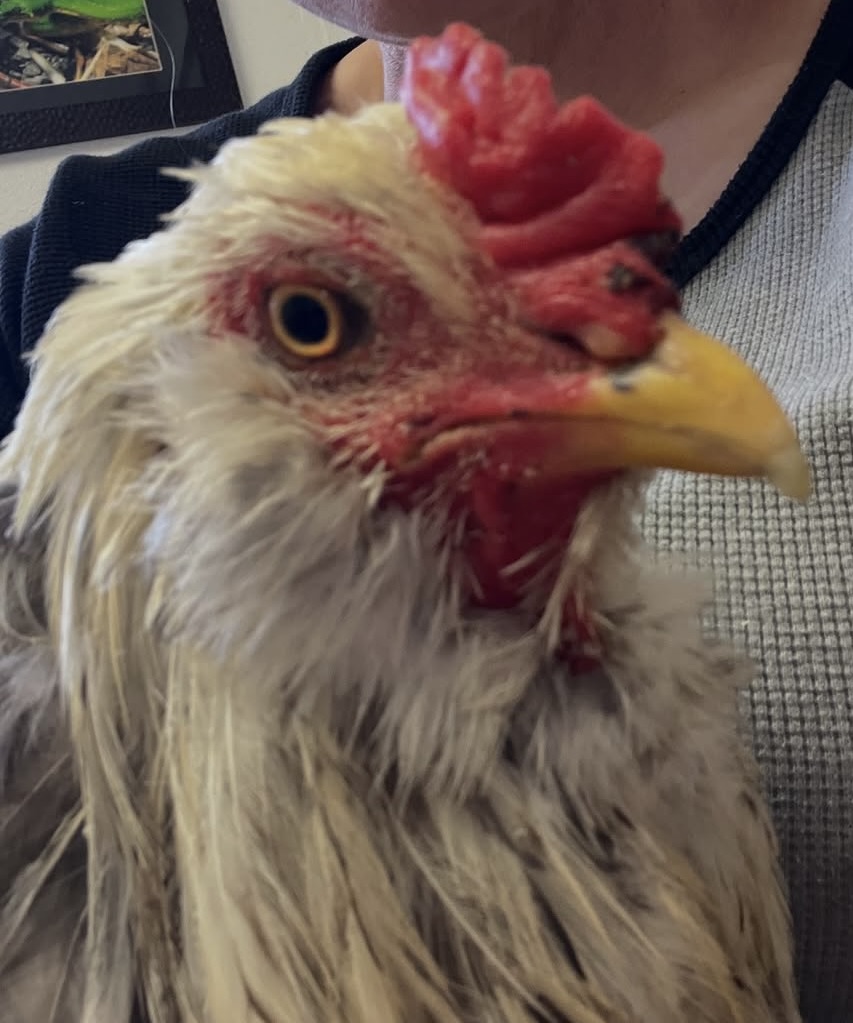
Argyle’s doctors are still determining the best way to help him. Both feet are in bad shape, but the one that isn’t swollen he uses like normal. It must be painful though and if they remove the swollen foot, there’s the potential he will hop on the “good” foot and quickly make things worse. However, he’s already hopping. If they remove both feet, well… he wouldn’t have any feet and that makes things a lot more complicated. Not impossible, but not ideal. He also has arthritis higher up in his joints, and we want to be careful not to cause him more pain in those areas.
Argyle is a super nervous little guy, but is slowly getting more comfortable with us. He knows he’s vulnerable right now, and views everyone as a threat. He’s currently on an antibiotic and three pain meds, and he still won’t put weight on his worst foot very often, but he does seem more comfortable overall. He panics when you reach for him, but will bury his head in your arm once you have him and relax. Argyle is only 2-3 years old, and has had a rough start, but we firmly believe he deserves more good years and a chance at happiness. Please welcome the newest sweet soul to our sanctuary.
Sept 17
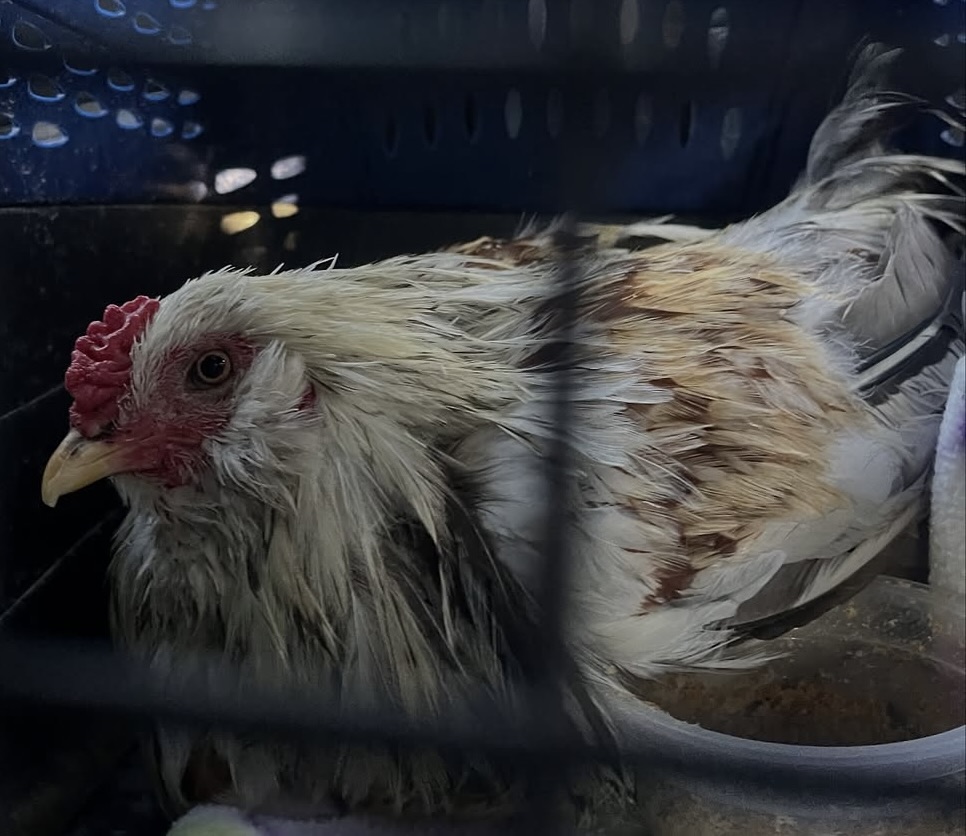
I dropped Argyle off at the vet this morning. He will have his leg amputated tomorrow sometime, and then he gets to come home Friday. We decided to amputate at the hock joint. He does have arthritis there, but we are hopeful that if we fit him with a prosthesis, it will ultimately be less painful for him than if he were to hop around on his “good” foot, which also has fractures and infection. He is currently using that foot like normal, and we think if we can get rid of the infection, it can be managed with pain medications.
I spoke with the surgeon on the phone this afternoon and he’s going to stitch it in a way that will keep pressure off the closure point and also make a prosthesis more comfortable! I’m nervous, but Argyle is in good hands. That foot causes him such a tremendous amount of pain right now. I’m hopeful that getting rid of it will really be a new lease on life for him.
Our estimate for the surgery and hospital stay is $1,950. He’ll have follow up appointments as well and we’re going to be doing some fundraisers to help us cover the cost of his care. If you’d like to help us at any point, it would certainly be appreciated!
Sept 19
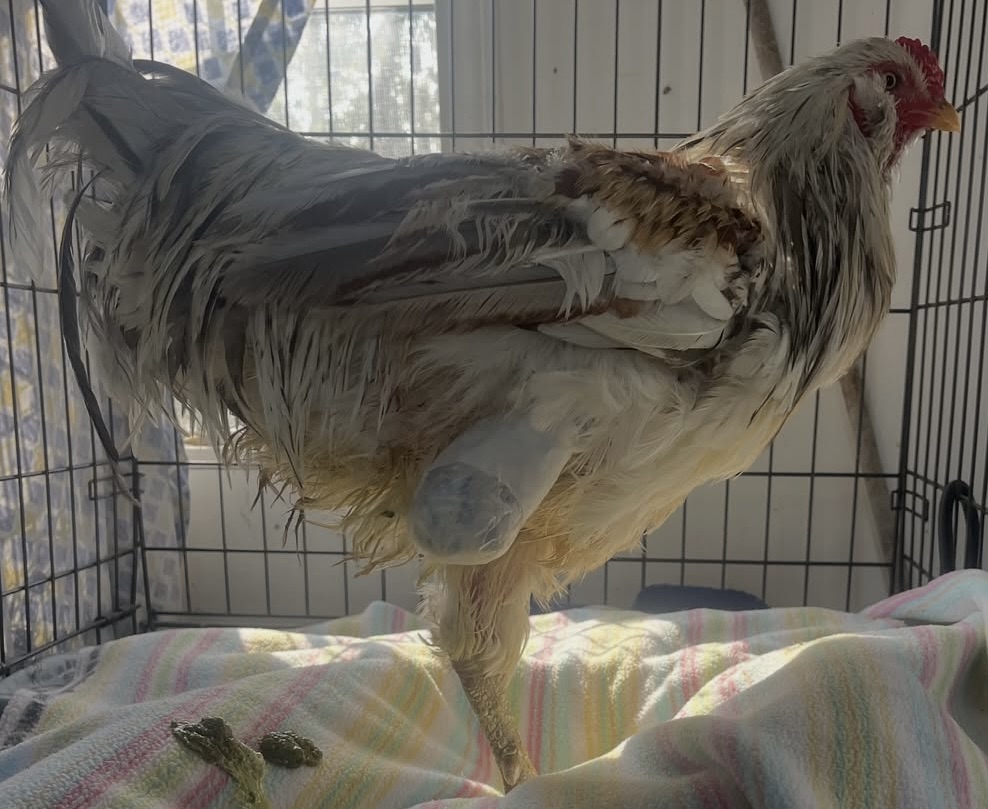
Argyle’s amputation surgery went beautifully, and he got to come home this afternoon! This poor little rooster was so nervous at the vet’s office, but I’m really hopeful it will all be worth it for him. He’s down one fractured foot and an infected leg, but he’s gained a substantially better quality of life. He has a week of cage rest and then he goes for a recheck in 10 days. Once things are healed and the swelling goes down, we’ll work on fitting him for a prosthesis!
While we’ve had and have birds missing legs, none of them have really been candidates for or needed a prosthetic limb before, so this is a new adventure for us. Argyle’s remaining foot still has fractures and infection, so it’s incredibly important that we balance his weight and keep as much as possible off the foot. There are lots of 3D printed chicken feet on Etsy and various places online, but none of them look like they’d actually work well or even be comfortable. We also need the lower part of the leg. I’ve reached out to someone who helped make some prototypes for another sanctuary, so keep your fingers crossed he’ll be willing to help us.
For now, Argyle is sleeping in his own (cat) bed and seems relieved to be surrounded by familiar sounds and people. The scary part is over, little one. The best is yet to come.
Oct 21
He’s progressing. The good news is he’s doing much better overall. We have significantly decreased his pain meds and he’s still bright and active. The less great news is that the wound is struggling a bit to heal. A new infection became apparent about a week after surgery, he was noticeably more painful, and we had to switch antibiotics. I think we now have that resolved (or very close), thankfully. But the wound is closing slowly and some of the tissue has become necrotic. We had to head back to the vet last week for them to take another peek at it. If it doesn’t heal properly, the vet says they’ll need to amputate at the next joint up, which would be really crappy for a lot of reasons. She’s hopeful he can pull this off though. We switched tactics on how we’re dressing it and keeping our fingers crossed.
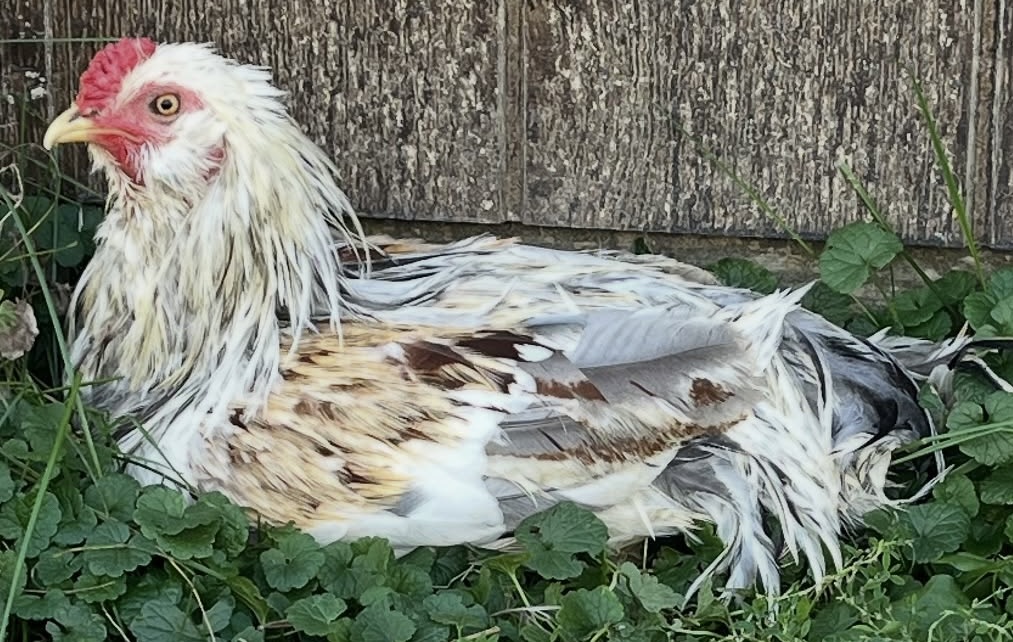
Thankfully, Argyle is not required to be on cage rest anymore, and the stump gets wrapped completely every day, so we aren’t worried about outside goo or flies. So he gets to enjoy the outdoors! He thoroughly enjoys picking through the dirt and finding the tiniest specks of random things. He shows them off to other birds through the fence and just gets so excited. He is still incredibly fearful of humans, but he’s able to interact with chicken friends now and just seems happier about life.
So we’re getting there. Once he’s healed a bit more we can start fitting his prosthesis. I keep telling him things are gonna be ok, and I think he’s finally starting to believe me.
Update: September 2026
He is doing really well. He doesn’t love the sling and we honestly haven’t been successful with getting a prosthetic to stay on. He has a lump of skin that healed strangely right on the end of his stump that makes it difficult. Even so, he hops around, and seems to enjoy life!
Thanks to Cari for sharing her story and photos, used withpermission.
“Saving one chicken won’t change the world, but it’ll change theirs.”


0 comments on “Case Study: Chicken Leg Amputation”