
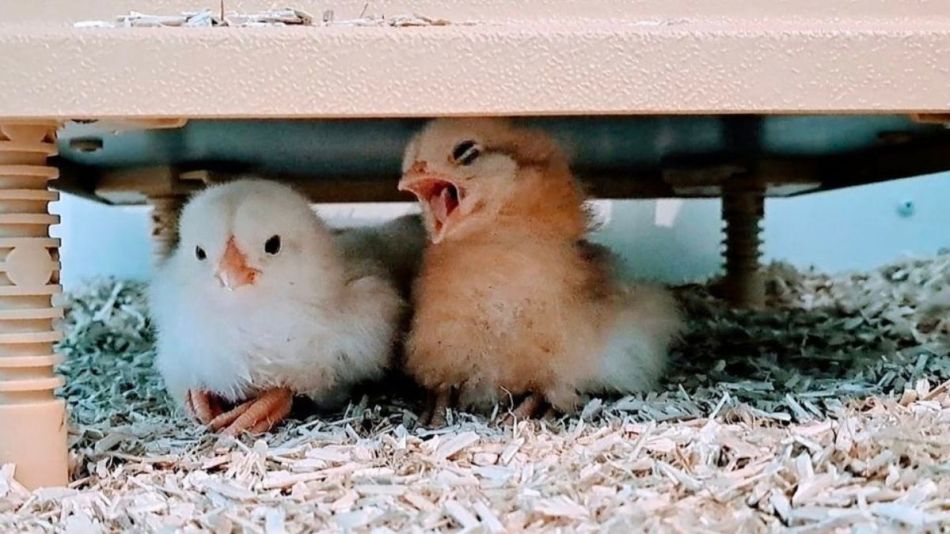
I’ve hatched dozens of chicks over more than a decade. Since I use broody hens and not an incubator I’ve had little call to use supplemental heat. One of the few times I did use a heat lamp one of the chicks flew up and knocked the bulb against the plywood coop wall. By the time I discovered it there was a small black ring where the bulb was burning the wall.
I also live in a temperate climate (off the west coast of Canada). We do get some snow and short periods of sub-zero temperatures, but for the most part the interior temperature of my coop is tolerable. I’ve only once dealt with a protracted period of cold weather. My rooster, who had both a large comb and wattles ended up with frostbite. He spent four days in a makeshift infirmary inside my house until it was safe to put him back outside.
Although I don’t have much experience with the various forms of supplemental heat for chickens I have, however, read numerous stories of the good, the bad and the ugly in online farm groups.
For many of you who live with ‘real’ winters or hatch chicks without a broody hen you know the proverbial question: “Do I heat the coop and, if so, how?” Many backyard flock owners have relied on heat lamps, which run the risk of coop fires. So what’s the alternative? Heat plates and radiant heaters.
What Are Heat Plates And How Do They Work?
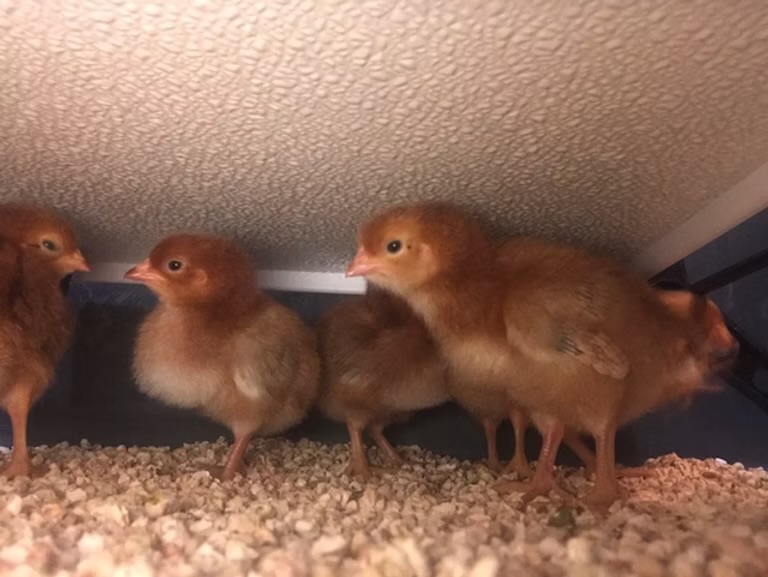
Heat plates are radiant heating devices that mimic the warmth of a broody hen. Instead of heating the air like a space heater, they gently radiate warmth downward onto the chickens or chicks beneath them. This lets birds choose when they want warmth just like they would under a mother hen and prevents overheating the entire coop space.
Unlike heat lamps, which heat by a bulb that throws hot light and hot air, heat plates focus safe radiant heat on the animals themselves, reducing fire risks and power usage.
Heat Lamps vs. Heat Plates
Heat Lamps
- Produce intense hot light and heat
- Can reach high temperatures that can burn bedding or start fires, if knocked over
- Disrupt natural sleep cycles with constant light
- Often require frequent bulb replacement
Heat Plates & Radiant Heaters
- Produce radiant heat: warm, safe, and similar to a hen’s body warmth
- Greatly reduced fire risk (no bulbs to shatter or fall)
- No light thrown – chickens keep normal day/night rhythms
- Lower energy consumption overall
The result? Many flocks stay cozy with less electricity and much lower risk. Chickens huddle where they choose, and heat plates allow natural behaviour without stressing the birds with glaring hot bulbs.
Top Recommended Heat Plates & Radiant Heaters
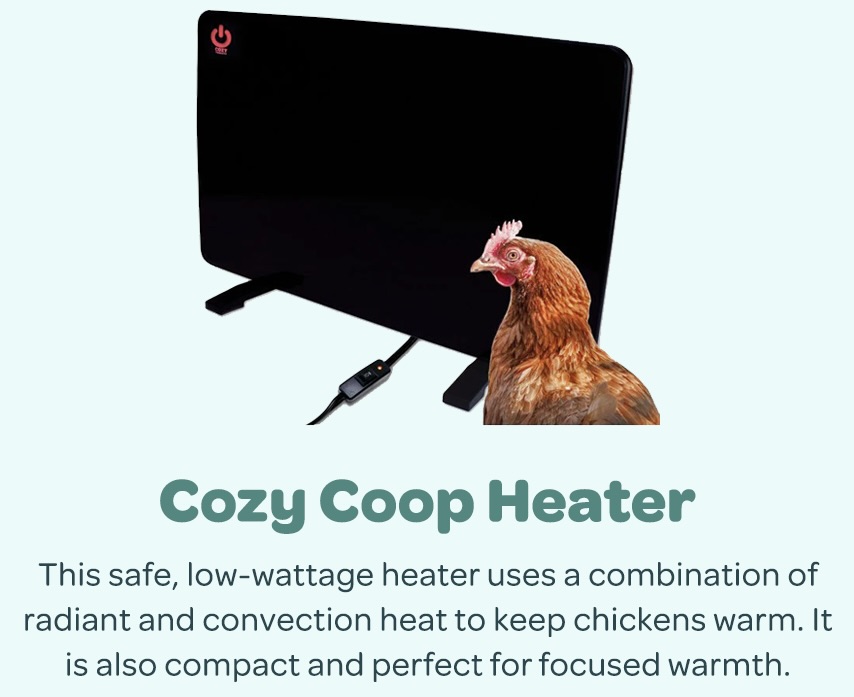
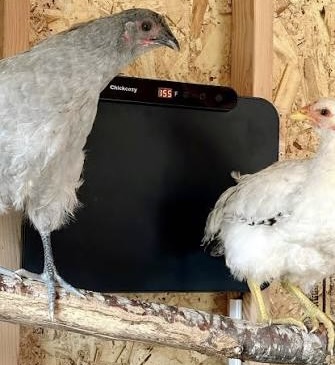
Cozy Coop Heat Panel
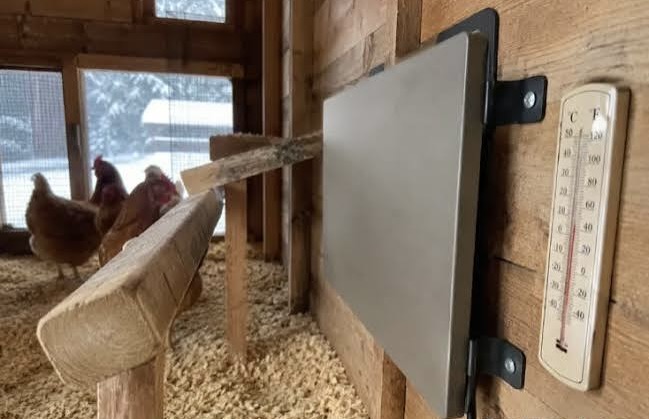
The Cozy Coop Heat Panel is one of the more established radiant heat solutions designed specifically for poultry. It’s a panel-style heater that emits gentle radiant warmth, often used overhead or mounted on the coop wall. It’s safer than a traditional lamp and provides a large warmed area without intense heat in one spot.
Best for: supplemental coop heating during cold spells, frostbite prevention, general warmth for adult birds. It’s both durable and easy to install.
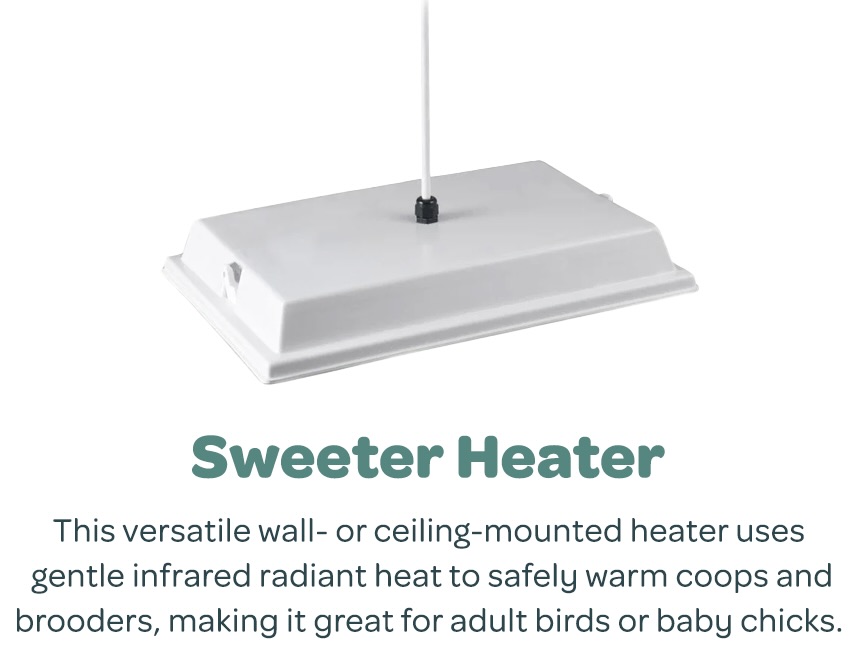
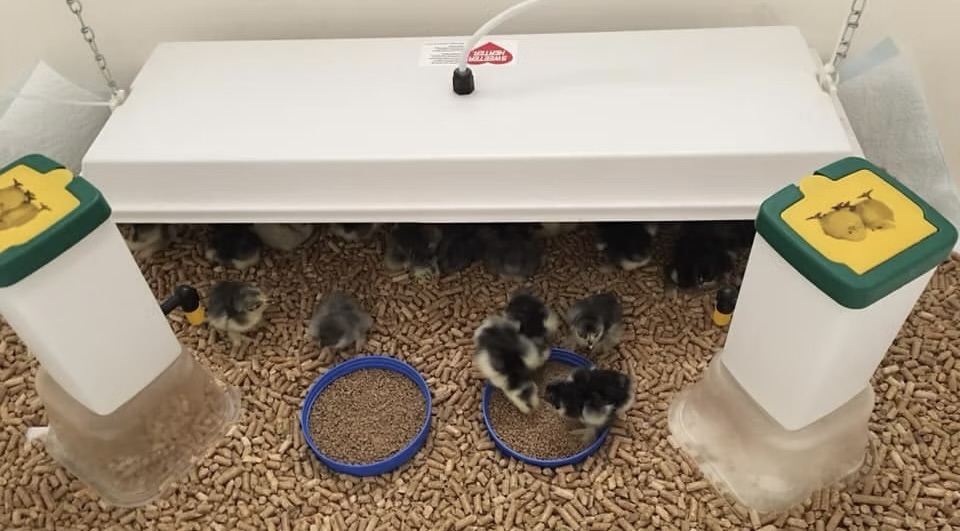
Sweeter Heater (Infrared Radiant Heater)
The Sweeter Heater is another radiant heating option you’ll see recommended in online discussions. It works similarly to a heat plate but is often larger and projects infrared radiant heat downwards across a wider space.
- Sweeter Heaters run hotter than typical brooder plates (up to ~185°F).
- Some owners report needing careful placement to avoid overheating small chicks.
- Much safer than a heat lamp when installed properly.
Best for: larger coop zones where a broader heated footprint is desired, or for maintaining warmth when frost is a risk.
2025 Smart Chicken Coop Heater
- A budget-friendly heat plate/heater suitable for smaller coops or supplemental warmth.
- Offers broad radiant heat coverage and is generally easy to install.
- Works well in mild to moderate cold; recommended where heavy winter heat isn’t necessary.
- Good balance between price and performance.
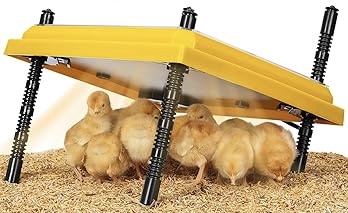
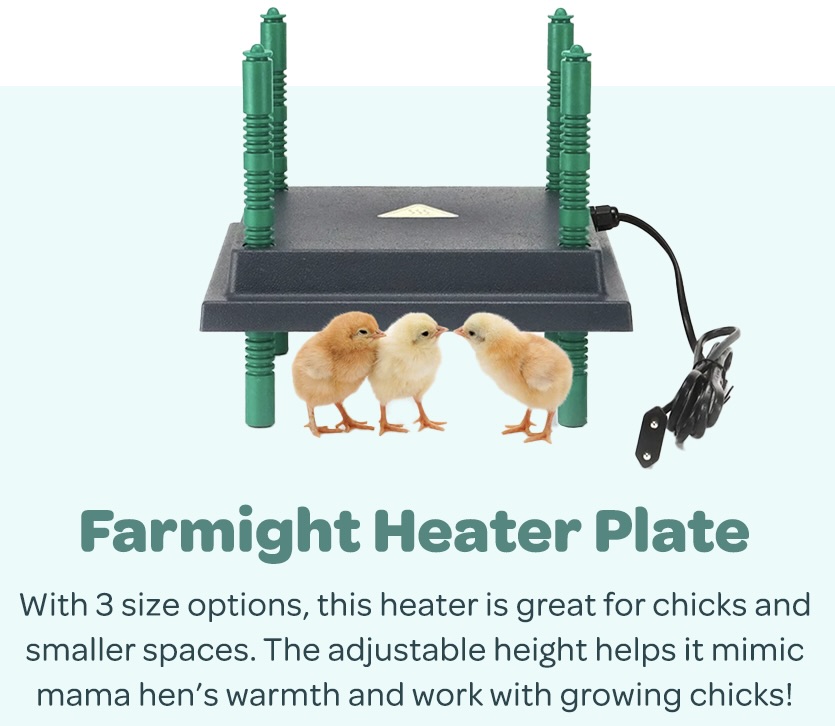
Hatching Time Heating Plate for Chicks
- A dedicated chick brooder heating plate, ideal for new chicks or small poultry.
- Focused heat and adjustability for height, letting chicks snuggle beneath much like under a mother hen.
- Works particularly well in indoor brooders before chicks transition to coop space.
Tips for Using the Right Heater
- Chicks vs Adult Birds: Dedicated brooder plates (like the Hatching Time Heating Plate) are ideal for chicks, while larger radiant panel heaters (like the Cozy Coop Heat Panel) work better for larger spaces or adult birds.
- Size & Power: Match the heat plate size to the number of birds and coop size — too small and it won’t provide enough warmth; too large and you may waste energy.
- Placement: Install so birds can move in and out easily, not too high off the ground and positioned near roosting areas or brood zones.
- Positioning: Mount heat plates where chickens naturally roost or where they like to stage on cold nights, typically above roost bars.
- Draft Free: Heat plates help, but coop design matters. Ventilation and dry bedding go a long way toward healthy winter birds.
- No Overheating: Radiant plates warm birds, not the entire coop, so don’t expect them to bring ambient temperatures up significantly – they just keep birds comfortable.
Why Choose Heat Plates
While the use of heat lamps have dominated traditional chicken keeping for decades, heat plates and radiant panels have rapidly become the preferred choice for many flock owners. They’re safer, more energy-efficient, easier on sleep cycles, and mimic natural mother hen warmth without the hazards of naked bulbs.
Heat plates and radiant panels are now widely recommended by chicken keepers as safer, more efficient alternatives to heat lamps, especially for chicks and supplemental warmth over the cold months of winter.
Featured photo credit: Jennifer Bullock
“Where Science Meets The Brooder”


0 comments on “Heat Plates Vs Heat Lamps For Your Chickens”