
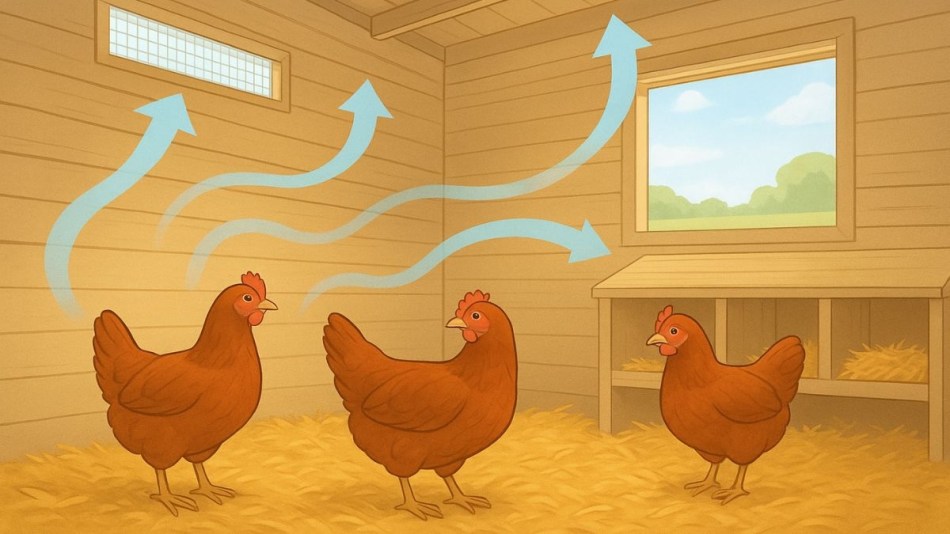
A cozy coop might sound sweet for your flock, but when it comes to chicken housing, cozy can easily turn into stuffy, damp, and downright dangerous. Proper ventilation isn’t just about comfort, it’s one of the most critical aspects of maintaining a healthy and productive flock.
Why Ventilation Is Crucial
Chickens produce a surprising amount of moisture through respiration and manure. In a closed coop, that moisture quickly builds up, creating a humid environment where bacteria, mold and ammonia thrive. Proper airflow removes excess moisture, dilutes ammonia fumes, and regulates temperature which are all vital for preventing disease and maintaining good air quality.
Poor ventilation can lead to:
- Respiratory problems like chronic coughing, sneezing, and sinus infections due to ammonia and dust buildup.
- Frostbite on combs and wattles during winter, caused by trapped moisture freezing overnight.
- Heat stress in summer when hot, stagnant air prevents chickens from cooling off effectively.
- Mold and bacterial growth which increase the risk of infections and parasitic infestations.
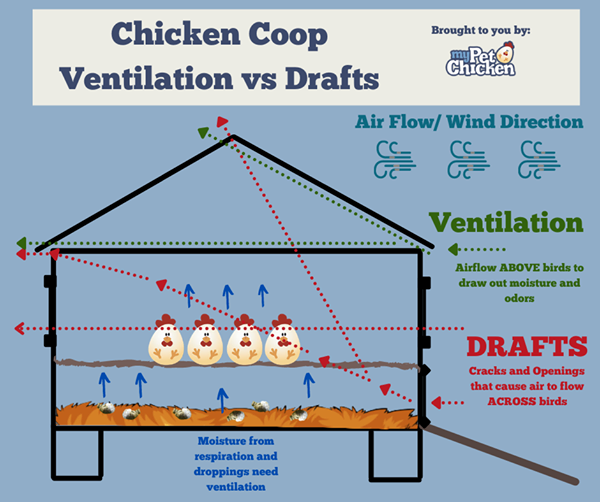
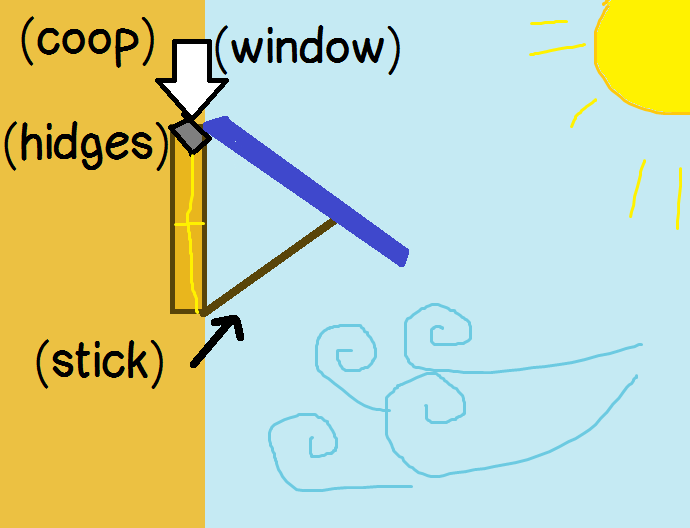
Image credits: My Pet Chickens; patandchickens
What Good Ventilation Looks Like
A well-ventilated coop isn’t drafty, but allows fresh air to circulate without chilling the birds. The goal is steady, gentle airflow that carries stale, moist air out and brings fresh air in.
Here’s how to achieve it:
- High and low vents: Warm, moist air rises, so vents near the roofline allow it to escape while lower vents or gaps draw in cooler, drier air.
- Cross-ventilation: Openings on opposite sides of the coop help air move through rather than just swirl around.
- Adjustable openings: Close or cover some vents in extreme weather, but never seal the coop entirely. Even in winter, chickens need air exchange.
- Hardware cloth instead of solid covers: Keeps predators out while maintaining airflow.
- Positioning: Face vents away from prevailing winds to reduce drafts while still promoting movement of air.
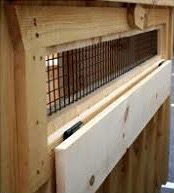
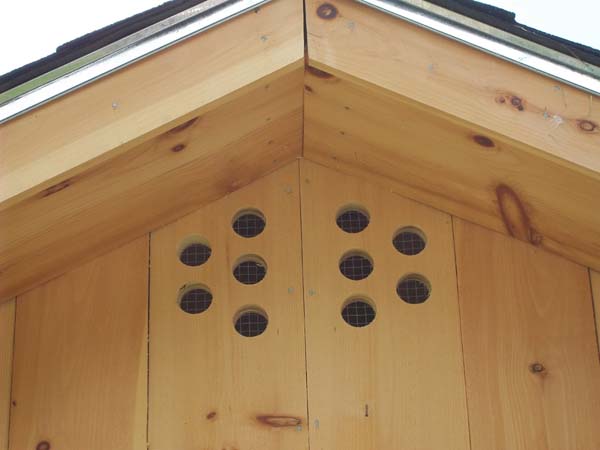
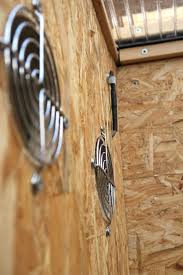
Photo credits: Unknown; patandchickens; Garden Coop
Seasonal Considerations
- Winter: The temptation is to close up the coop to keep birds warm, but that’s when ammonia and moisture become most dangerous. Chickens generate enough body heat to stay comfortable if the coop is dry and draft-free.
- Summer: Maximize airflow to help chickens cool themselves through panting and wing-lifting. Shade, open windows, and ridge vents can make a huge difference.
Signs Your Coop Needs Better Ventilation
- Persistent condensation or damp bedding.
- Strong ammonia odour (if you can smell it, your chickens are already breathing too much of it).
- Chickens coughing, sneezing, or showing nasal discharge.
- Mold or mildew inside the coop.
- Birds choosing to sleep outside even in mild weather is often a sign they’re avoiding poor air quality.
Good ventilation is invisible when done right. It keeps your coop fresh, dry, and comfortable year-round. Your chickens will breathe easier, stay healthier, and reward you with better egg production and longevity.
When designing your coop check the airflow. A well-ventilated coop is the difference between a thriving flock and one constantly battling respiratory issues.
Credits
- Dawkins, M. S., Donnelly, C. A., & Jones, T. A. (2004). Chicken welfare is influenced more by housing conditions than stocking density. Nature, 427(6972), 342–344.
- North, M. O., & Bell, D. D. (1990). Commercial Chicken Production Manual (4th ed.). Springer.
- Fairchild, B. D., & Czarick, M. (2005). Poultry housing for hot climates. University of Georgia Cooperative Extension Bulletin 1234.
- Weaver, W. D., & Meijerhof, R. (1991). Principles of ventilation for poultry houses. Poultry Science, 70(5), 985–992.
“Where nerds and hens flock together.”


0 comments on “Why Ventilation In Your Chicken Coop Matters”