
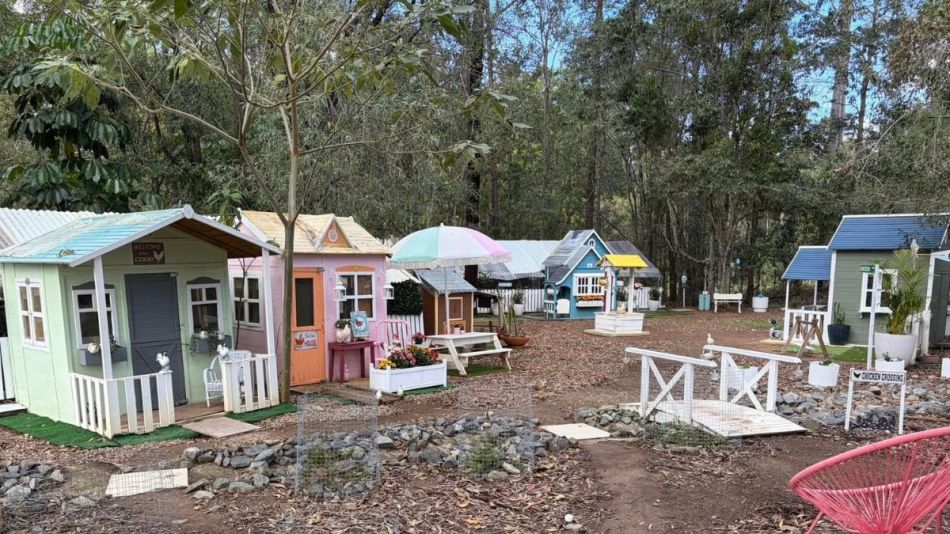
In my search for cool coop designs I’ve not focused on the biggest or most well built, but those that express something about the folks that made them to house their flock. Sometimes that has meant using upcycled materials or fumbling along with no previous experience to create something they’re proud of.
When I came across Tenille’s Chicken Village I realized she was in a class of her own. As a first time builder and chicken owner she has put an inordinate amount of time, energy and money into protecting her flock from both the elements and the myriad of predators in the her neck of the woods in Australia.
I reached out to Tenille, who was more than forthcoming, sharing her photos and details of the build. I love that she has combined prefab buildings and filled the interiors with freecycled or upcycled items. I hope you are as impressed as I am with her dedication and creativity in providing the best life for her ‘pets’.
This is the 42nd post in my Cool Coops series.
My name is Tenille and I live 30km north of Gympie, Queensland, Australia. It’s has always been just me and my dogs and cats. Five years ago, I bought my three acre property and all I wanted was to have chickens! I had never owned them before. I had a list of all the breeds that I thought were so pretty or unique and a vision for them to all live in little houses. I didn’t want my chicken set up to be an eyesore on my property. It was important to me for it to look aesthetically pleasing and be functional.
In the first few months I did a lot of research. I did drawings of my designs for what I needed, where everything would go and how it would look. I dove head first into poultry ownership (would not recommend), and bought heaps of chicks and set up brooder boxes. The aim was to get at least one girl of each breed so I was buying four and later two chicks of each breed. While they were growing I began purchasing kids’ cubby houses online because they came as flat packs, and chicken runs that I wanted to attach to the back of the coops.
These kids’ playhouses, made from timber, require painting for outdoor use to protect them. They’re pretty expensive to buy so I recommend getting them second hand. I had to buy new because they come partly assembled in flat packs. I didn’t have a trailer or several people to help me pick up one that was already assembled or to dismantle one. Ideally you’d have a trailer and someone to help dismantle and transport.
My dad lives 2000 kms away. He came to visit to help built the first half of my chicken village. The following year we built the second half. It only took us about an hour to put each one together. The roof has been waterproofed using silicone or No More Gaps and plastic sheeting. I used external house paint which has been excellent for protecting them from the elements and easy to clean. After that he helped me with maintenance and repairs. I spend a lot of time keeping it clean and secure, touching up paint etc. In my opinion they still look pretty nice after five years.
The interiors are outfitted with items like old shelves, timber pallets, milk crates and bar stools for roosts that I got for free or cheap from the tip shop (a second-hand store located at a waste disposal site or landfill that sells salvaged and reusable items). I mostly use old lawnmower grass catchers as nest boxes.
I had no idea what was involved in owning poultry so it was a steep learning curve! It was so much harder than I ever imagined – literally EVERYTHING wants to kill them and they are completely dependent on me for EVERYTHING!
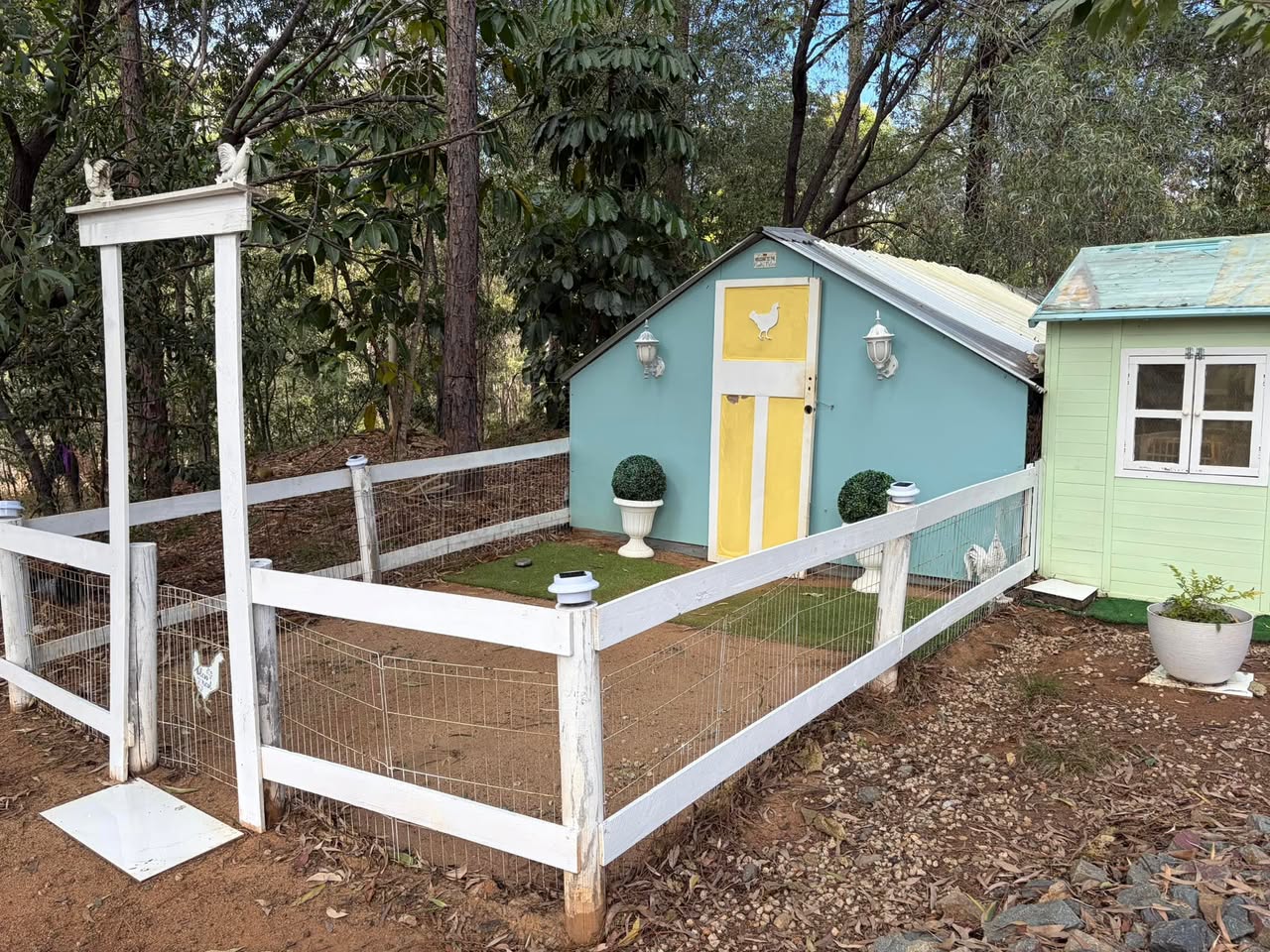
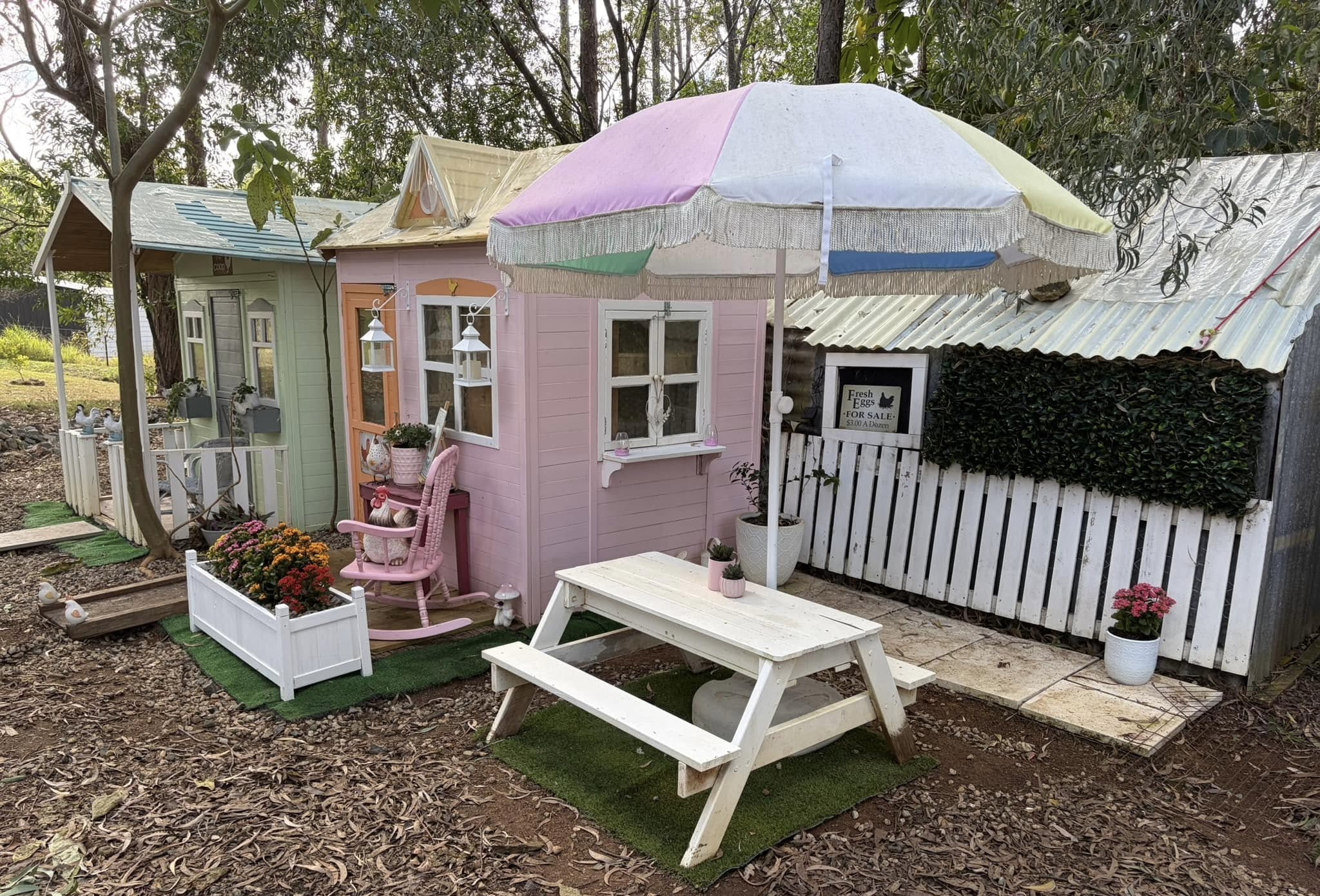
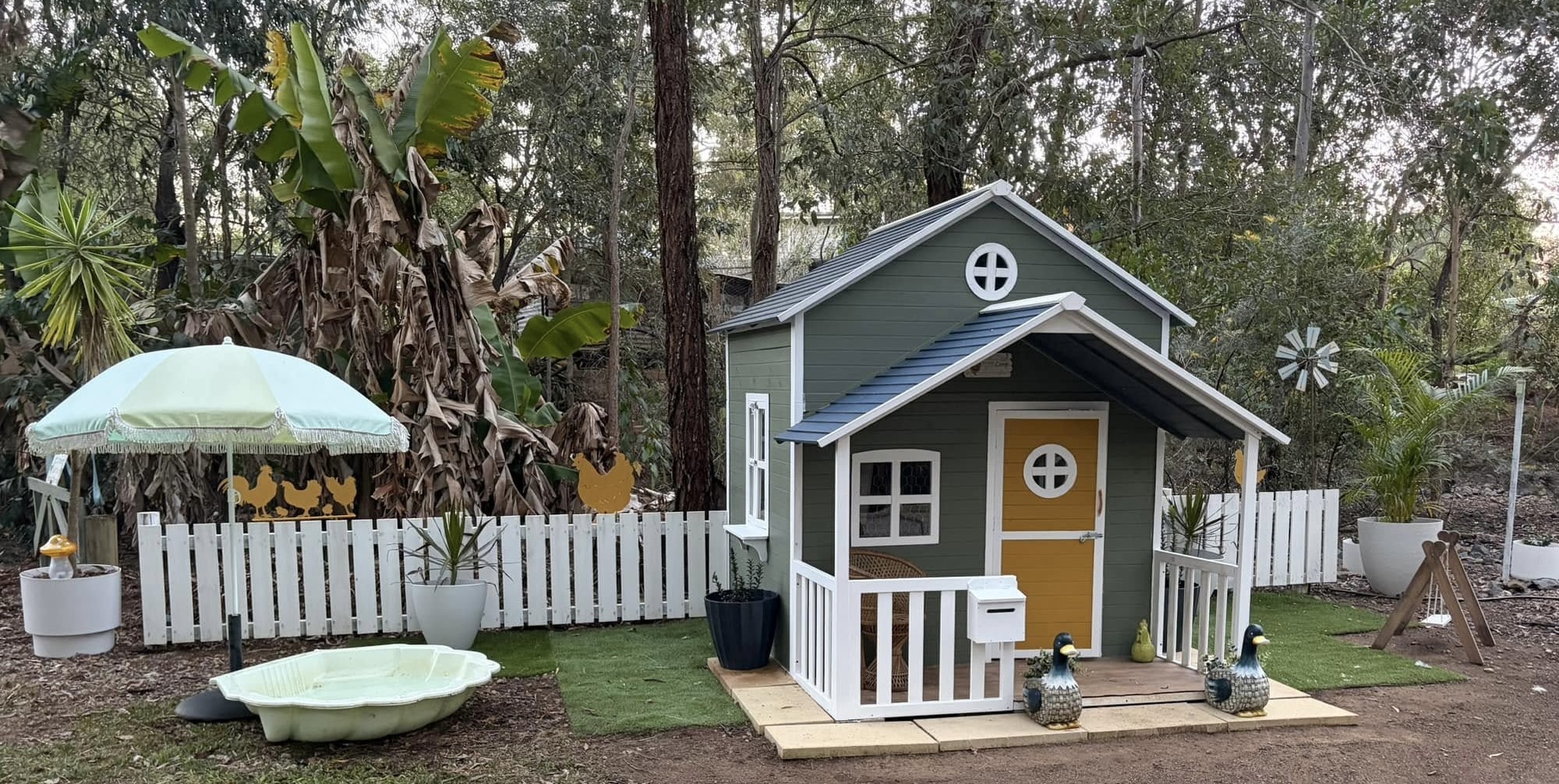
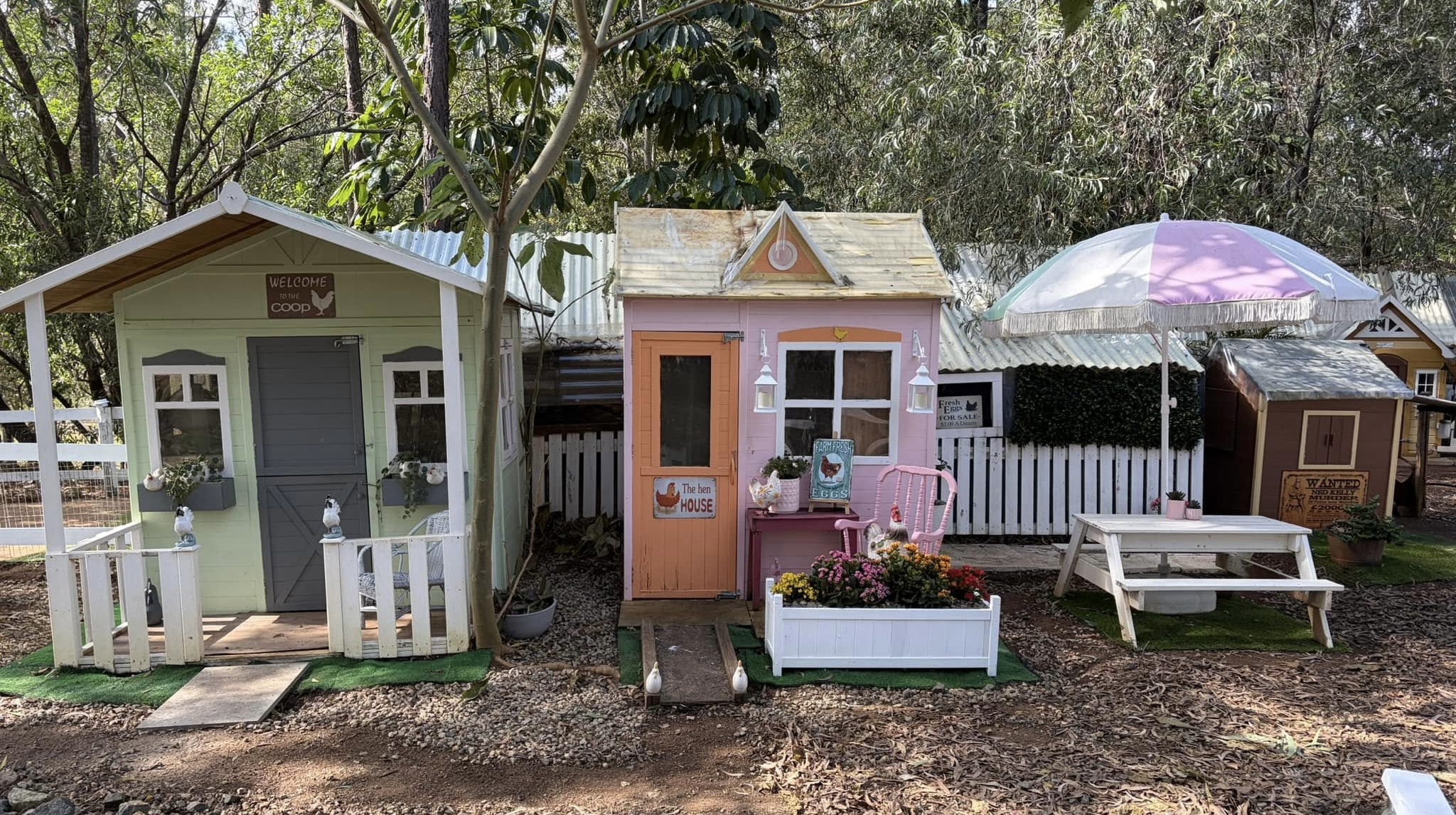
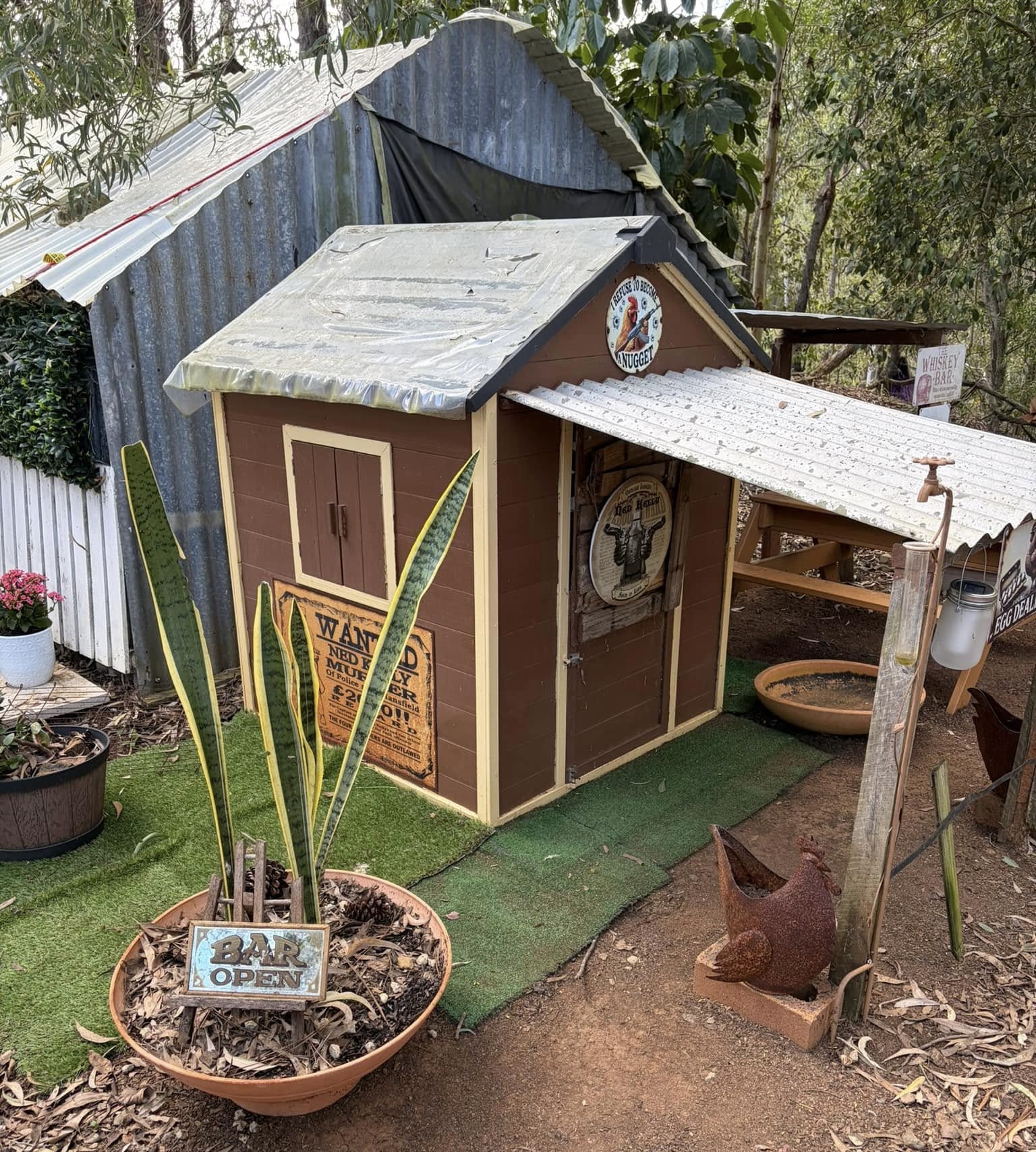
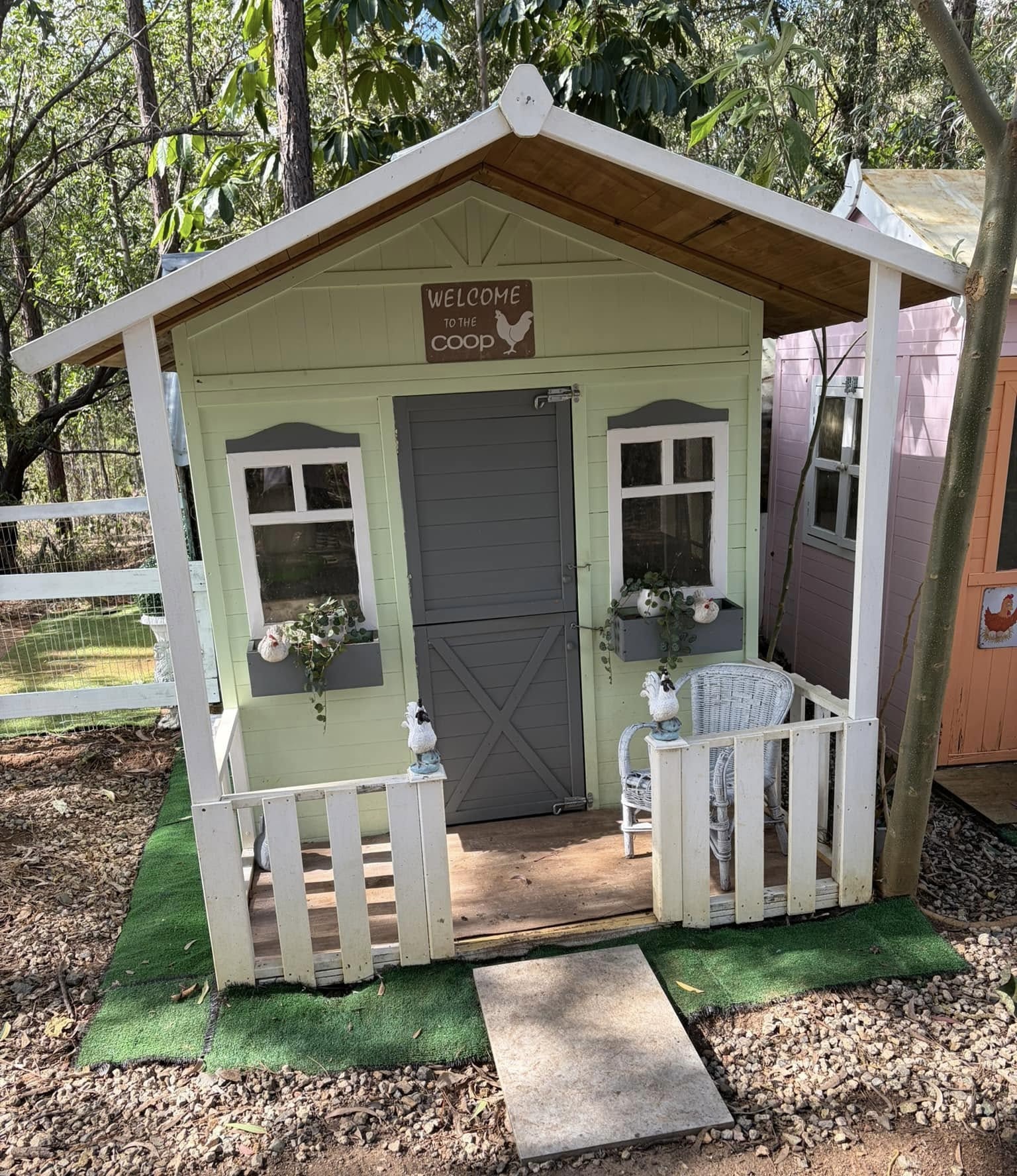
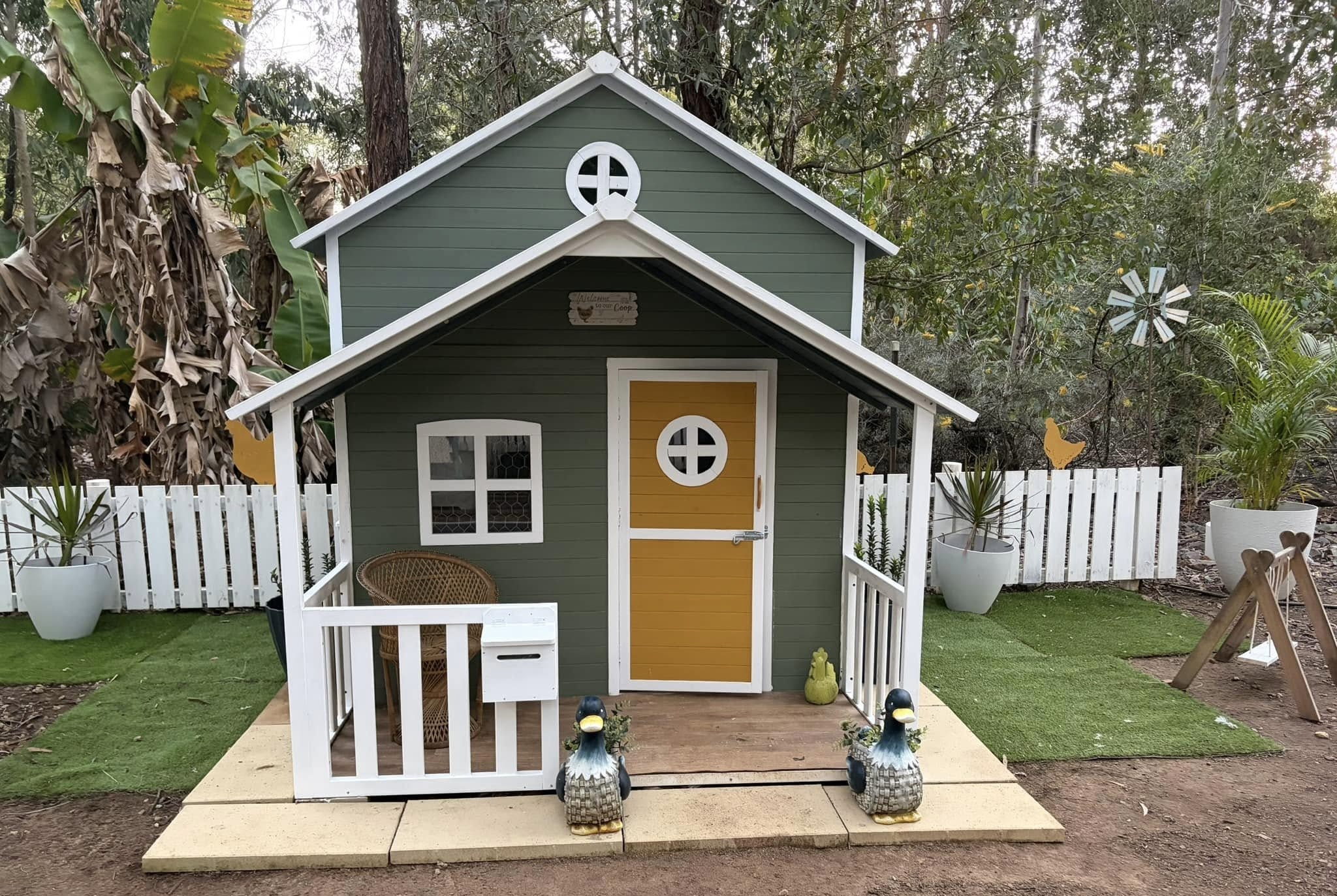
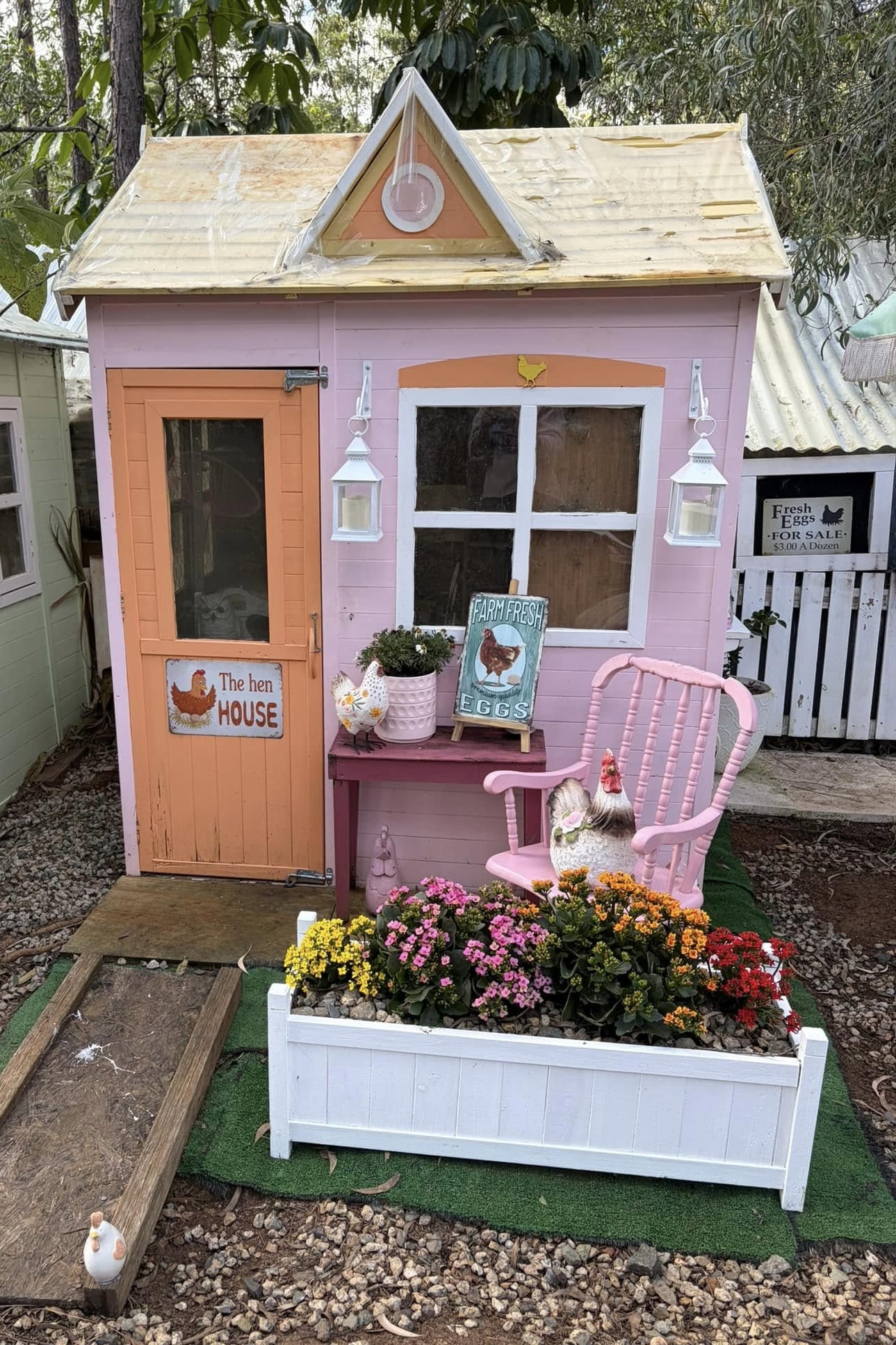
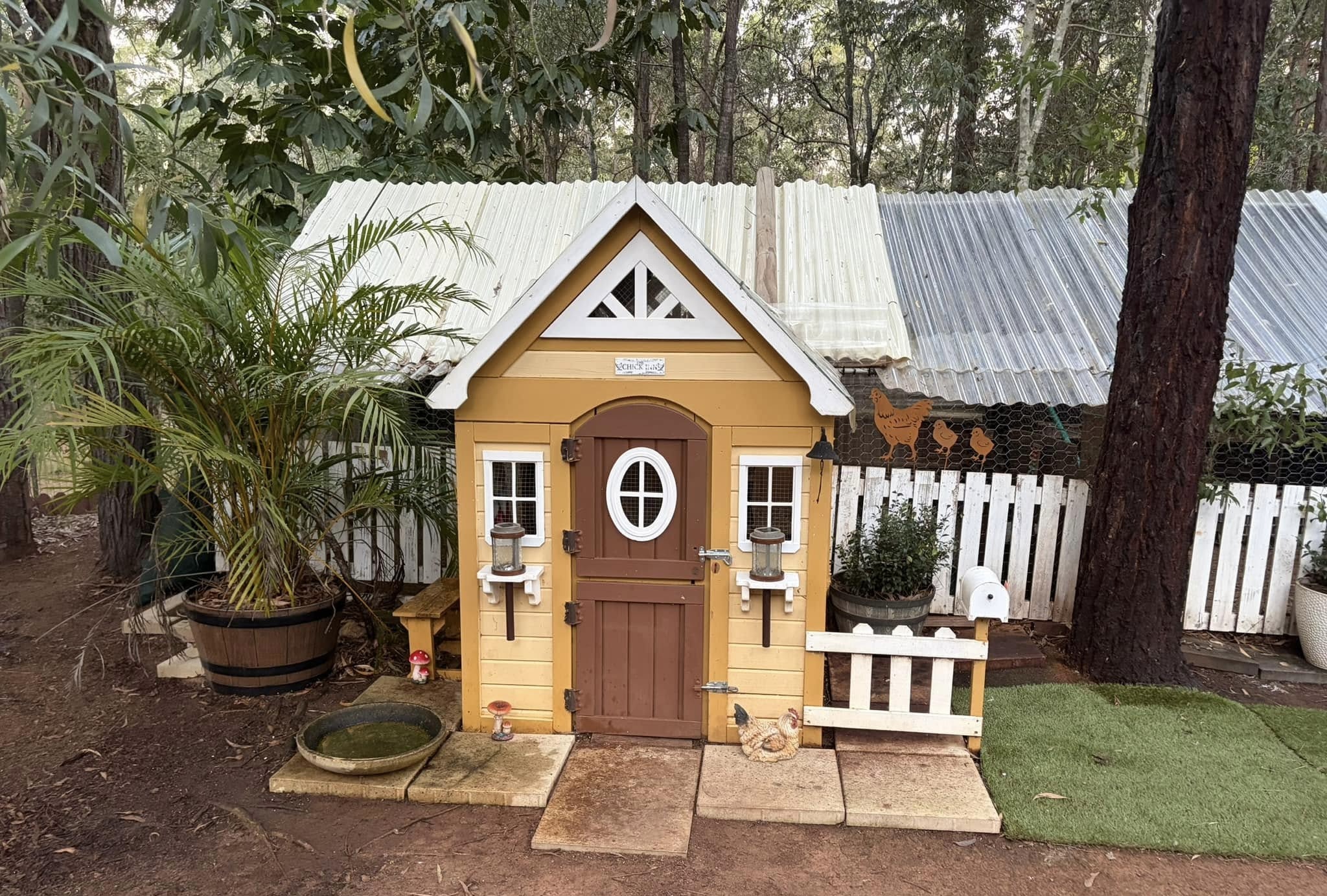
I have six coops and two runs within the chicken village. The little brown house was made for my rooster as a no-crow box and although it worked great, he had to be rehomed after he started stabbing all of us with his spurs. No one lives in that house anymore.
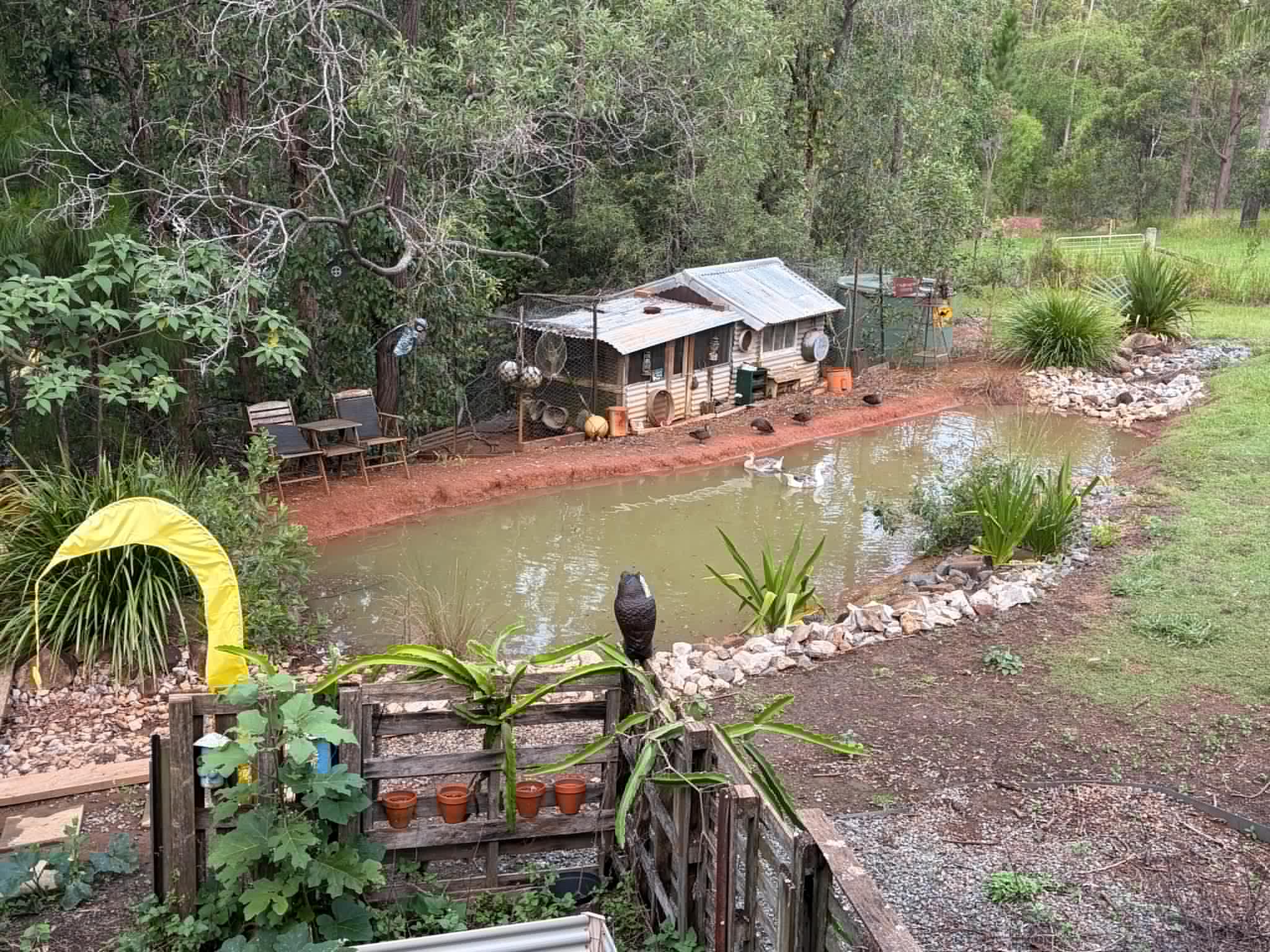
This little miner’s hut next to the goose pond no longer houses anyone permanently. It’s used for quarantining new birds before they move to the village.
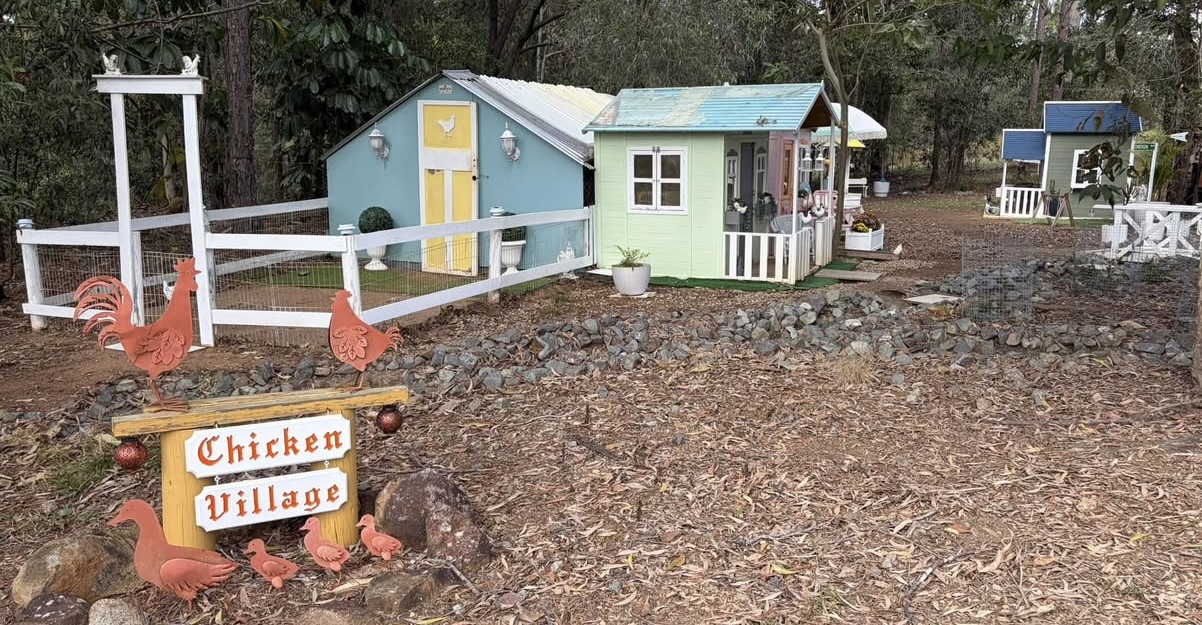
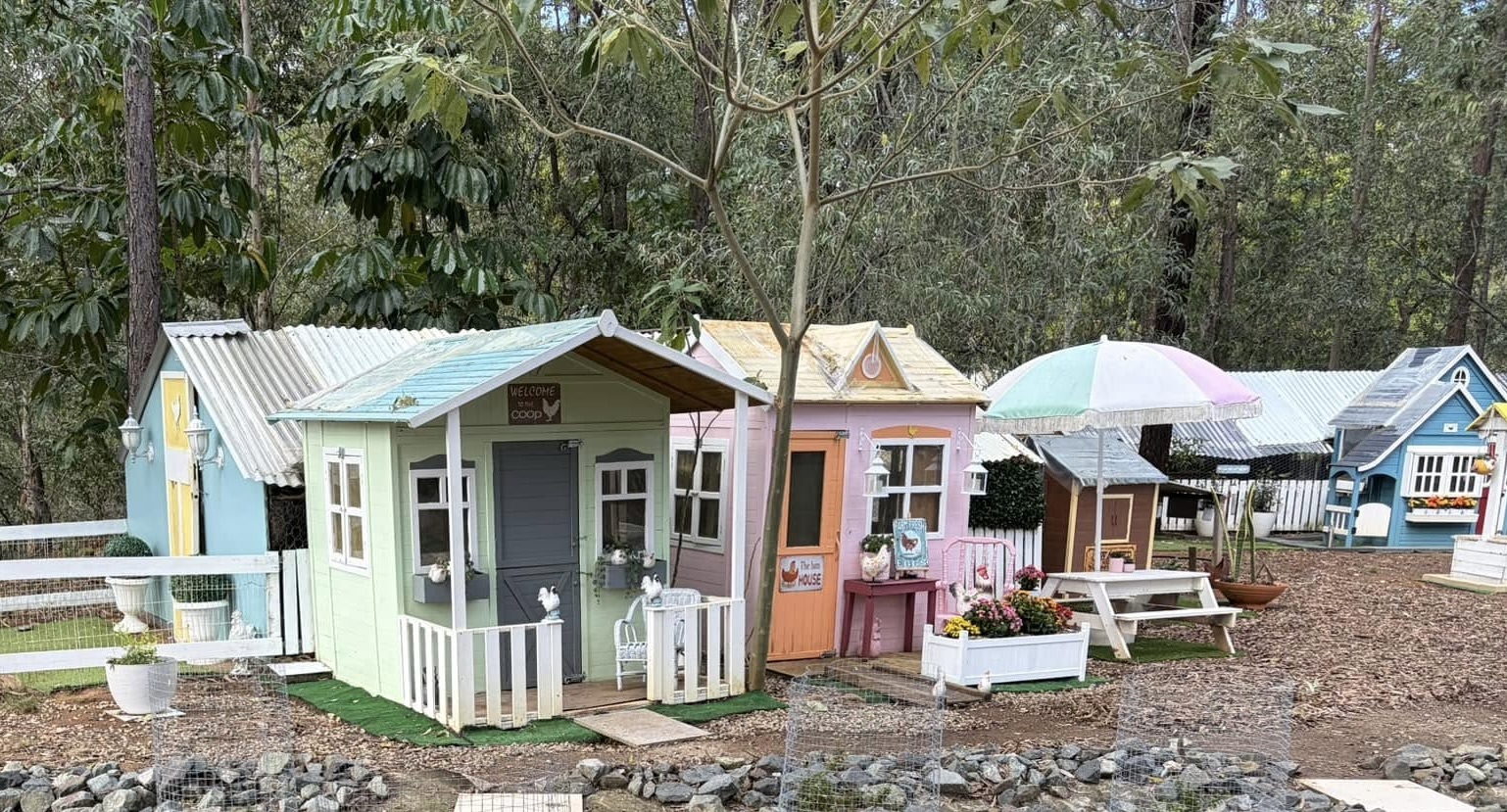
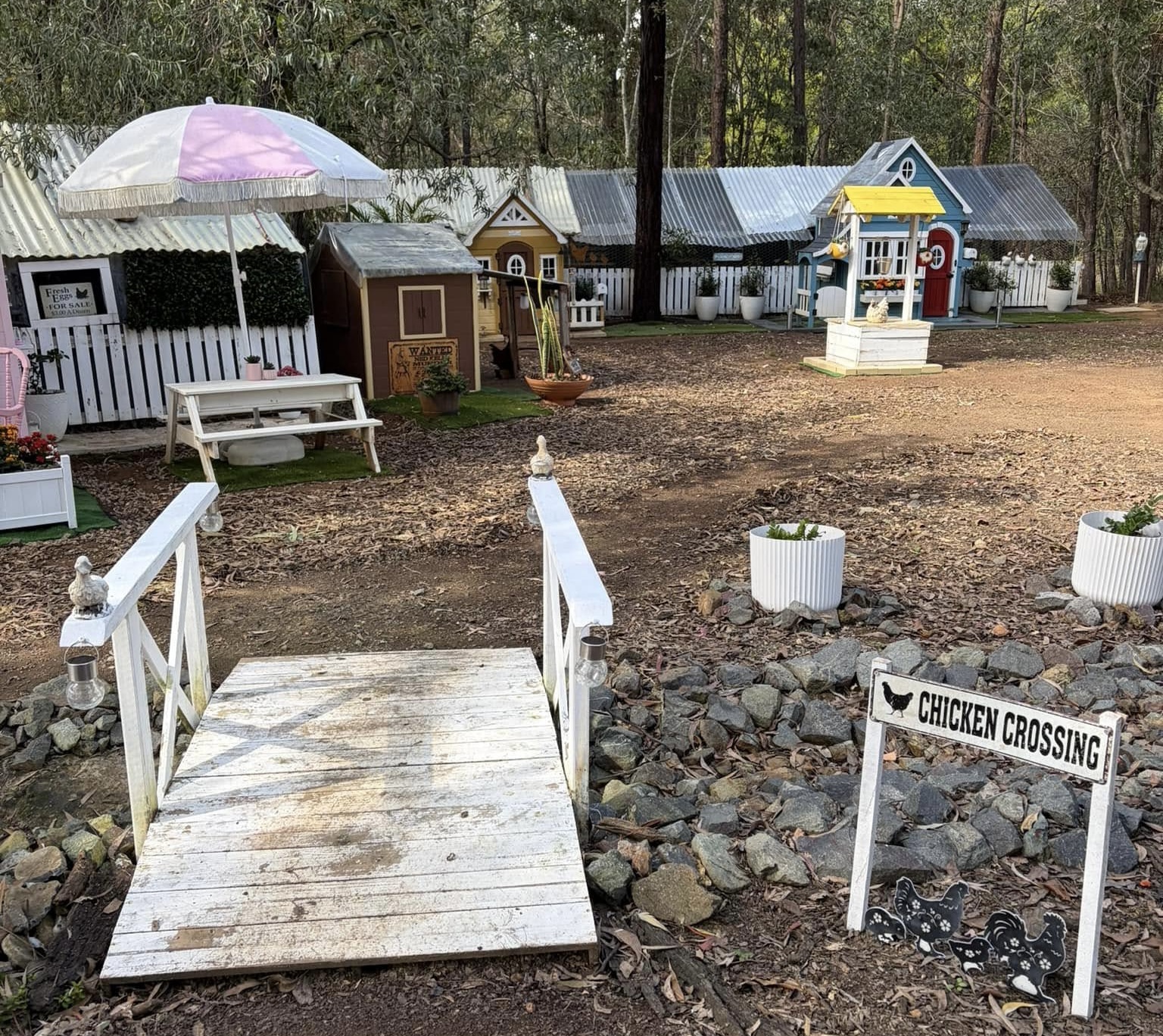
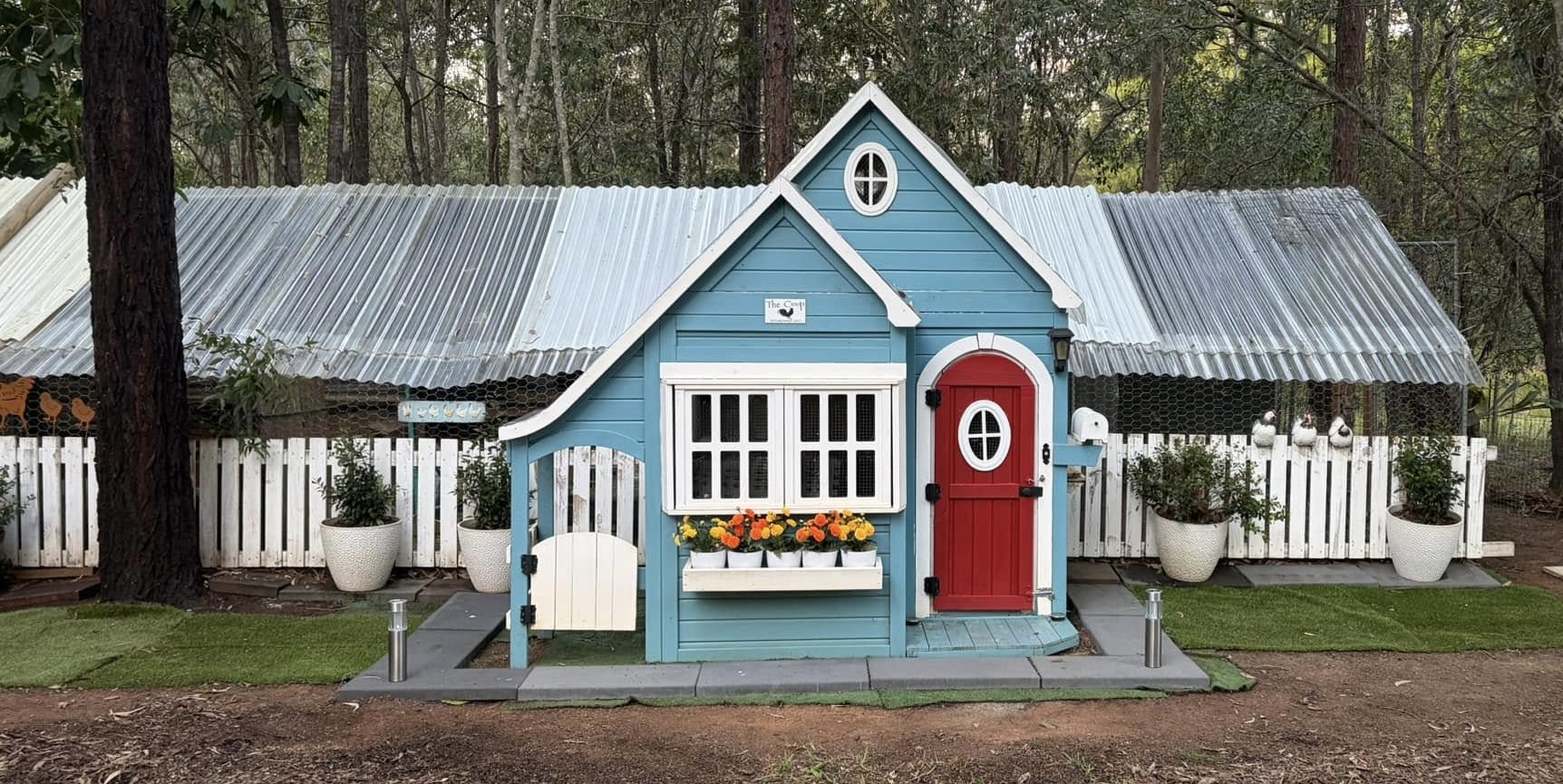
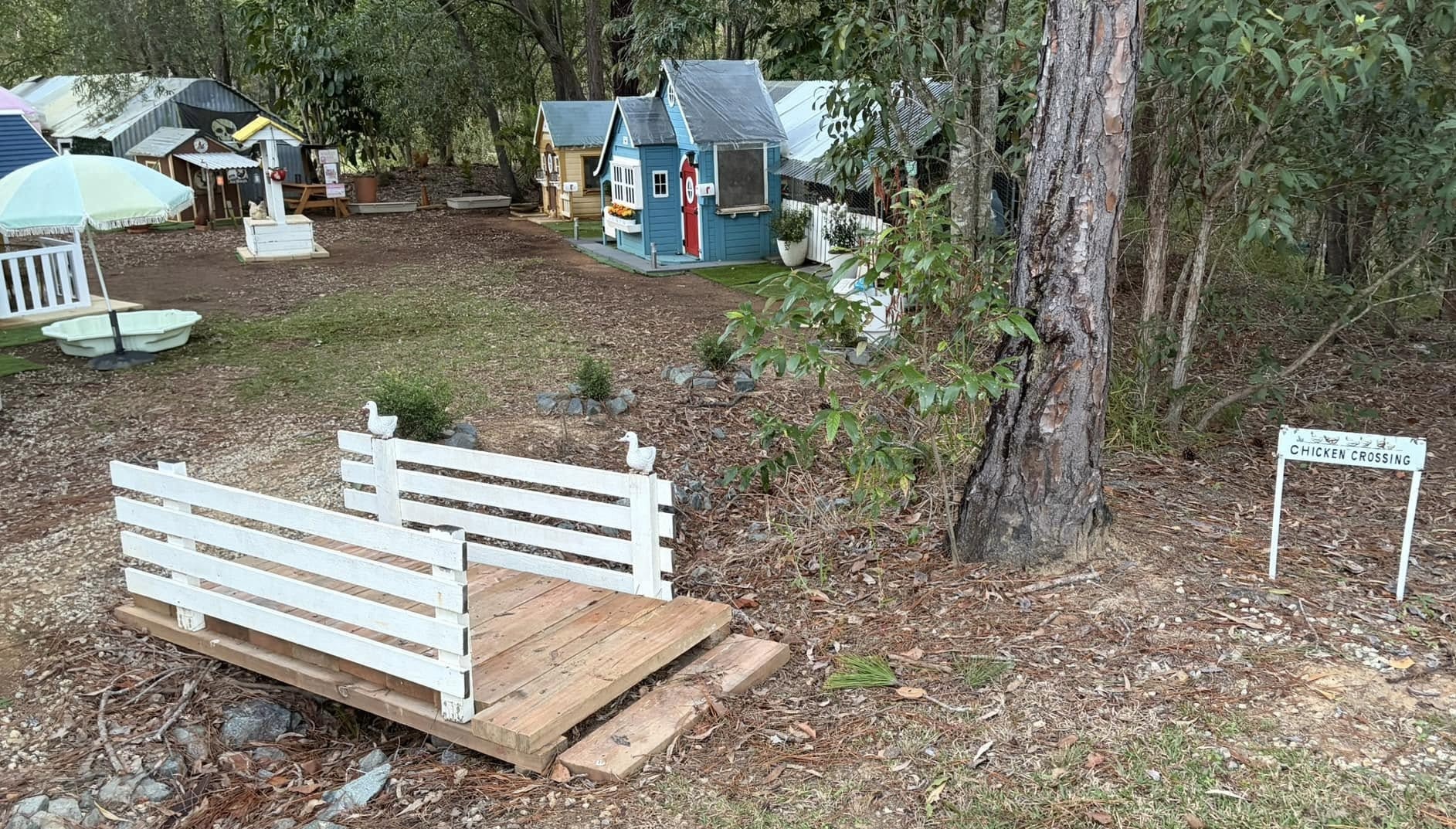
This is the first time that I have done anything like this, however, I often get creative with my yard projects. I currently have a turkey tom who is extremely friendly and affectionate, five lovely natured geese and 25 chickens. The chicken village has been home to 21 different breeds ranging from the smallest (Seabright, Belgian d’uccle) to the largest (Brahma, Malay Game, Cochin) and all different colours, shapes and sizes of chicken in between (Wyandottes, Barnevelder, Polish, Pekin, Hamburg, Vorwerk, Naked Neck, Sussex, Lakenvelder and the list goes on).
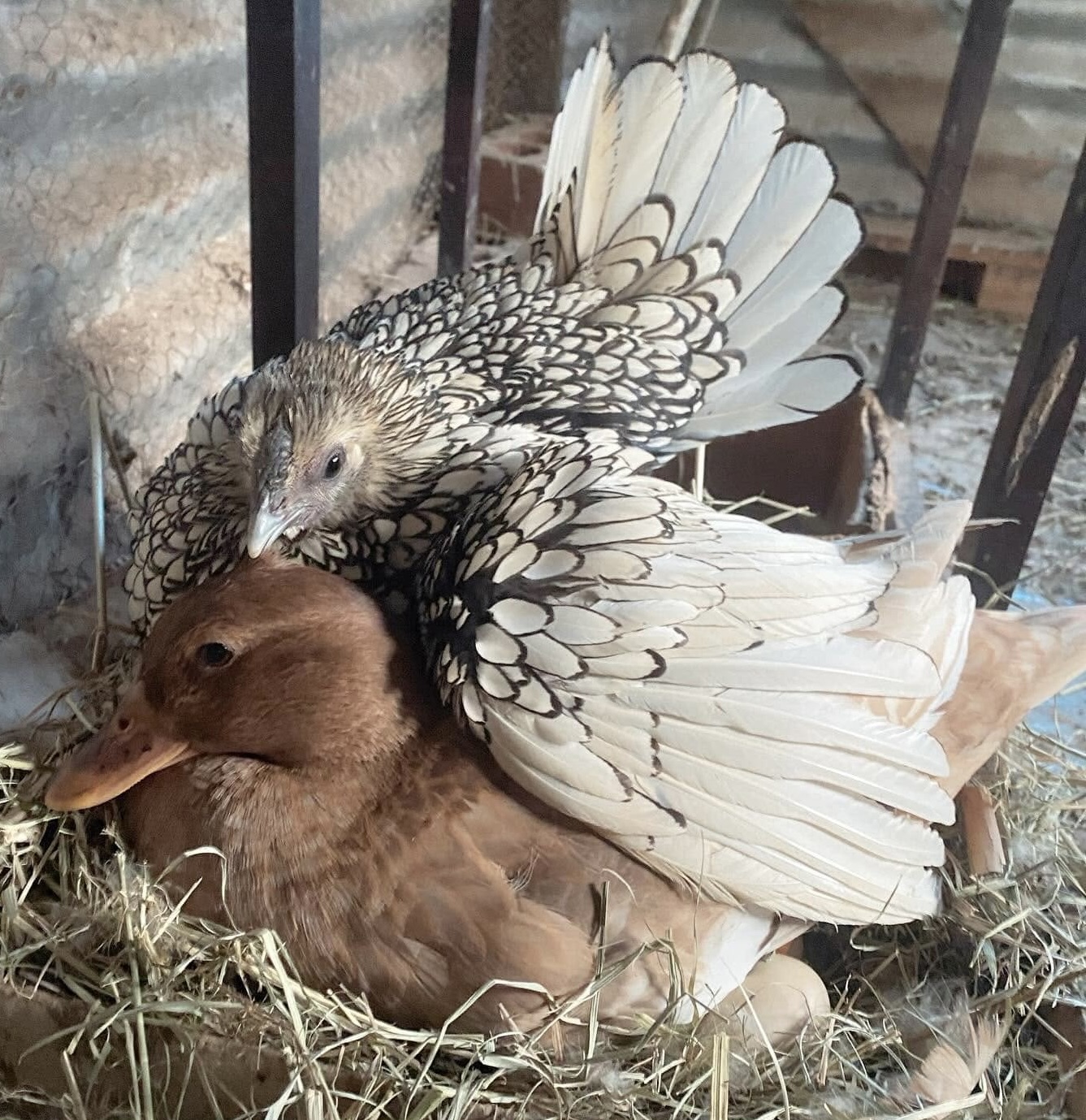
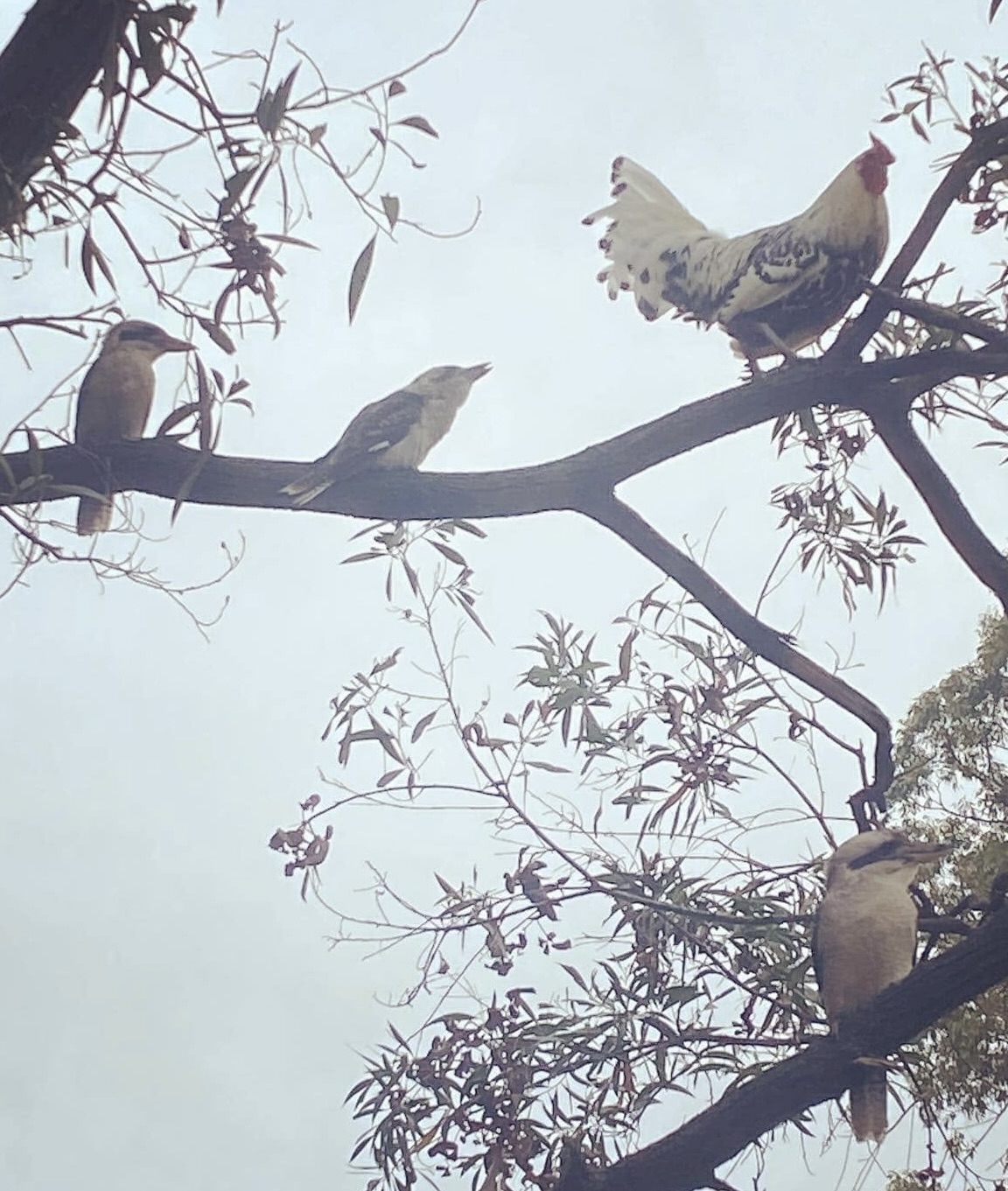
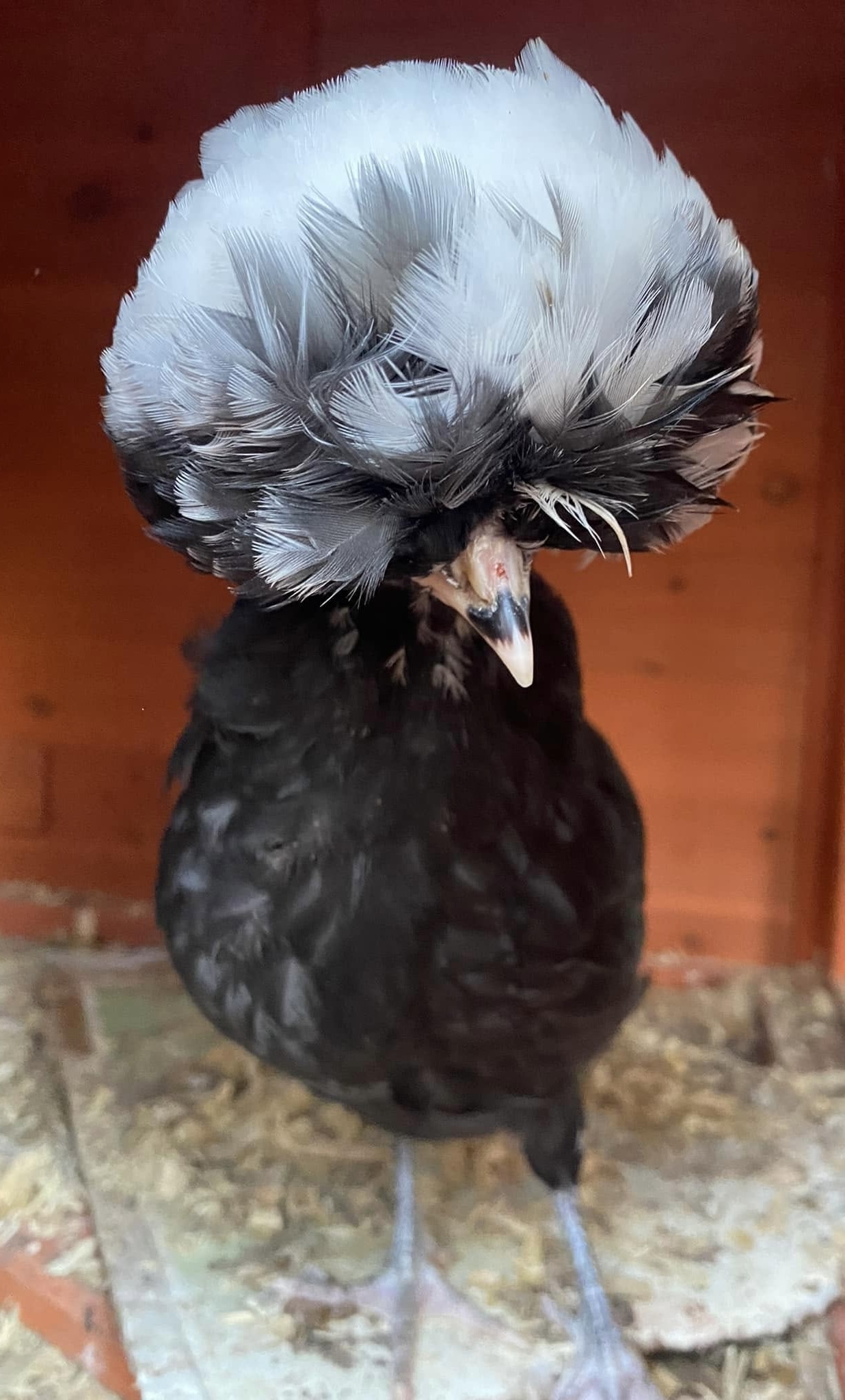


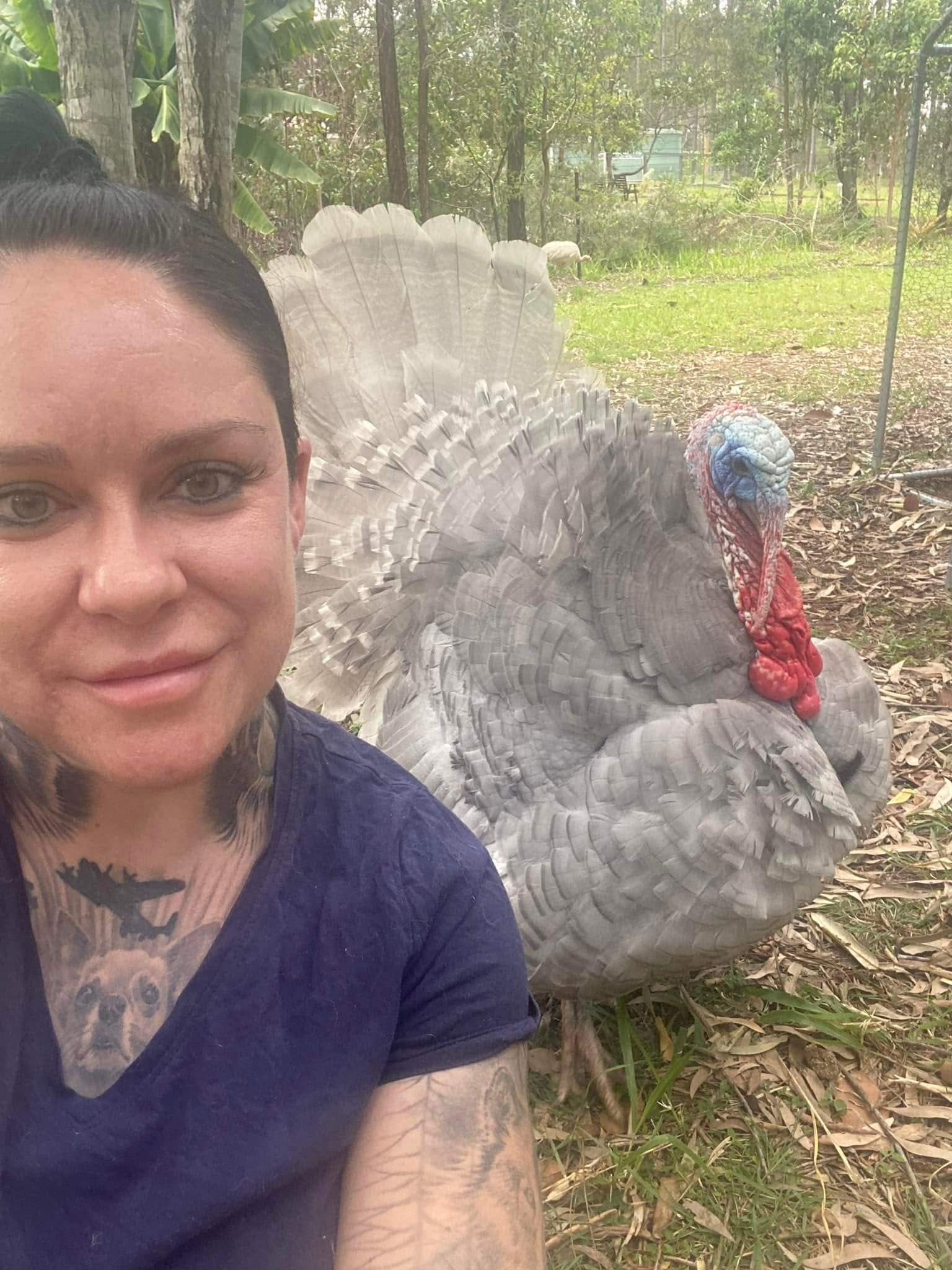
I have no roosters. I don’t incubate, so no babies. I used to buy chicks if I wanted new chickens but now I buy pullets if I want more. I don’t let the geese or turkeys hatch babies anymore. I just maintain the flock that I have and sometimes replace any that pass away. I worked out the number that is sustainable for me and my property and just stick with that.
I actually stopped eating eggs when I saw where they came from. It repulsed me! I was getting too many eggs and I forgot to collect them and keep track of how old they were. I used to give them away but it was too much added stress on top of my job and everything else. I’m scared of someone getting sick from my eggs. I would run out of room in fridge for them and people wouldn’t show up to pick them up. In my area, some people were reporting people selling backyard eggs without a license. The crows take them everyday and I’m ok with that.
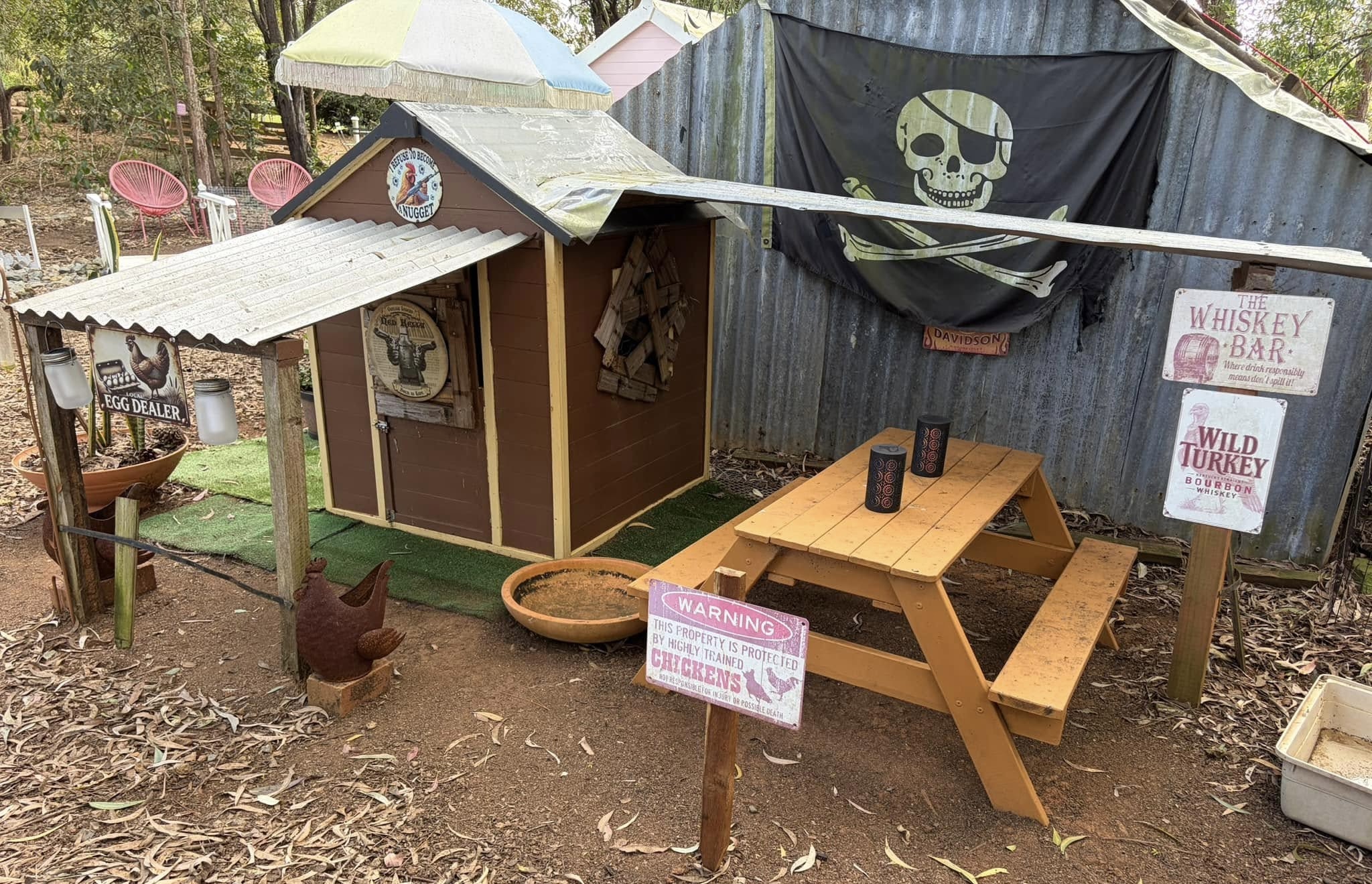
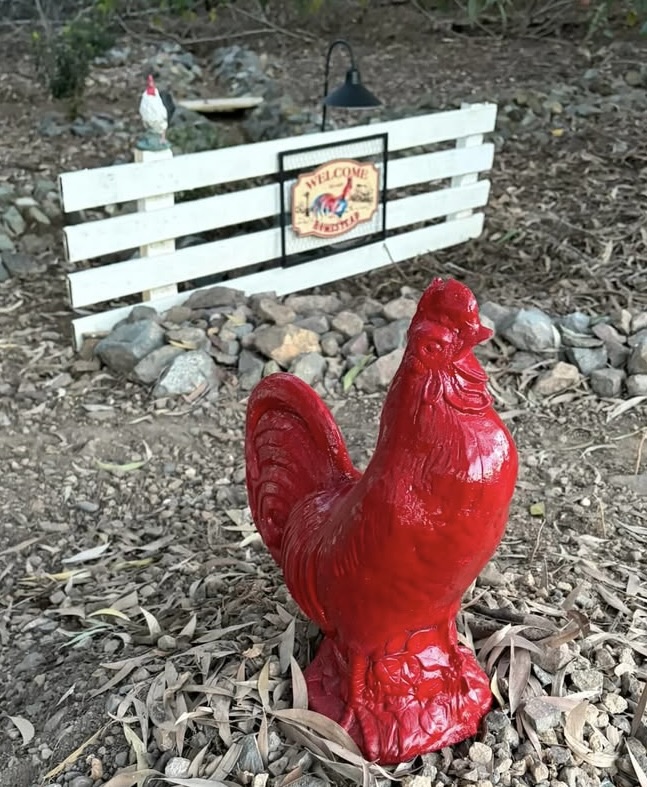
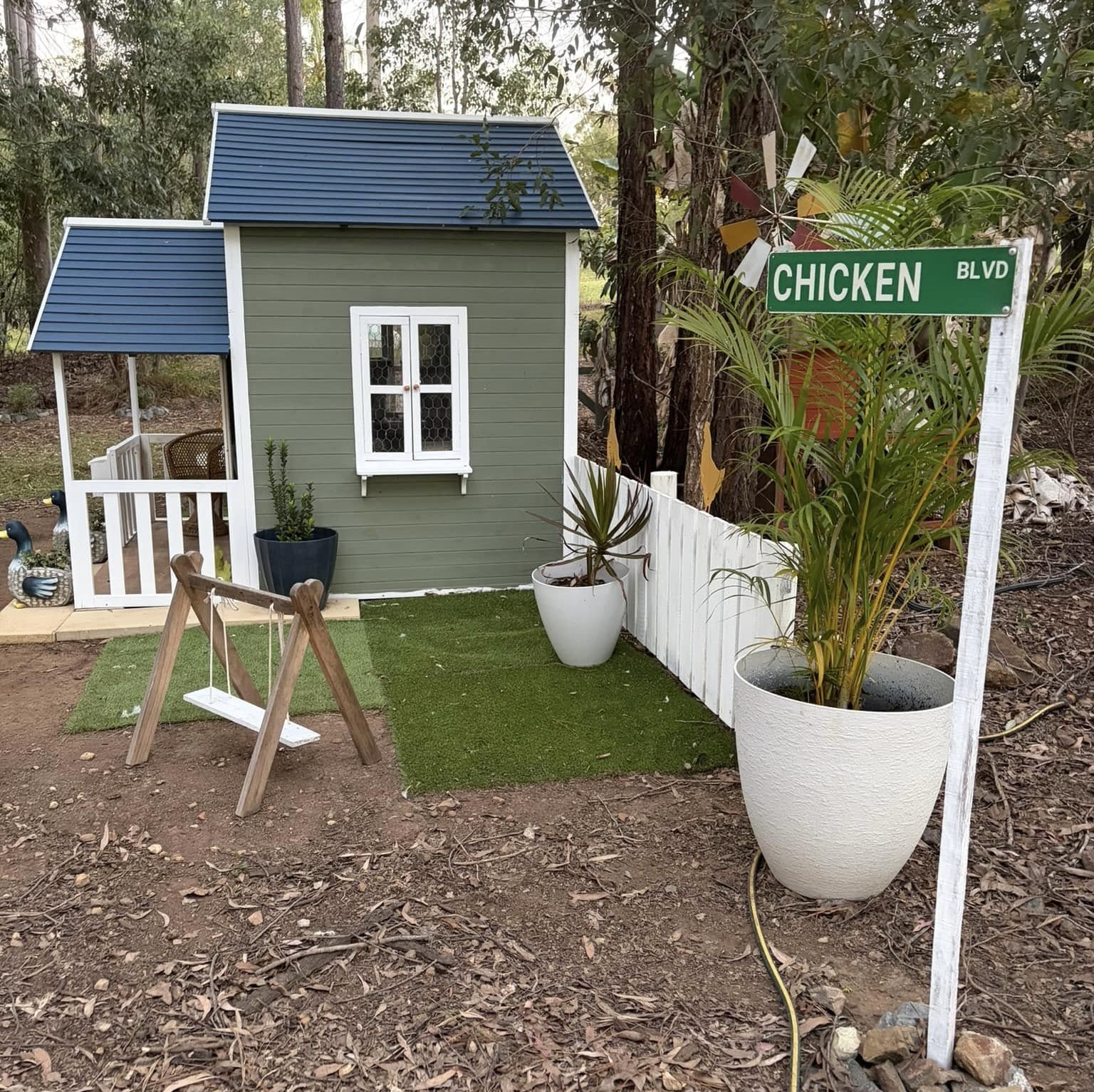
All my poultry forage in the morning at the front of my property. They have adapted their habits to avoid the times of day and parts of property that are visited by fox, goanna (lizard) and goshawk. They make their way down to village in the afternoon. Each night everyone goes into their own houses. I’m on my own so don’t have any help. My dad visits me once a year for a month and reluctantly helps me do repairs, additions and touch ups!
Coops: 5′-6.5′ wide x 5’ deep x 6’ high, and normally houses about five chickens. They freerange all day and only get locked up at night. Each coop has an attached run.
Runs: 33’ x 10’ each The main purpose of the run is in case of bad weather, predator risk or illness so they can all be kept locked up and still have lots of space.
The geese also sleep in the runs as they are a bit big for the cubbies. The poultry got to choose which house/run they wanted to live in and who they want to live with. The sleeping arrangements have remained pretty consistent over the years. They all know which house is theirs and they head to bed at around 5.30 pm each night.
Budget @$20,000
Features
- Coop and run doors have several locks
- Runs are covered in two layers of heavy duty mesh on all sides and top (thick enough that fox can’t chew through), metal roofing screwed to one half of roof and back of runs. There are some sections that are mesh only to allow a breeze to flow through.
- White, cream or clear polycarbonate roof sheets on the front half of roof of run stop rain but still let light in
- 3’ wide mesh skirt pegged into the ground around the runs to deter foxes from digging in
- 2.5” layer of coarse river sand on the floor of the runs as it drains well, reduces odour, is nice and cool and easy to clean (sift poo) without replacing
- Old dining tables in the runs house nest boxes – they are up high in order to avoid the goanna lizards
- I try not to put the nest boxes inside coops in case predators come for the eggs
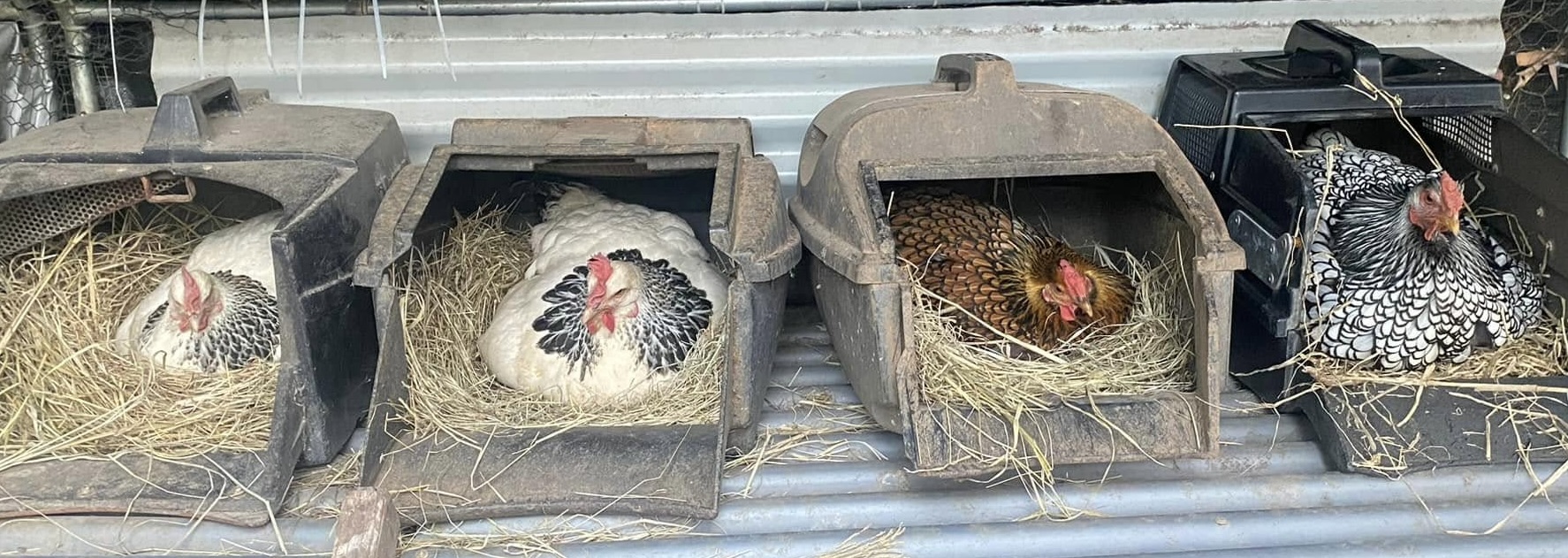
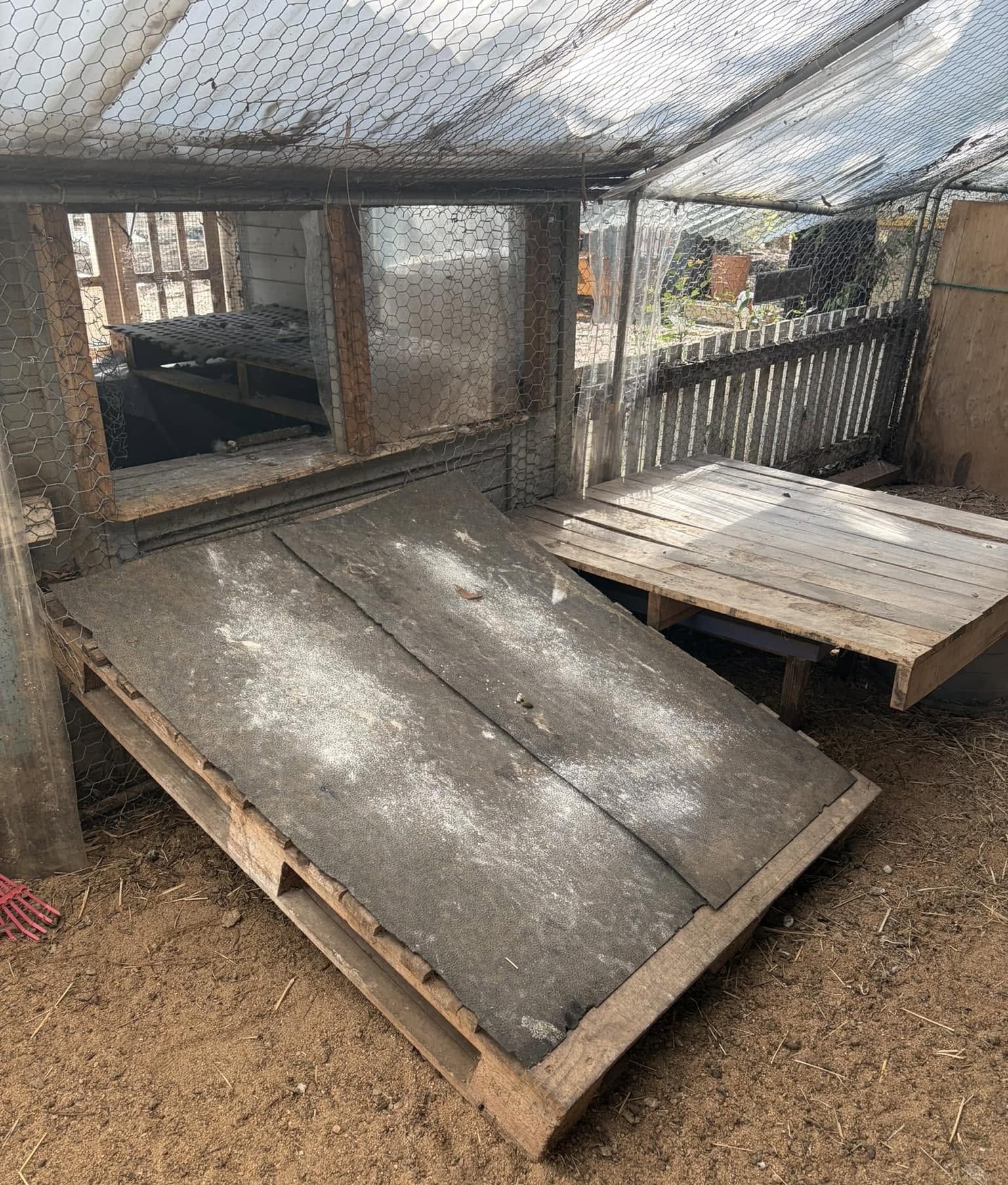
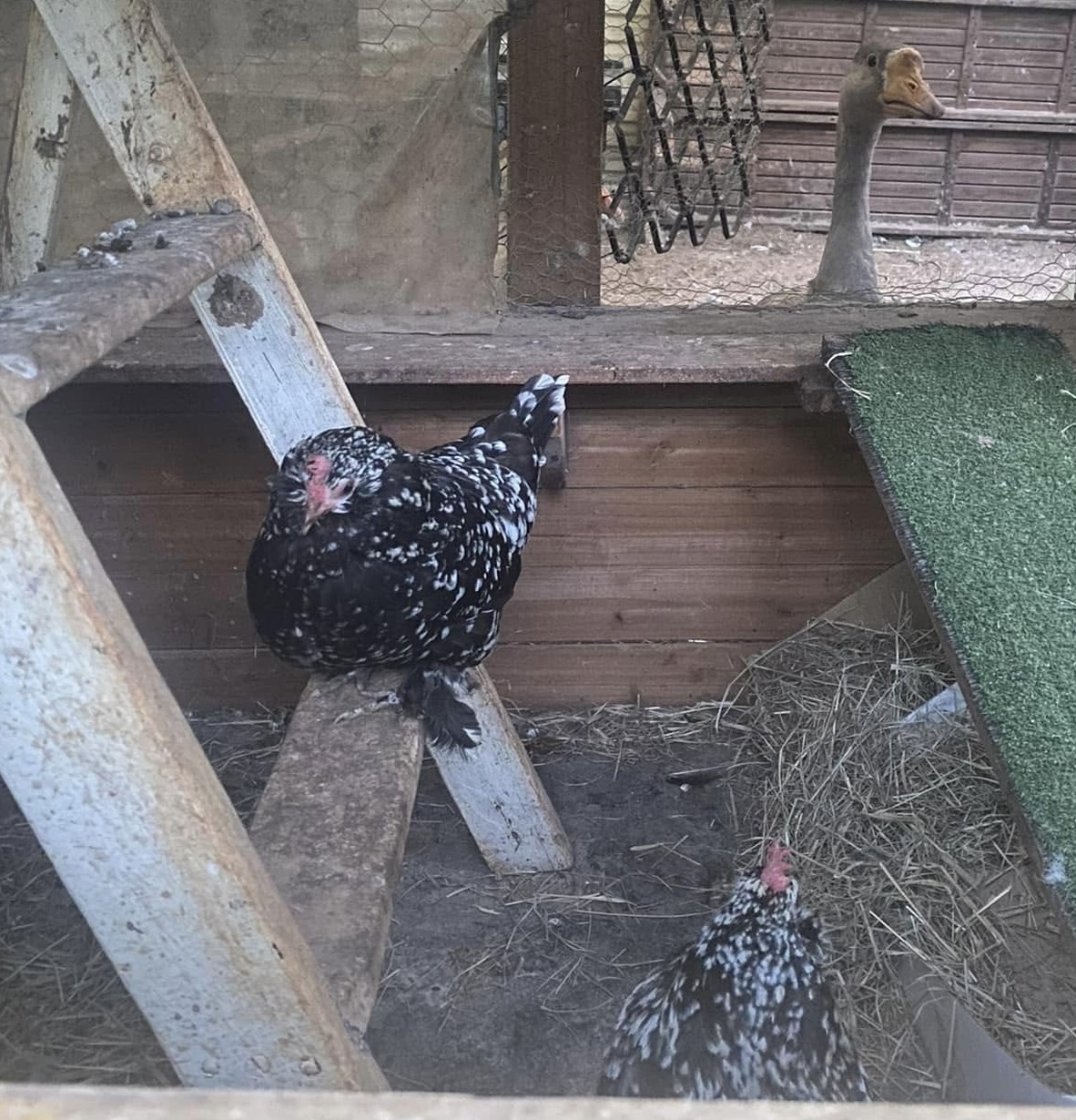
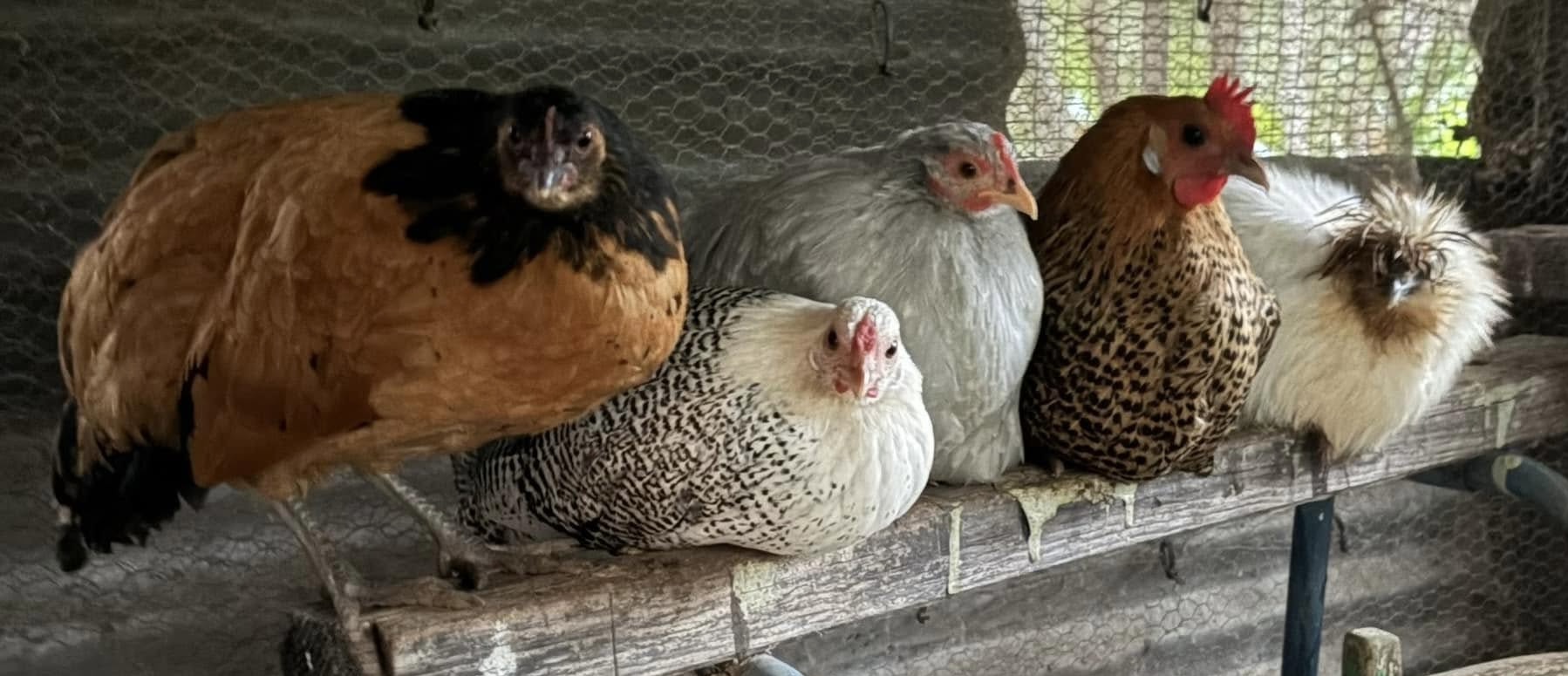
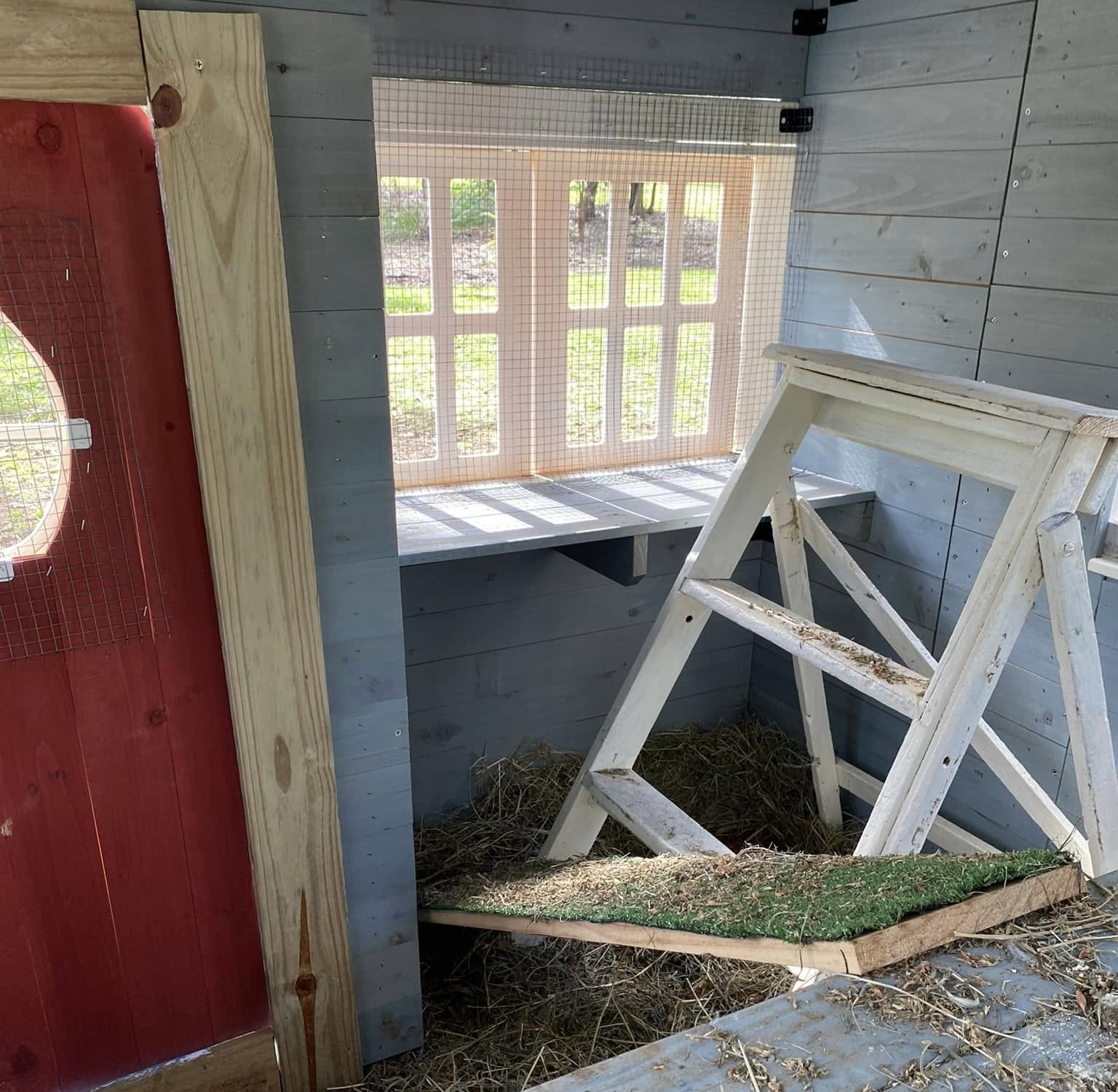
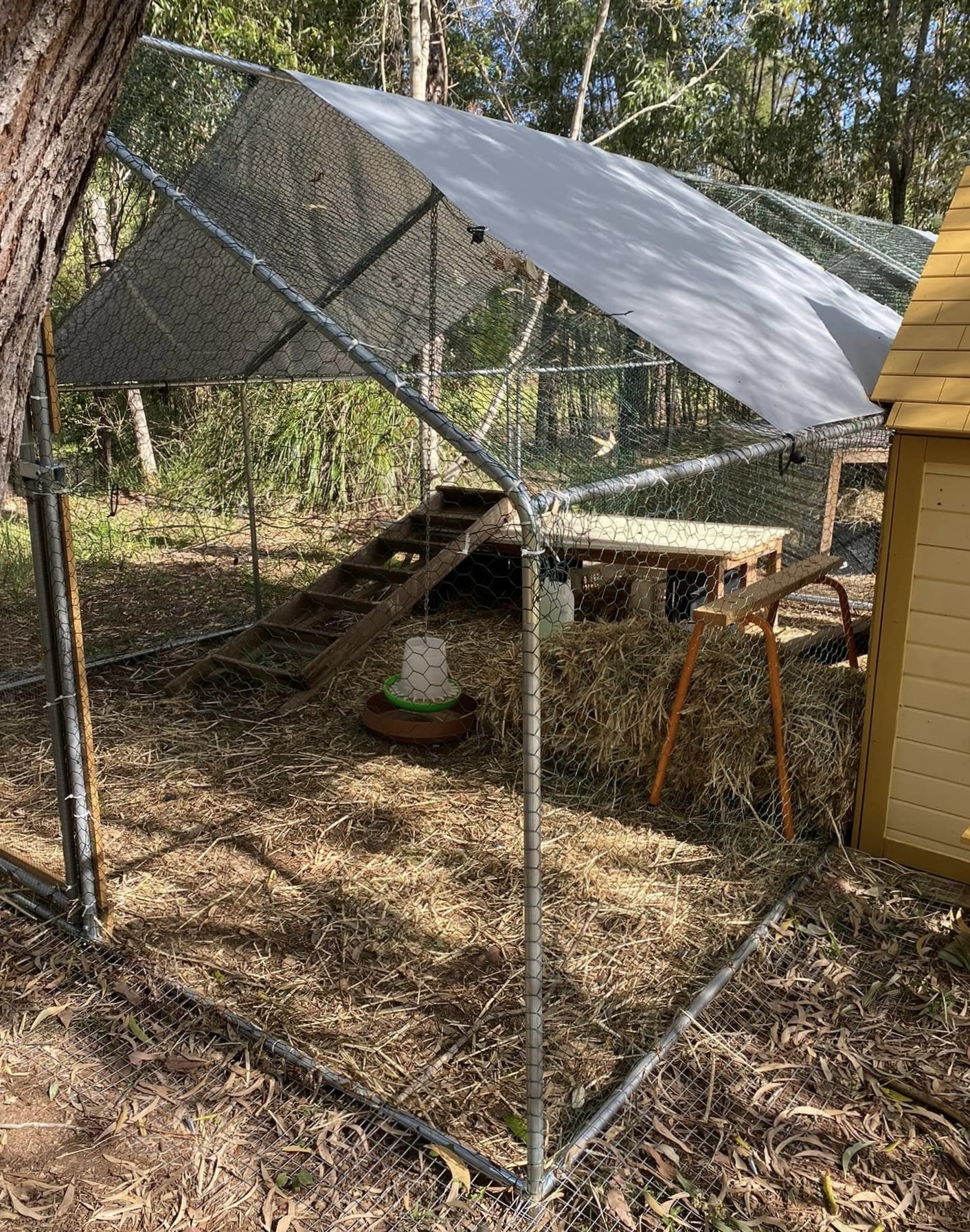
- My poultry prefer to roost on flat, wide surfaces so I use old shelving, pallets, milk crates or bar stools from the tip shop
- For heavier breeds, I put rubber mats on roosts to help prevent bumblefoot and have ramps where possible to make it easier on their feet
- I don’t feed my flock inside the chicken village to avoid rats and pythons
- The Chicken Village is covered in solar lights – the whole village lights up at night
I let my poultry out every morning at 7am to free range and lock them up at 6pm. I don’t use auto doors as I like to make sure everyone is ok when they wake up and do a head count in the evening to make sure everyone is accounted for and safe. I have a resident fox so I cannot afford to make any mistakes. I have only ever been away from my poultry for one night in five years for my Pop’s funeral. If any of them pass it hurts me so deeply.
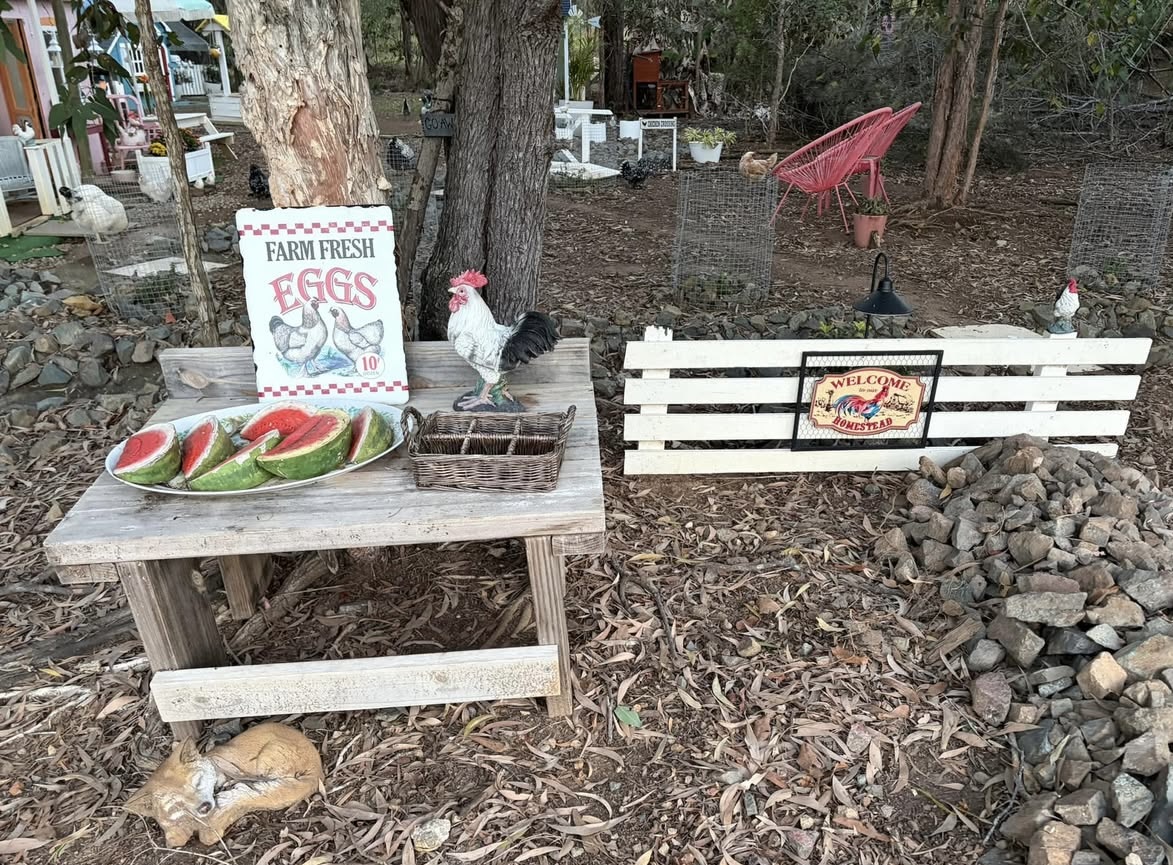
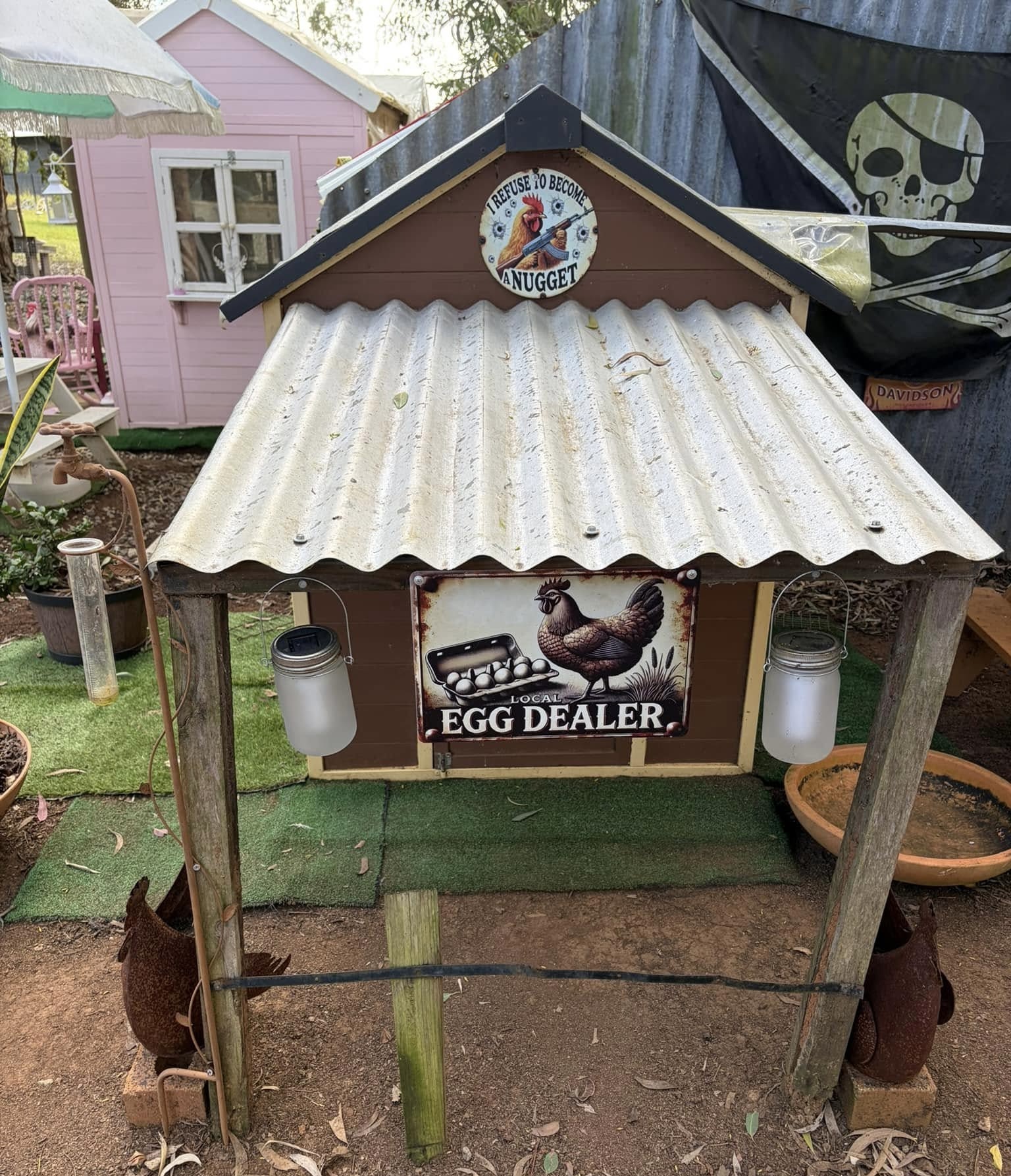
I am unique in that I don’t eat my poultry or the eggs, I don’t show, breed or sell any. I just have them because they are beautiful to look at. They have individual personalities and bring so much joy to my life.
My Chicken Village has been my labour of love for the past five years. All I ever wanted was to give my beautiful poultry a fairytale life. Outside of full-time work I do spend a LOT of time on maintenance and cleaning.
Thanks to Tenille for sharing her coops and photos, used with permission. If you’re wondering how she funds Chicken Village, she holds two degrees (Environmental Science and Ecology) and for the last 16 years has worked as principal scientist for her state government in the field of coal mining. Check out her site for more info
“Where nerds and hens flock together.”


Unconditional love. That is amazing and very rare. She is the kind of person everyone needs in their live. m
LikeLike
Thanks for telling us more about your lovely Chicken Village, Tenille. When I first saw the pictures of your village on Facebook I was curious how you put it all together, now I have a better idea. I love the creativity and look forward every day to your posts. BTW, I also worry about predators in my rural Kansas area, mostly coyotes, raccoons, hawks. I can’t even imagine having to protect against goanna lizards as well. Good on you for protecting your beautiful flock so carefully.
LikeLike