
If you scroll through any online chicken group you find some pretty out there posts that are not rooted in either science or common sense. Here’s one such exchange I had with a member of one of those groups:
Name Withheld: I have raised chickens and other animals all my life and when you see something weird you go for the throat, I mean, a very aggressive move to get the most common culprits out of the way, infection and/or parasites. They will kill your animal in days, if not hours, so, in my opinion, go ahead and start a 5 – 7 day cycle of antibiotics, ANY, the first you find like in humans – Amoxicillin, Penicillin, Cipro, etc – then the same dewormer we use in cats and dogs. I prefer to use liquid Piperazine instead of Pyrantel Pamoate/Praziquantel which comes in pill form for cats and dogs. Dewormer is just once, antibiotics is over 5 day at 500mg twice a day. I read the comments about Coccidiosis and, FOR SURE, BEWARE OF IT, IT IS A KILLER. The antibiotics can help but the best is Amprolium that comes in chicken feed. I don’t know if it comes in pill or liquid form.
Bitchin’ Chickens (to the original poster): You need to get an accurate diagnosis and treatment plan from a trained professional, not advice from someone on Facebook who’s trying to be helpful but is giving you so many contradictory suggestions. My avian vet would have a fit reading what is being suggested by someone who hasn’t seen your bird and doesn’t know for sure what’s going on. This is one of the reasons that veterinary medications have been restricted. Before you get all the things recommended, understand what they are used for and the contraindications. Sometimes throwing everything but the kitchen sink at a vulnerable bird can make things worse.
For more than the last two years I have had the good fortune of having a skilled and experienced mentor in the form of Dr Vicki Bowes, avian vet/pathologist. We meet up – sometimes twice in a week, other times not for several months – to discuss avian health issues and cases that I have collected for her diagnosis and advice.
Occasionally I jot down questions for her to weigh in on. Often they involve advice in online chicken groups, which I’d like her professional opinion on as to their veracity. More often than not, she shakes her head at the ease in which she can punch holes in those assertions. I, in turn, have managed to compile those Q&As into posts, which refute commonly repeated, but unfortunately erroneous, refrains.
In livestock, Ivermectin is used to treat various species of internal and external parasites. In people, it’s used for the treatment of river blindness (onchocerciasis), lymphatic filariasis, lice and mite infestations.
Great claims were made during the Covid 19 pandemic about a wide range of uses for Ivermectin, including that it was both an antifungal and antibacterial. I recently saw a post in an online chicken group suggesting that it was an effective antifungal.
I’d never heard that and the only source I could find that supported that claim came from a small Christian university in the USA. I asked Dr Bowes about this and also to comment on the oft-touted advice not to use Ivermectin topically on chickens because it ‘burns’ their sensitive, thin skin.
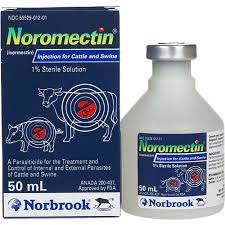
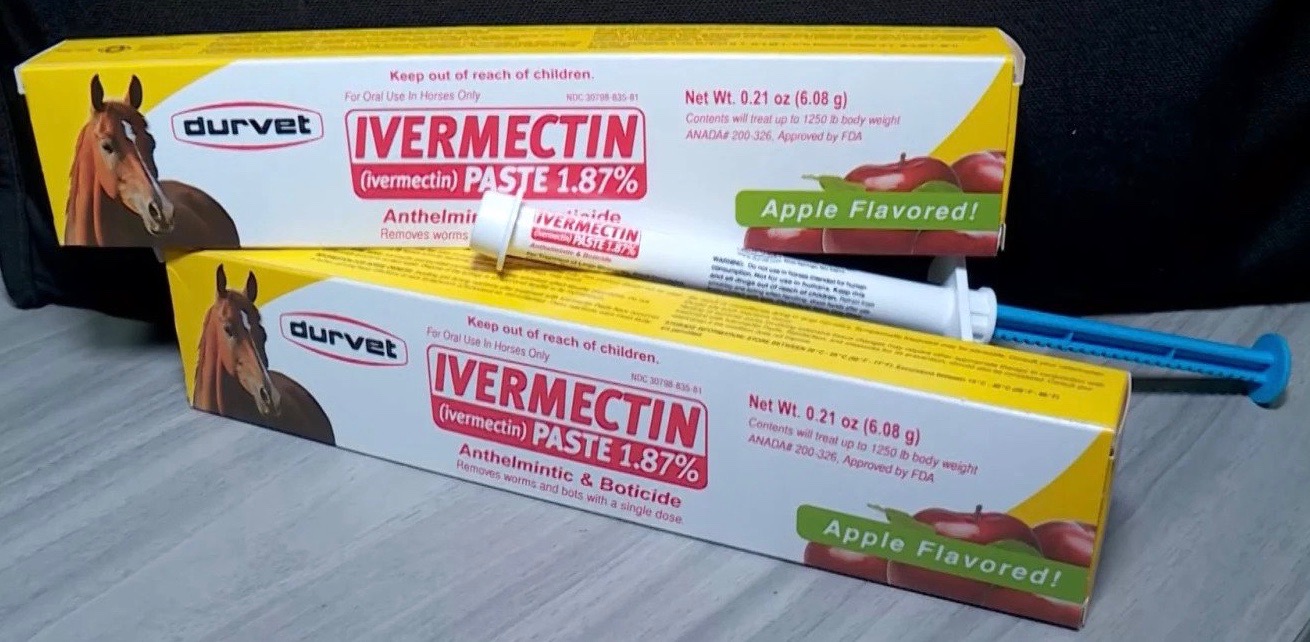
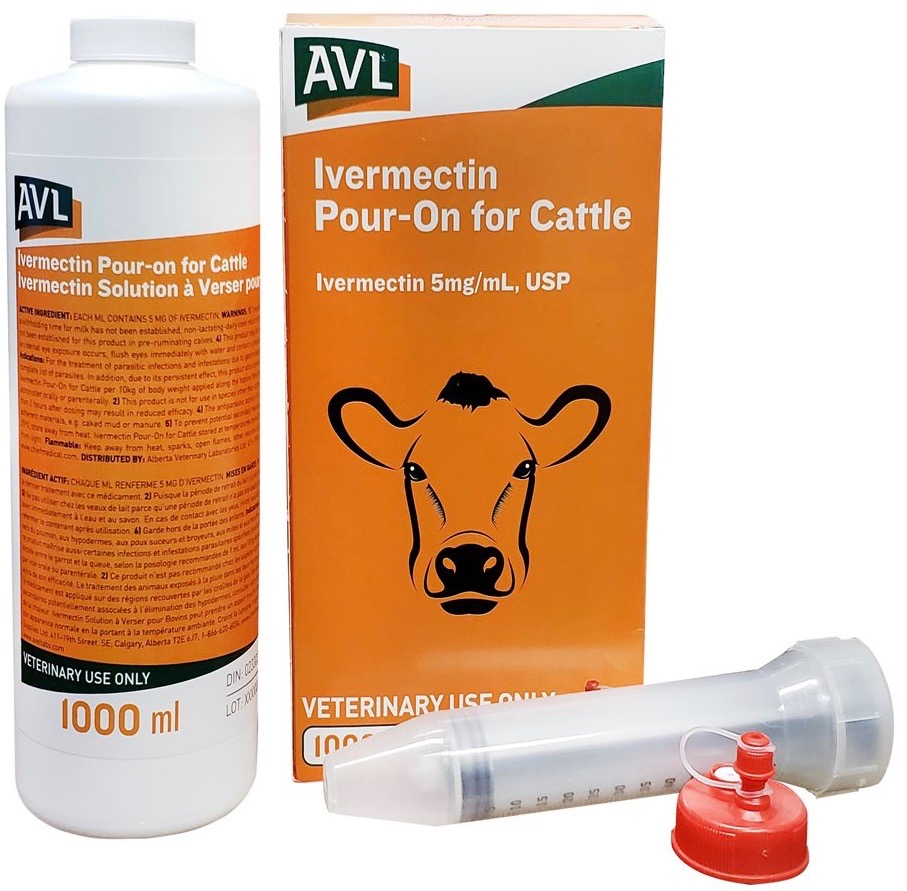
Dr Bowes: Ivermectin is not an antifungal or antibacterial and it causes no harm if used as a pour-on. I would recommend using the injectible form given orally as it is easier to control the dosage of .2mg/kg of body weight. If done correctly, I would be confident to suggest an egg withdrawal time of 21 days.
I’ve brought Dr Bowes cases in which the poster wondered if their bird was suffering from a vitamin deficiency. At some point, she made a remark that questioned the number of birds that would be affected by such a deficit. I asked her to expand on that.
Dr Bowes: We usually don’t see single vitamin deficiencies in chickens. If birds are fed commercial feed that is properly formulated they should be fine. Occasionally there are feed errors or the use of non-commercial feed that might not contain enough minerals. I think vitamin deficiency is a misdiagnosis and if a bird improves with the use of vitamins I feel they would have gotten better in spite of, and not because of, the treatment.
Heart Attack
It seems that the go-to diagnosis for a sudden death without prior symptoms is heart attack. Several times Dr Bowes has refuted this claim so I asked her to explain.

Black Soldier Fly Larvae (Entomology Today)
Dr Bowes: A heart attack or myocardial infarction happens when a part of the heart muscle doesn’t get enough blood. In humans, coronary artery disease is the main cause of heart attack. Technically, chickens don’t have heart attacks; they can suffer from congestive heart disease, atherolosclerosis, reovirus or bacterial embolisms. Overfeeding leading to obesity can contribute to both fatty liver and heart disease. Small flock chickens are often the victims of good intentions by way of too many mealworms and black soldier fly larvae.
I am someone who has experienced symptomatic Marek’s in their flock. In fact, Dr Bowes was the one who did the necropsies that diagnosed it. I remember feeling like it was a gut punch and I would have to cull my entire flock. She talked me down off the ledge, explaining that Marek’s is ubiquitous and expected to be found in all small flocks. I belong to an online Marek’s and Leukosis group and many folks seem to think that nothing is worse that the former and would prefer to deal with the latter. I asked Dr Bowes to comment on this and she seemed surprised that Marek’s would be considered the worst pathogen to contend with.
Dr Bowes: Marek’s isn’t the worst thing for small flock keepers to deal with. All backyard chickens carry some strain of the virus, some more virulent than others. Marek’s mostly affects young birds and is rarely seen in those over the age of 20 months. If your flock mostly consists of older birds, even those that carry the virus, you will probably not have any losses.
Leukosis (ALV), on the other hand, can be spread vertically (from hen to chick via the egg) which will affect breeding programs. It has a longer incubation period than Marek’s, which means you may not discover the pathogen in your flock until your birds are older. It also has been found that there is a Leukosis subgroup found in the genome of some birds, which means that it can also be spread genetically.
Runting Stunting Syndrome
Folks often refer to their smallest chicks as being runts or failures to thrive. Weak chicks can be the result of poor breeding stock, incubation issues, improper feed, unsanitary living conditions or coccidiosis.
Dr Bowes: Runting Stunting Syndrome is the result of a viral infection (i.e. enteritis, coronavirus, astrovirus, enteric reovirus) that shortens the length of the folds in the bird’s intestinal tract impairing nutrient uptake. Food is consumed but not properly absorbed. Sick chicks have diarrhea, feathering problems, low weight and depression.
Sour Feed Or Sour Crop?
Most folks are aware of the different issues that affect the digestive system: sour, impacted or pendulous crop. Many chicken keepers don’t differentiate between sour crop and sour feed.
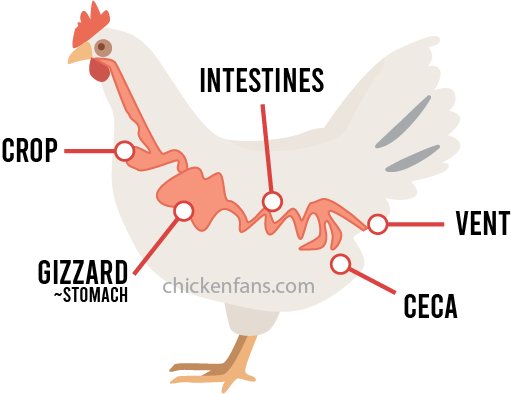
Dr Bowes: Sour feed smells yeasty and is the result of food not moving through the digestive system or sitting too long in the crop. It causes the lining of the crop to thicken and can be palpated to move the food along. Do not tip your bird upside down or try to ‘vomit’ them. Sour crop, on the other hand, is a mycosis or candida mold, which invades the lining of the crop. You can use apple cider vinegar (ACV) or pediatric Nystatin to treat it. Surgical intervention may be required.
Bitchin’ Chickens: Many years ago, I adopted a Siberian Husky puppy that was diagnosed with both coccidia and giardia. Although she was treated for those two pathogens she suffered from permanent damage to her intestinal tract. Regardless of eating a healthy amount she always seemed hungry and consistently scrounged and stole food. It also led her to eat something inedible that ended up being her cause of death when she was just 20 months old. Sometimes the damage that happens to animals in their formative stages is irreversible.
Vet Rx
Bitchin’ Chickens:
VetRx is often recommended to manage respiratory symptoms, maybe because it is an over-the-counter product widely available in feed stores and online. It contains some of the same ingredients as the human equivalent Vicks Vaporub: camphor and Canada Balsam (turpentine oil). If you had a mild respiratory issue Vick’s might be used to alleviate some of your symptoms, but anything more serious might require antibiotics.
Some of the symptoms in chickens may be managed with appropriate antibiotics and VetRx may alleviate some of the milder symptoms. Chickens that survive respiratory diseases can become lifelong carriers.
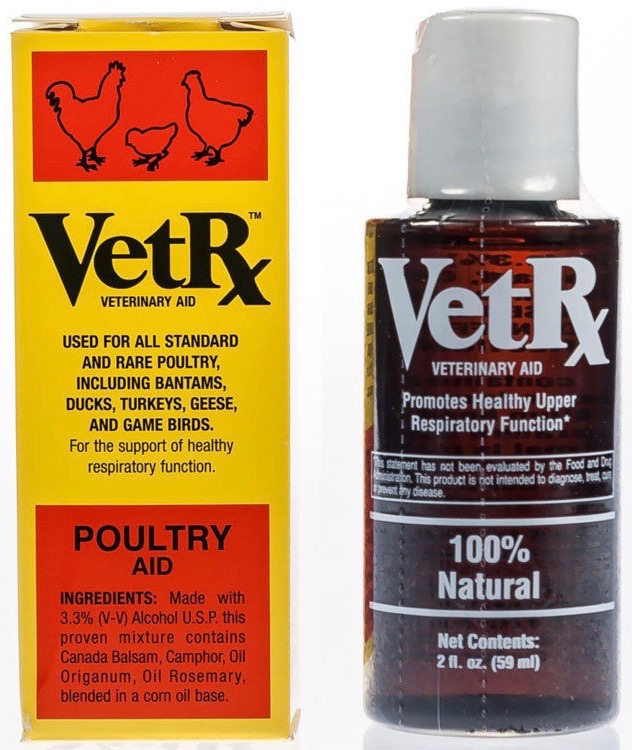
If you take a look at the VetRx site you’ll find this: Disclaimer: This drug has not been found by FDA to be safe and effective, and this labeling has not been approved by FDA.
Please do your research before using something that has been blindly recommended as you may be doing more harm than good.
Many thanks to Dr Bowes for sharing her wisdom and expertise to help us small flock keepers provide better care for our birds.
If you’ve got a question you’d like answered drop me a line via the ‘contact’ button on my homepage.


How much is “too much” fly larvae/mealworms? Is a handful a day thrown to 11 chickens OK? Thanks for all your advice!
LikeLiked by 1 person
I’m not sure but you might want to swap fly larvae for healthy treats like veggies or fruit. My chickens are perfectly happy with them.
LikeLike
They were a gift 🙂 I figured while molting some extra bug protein would be ok. I sprout seeds in the winter, and gather yummy weeds in the summer for their treats.
LikeLiked by 1 person