
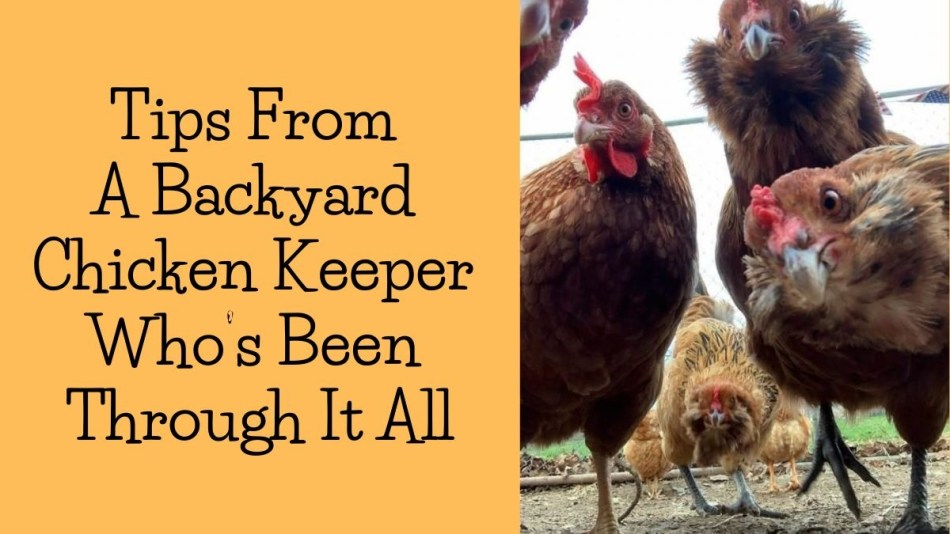
So, you’re thinking about keeping chickens or maybe you’ve just brought home your first fluffy batch of chicks. You’re now part of one of the most rewarding, humorous sometimes heartbreaking, and sometimes unpredictable clubs out there: backyard chicken keeping.
Chickens are tougher and more challenging than you might think. They’ll injure themselves in ways you couldn’t dream up. Don’t beat yourself up when things go wrong. Sometimes you live in a place without poultry vets. Sometimes birds die suddenly, for reasons you’ll never know. I’ve lost birds to illness that took them in minutes. It happens. It hurts. But it’s not always your fault. Being prepared will help reduce those risks and improve your flock’s chances of survival.
Coop Dreams Vs. Coop Reality
- That cute prefab coop purported to house six or eight hens online? Not true. They need more space.
- Rule of thumb: at least four square feet per bird inside the coop and at least ten outside. More if you can swing it. Chickens are foragers and need space to roam. Boredom can lead to stress, pecking, bullying and other health issues.
- Ventilation is crucial – no one likes a damp, ammonia-filled coop.
- Predators will test your setup. Raccoons, hawks, and rats are smarter and more persistent than you think.
Chicken Math Is Real
- Be prepared for an expanding flock. You may think you only want four or six and then discover all the breeds you never even knew existed.
- Chickens are flock animals with a hierarchy. Adding new coop mates is stressful.
- Want a rooster or not? From my perspective they have an integral role in flock dynamics, but you probably only need one.
- Have a plan for dealing with unwanted males – don’t dump them assuming they can fend for themselves.
Poop Happens – Everywhere
- It’s on perches, eggs, your boots and, sometimes, you.
- Resign yourself to regular cleaning.
- Get a good shovel. You’ll need it.
- If you don’t like doing housework, maybe chickens aren’t for you.
Chickens Are Not Interchangeable
- They have personalities: bold, shy, spicy, clingy. Some will adore you; others will plot your demise.
- Pecking order drama is real. Understand how to safely integrate new members to avoid bullying and pecking, or worse.
- Losing a bird hurts. It happens – from predators, illness, or old age – and it never stops being sad. It’s part of flock life.
Eggs Are A Perk, Not A Promise
- Chickens don’t lay forever. Expect peak production for their first two years, then a slow decline.
- Don’t be surprised when production drops due to hot or cold weather, moulting, broodiness, shorter days – it’s natural.
- Give them proper nutrition, calcium and light, and they’ll reward you when their bodies are ready.
Don’t Believe Every Chicken Myth Online
- Garlic and apple cider vinegar have their place, but they are not miracle cures.
- No, pumpkins and chilis are not natural dewormers.
- No, cedar is not toxic to poultry.
- No, antibiotics are not warranted for every situation. And even when they are, different antibiotics target specific bacteria or type of infection.
- And yes, chickens do feel pain.
- Ask a question in any online group and you’ll get dozens of conflicting answers. Ask away, but do your own research too. Don’t rely solely on the internet crowd – many of them will unknowingly send you in the wrong direction.
Knowledge Is Power
- Every chicken keeper started as a beginner. Chickens aren’t a no-maintenance pet, so be prepared for a sharp learning curve.
- Learn the basics of chicken biology, physiology, pathology and parasites.
- Connect with other keepers, online groups and farm supply store staff.
- When, not if, disaster strikes, that’s your lifeline for advice and moral support.
- Share your stories – both the triumphs and the “Why is there a chicken in my kitchen sink?” moments.
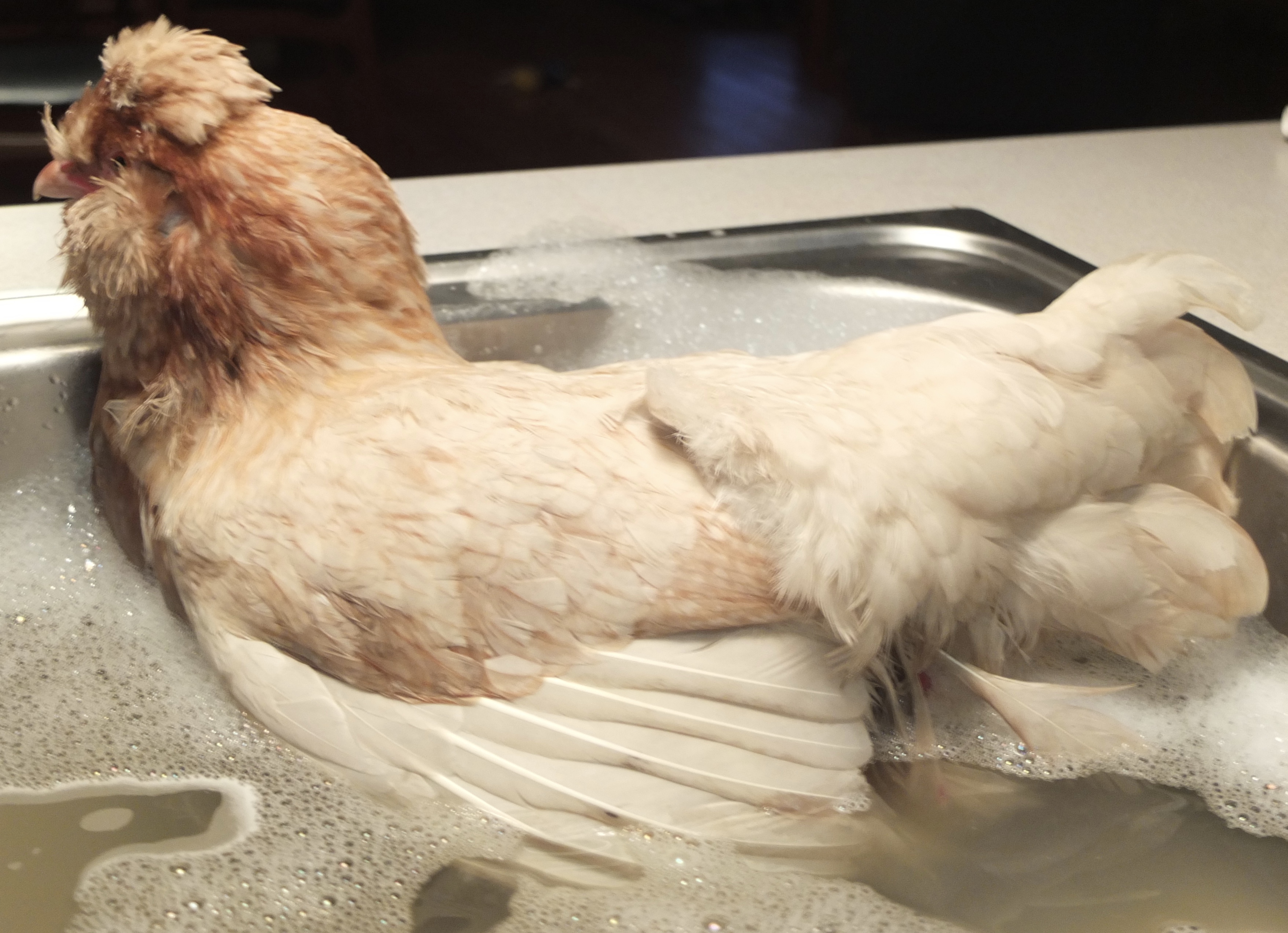
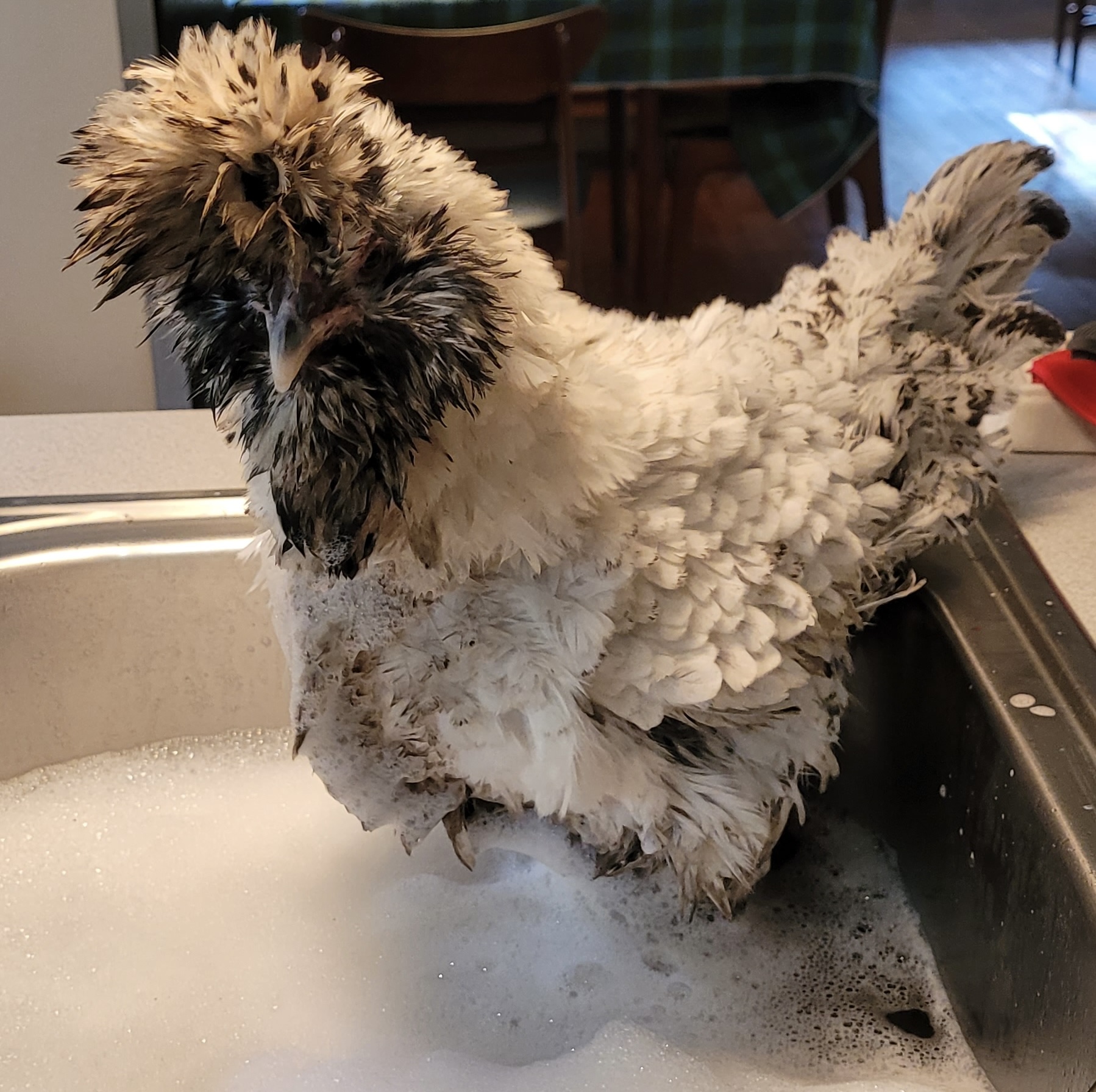
Photo credit: Bitchin’ Chickens
Don’t Mess With Nature
- There are no lights or heat in my coop during winter. Artificial mechanisms mess with egg cycles and risk their health. If the power goes out, they’re not acclimated and could die. Plus some forms of heat can be a risk for fire.
- That said, if you live in an area that experiences ‘real’ winter make sure your coop is warm enough so your birds don’t experience frostbite.
Assemble a Chicken First Aid Kit
- You don’t need to be a vet, but you do need to be prepared, which might include finding a vet that will treat chickens.
- Build a basic kit. Over time add more supplies, splitting them with a friend to cut your costs.
- Have a warm, quiet place to isolate a sick bird.
- Recognize when your bird’s issues are untreatable.
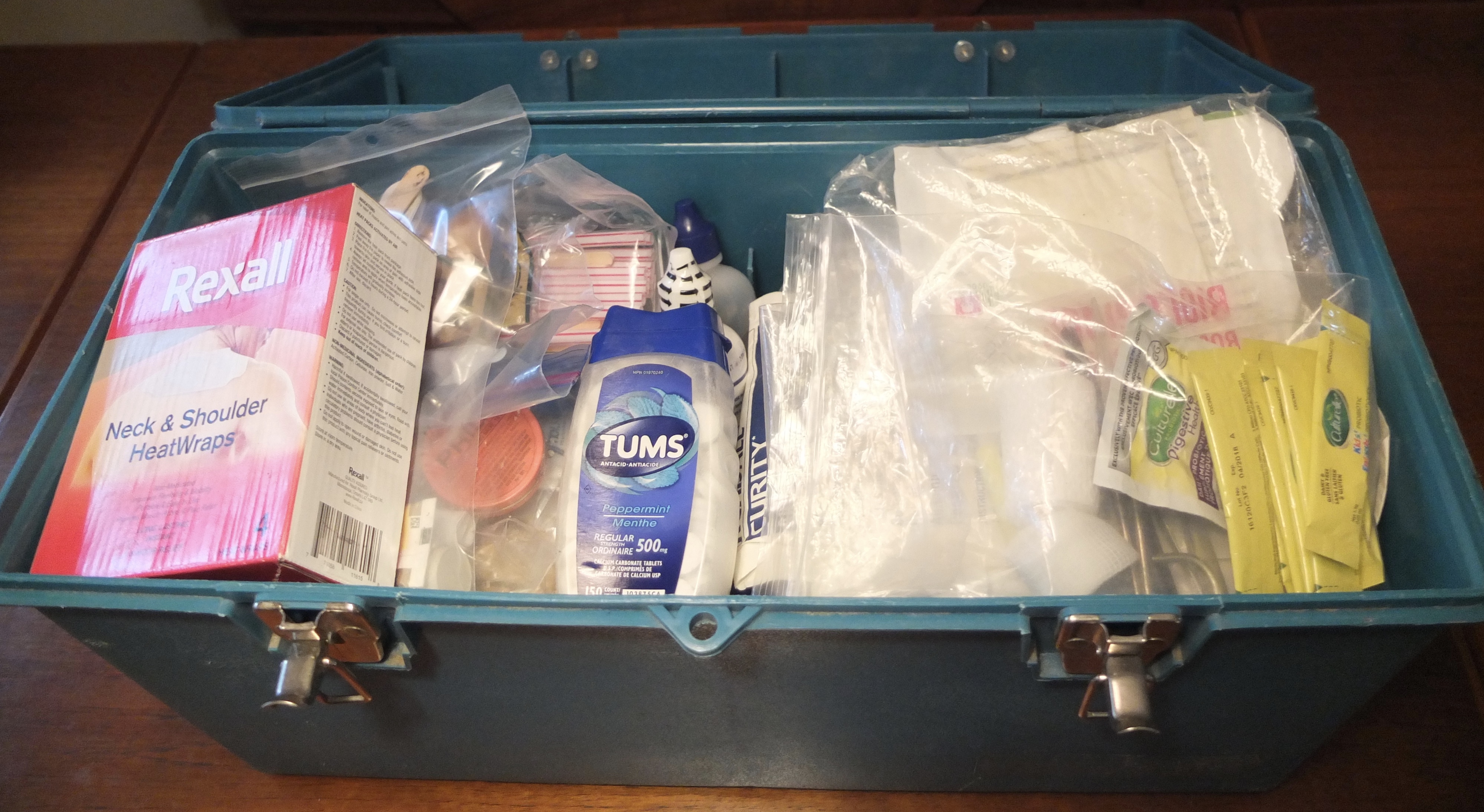
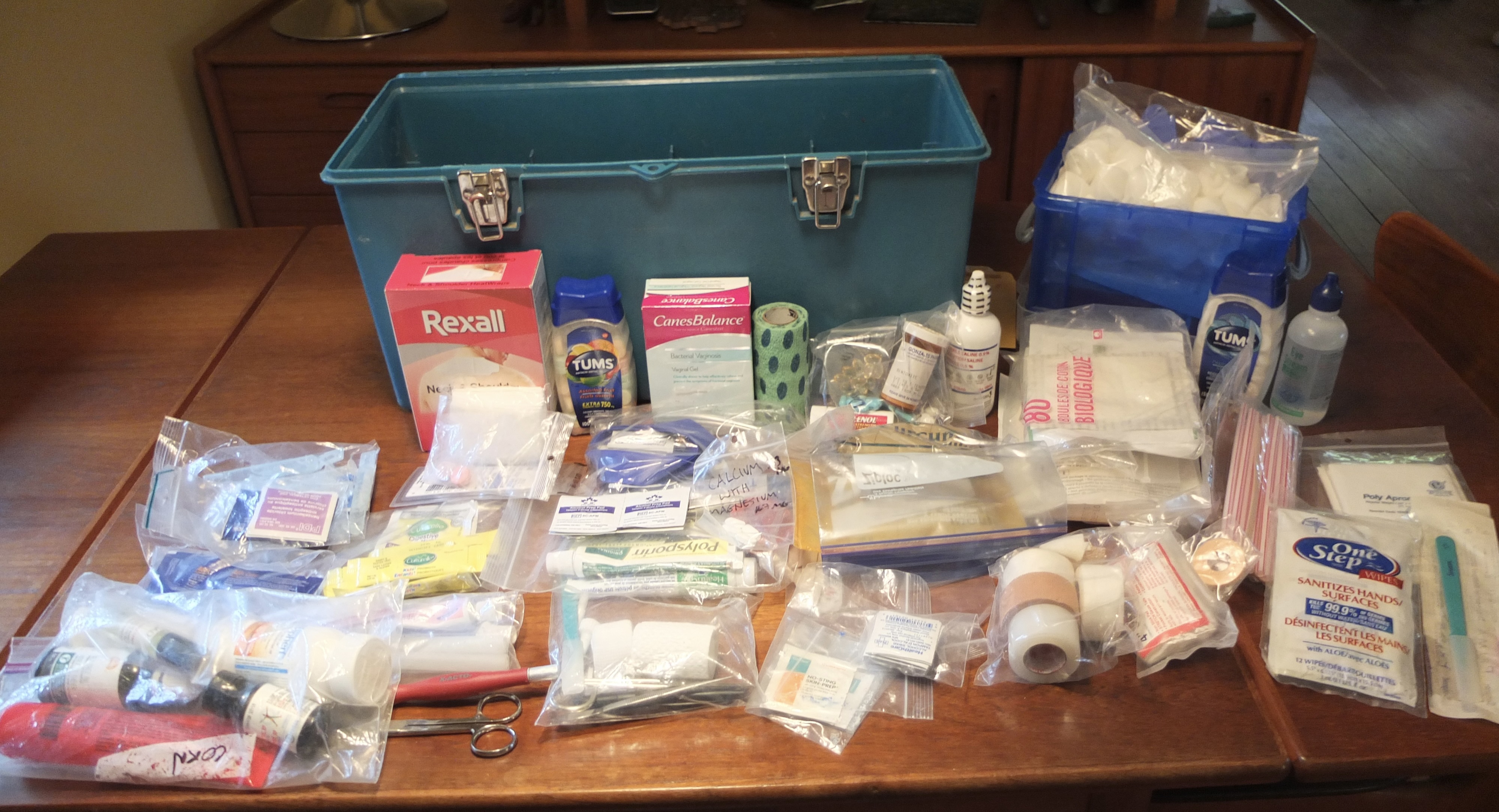
Photo credit: Bitchin’ Chickens
End Of Life Care
- What’s your plan for aging, injured or ill birds?
- Do you know how, or have someone to humanely euthanize birds?
- Are you prepared to take a patient to a vet?
- Look into getting a profession necropsy done to determine cause of death. It could be a one off or something that could be transmitted within your flock.
- If you can’t find or afford a necropsy, do a DIY necropsy, take photos and post them online or send them to me for a diagnosis.
The Payoff
- Fresh eggs are great, but the real joy comes from watching your flock dust bathe in the sun or waddle up when they see you coming.
- You’ll start to recognize every cluck and chirp. You’ll find peace in the routine of caring for them.
- And one day, when a newbie chicken keeper messages you in a panic about a moulting hen, you’ll realize you’ve been through it all and you made it.
Your Coop, Your Way
- There are endless ways to raise birds. Find what works for you. Respect what works for others. Have the humility to acknowledge you don’t know everything and there are always opportunities to learn. I’ve kept chickens since 2005, have posted 900+ articles for this blog and am still learning new things.
Feature photo credit: Syauqis Salsabilia
If you have some tips to add feel free to leave them in the comments below.


Great post! So much to learn and so much to love. You covered what we all have and are learning,
LikeLike
Claire, this recent post was very comprehensive. You have a wealth of information and experience to share with people who are starting to have chickens. Maybe your blog is sufficient but you might consider offering individual coaching for people who need more help getting started.
LikeLike
My retirement is on the horizon. I may explore that option in the future.
LikeLike